• All Products

      • Charge Air Coolers
        • Charge Air Coolers

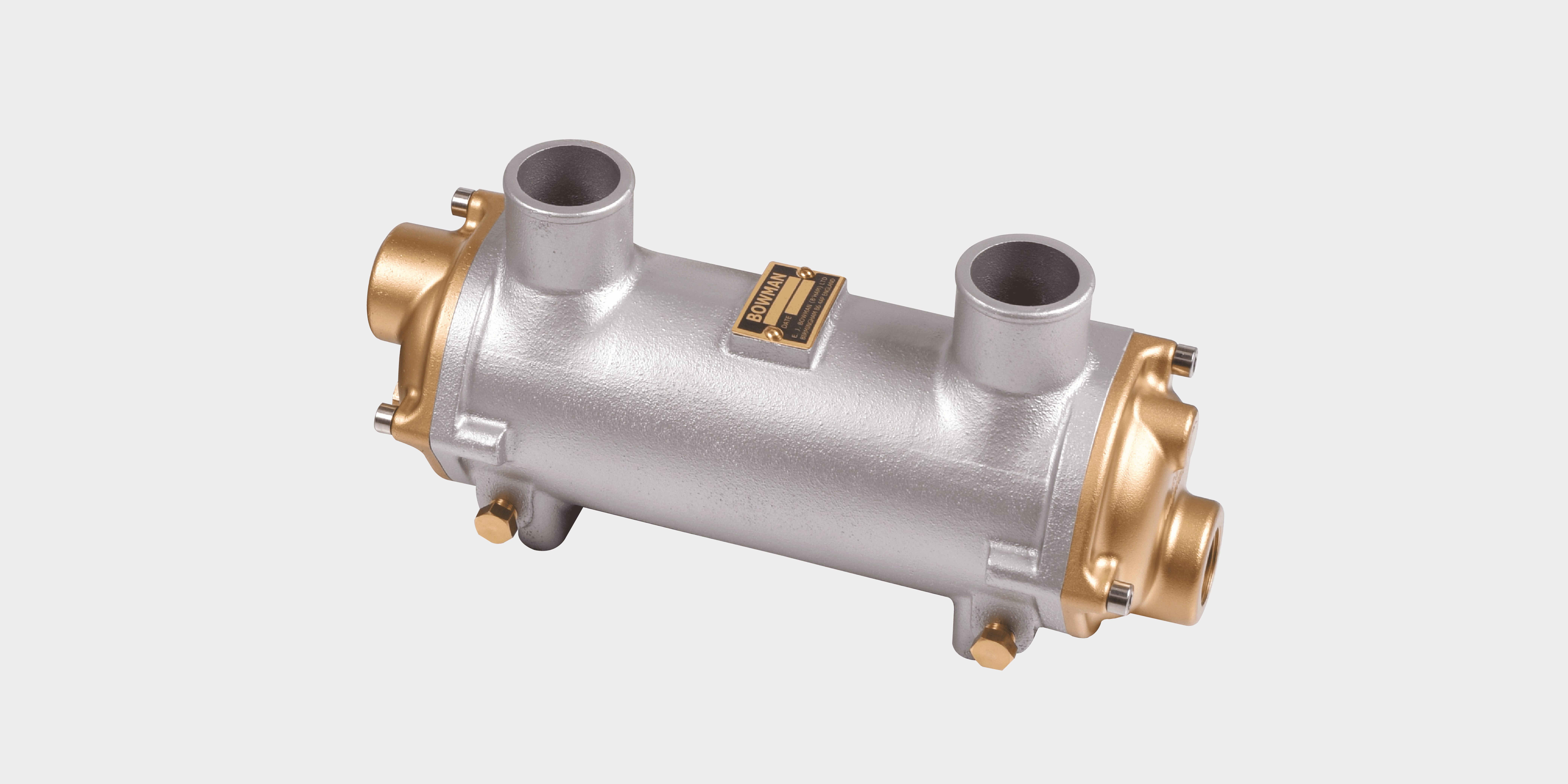
          Used to cool the hot, compressed air from the turbo before it reaches the engine, the intercoolers improve engine efficiency and reduce emissions for marine and land-based stationary engines.
      • Exhaust Gas Heat Exchangers
        • Exhaust Gas Heat Exchangers

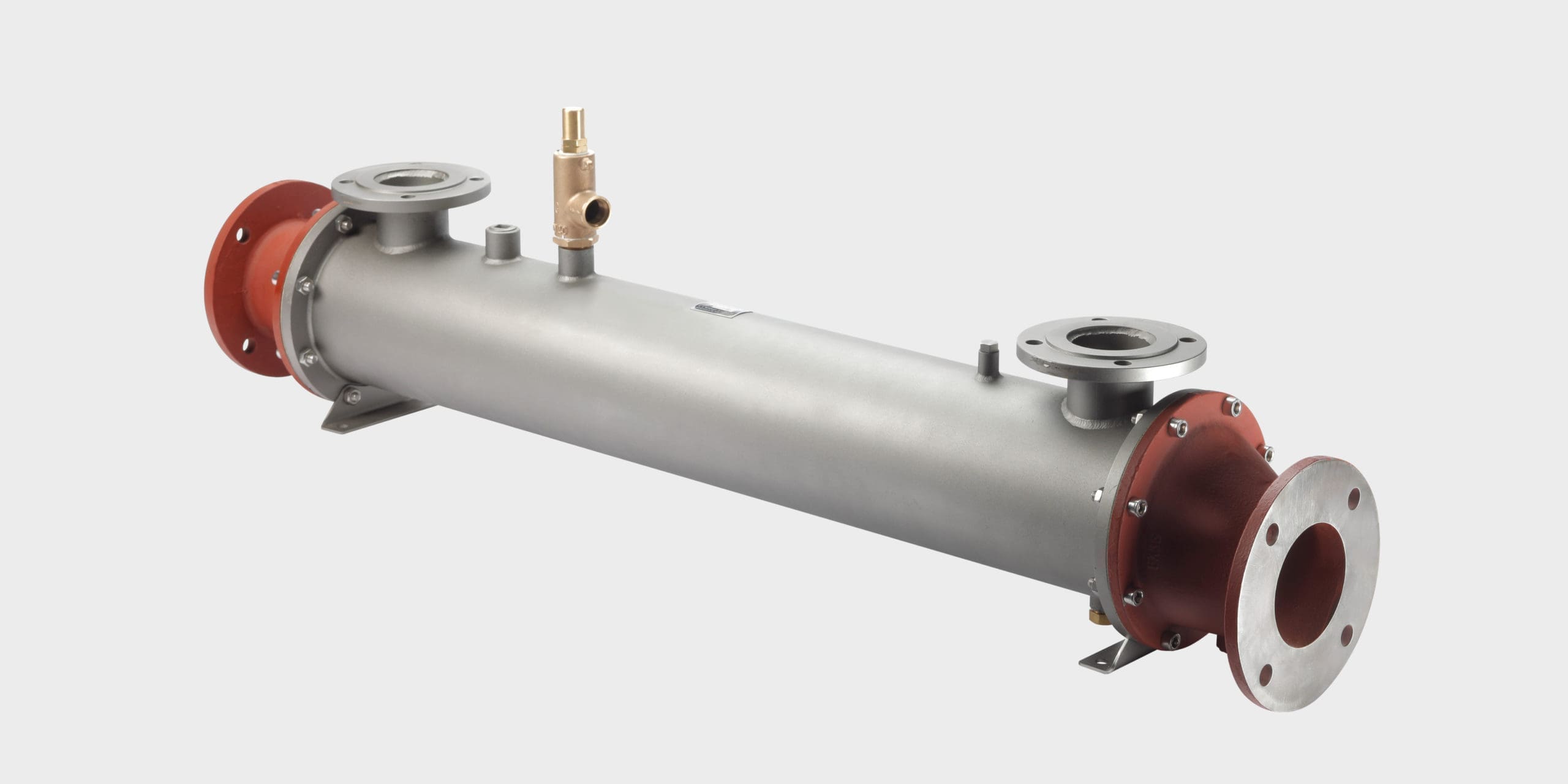
          Exhaust gas heat exchangers are designed to recover waste heat energy from the exhaust stream of reciprocating engine powered generating sets.
      • Fuel Coolers
        • Fuel Coolers

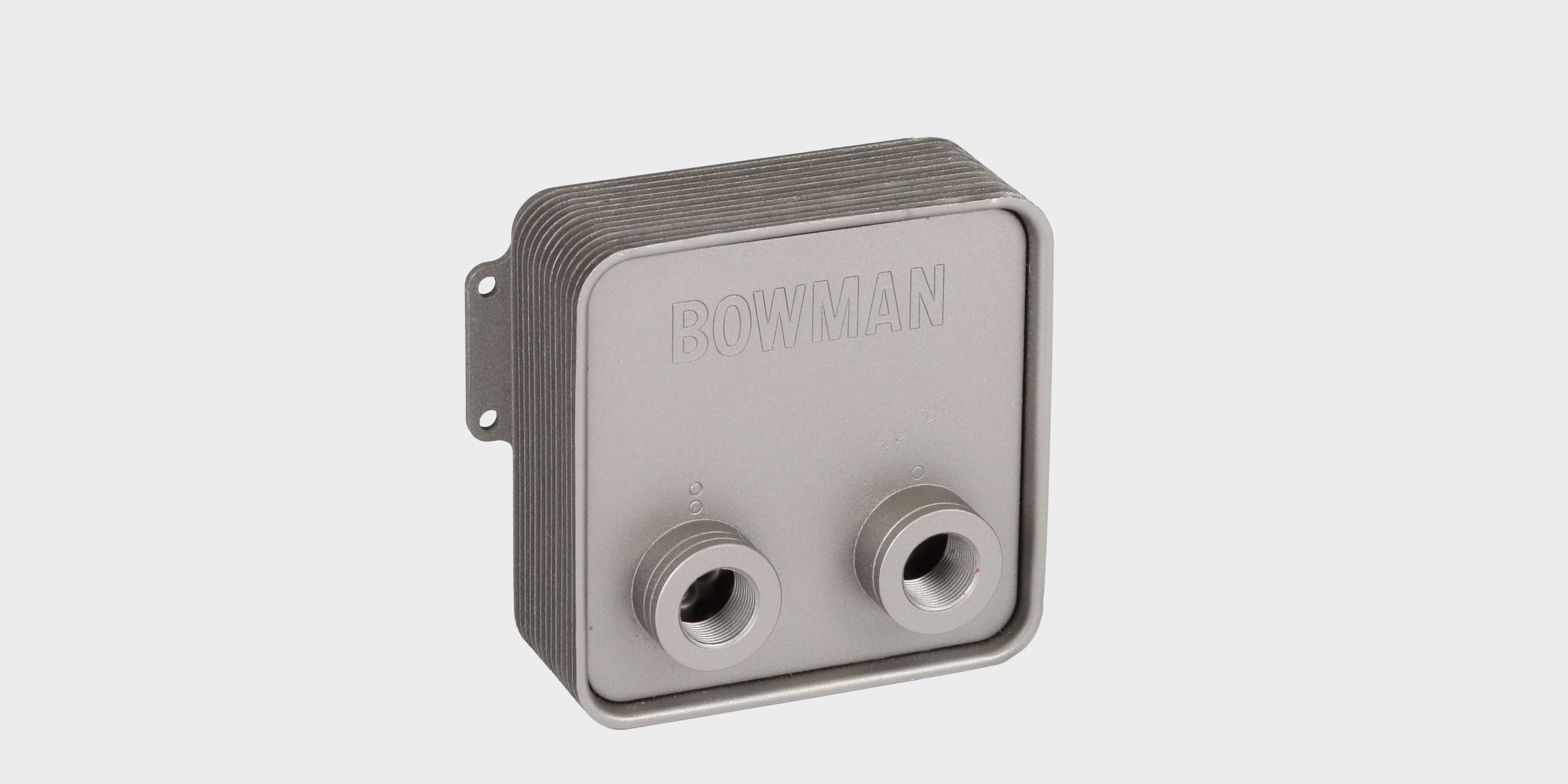
          Bowman 'copper free' fuel coolers are compact, highly efficient heat exchangers suitable for fuel conditioning rigs in the automotive testing industry.
      • Header Tank Heat Exchangers
        • Header Tank Heat Exchangers

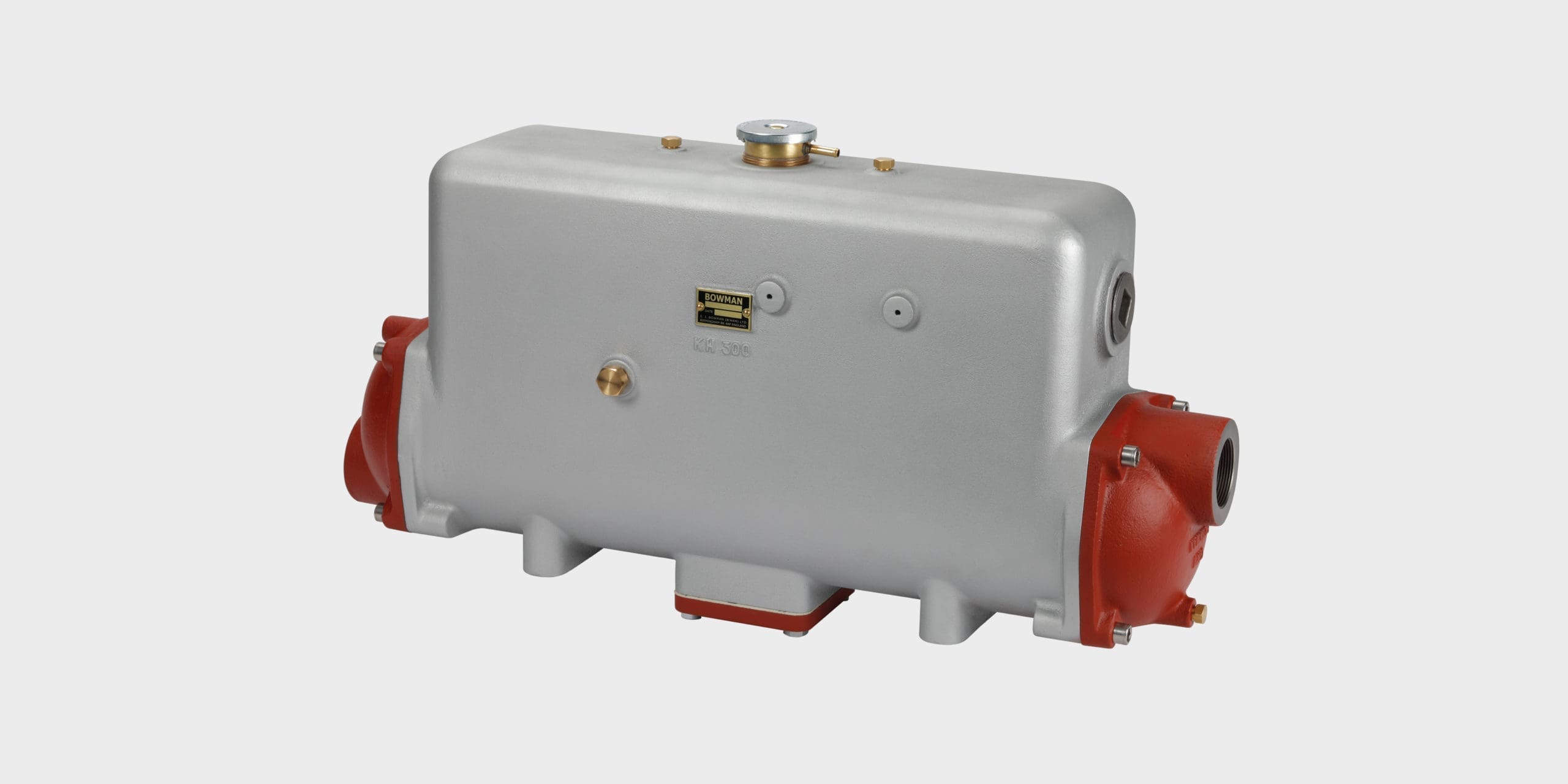
          Engine coolant header tank heat exchangers for marine propulsion, gensets or stationary land-based engines.
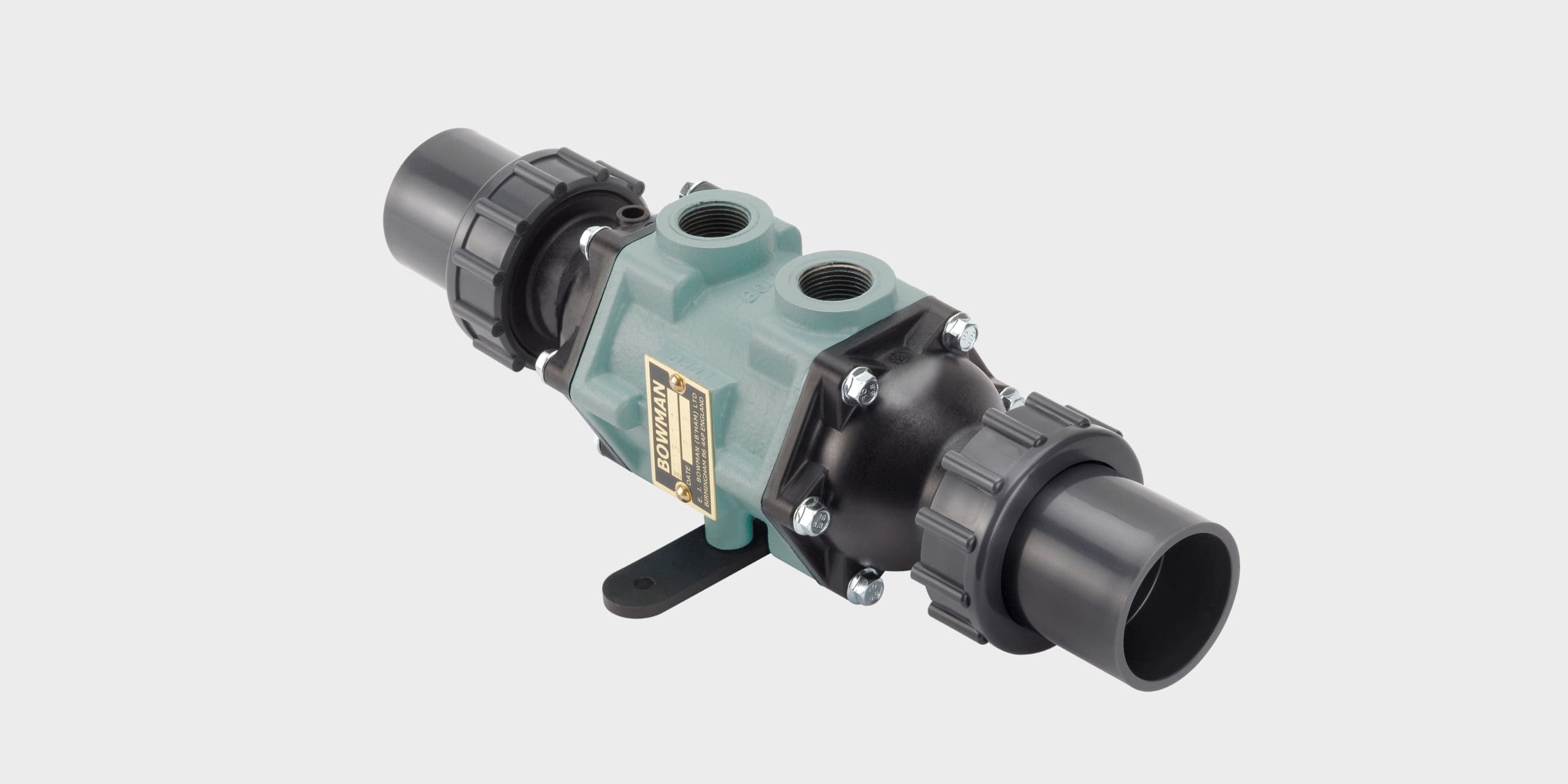
      • Hot Tub Heat Exchangers
        • Hot Tub Heat Exchangers

          Bowman EC 80-5113-1T heat exchangers provide a new solution for heating spas and hot tubs in just a fraction of the time taken by traditional electric heaters.
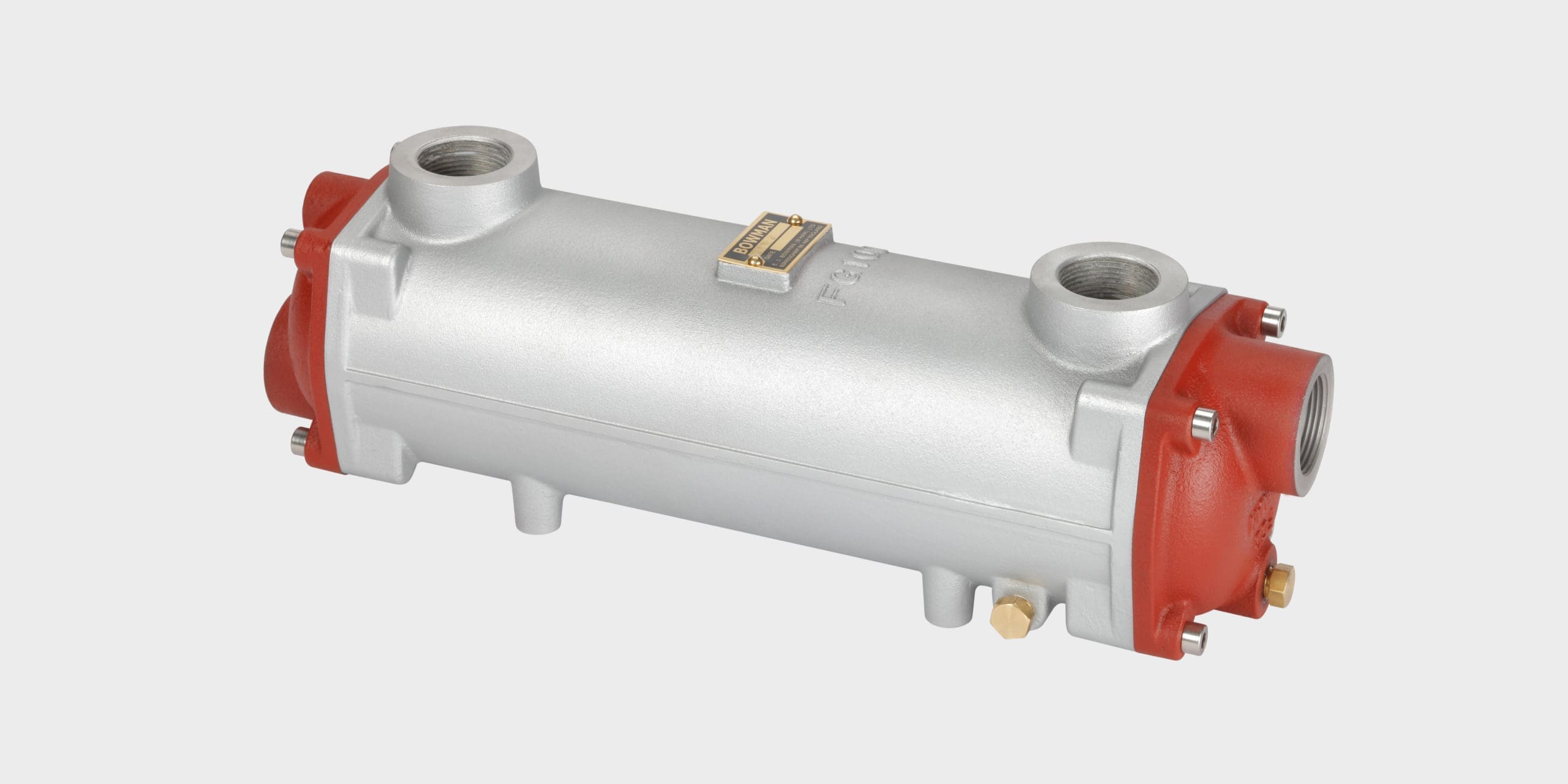
      • Hydraulic Oil Coolers
        • Hydraulic Oil Coolers

          Highly efficient heat transfer solutions for cooling marine, land-based and underground hydraulic systems.

      • Inline Plate Type Heat Exchangers
        • Inline Plate Type Heat Exchangers

          Bowman inline plate heat exchangers are a compact, economical solution for high efficiency heat transfer.

      • Marine Engine Coolers
        • Marine Engine Coolers

          Bespoke cooling solutions for a range of popular marine engines from major OEMs, including coolant heat exchangers, charge air coolers, plus combined heat exchangers and exhaust manifolds, suitable for cooling marine engines up to 1 MW.
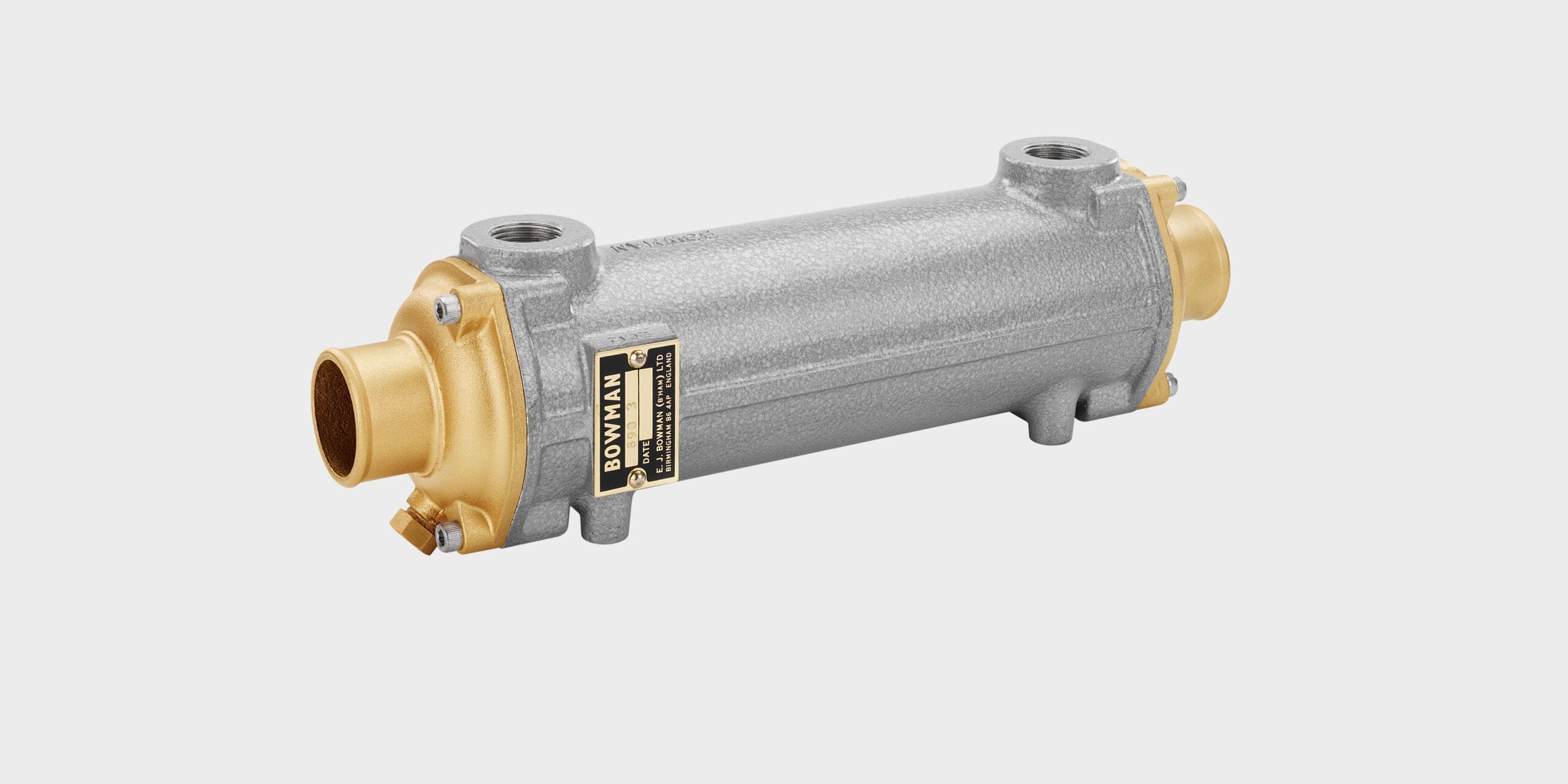
      • Marine Transmission Oil Coolers
        • Marine Transmission Oil Coolers

          Bowman has a range of highly efficient oil coolers designed for marine and industrial engines and transmissions.
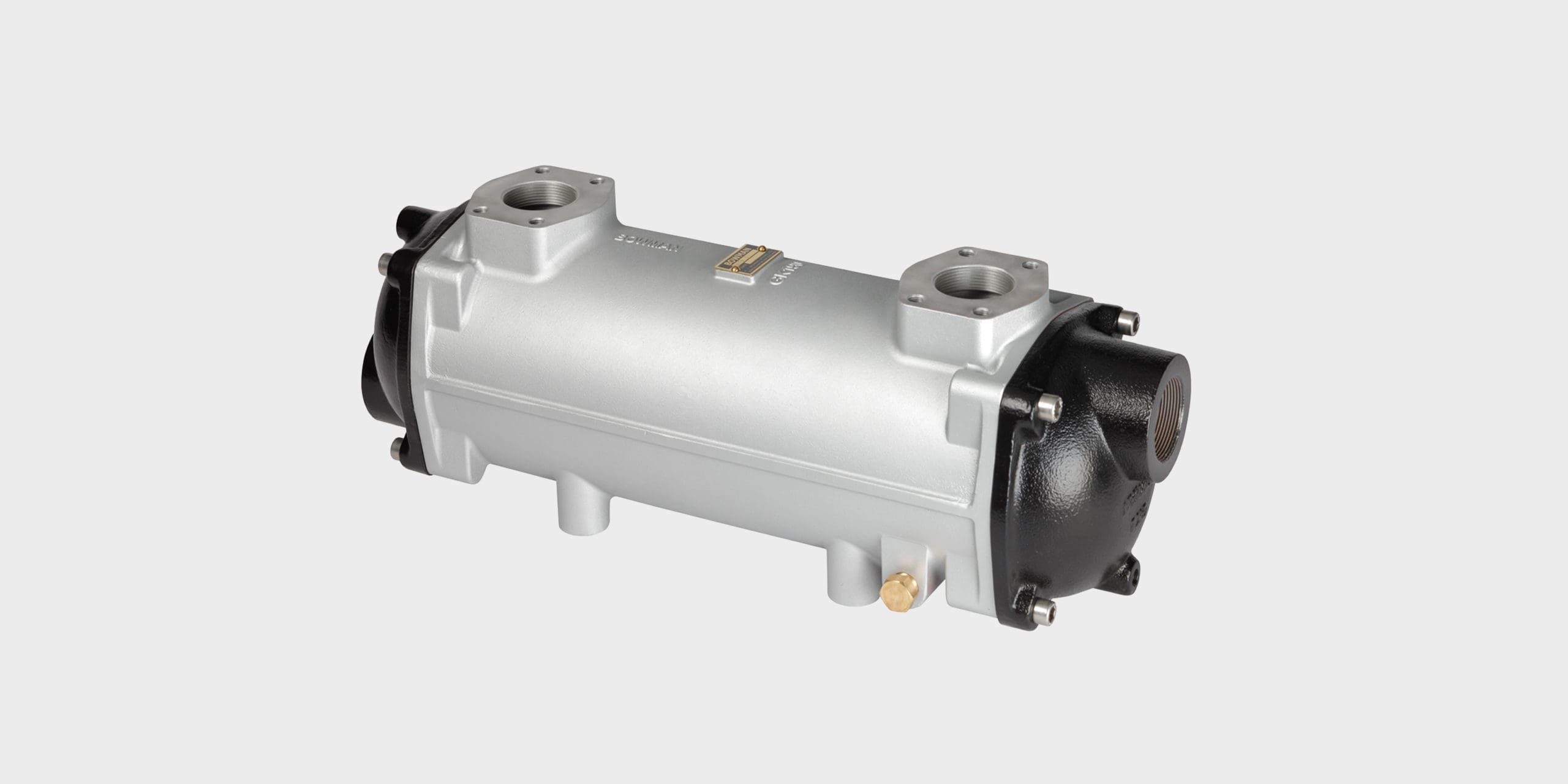
      • Electric and Hybrid Coolers
        • Electric and Hybrid Coolers

          Efficient heat exchangers for cooling electric marine motors, hydrogen fuel cells, battery packs, chargers, AC-DC converters, DC-DC converters, inverters and associated equipment for electric and hybrid marine propulsion and charging systems.
      • Shell and Tube Heat Exchangers
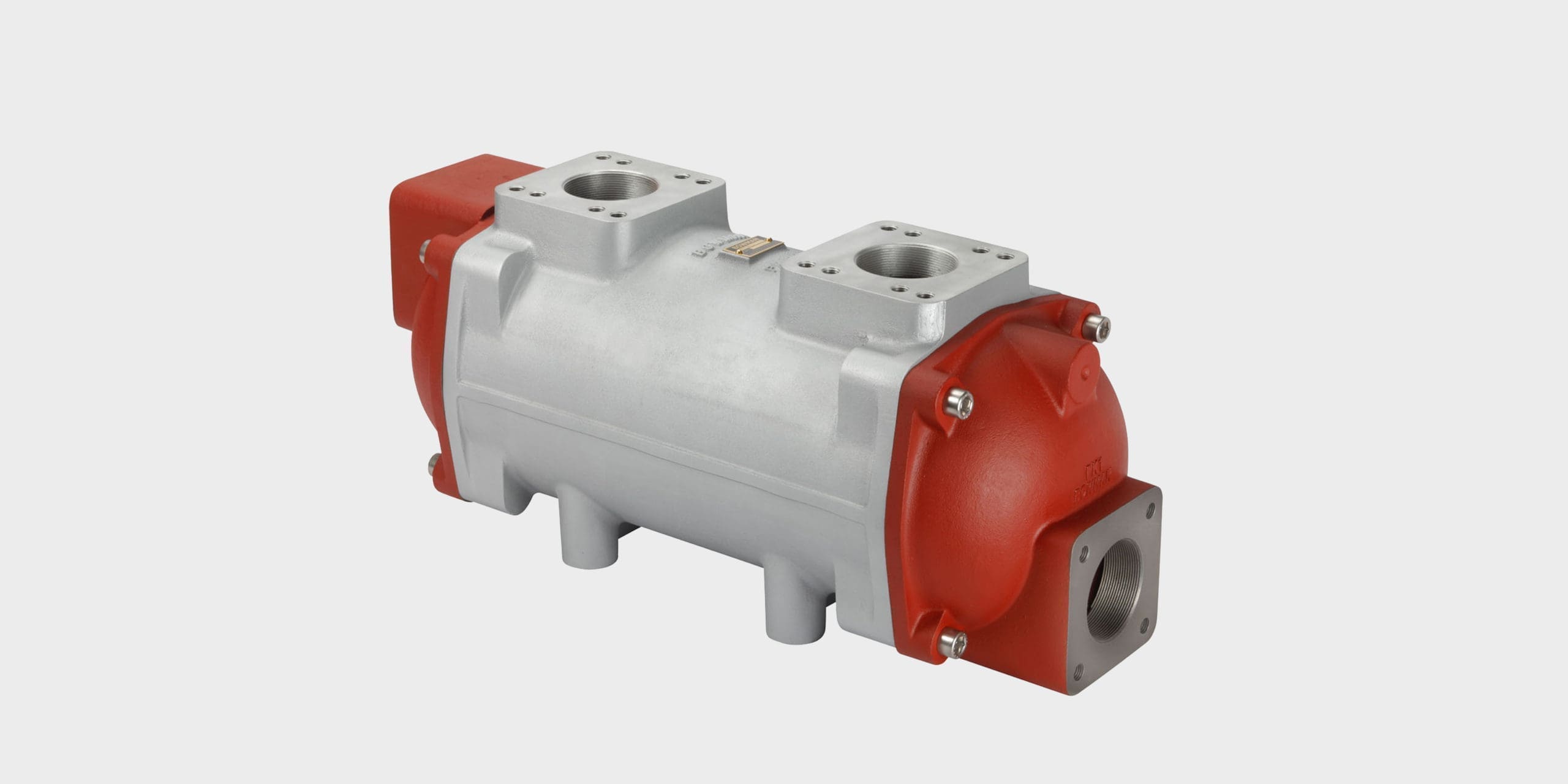
        • Shell and Tube Heat Exchangers

          Highly efficient heat transfer solutions for cooling a variety of applications where air and fluids need to be cooled by fluids.
      • Stainless Steel Heat Exchangers
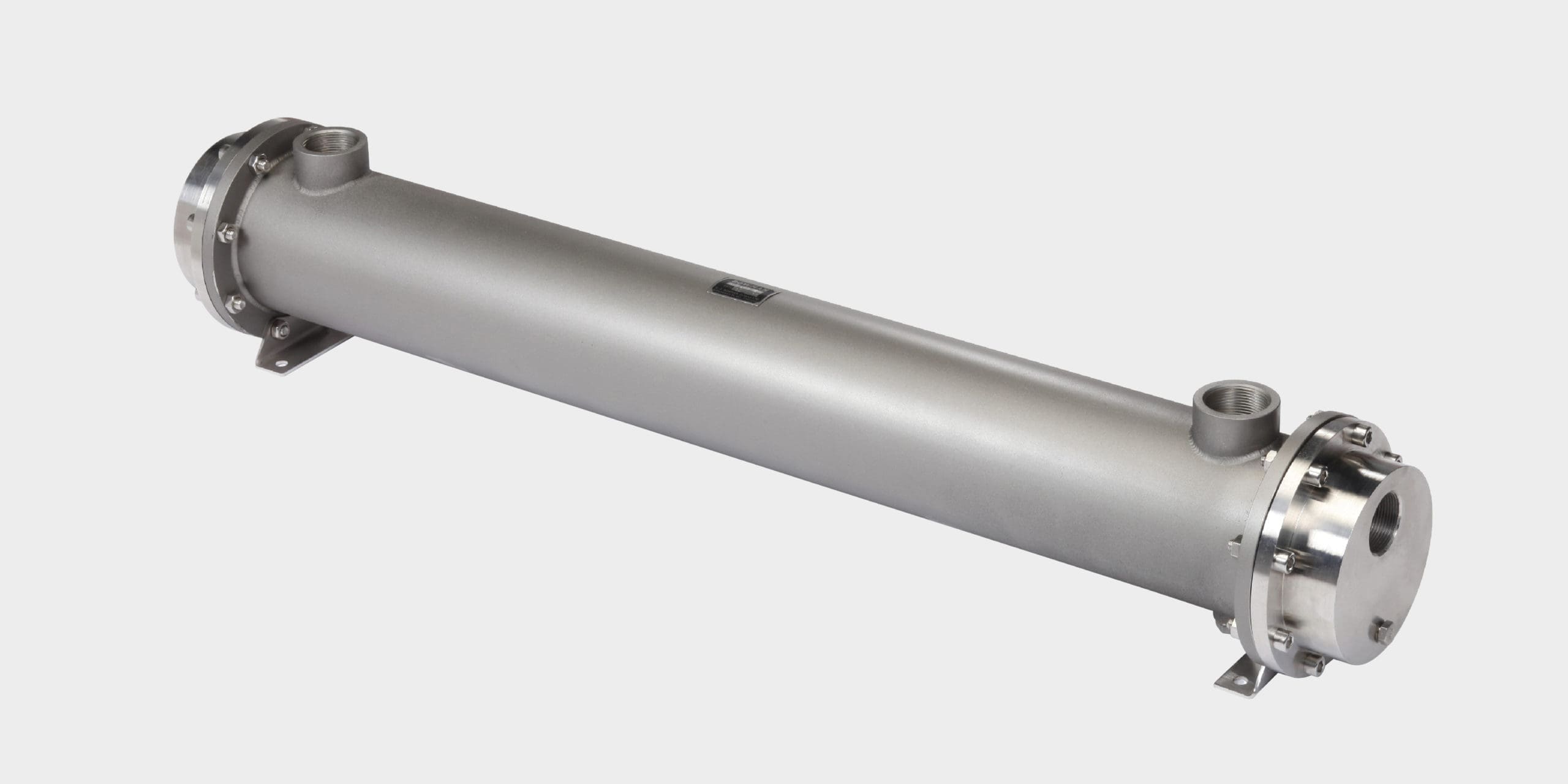
        • Stainless Steel Heat Exchangers

          Many applications require stainless steel shell and tube heat exchangers and Bowman provide a standard range of units that are suitable for cooling or heating a variety of fluids.
      • Swimming Pool Heat Exchangers
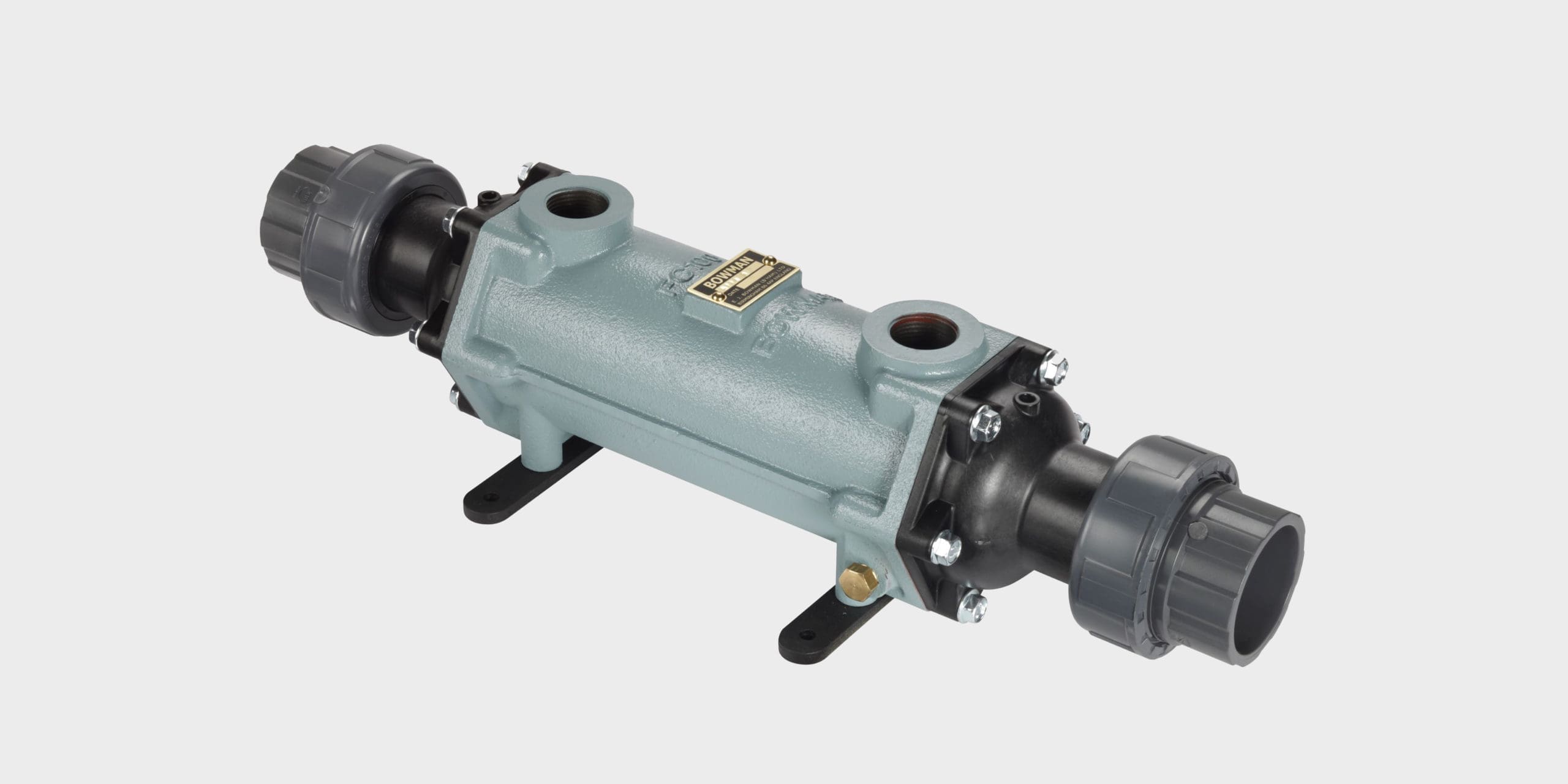
        • Swimming Pool Heat Exchangers

          Bowman swimming pool heat exchangers are renowned for reliability and efficiency. Whether heating your pool with a traditional boiler or a renewable energy source, Bowman is the obvious choice.

    • All Applications

      • Automotive Testing
        • Automotive Testing

          Premium quality heat exchangers and oil coolers for precise temperature control of engines under test cell development conditions.

      • CHP / Co-Generation
        • CHP / Co-Generation

          Recovering waste heat energy from engine powered generating sets for biogas, diesel and natural gas applications up to 1 MW.
      • Engine Cooling Solutions
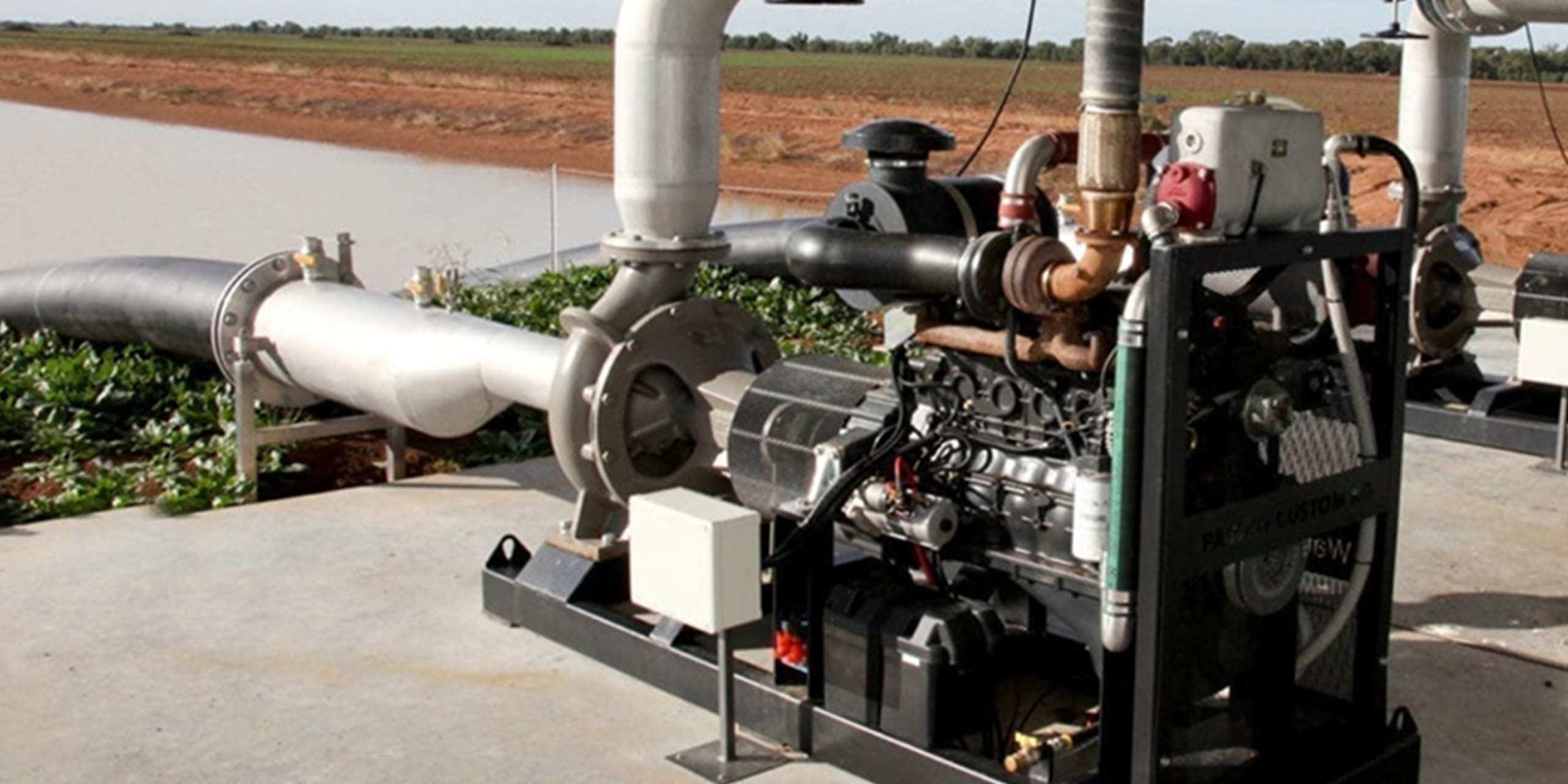
        • Engine Cooling Solutions

          Efficient cooling for stationary / land-based engines where air cooling is either unavailable or inappropriate.
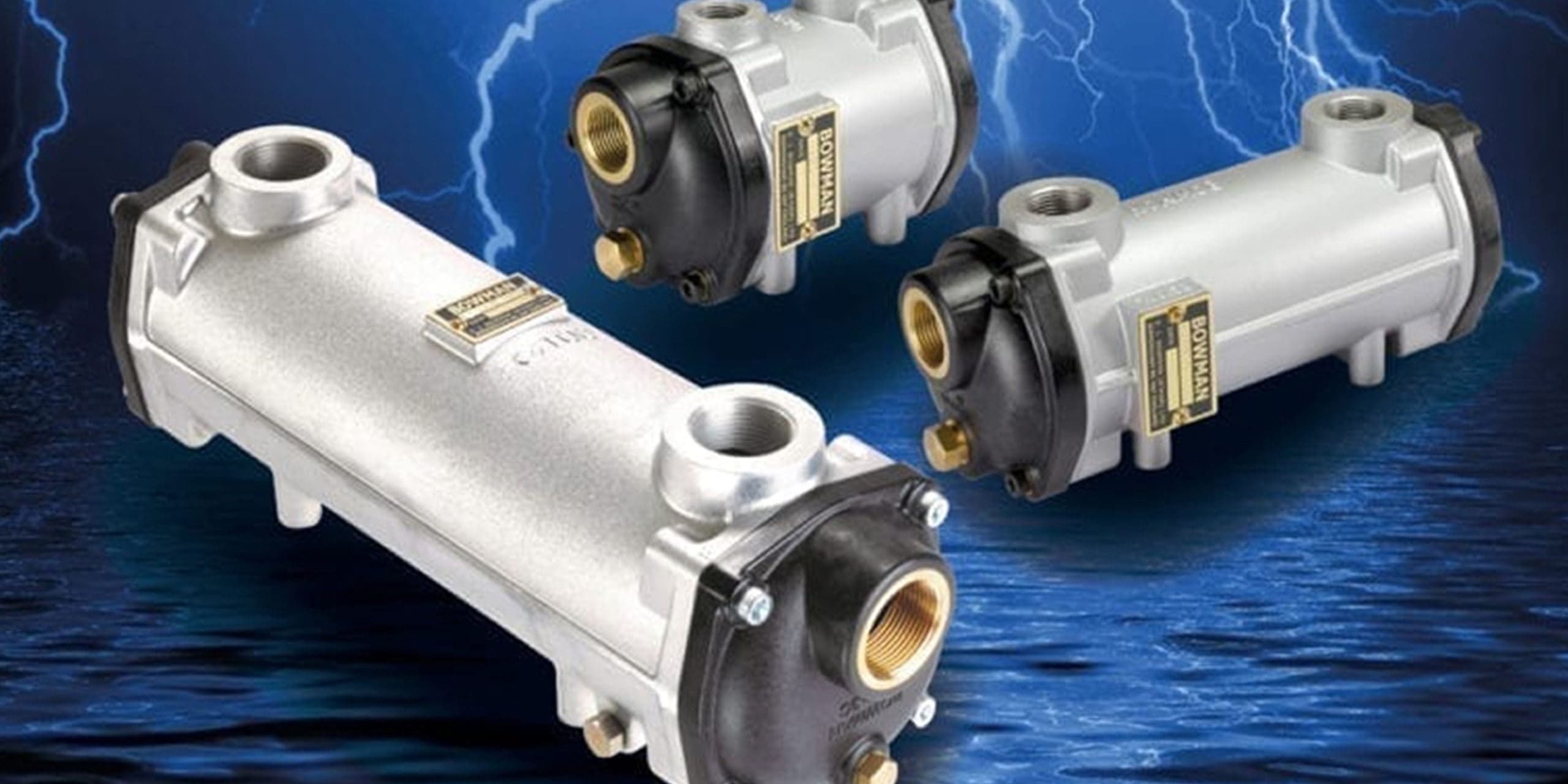
      • Electric & Hybrid Marine
        • Electric & Hybrid Marine

          The reliable solution for cooling Electric & Hybrid Marine Propulsion Systems.
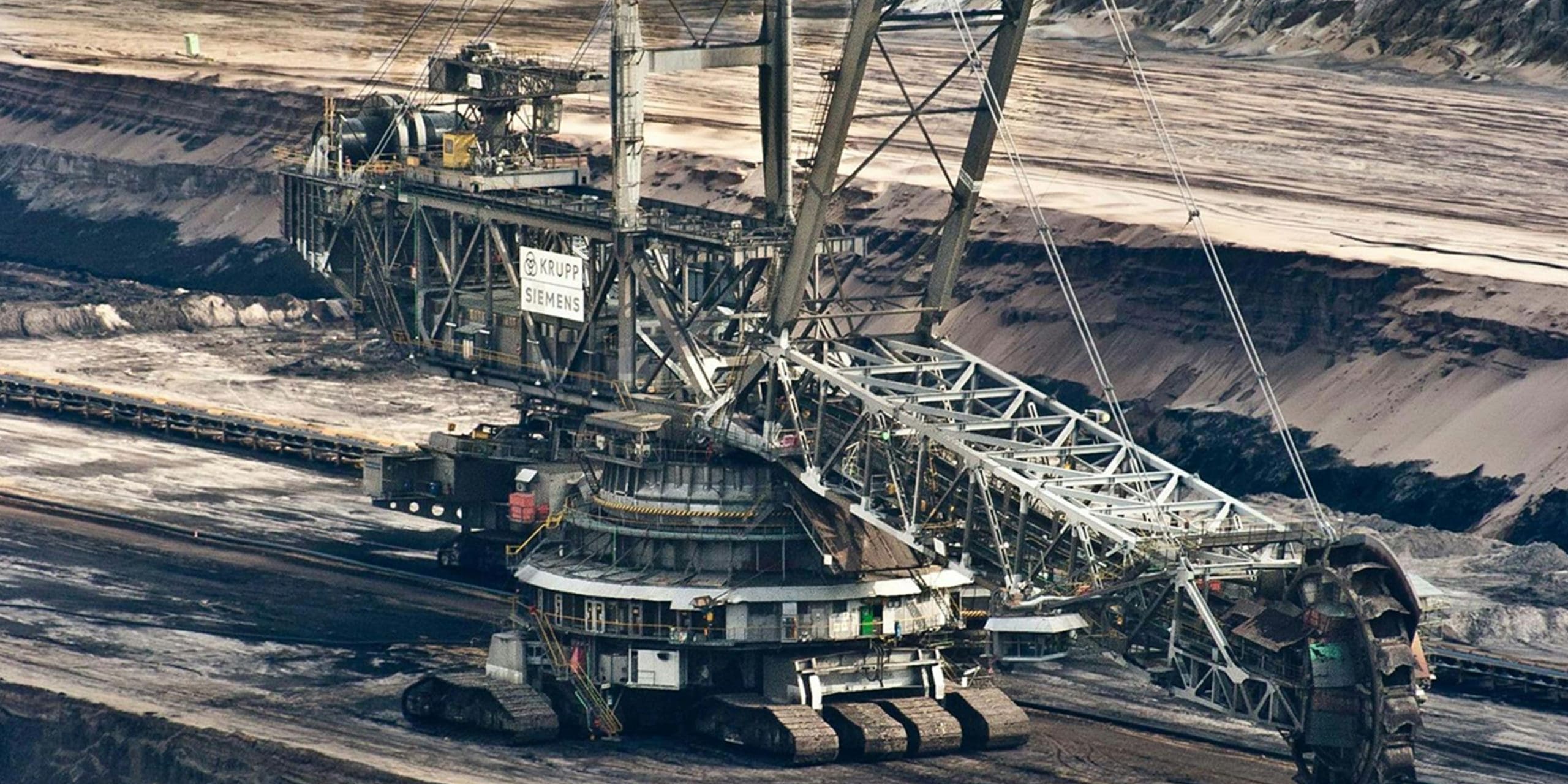
      • Industrial Hydraulics
        • Industrial Hydraulics

          A comprehensive oil cooling solution for industrial hydraulic control systems, plus high temperature and mining applications.
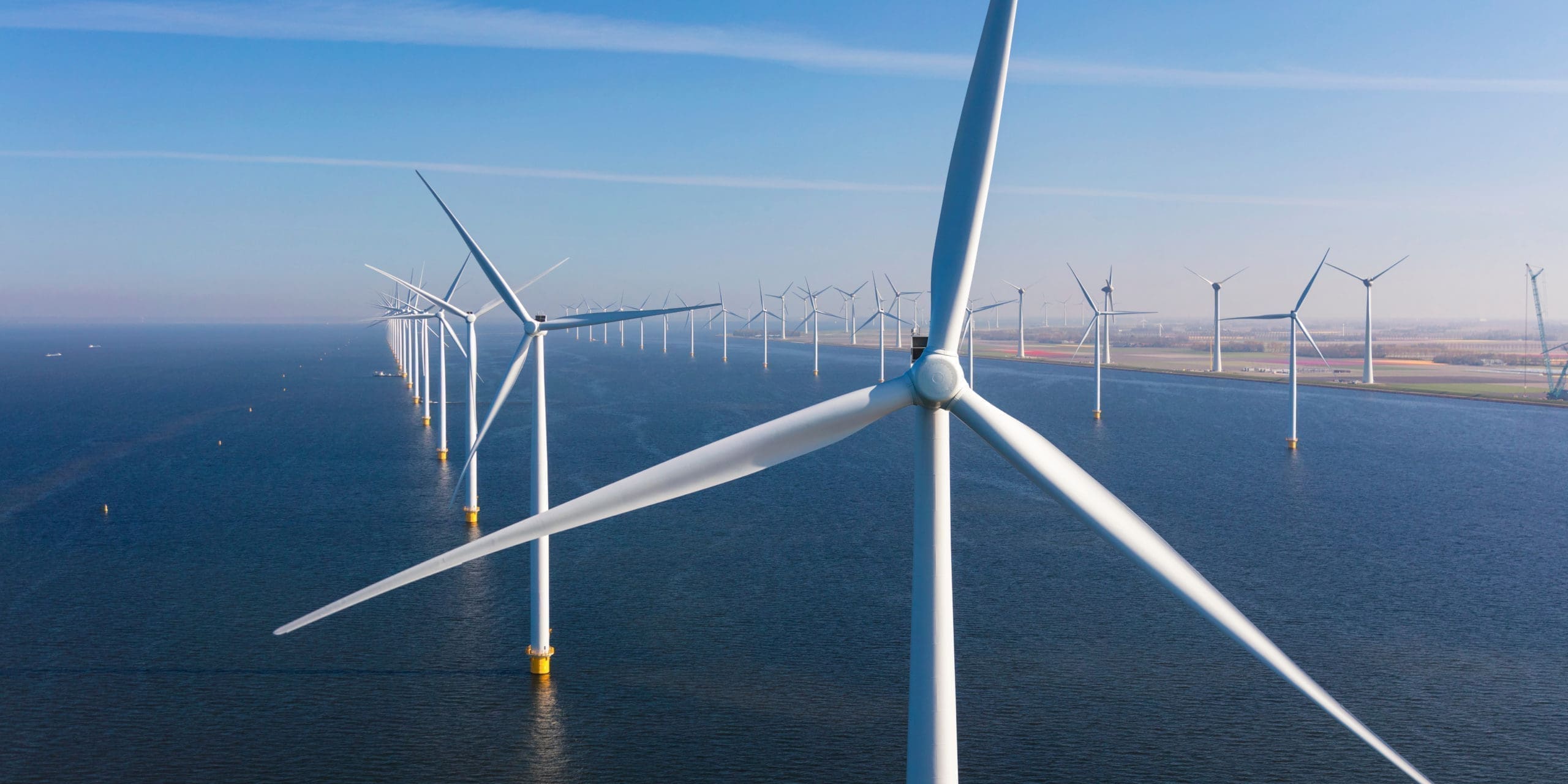
      • Marine Hydraulics
        • Marine Hydraulics

          A complete solution for cooling complex on-board hydraulic equipment, including thruster and stabiliser systems.

      • Marine Propulsion
        • Marine Propulsion

          The complete cooling solution for marine engine propulsion, including the latest electric and hybrid systems.
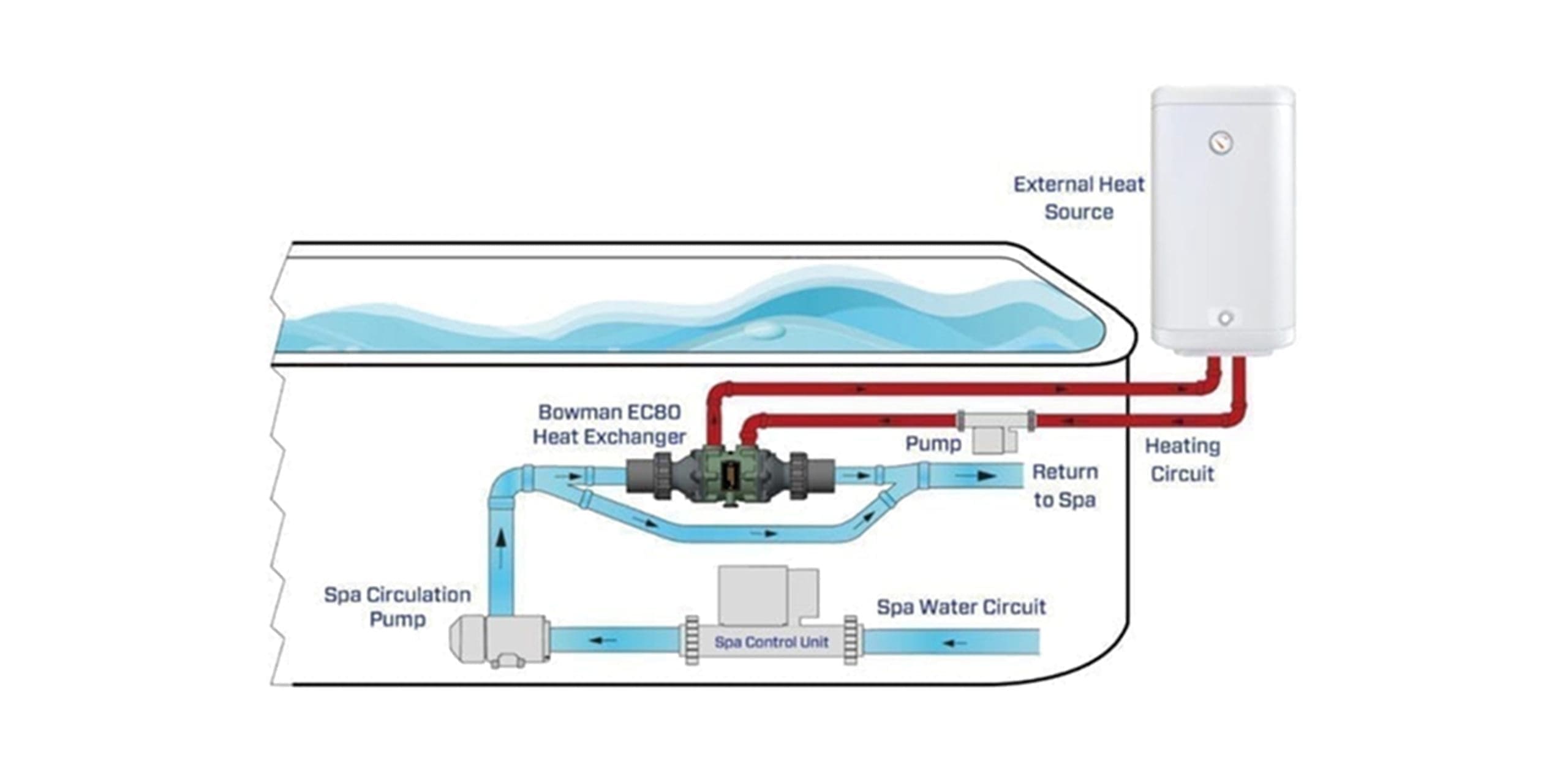
      • Hot Tubs / Spas
        • Hot Tubs / Spas

          An energy efficient solution for heating hot tubs and swim spas faster, significantly reducing heat-up time for guest change-over periods.

      • Swimming Pool
        • Swimming Pool

          Quality heat exchangers for efficient swimming pool heating, using boiler or renewable energy heat sources.
  • Distributors
  • News
  • Knowledge Centre
  • Downloads
  • About Us
  • Contact Us

CHP vs traditional generators: Efficiency and payback

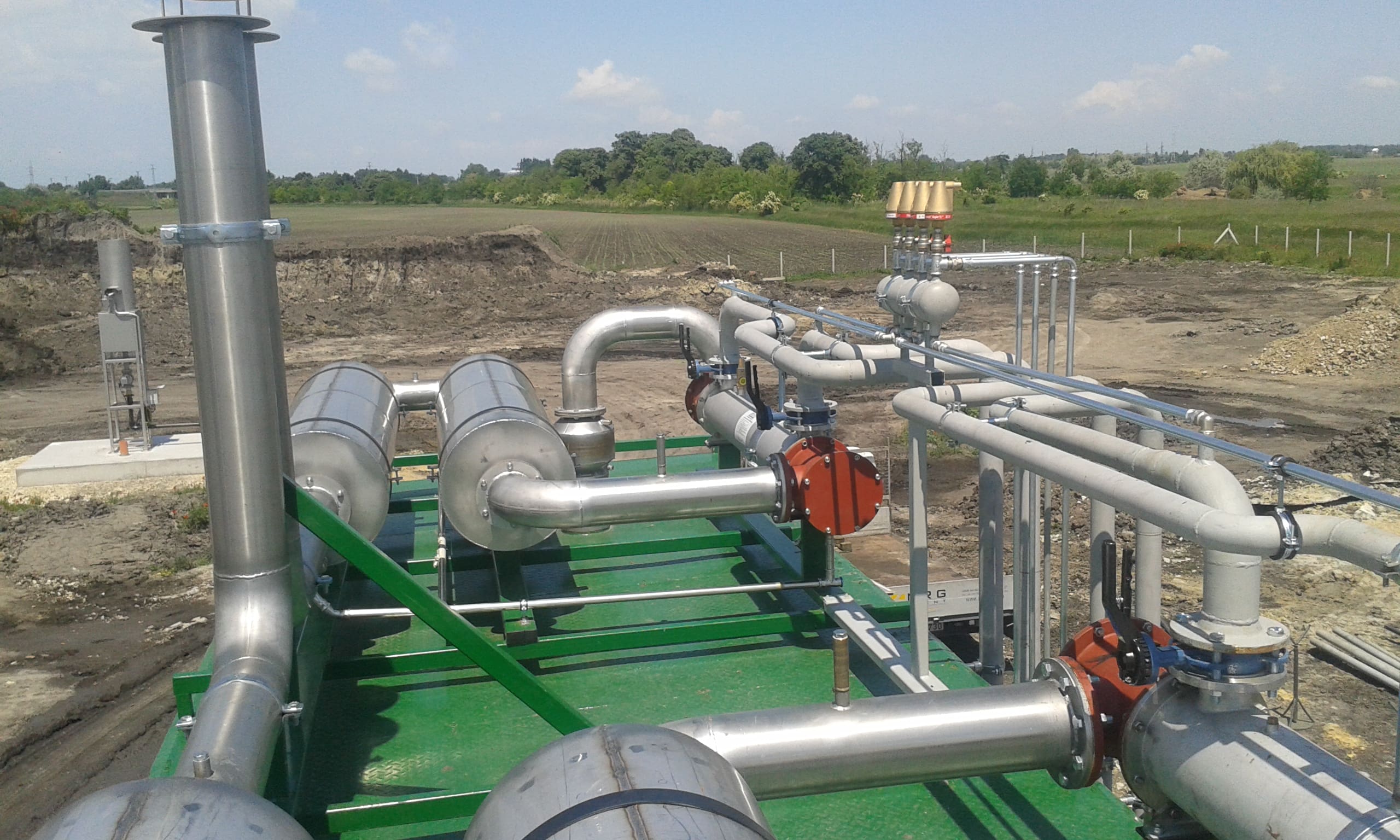
CHP recovers engine-driven generator waste heat to improve overall efficiency and reduce payback compared to standard power-only generators. CHP better utilises fuel consumption, which would otherwise be lost to the atmosphere, by more than doubling the efficiency of generators (approximately 30% to in excess of 80%) by capturing thermal energy and turning a generator into a combined heat and power plant.


CHP compared to conventional generators

The efficiency of traditional generators is usually lower; only approximately 30% of the energy from the fuel is converted into electricity, with the rest wasted as heat in the exhaust system and the engine cooling system. Around 50% of this fuel input is recovered as useful heat in CHP systems and the recaptured heat may be reused for district heating, hot water, space heating, process heating, further power generation, or absorption chiller cooling, making a single gen-set a multi-output energy source.


The sources of CHP efficiency

The largest single system is typically exhaust gas heat recovery, which captures approximately 55% of the engine’s waste heat and transfers it to a water system for practical use. The engine jacket water (approximately 24%), the intercooled charge air (approximately 12%), and the lubrication system (approximately 9%) can further be used to recover additional energy through heat exchangers specific to each flow. When these components are combined properly, total CHP efficiencies of more than 80% can be achieved, compared to the 30% electrical efficiency of a conventional generator.


Payback potential of CHP vs generators

Since the recovered heat requires no additional fuel, the CHP can easily be used to provide a low-cost heat source that can reduce site heating and process energy bills by a large margin throughout the life of the installation. In continuously operated or heat demand applications, like industrial plants, district heating networks, or large commercial sites, the value of this free heat reduces payback times and improves payback on investment. Vital shell and tube heat exchangers, specifically designed to operate in engine-driven gen-sets, help ensure long life and reliable operation, helping operators save over time.


CHP is especially useful in the following applications

Gen-sets equipped with CHP are especially appealing in cases where both electricity and hot water or space heating are required simultaneously, such as residential and commercial developments, off-grid facilities and most industrial processes. Other, more specialised applications of CHP heat recovery include research stations in inhospitable climates, grain drying plants, and recreational amenities, which have used it to reduce fuel consumption and enhance energy security. To upgrade an existing gen-set to a high-efficiency combined heat and power solution while leaving the engine alone, exhaust, jacket water, charge air, and oil coolers may be added to an existing power-only generator.


Share

CHP vs traditional generators: Efficiency and payback

CHP recovers engine-driven generator waste heat to improve overall efficiency and reduce payback compared to standard power-only generators. CHP better utilises fuel consumption, which would otherwise be lost to the atmosphere, by more than doubling the efficiency of generators (approximately 30% to in excess of 80%) by capturing thermal energy and turning a generator into a combined heat and power plant.


CHP compared to conventional generators

The efficiency of traditional generators is usually lower; only approximately 30% of the energy from the fuel is converted into electricity, with the rest wasted as heat in the exhaust system and the engine cooling system. Around 50% of this fuel input is recovered as useful heat in CHP systems and the recaptured heat may be reused for district heating, hot water, space heating, process heating, further power generation, or absorption chiller cooling, making a single gen-set a multi-output energy source.


The sources of CHP efficiency

The largest single system is typically exhaust gas heat recovery, which captures approximately 55% of the engine’s waste heat and transfers it to a water system for practical use. The engine jacket water (approximately 24%), the intercooled charge air (approximately 12%), and the lubrication system (approximately 9%) can further be used to recover additional energy through heat exchangers specific to each flow. When these components are combined properly, total CHP efficiencies of more than 80% can be achieved, compared to the 30% electrical efficiency of a conventional generator.


Payback potential of CHP vs generators

Since the recovered heat requires no additional fuel, the CHP can easily be used to provide a low-cost heat source that can reduce site heating and process energy bills by a large margin throughout the life of the installation. In continuously operated or heat demand applications, like industrial plants, district heating networks, or large commercial sites, the value of this free heat reduces payback times and improves payback on investment. Vital shell and tube heat exchangers, specifically designed to operate in engine-driven gen-sets, help ensure long life and reliable operation, helping operators save over time.


CHP is especially useful in the following applications

Gen-sets equipped with CHP are especially appealing in cases where both electricity and hot water or space heating are required simultaneously, such as residential and commercial developments, off-grid facilities and most industrial processes. Other, more specialised applications of CHP heat recovery include research stations in inhospitable climates, grain drying plants, and recreational amenities, which have used it to reduce fuel consumption and enhance energy security. To upgrade an existing gen-set to a high-efficiency combined heat and power solution while leaving the engine alone, exhaust, jacket water, charge air, and oil coolers may be added to an existing power-only generator.


More News from EJ Bowman

You cannot copy content of this page

This site is registered on wpml.org as a development site. Switch to a production site key to remove this banner.