Rooftop swimming pool heating in Perth, WA
Bowman and Rinnai provide the perfect heating solution for an Australian roof top pool – where winter temperatures can be surprisingly cool!
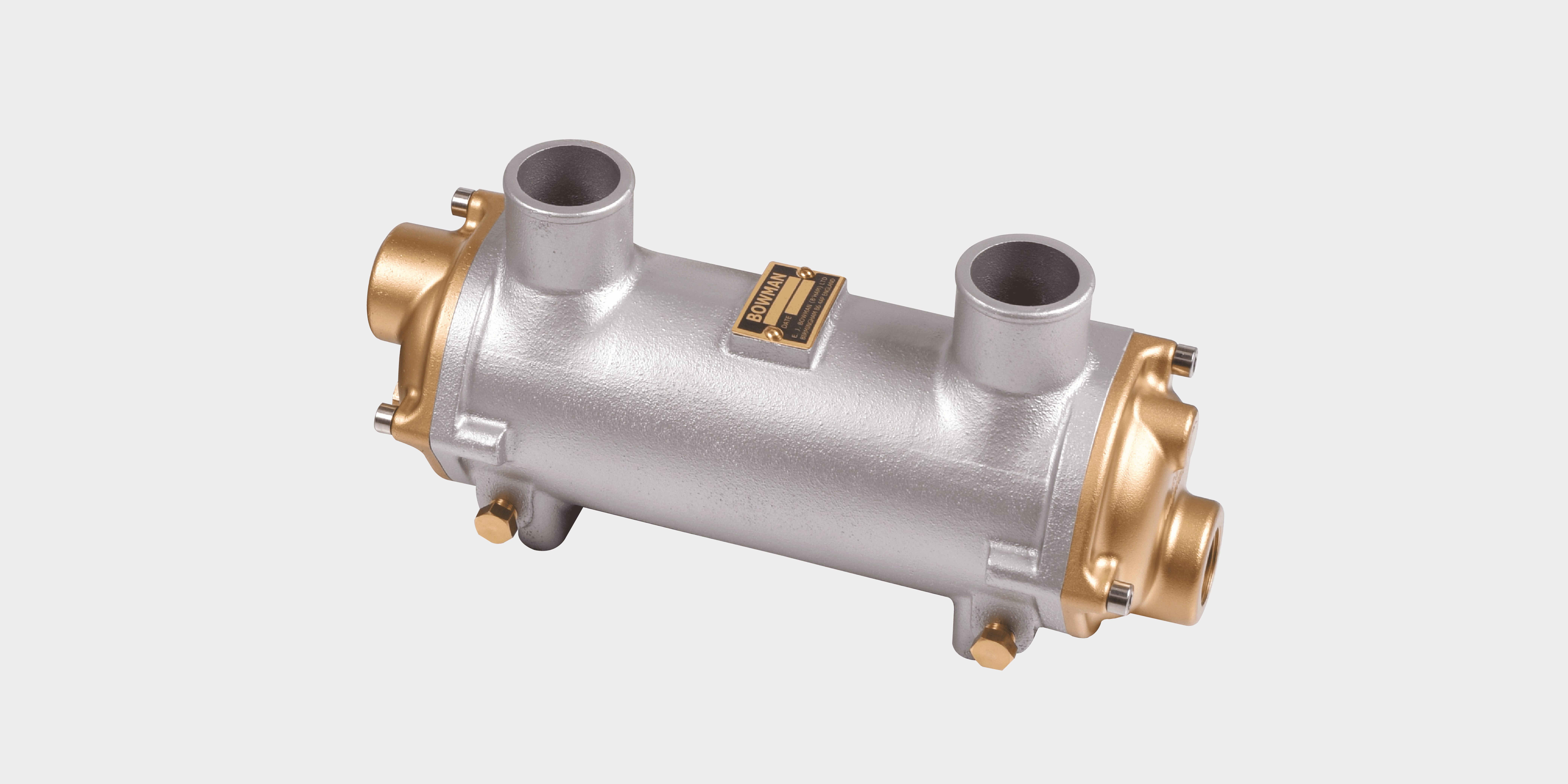
Used to cool the hot, compressed air from the turbo before it reaches the engine, the intercoolers improve engine efficiency and reduce emissions for marine and land-based stationary engines.
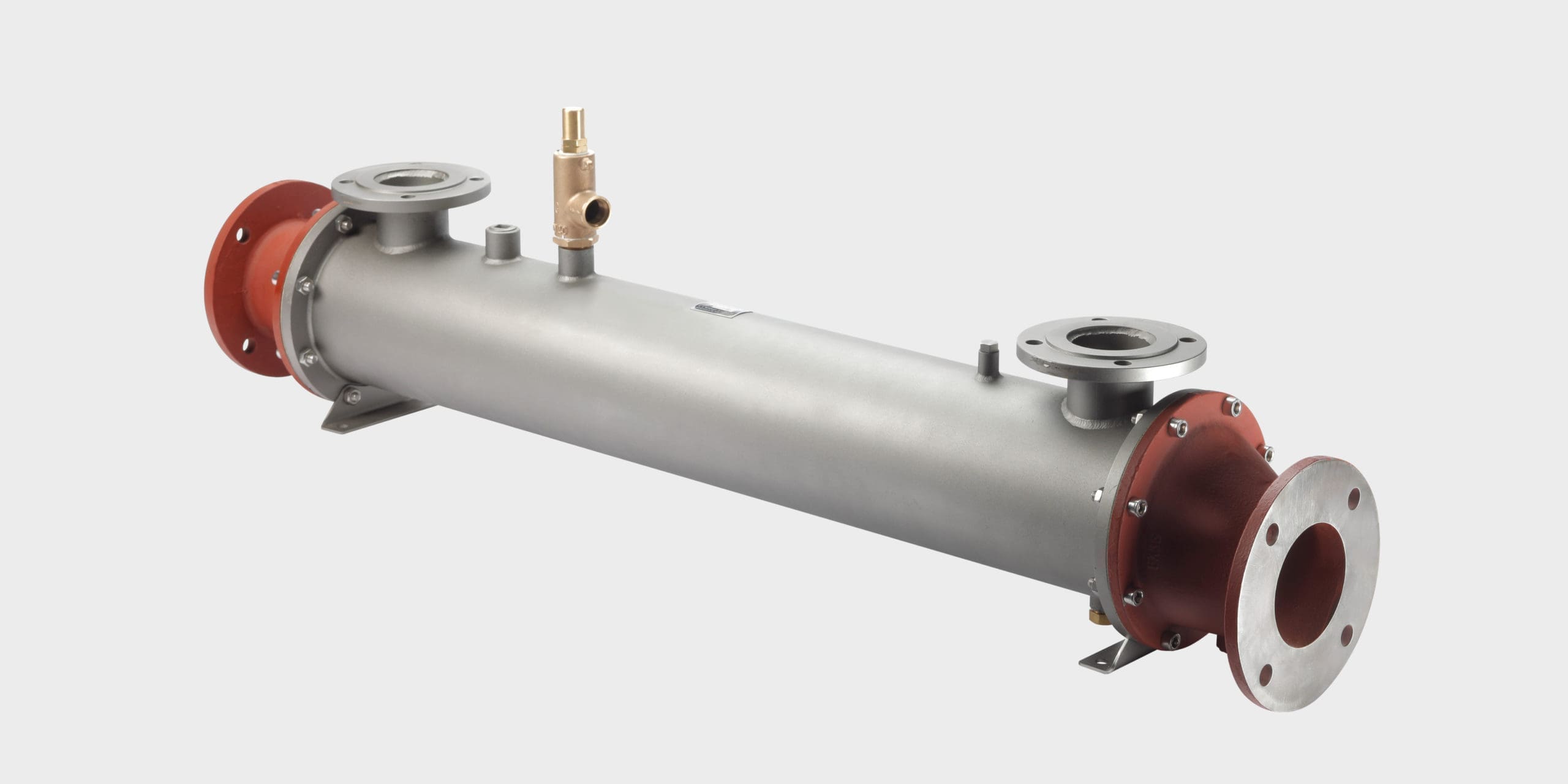
Exhaust gas heat exchangers are designed to recover waste heat energy from the exhaust stream of reciprocating engine powered generating sets.
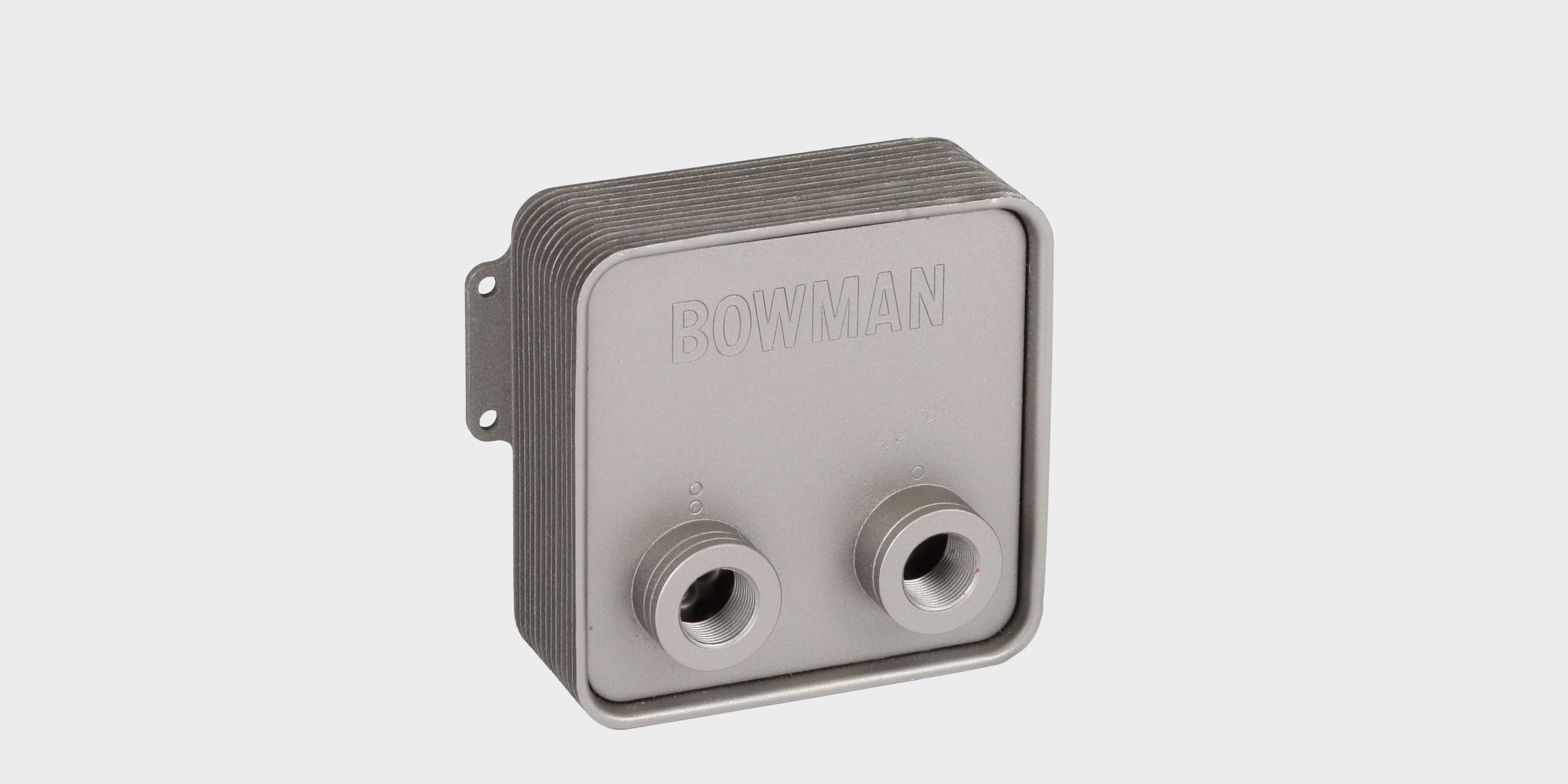
Bowman 'copper free' fuel coolers are compact, highly efficient heat exchangers suitable for fuel conditioning rigs in the automotive testing industry.
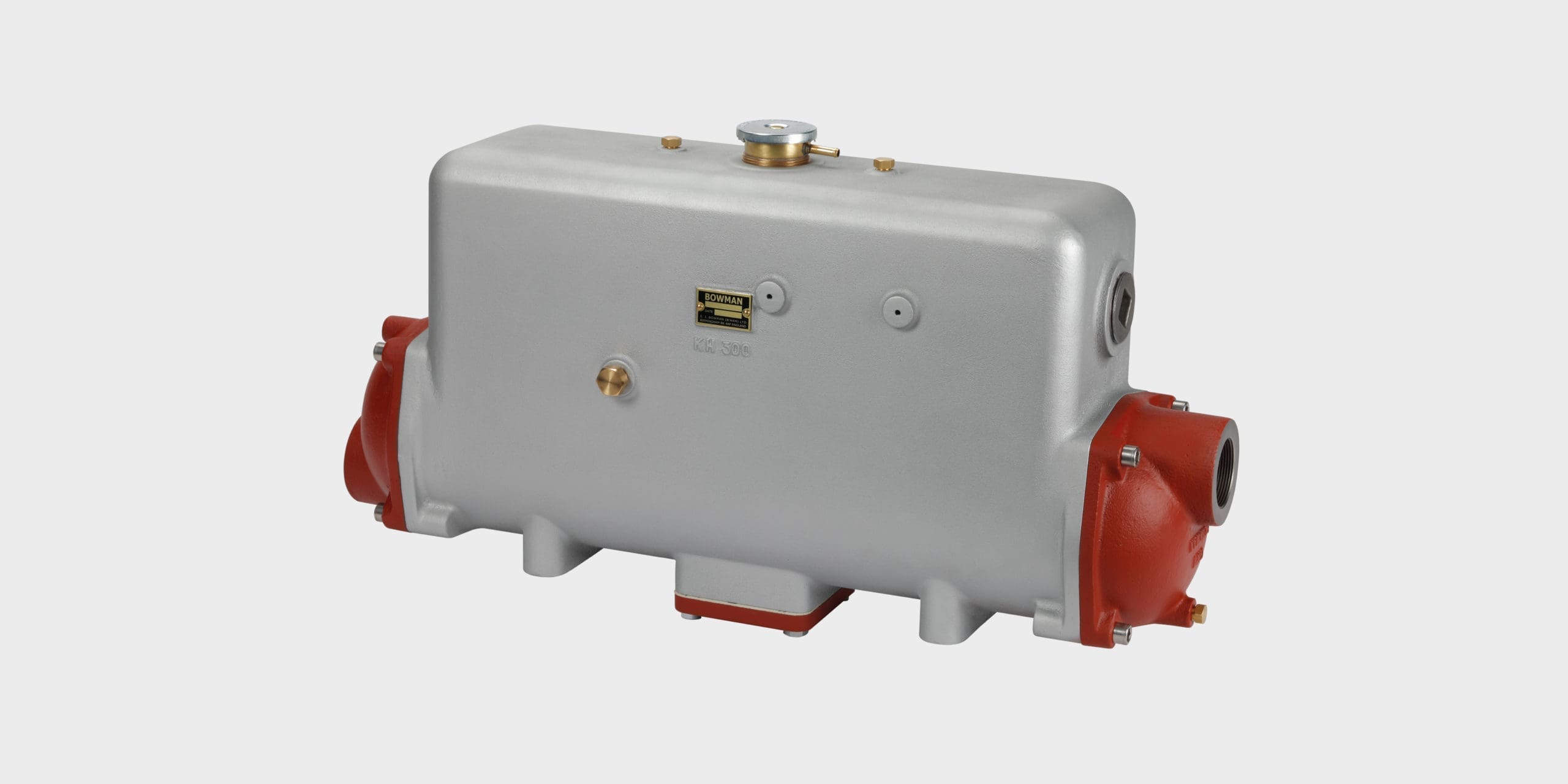
Engine coolant header tank heat exchangers for marine propulsion, gensets or stationary land-based engines.
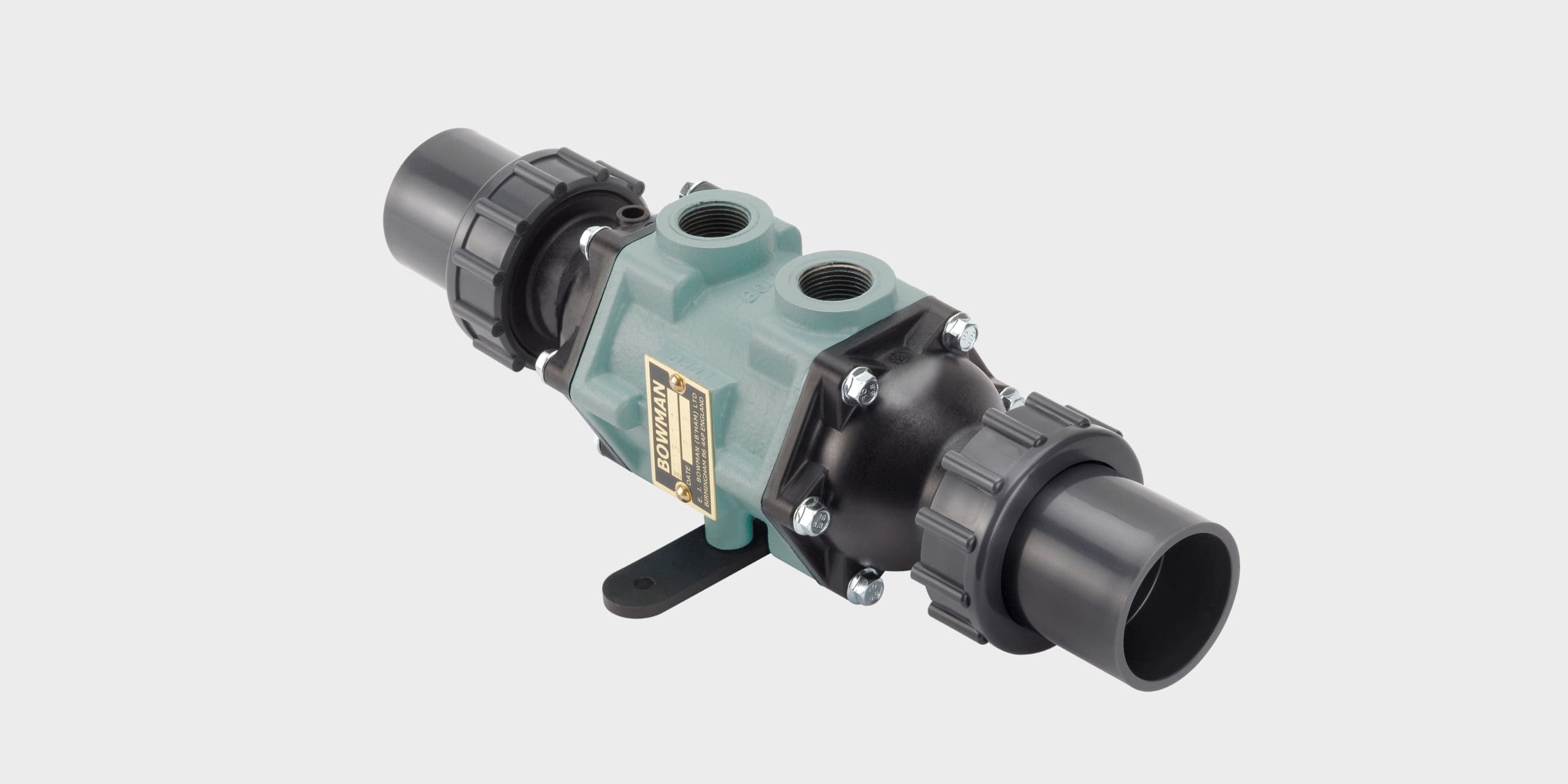
Bowman EC 80-5113-1T heat exchangers provide a new solution for heating spas and hot tubs in just a fraction of the time taken by traditional electric heaters.
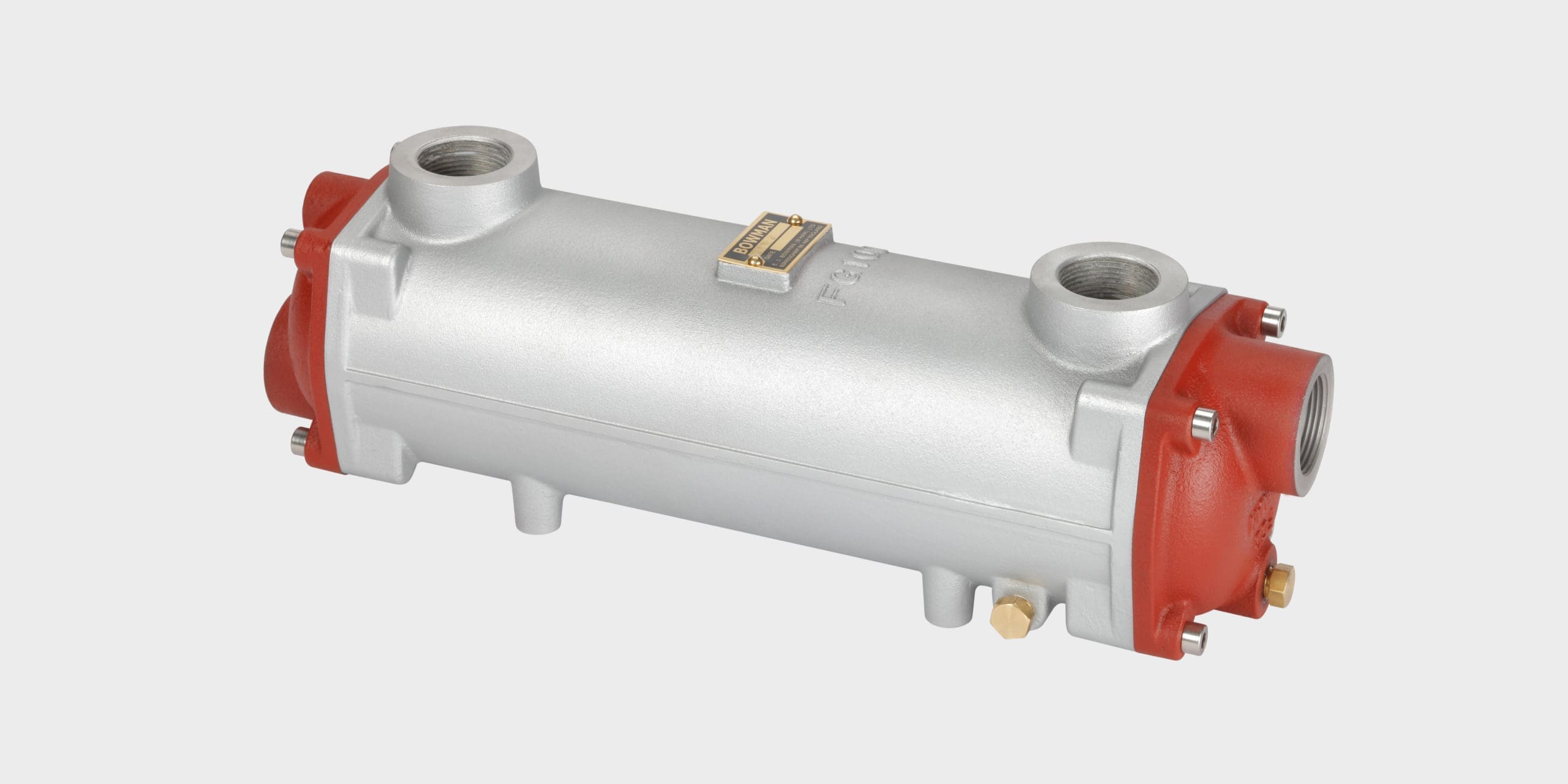
Highly efficient heat transfer solutions for cooling marine, land-based and underground hydraulic systems.
Bowman inline plate heat exchangers are a compact, economical solution for high efficiency heat transfer.
Bespoke cooling solutions for a range of popular marine engines from major OEMs, including coolant heat exchangers, charge air coolers, plus combined heat exchangers and exhaust manifolds, suitable for cooling marine engines up to 1 MW.
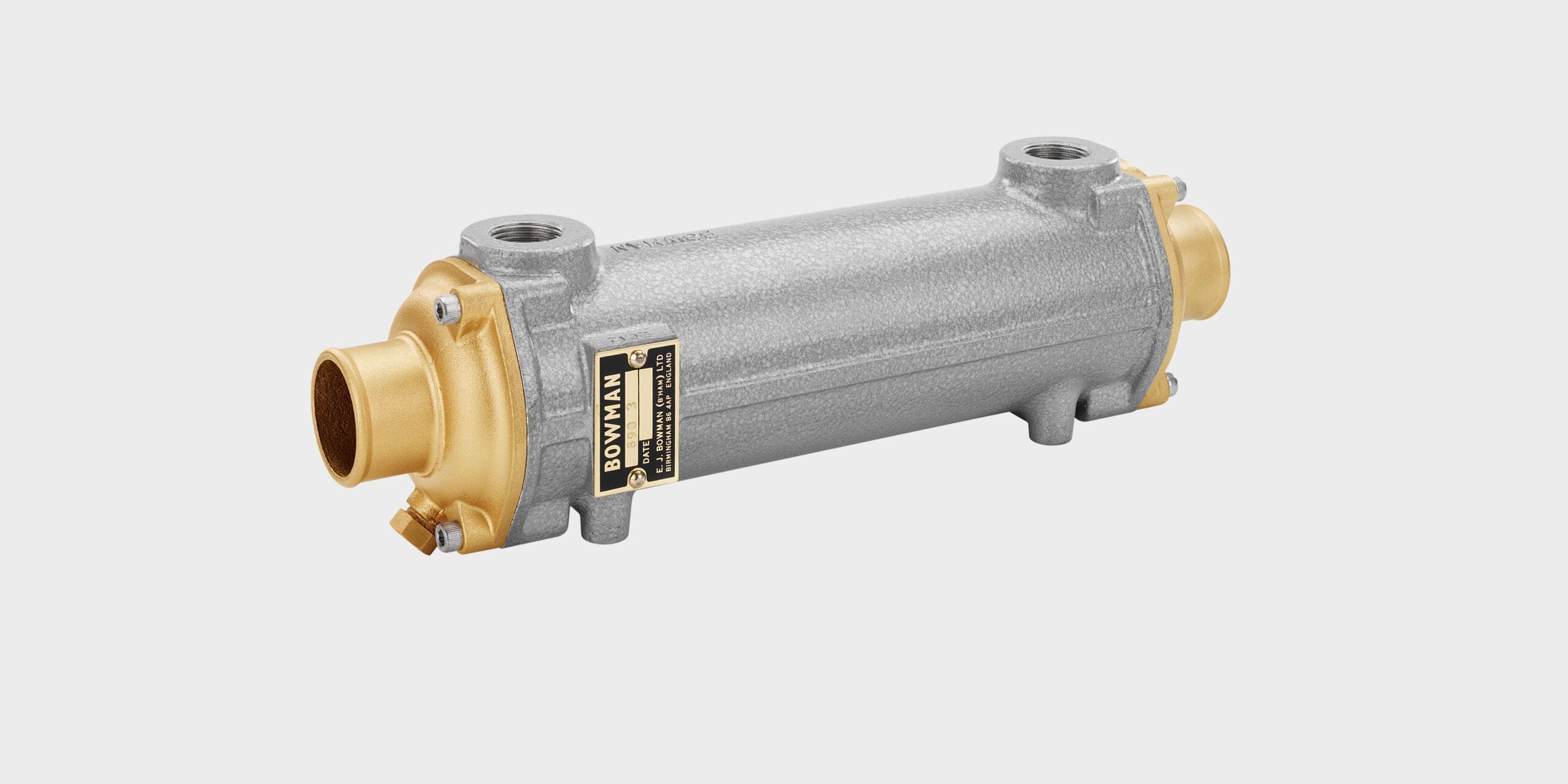
Bowman has a range of highly efficient oil coolers designed for marine and industrial engines and transmissions.
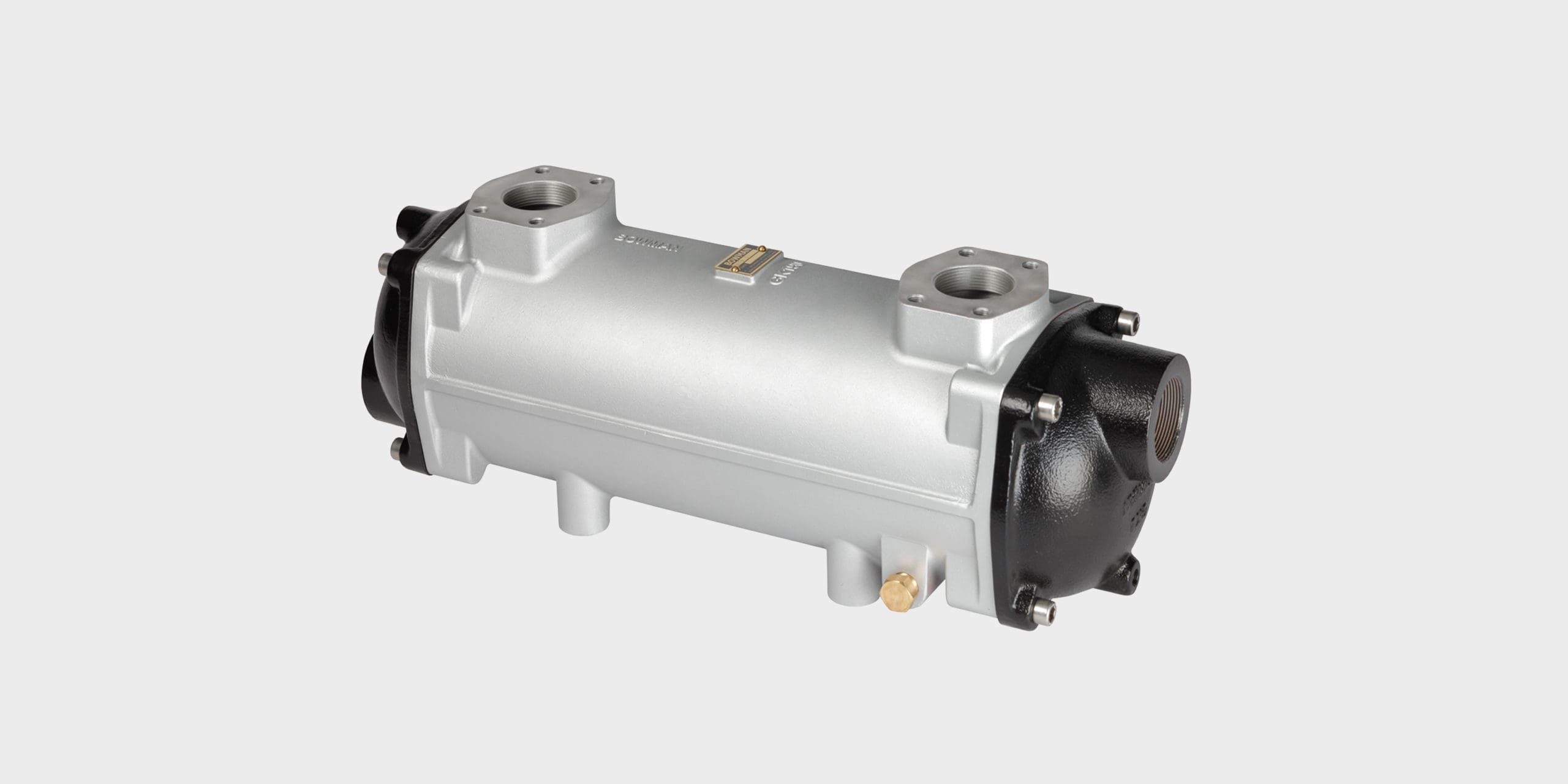
Efficient heat exchangers for cooling electric marine motors, hydrogen fuel cells, battery packs, chargers, AC-DC converters, DC-DC converters, inverters and associated equipment for electric and hybrid marine propulsion and charging systems.
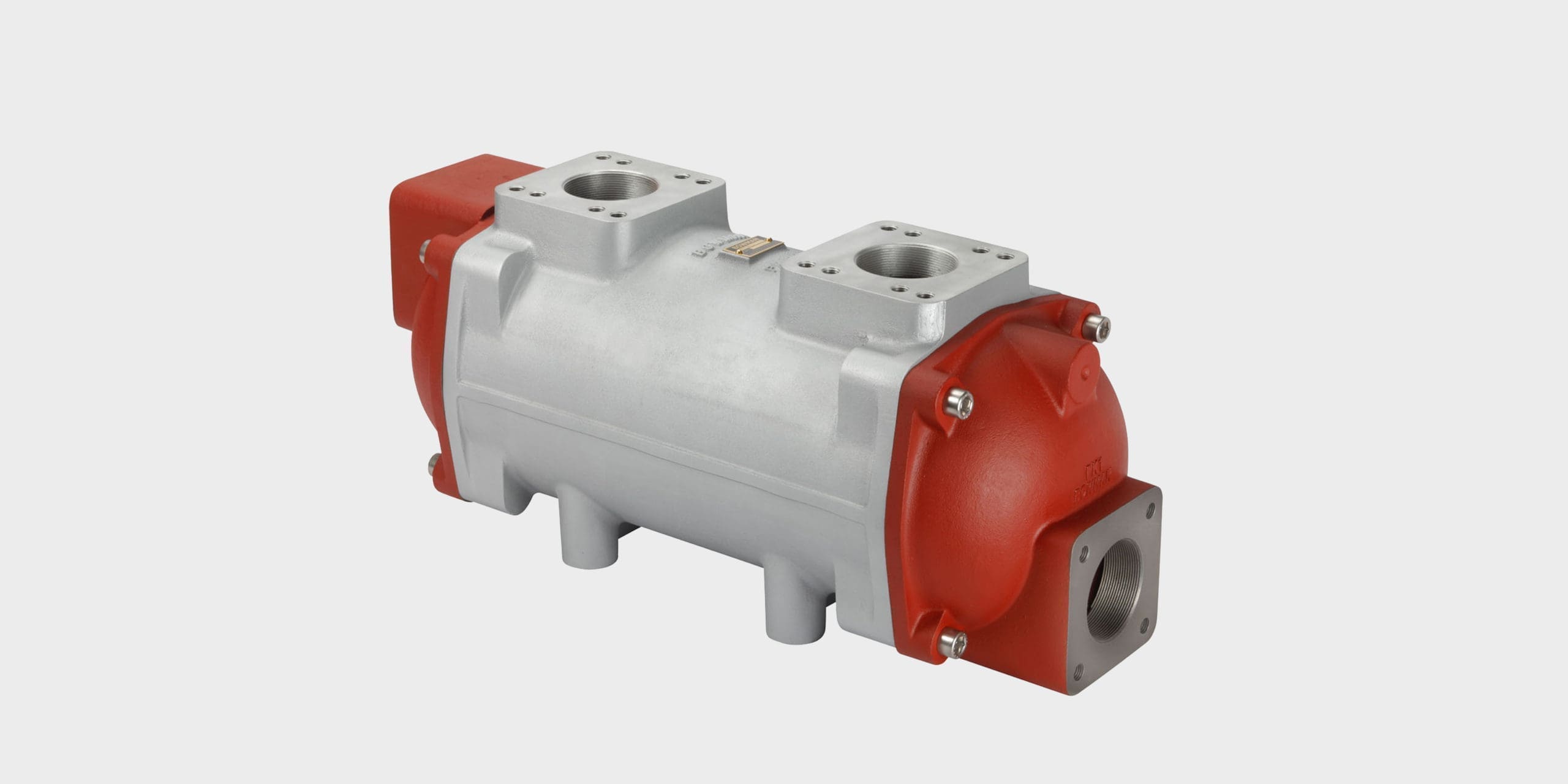
Highly efficient heat transfer solutions for cooling a variety of applications where air and fluids need to be cooled by fluids.
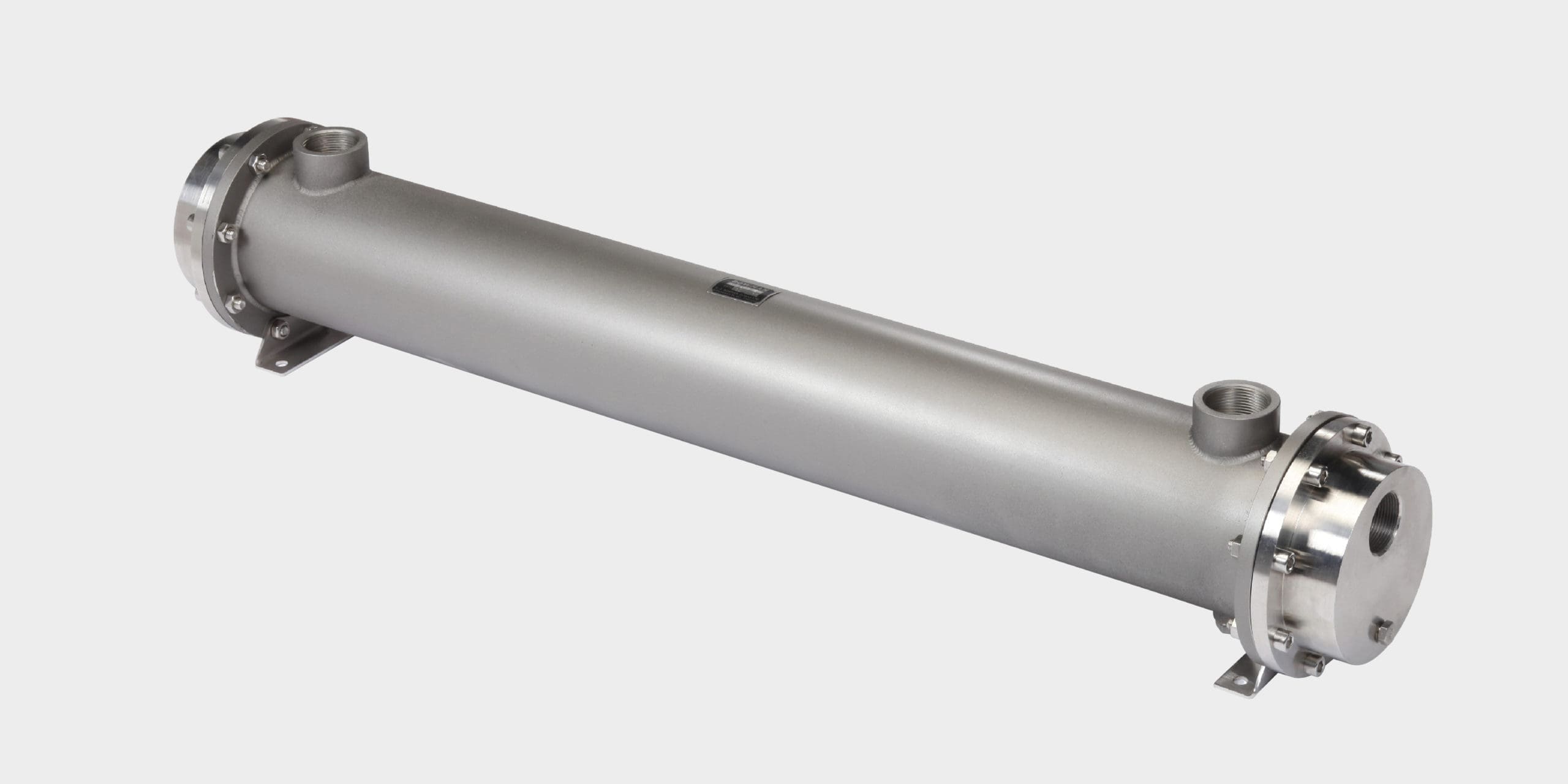
Many applications require stainless steel shell and tube heat exchangers and Bowman provide a standard range of units that are suitable for cooling or heating a variety of fluids.
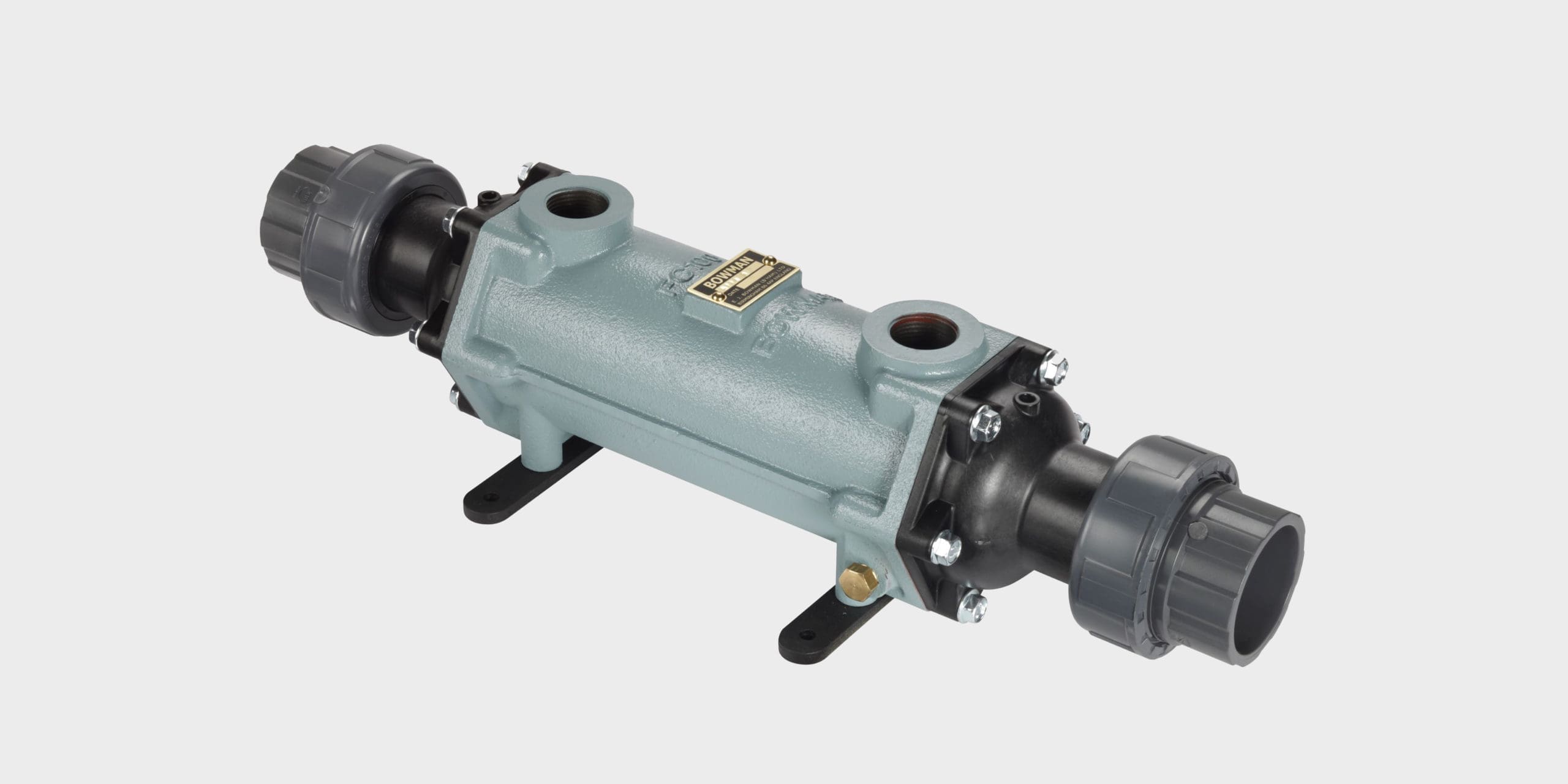
Bowman swimming pool heat exchangers are renowned for reliability and efficiency. Whether heating your pool with a traditional boiler or a renewable energy source, Bowman is the obvious choice.
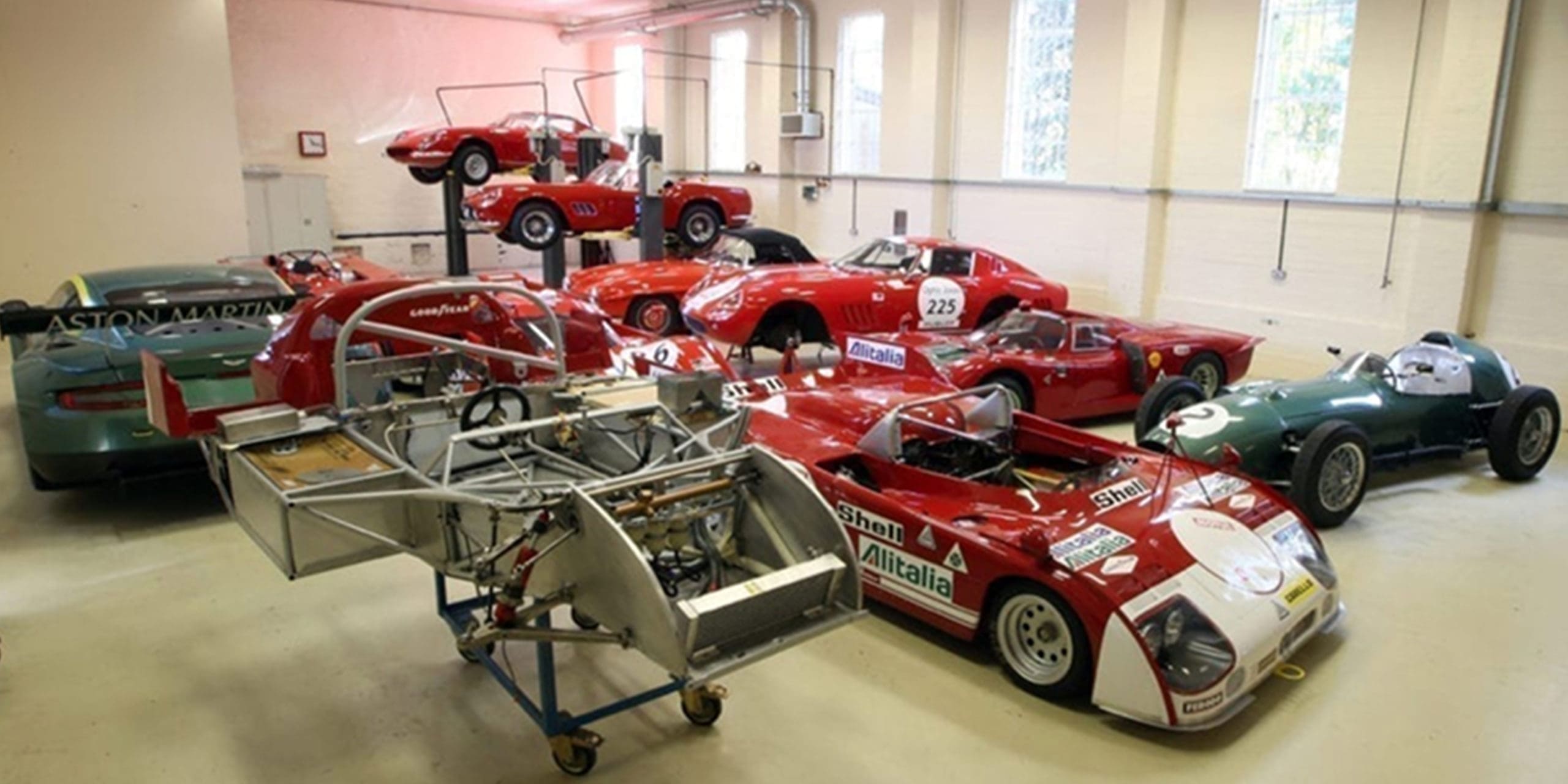
Premium quality heat exchangers and oil coolers for precise temperature control of engines under test cell development conditions.

Recovering waste heat energy from engine powered generating sets for biogas, diesel and natural gas applications up to 1 MW.
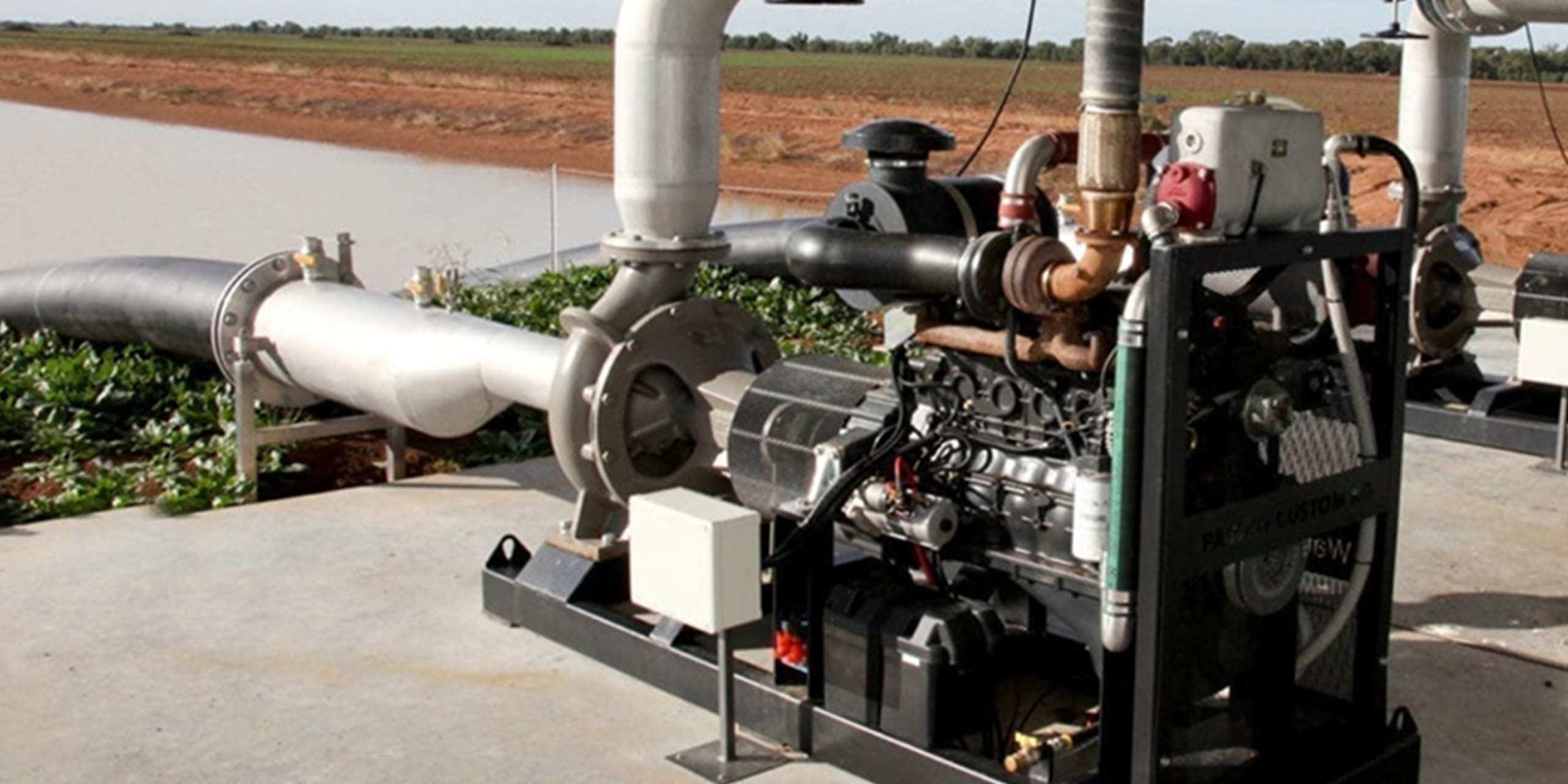
Efficient cooling for stationary / land-based engines where air cooling is either unavailable or inappropriate.
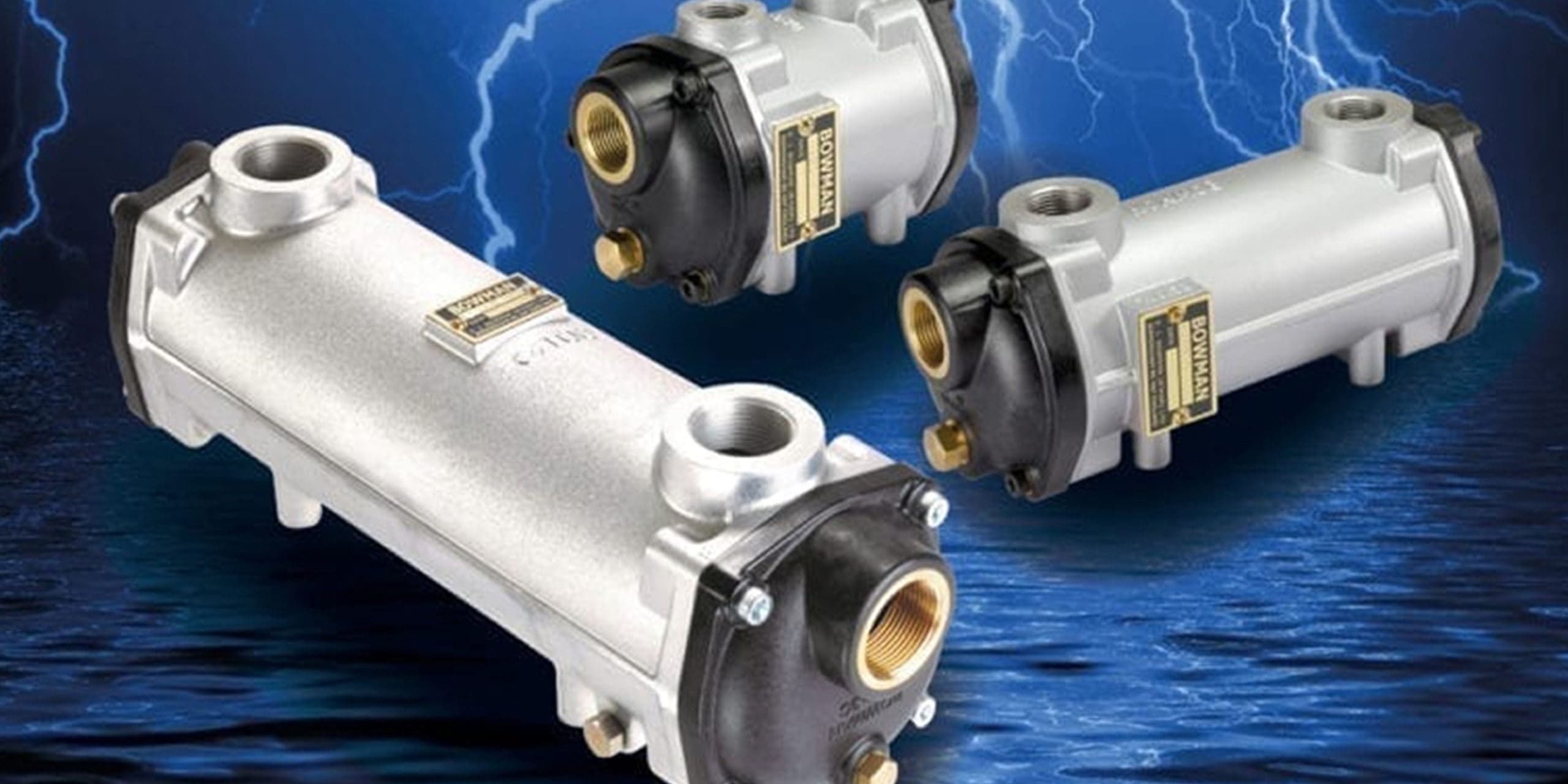
The reliable solution for cooling Electric & Hybrid Marine Propulsion Systems.
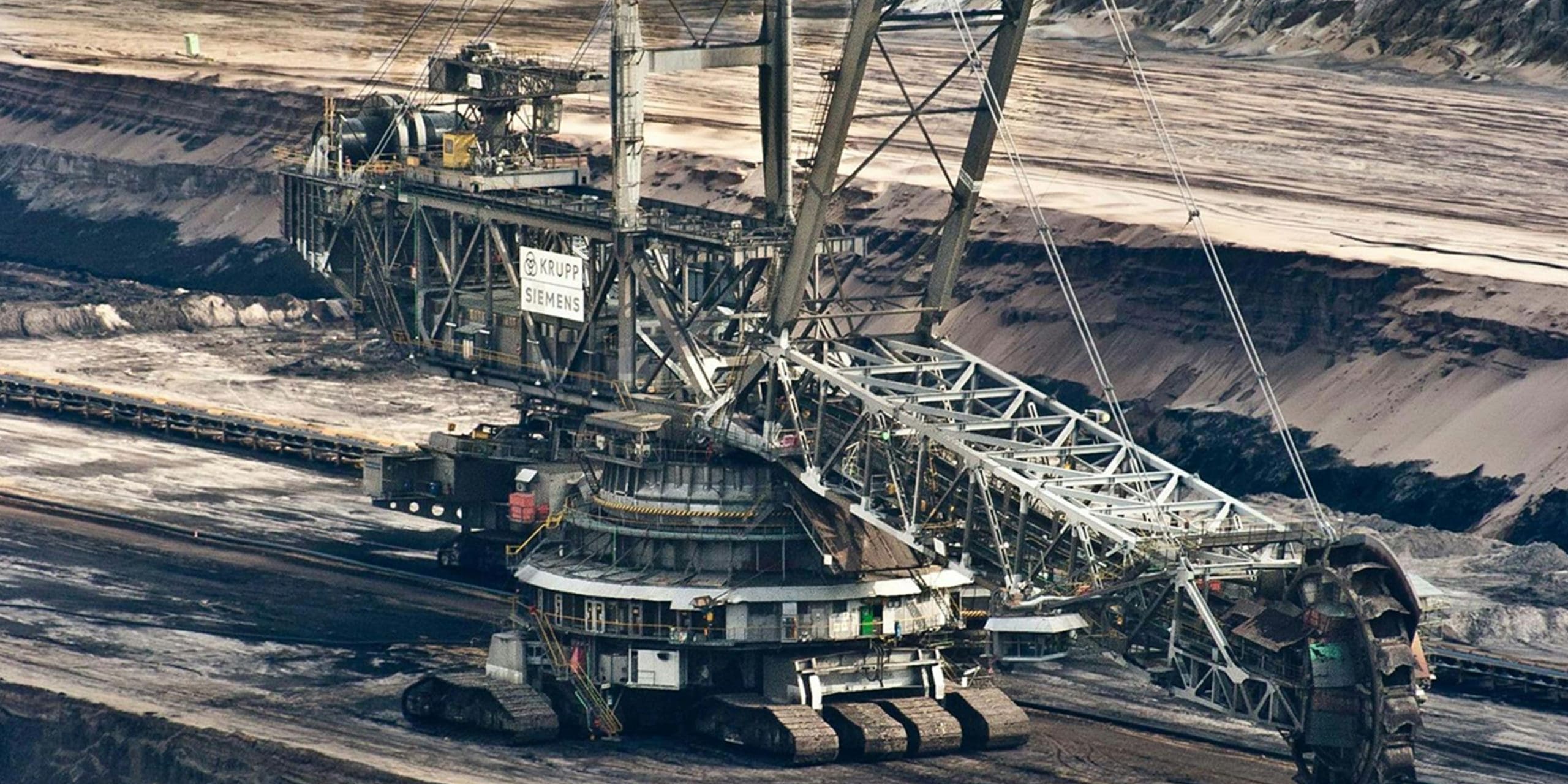
A comprehensive oil cooling solution for industrial hydraulic control systems, plus high temperature and mining applications.
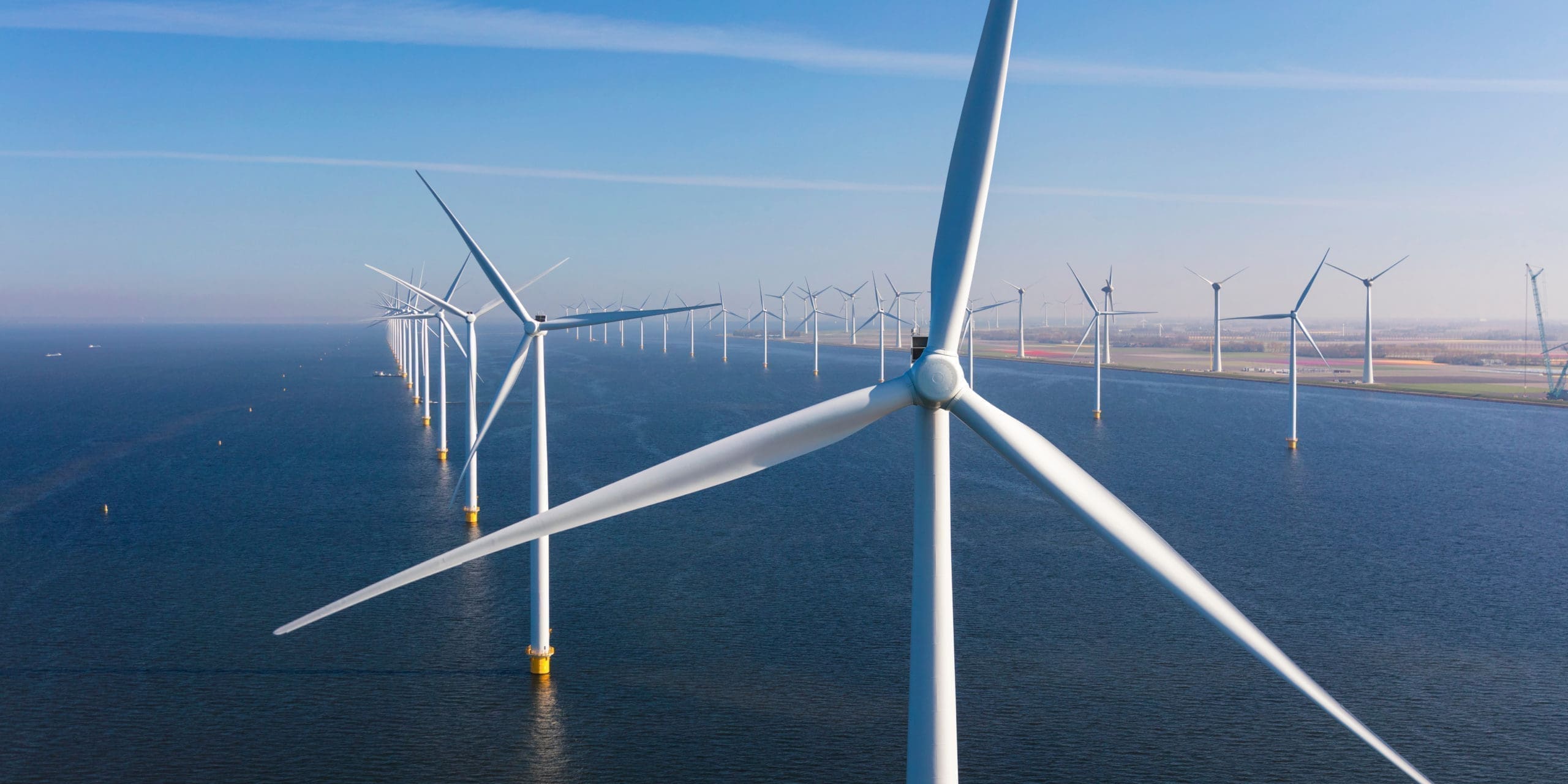
A complete solution for cooling complex on-board hydraulic equipment, including thruster and stabiliser systems.
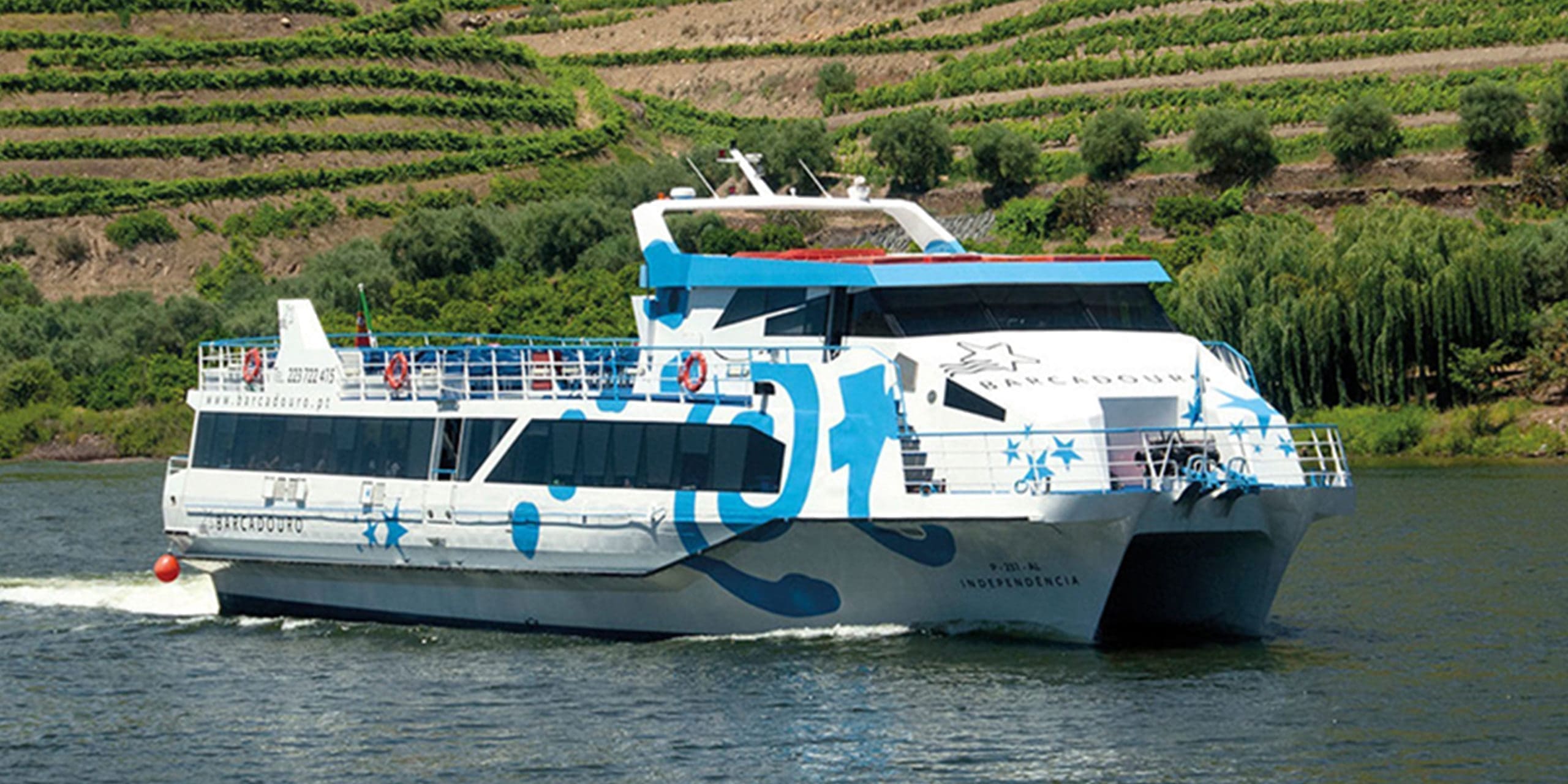
The complete cooling solution for marine engine propulsion, including the latest electric and hybrid systems.
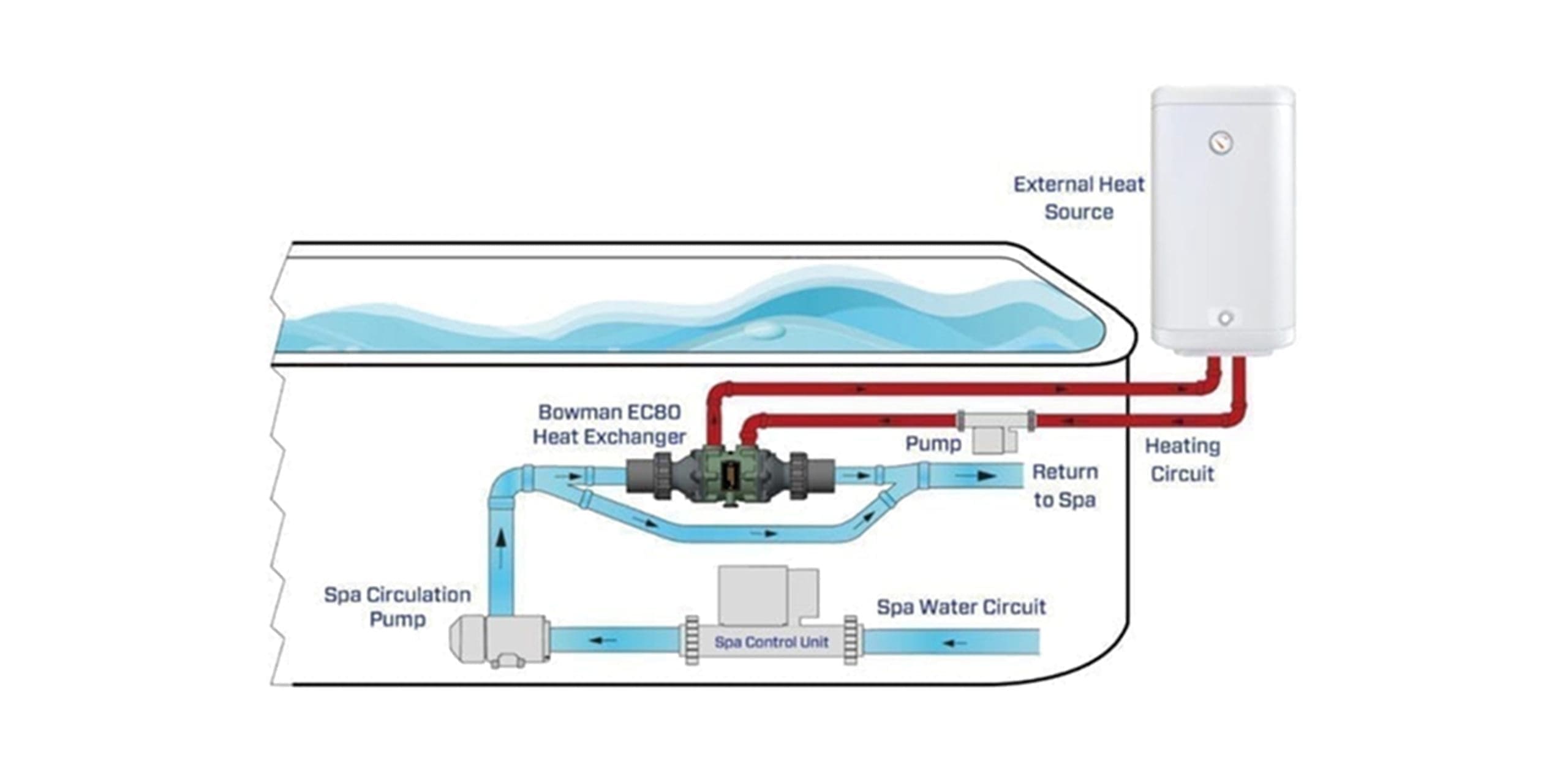
An energy efficient solution for heating hot tubs and swim spas faster, significantly reducing heat-up time for guest change-over periods.

Quality heat exchangers for efficient swimming pool heating, using boiler or renewable energy heat sources.
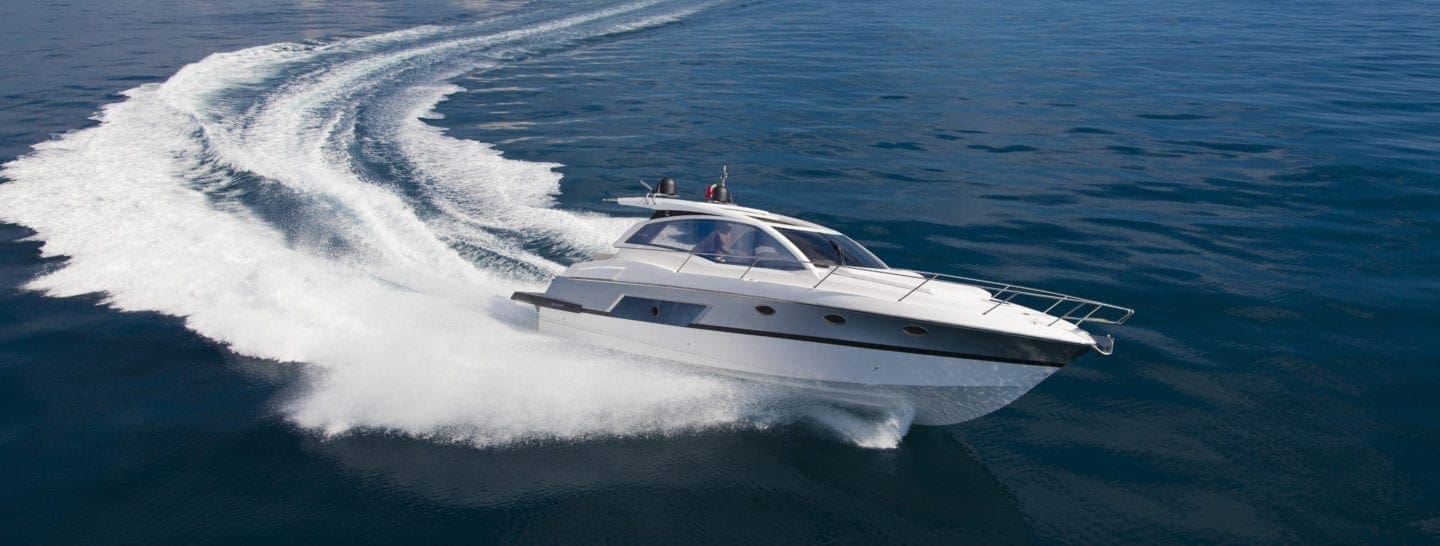
Correctly sized marine oil coolers and marine gearbox oil coolers are essential to protect marine transmissions, hybrid drives and propulsion systems from overheating and premature failure. This guide explains how to choose the right marine gearbox oil cooler by engine power, oil and seawater flow rate, and material selection, and where Bowman products fit in.
Marine gearboxes work hard, especially on vessels that run at high load for long periods or frequently manoeuvre in ports and marinas. As power is transmitted from the engine or electric motor, a percentage of that power is lost as heat in the gearbox and associated clutches, pumps and bearings, which must be removed by the gearbox oil cooler. If gearbox oil runs too hot, viscosity drops, lubrication films thin out and internal components can suffer accelerated wear, leakage or even catastrophic failure. In integrated propulsion packages, excess gearbox temperature also affects the cooling margin available for engines, electric motors, inverters and hybrid control equipment.
For an overview of how engine, gearbox and transmission cooling fits into the wider propulsion system, see Bowman’s marine propulsion cooling page.
Bowman has specific performance and selection software and, provided with the oil viscosity, oil flow rate, required oil outlet temperature, heat dissipation requirements and cooling water temperature, Bowman or an authorised distributor can select the ideal oil cooler for a marine transmission.
If this information is not known, there are other ways to help choose a suitable gearbox cooler.
The starting point for selecting marine gearbox oil coolers is usually the engine or drive power feeding the gearbox. Bowman’s marine transmission oil coolers are specified with “Typical Engine Rating (kW)” alongside “Heat Dissipated from Gearbox (kW)”, so you can quickly match a cooler to the power level of your installation.
For example, Bowman’s compact DC range suits marine engines and transmissions up to 180 kW, with individual models dissipating approximately 5 – 9 kW of gearbox heat. Above this, EC and FC units cover engines from around 240 kW to 760 kW, while the FG, GL, GK, JK and PK series provide cooling for gearboxes on engines from roughly 660 kW up to around 8900 kW. By choosing a cooler with a “Heat Dissipated from Gearbox (kW)” rating equal to or above your expected gearbox heat load, and a “Typical Engine Rating (kW)” compatible with your engine, you ensure the marine oil cooler can control oil temperature at continuous full load.
For more details of engine coolers that work alongside gearbox coolers, see Bowman’s Marine Engine Coolers range.
Once you have a shortlist by engine power, confirm that oil and seawater flow rates align with the chosen marine gearbox oil cooler. The Bowman marine transmission oil cooler tables list “Typical Oil Flow Rate (l/m)” and “Max. Sea Water Flow Rate (l/m)” for each model, alongside dimensions and weight.
Key checks include:
For gearbox / transmission applications, see the dedicated marine transmission oil cooler range. For hybrid and electric propulsion systems, where motors, inverters and DC‑DC converters often share common cooling circuits, Bowman’s electric and hybrid coolers data gives heat dissipation (kW) versus flow and size for sea water duties. This makes it straightforward to harmonise gearbox cooling with electric propulsion cooling hardware.
Material selection is critical for marine oil coolers using sea water as the cooling medium. Materials affect corrosion resistance, lifetime and permissible flow rates. The main options in the Bowman marine range are brass, composite and coated end covers, and cupro‑nickel or titanium tube stacks.
In practice, cupro‑nickel is often the best all‑round choice for standard propulsion cooling where seawater quality is reasonable, and flow rates are within recommended limits. Titanium becomes the preferred material where water is particularly aggressive (warm, polluted, brackish or chlorinated), where the vessel spends long periods idle with stagnant water in the cooler, or where seawater velocities are high due to powerful pumps and narrow pipework.
To see how these materials are used across the wider propulsion cooling range, visit Bowman’s marine propulsion cooling overview.
Even a correctly sized marine gearbox oil cooler will underperform, if it is installed or maintained poorly. Bowman emphasises that service life depends on choosing the correct product, commissioning it correctly, keeping seawater flow and pressure within specified limits and maintaining filtration and cleaning routines. On marine oil coolers with cupro‑nickel tube stacks, the conditioning process is vital to build the protective film on tubes, and the rise of plastic and debris in sea water makes good inlet straining and regular inspection essential.
When these guidelines are followed, Bowman reports many marine oil coolers operating reliably for more than 20 years, with some units still in service after over 40 years. This long life is supported by robust shell and tube construction, removable end covers and fully floating tube stacks that simplify cleaning and overhauls. For vessels moving towards electric or hybrid propulsion, Bowman’s marine-grade electric and hybrid coolers allow gearbox, motor and power electronics to share common, well‑engineered cooling hardware designed specifically for seawater operation.
You can explore complementary engine cooling hardware that works alongside gearbox coolers. For transmission‑focused solutions, the full marine gearbox oil coolers range.
For critical propulsion systems, demanding duty cycles or when integrating gearboxes with electric and hybrid drives, it is sensible to ask Bowman’s technical team to confirm the cooler selection. By providing details of engine or motor power, gearbox type, oil type, oil and seawater flow rates, operating temperatures and available space, Bowman can use their own computer‑aided selection software to recommend the most appropriate marine gearbox oil coolers for long‑term reliability.
Correctly sized marine oil coolers and marine gearbox oil coolers are essential to protect marine transmissions, hybrid drives and propulsion systems from overheating and premature failure. This guide explains how to choose the right marine gearbox oil cooler by engine power, oil and seawater flow rate, and material selection, and where Bowman products fit in.
Marine gearboxes work hard, especially on vessels that run at high load for long periods or frequently manoeuvre in ports and marinas. As power is transmitted from the engine or electric motor, a percentage of that power is lost as heat in the gearbox and associated clutches, pumps and bearings, which must be removed by the gearbox oil cooler. If gearbox oil runs too hot, viscosity drops, lubrication films thin out and internal components can suffer accelerated wear, leakage or even catastrophic failure. In integrated propulsion packages, excess gearbox temperature also affects the cooling margin available for engines, electric motors, inverters and hybrid control equipment.
For an overview of how engine, gearbox and transmission cooling fits into the wider propulsion system, see Bowman’s marine propulsion cooling page.
Bowman has specific performance and selection software and, provided with the oil viscosity, oil flow rate, required oil outlet temperature, heat dissipation requirements and cooling water temperature, Bowman or an authorised distributor can select the ideal oil cooler for a marine transmission.
If this information is not known, there are other ways to help choose a suitable gearbox cooler.
The starting point for selecting marine gearbox oil coolers is usually the engine or drive power feeding the gearbox. Bowman’s marine transmission oil coolers are specified with “Typical Engine Rating (kW)” alongside “Heat Dissipated from Gearbox (kW)”, so you can quickly match a cooler to the power level of your installation.
For example, Bowman’s compact DC range suits marine engines and transmissions up to 180 kW, with individual models dissipating approximately 5 – 9 kW of gearbox heat. Above this, EC and FC units cover engines from around 240 kW to 760 kW, while the FG, GL, GK, JK and PK series provide cooling for gearboxes on engines from roughly 660 kW up to around 8900 kW. By choosing a cooler with a “Heat Dissipated from Gearbox (kW)” rating equal to or above your expected gearbox heat load, and a “Typical Engine Rating (kW)” compatible with your engine, you ensure the marine oil cooler can control oil temperature at continuous full load.
For more details of engine coolers that work alongside gearbox coolers, see Bowman’s Marine Engine Coolers range.
Once you have a shortlist by engine power, confirm that oil and seawater flow rates align with the chosen marine gearbox oil cooler. The Bowman marine transmission oil cooler tables list “Typical Oil Flow Rate (l/m)” and “Max. Sea Water Flow Rate (l/m)” for each model, alongside dimensions and weight.
Key checks include:
For gearbox / transmission applications, see the dedicated marine transmission oil cooler range. For hybrid and electric propulsion systems, where motors, inverters and DC‑DC converters often share common cooling circuits, Bowman’s electric and hybrid coolers data gives heat dissipation (kW) versus flow and size for sea water duties. This makes it straightforward to harmonise gearbox cooling with electric propulsion cooling hardware.
Material selection is critical for marine oil coolers using sea water as the cooling medium. Materials affect corrosion resistance, lifetime and permissible flow rates. The main options in the Bowman marine range are brass, composite and coated end covers, and cupro‑nickel or titanium tube stacks.
In practice, cupro‑nickel is often the best all‑round choice for standard propulsion cooling where seawater quality is reasonable, and flow rates are within recommended limits. Titanium becomes the preferred material where water is particularly aggressive (warm, polluted, brackish or chlorinated), where the vessel spends long periods idle with stagnant water in the cooler, or where seawater velocities are high due to powerful pumps and narrow pipework.
To see how these materials are used across the wider propulsion cooling range, visit Bowman’s marine propulsion cooling overview.
Even a correctly sized marine gearbox oil cooler will underperform, if it is installed or maintained poorly. Bowman emphasises that service life depends on choosing the correct product, commissioning it correctly, keeping seawater flow and pressure within specified limits and maintaining filtration and cleaning routines. On marine oil coolers with cupro‑nickel tube stacks, the conditioning process is vital to build the protective film on tubes, and the rise of plastic and debris in sea water makes good inlet straining and regular inspection essential.
When these guidelines are followed, Bowman reports many marine oil coolers operating reliably for more than 20 years, with some units still in service after over 40 years. This long life is supported by robust shell and tube construction, removable end covers and fully floating tube stacks that simplify cleaning and overhauls. For vessels moving towards electric or hybrid propulsion, Bowman’s marine-grade electric and hybrid coolers allow gearbox, motor and power electronics to share common, well‑engineered cooling hardware designed specifically for seawater operation.
You can explore complementary engine cooling hardware that works alongside gearbox coolers. For transmission‑focused solutions, the full marine gearbox oil coolers range.
For critical propulsion systems, demanding duty cycles or when integrating gearboxes with electric and hybrid drives, it is sensible to ask Bowman’s technical team to confirm the cooler selection. By providing details of engine or motor power, gearbox type, oil type, oil and seawater flow rates, operating temperatures and available space, Bowman can use their own computer‑aided selection software to recommend the most appropriate marine gearbox oil coolers for long‑term reliability.

Bowman and Rinnai provide the perfect heating solution for an Australian roof top pool – where winter temperatures can be surprisingly cool!

Six Bowman heat exchangers have been installed at the recently opened Gold’s Gym, Amman, Jordan, to heat two half Olympic-sized swimming pools.

How Bowman heat exchangers are helping this internationally renowned golf destination reduce energy costs and CO₂ emissions.

Bowman heat exchangers are playing an important role in the success of a flagship hotel on the Black Sea coast in Georgia.

Bowman and Rinnai provide the perfect heating solution for an Australian roof top pool – where winter temperatures can be surprisingly cool!

Six Bowman heat exchangers have been installed at the recently opened Gold’s Gym, Amman, Jordan, to heat two half Olympic-sized swimming pools.

How Bowman heat exchangers are helping this internationally renowned golf destination reduce energy costs and CO₂ emissions.

Bowman heat exchangers are playing an important role in the success of a flagship hotel on the Black Sea coast in Georgia.
You cannot copy content of this page