• All Products

      • Charge Air Coolers
        • Charge Air Coolers

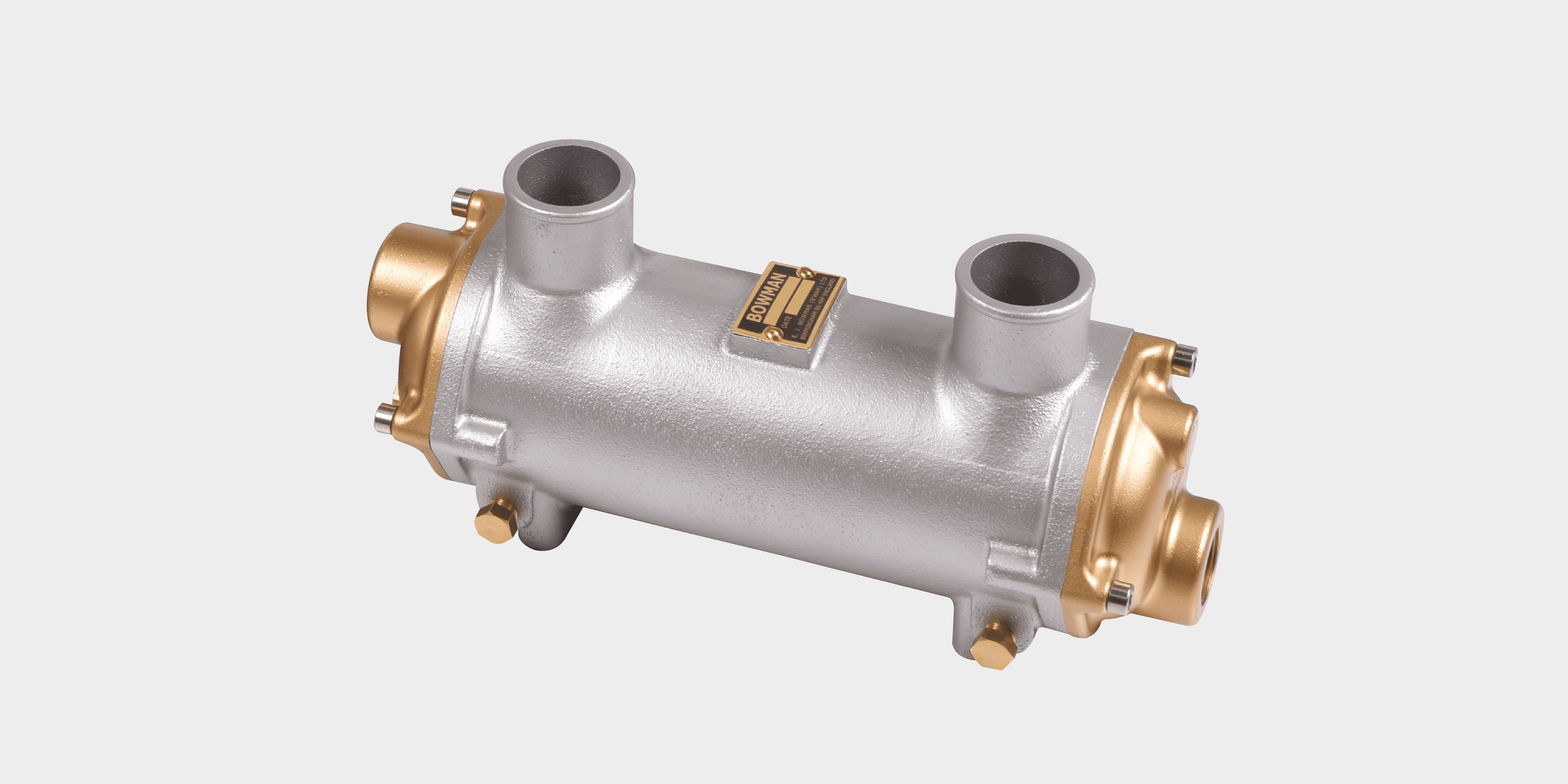
          Used to cool the hot, compressed air from the turbo before it reaches the engine, the intercoolers improve engine efficiency and reduce emissions for marine and land-based stationary engines.
      • Exhaust Gas Heat Exchangers
        • Exhaust Gas Heat Exchangers

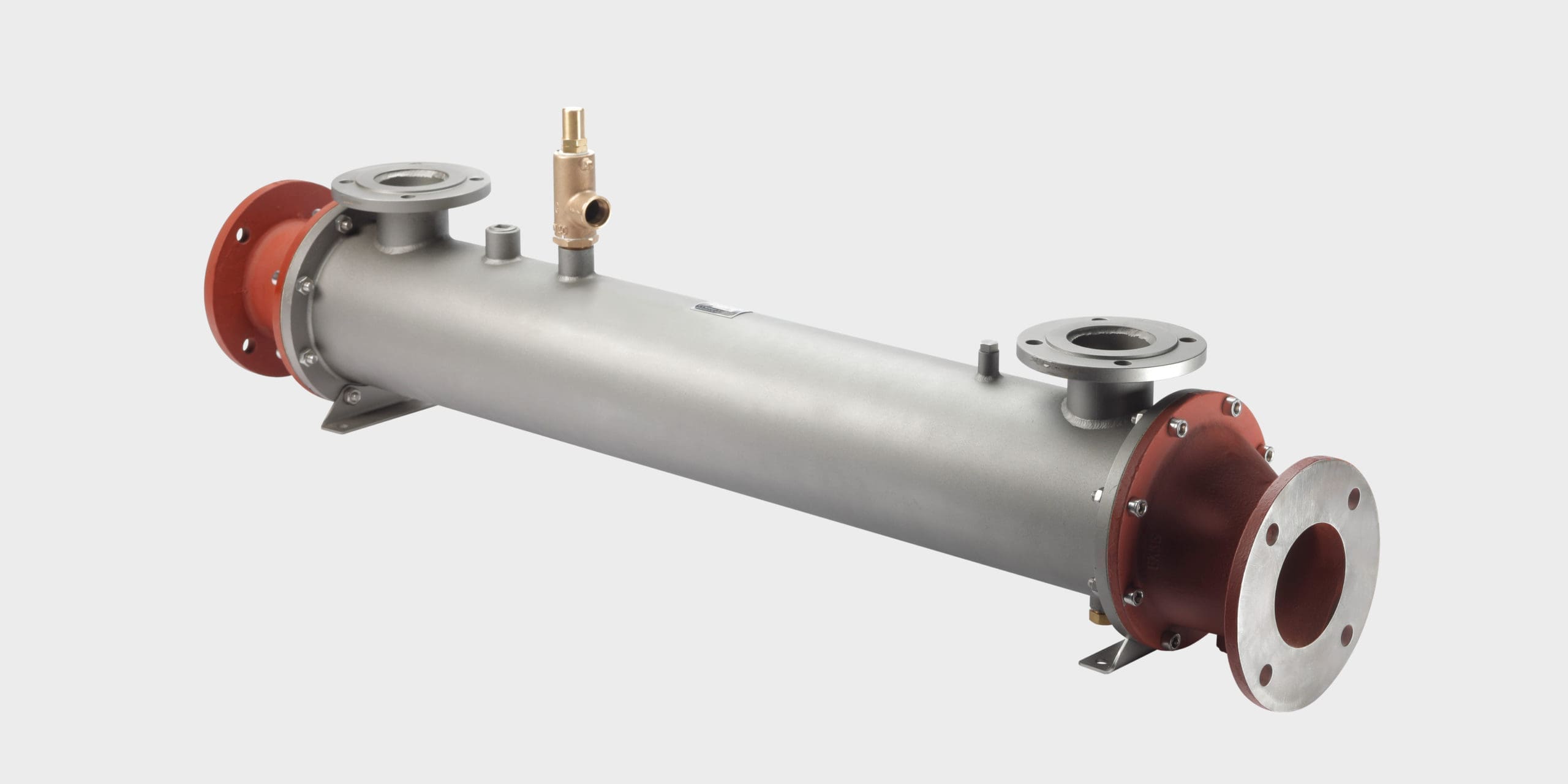
          Exhaust gas heat exchangers are designed to recover waste heat energy from the exhaust stream of reciprocating engine powered generating sets.
      • Fuel Coolers
        • Fuel Coolers

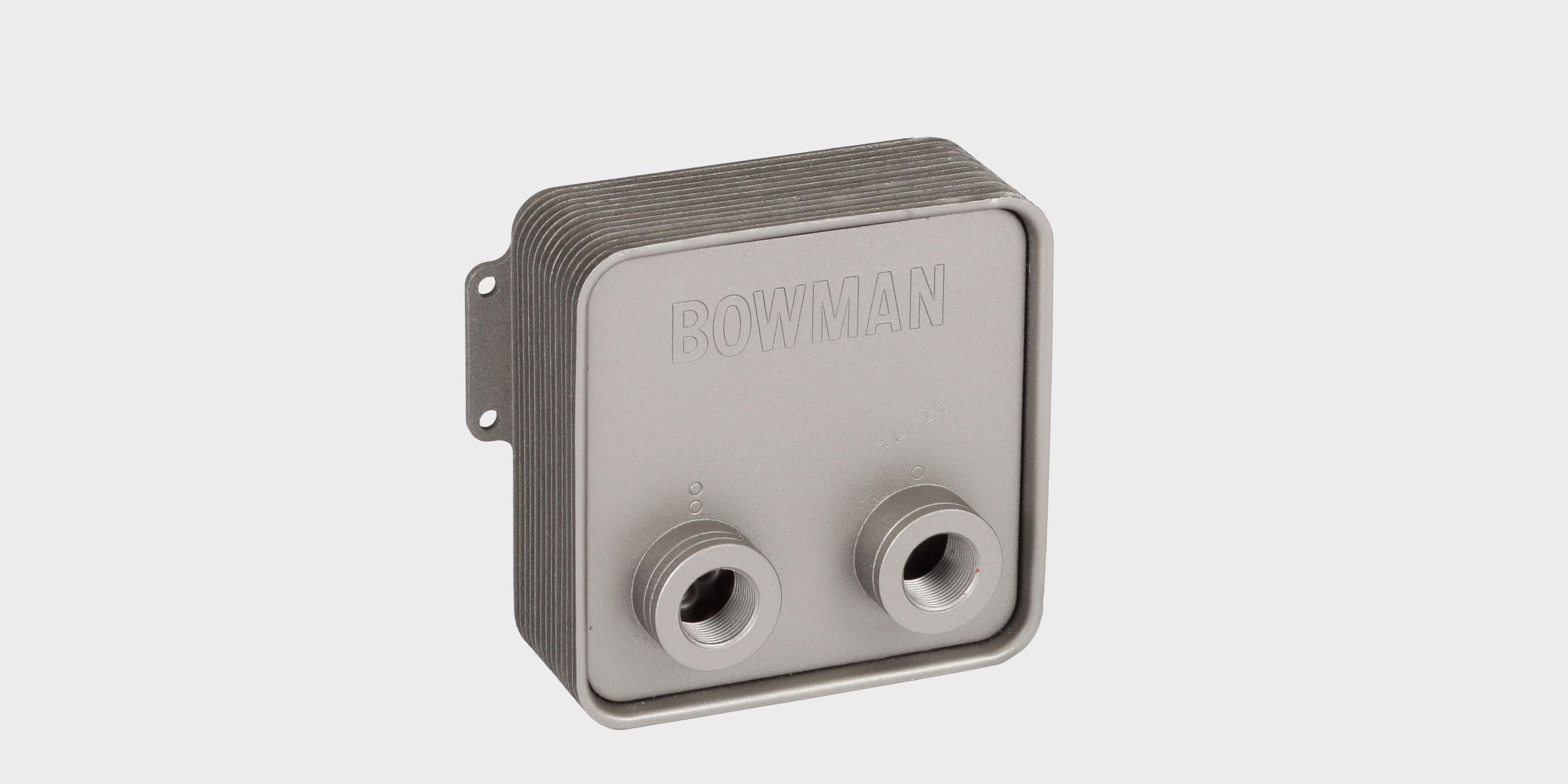
          Bowman 'copper free' fuel coolers are compact, highly efficient heat exchangers suitable for fuel conditioning rigs in the automotive testing industry.
      • Header Tank Heat Exchangers
        • Header Tank Heat Exchangers

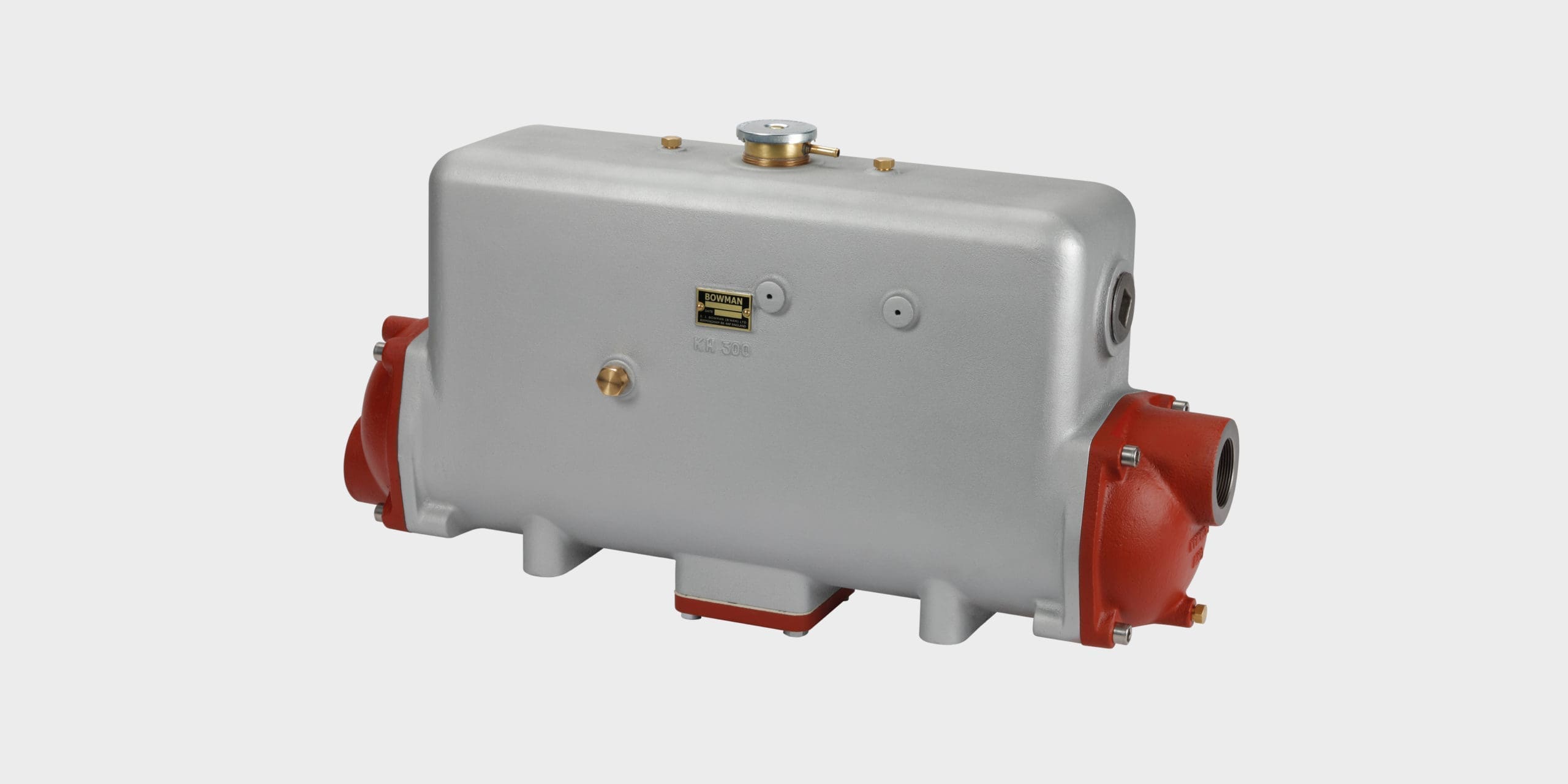
          Engine coolant header tank heat exchangers for marine propulsion, gensets or stationary land-based engines.
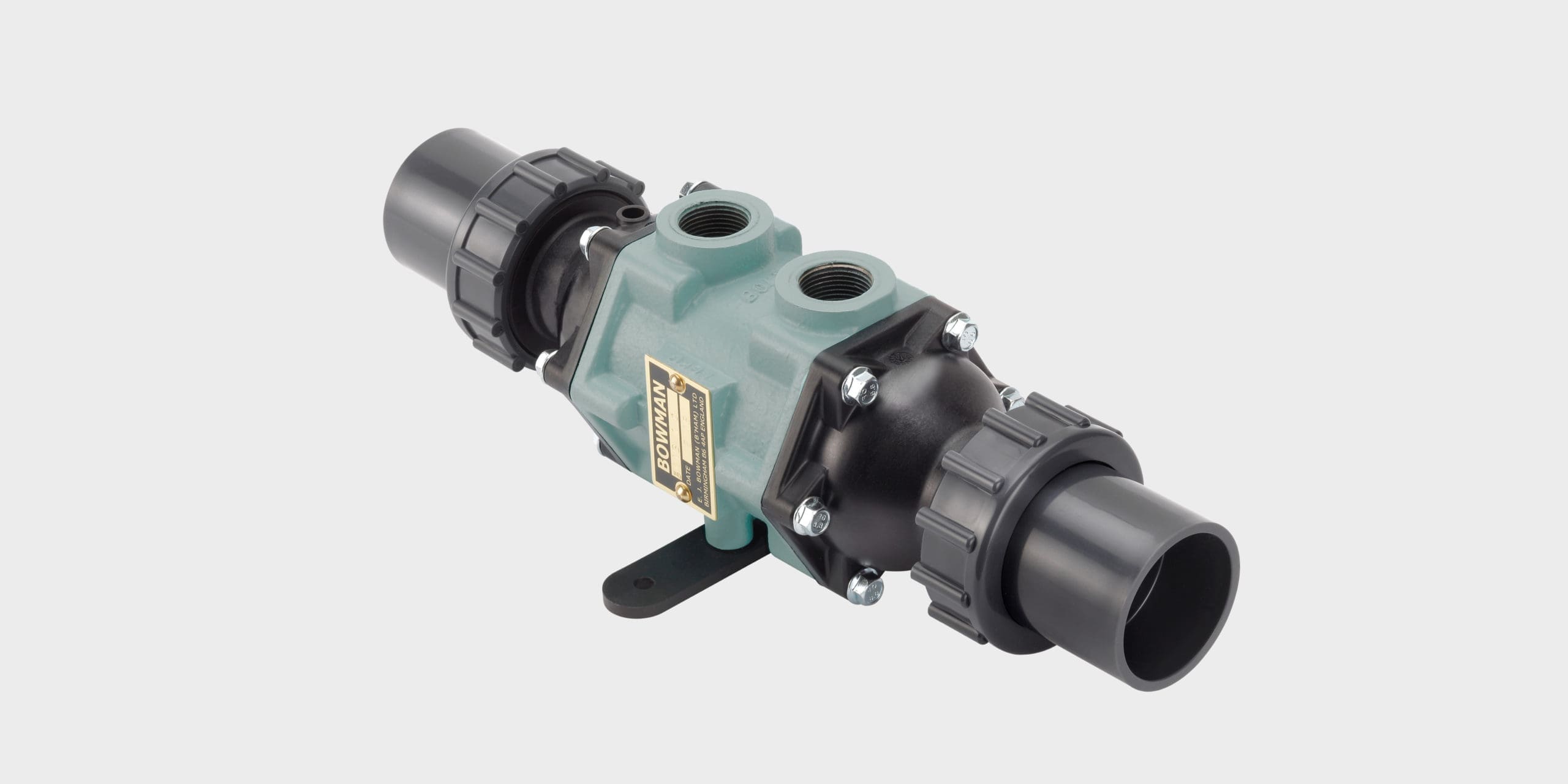
      • Hot Tub Heat Exchangers
        • Hot Tub Heat Exchangers

          Bowman EC 80-5113-1T heat exchangers provide a new solution for heating spas and hot tubs in just a fraction of the time taken by traditional electric heaters.
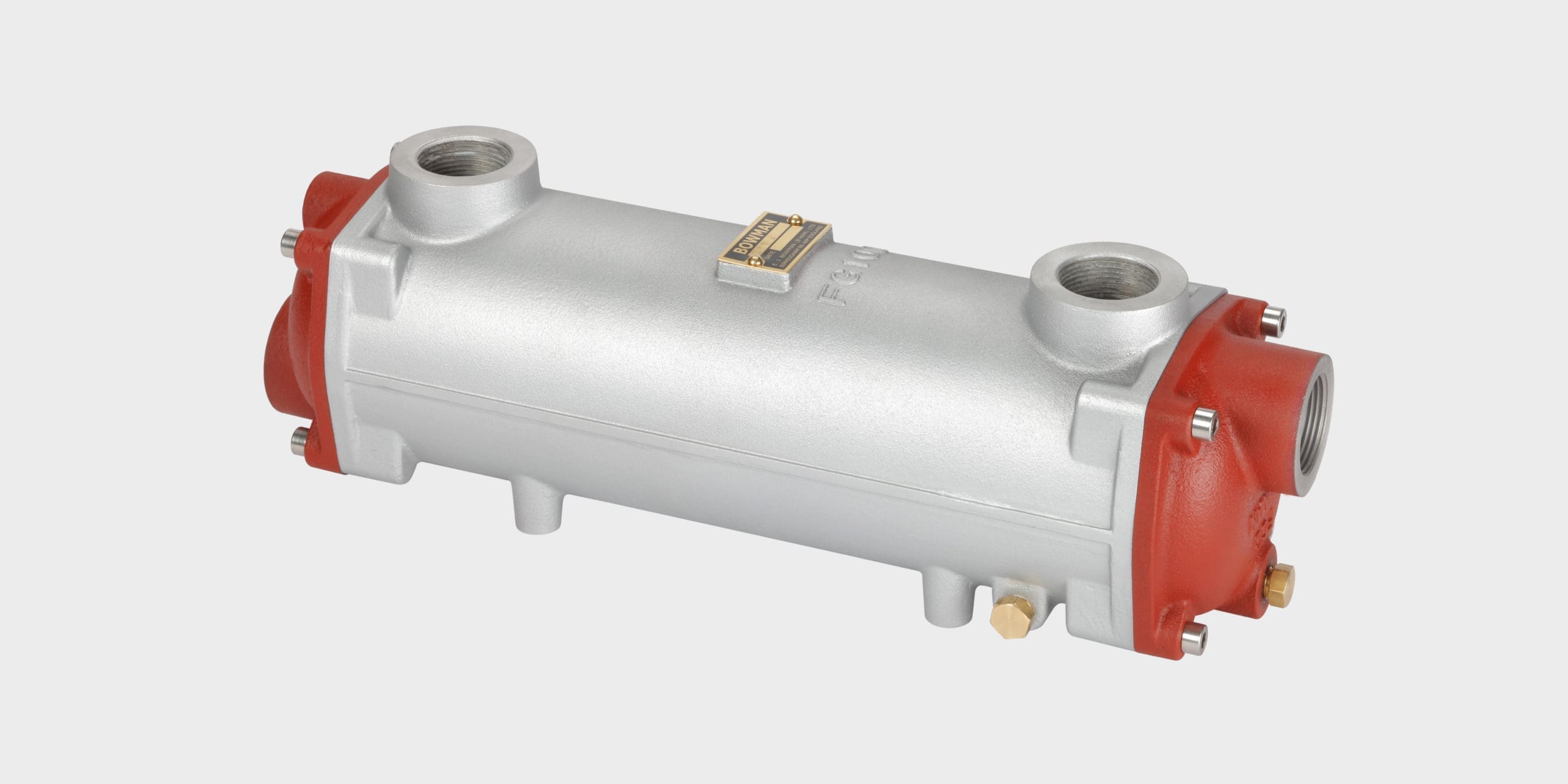
      • Hydraulic Oil Coolers
        • Hydraulic Oil Coolers

          Highly efficient heat transfer solutions for cooling marine, land-based and underground hydraulic systems.

      • Inline Plate Type Heat Exchangers
        • Inline Plate Type Heat Exchangers

          Bowman inline plate heat exchangers are a compact, economical solution for high efficiency heat transfer.

      • Marine Engine Coolers
        • Marine Engine Coolers

          Bespoke cooling solutions for a range of popular marine engines from major OEMs, including coolant heat exchangers, charge air coolers, plus combined heat exchangers and exhaust manifolds, suitable for cooling marine engines up to 1 MW.
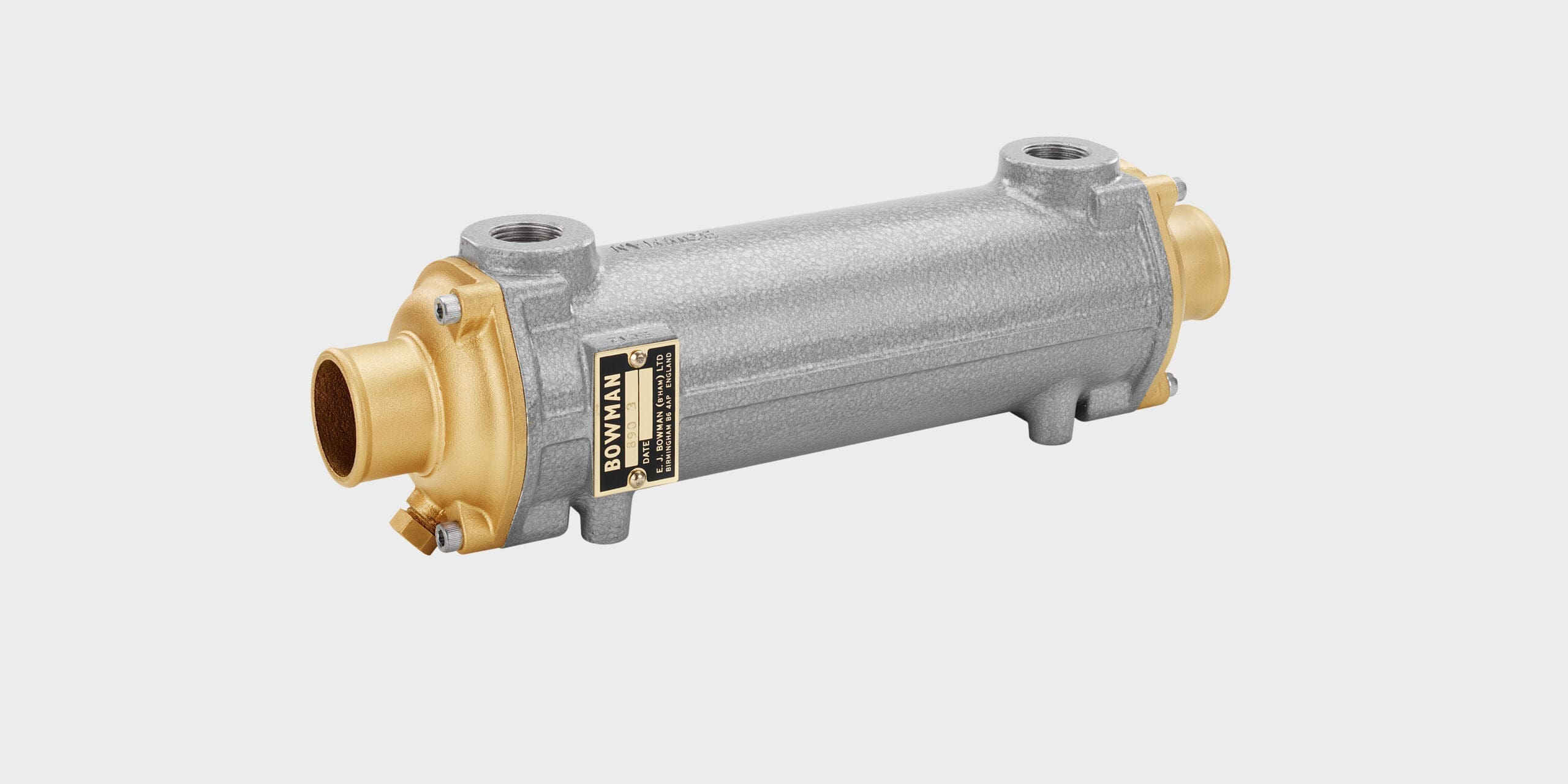
      • Marine Transmission Oil Coolers
        • Marine Transmission Oil Coolers

          Bowman has a range of highly efficient oil coolers designed for marine and industrial engines and transmissions.
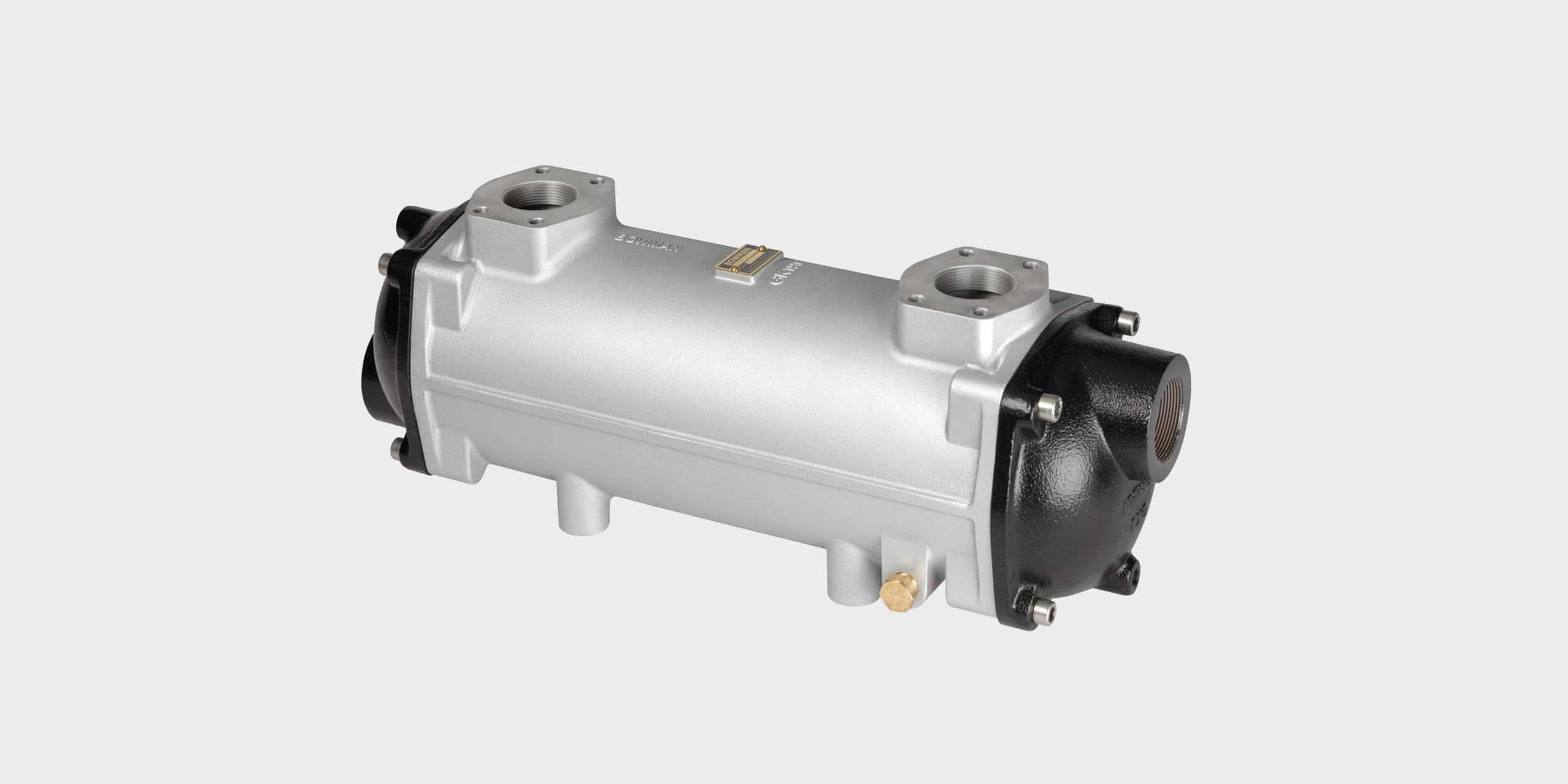
      • Electric and Hybrid Coolers
        • Electric and Hybrid Coolers

          Efficient heat exchangers for cooling electric marine motors, hydrogen fuel cells, battery packs, chargers, AC-DC converters, DC-DC converters, inverters and associated equipment for electric and hybrid marine propulsion and charging systems.
      • Shell and Tube Heat Exchangers
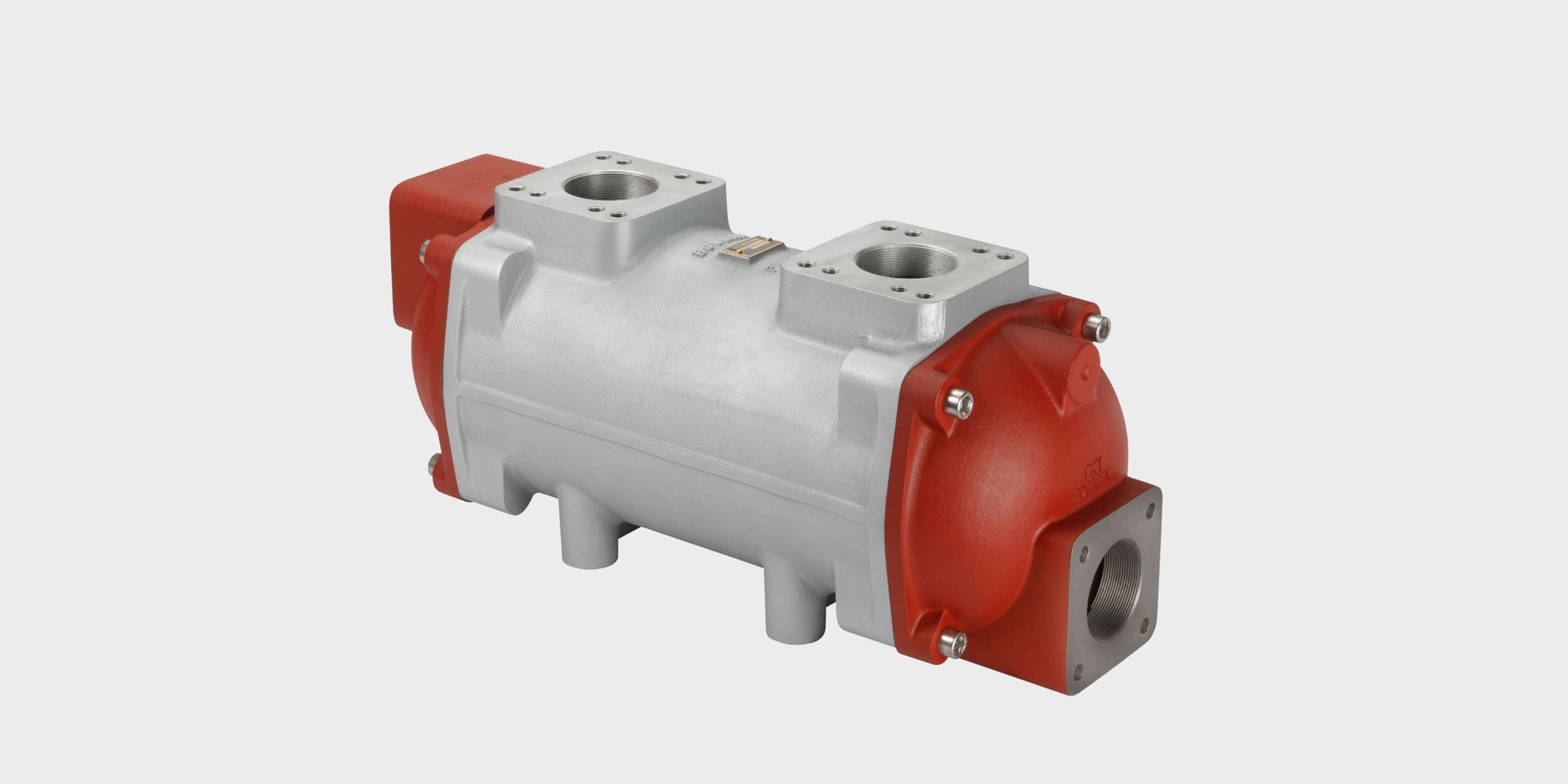
        • Shell and Tube Heat Exchangers

          Highly efficient heat transfer solutions for cooling a variety of applications where air and fluids need to be cooled by fluids.
      • Stainless Steel Heat Exchangers
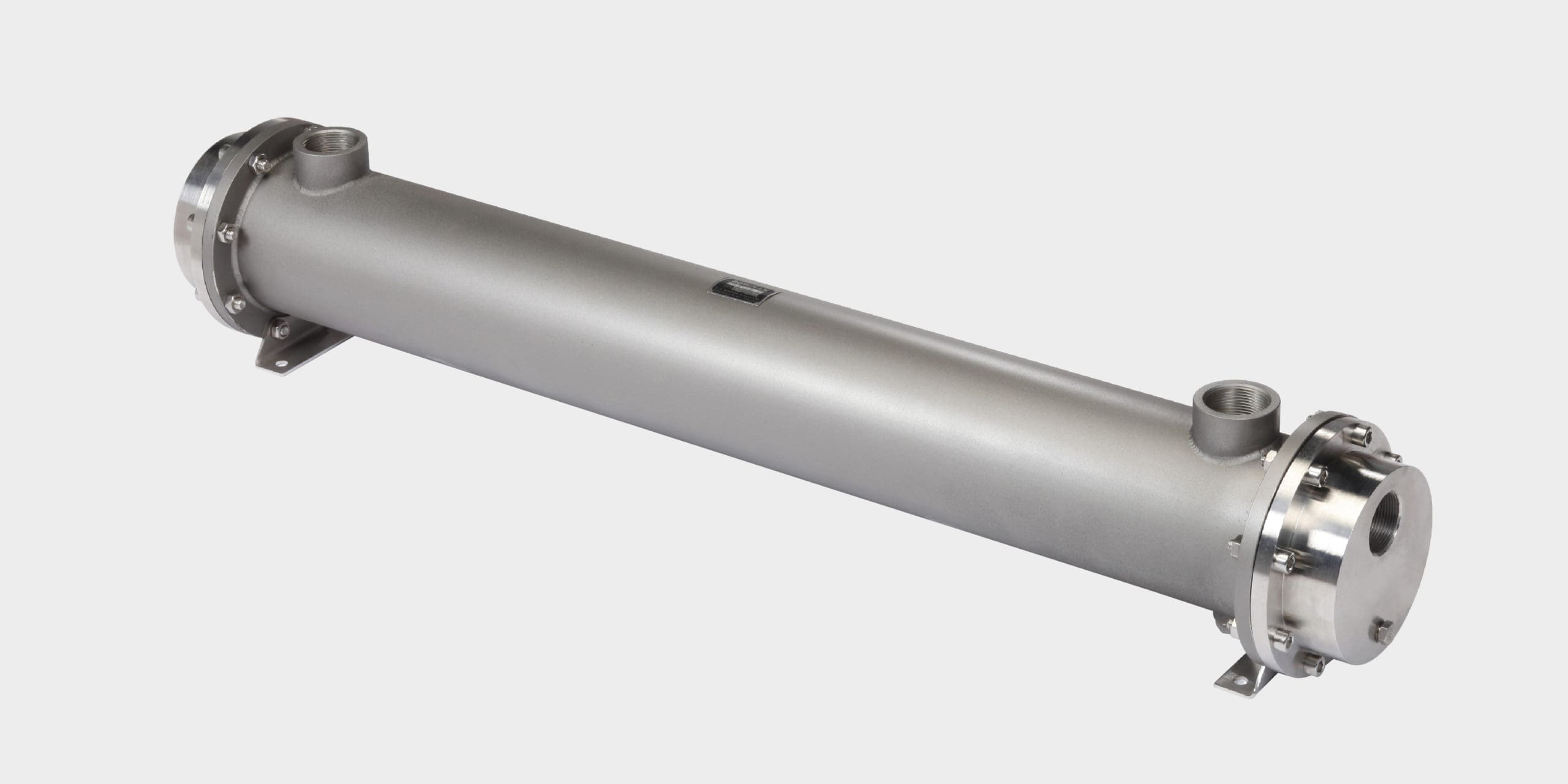
        • Stainless Steel Heat Exchangers

          Many applications require stainless steel shell and tube heat exchangers and Bowman provide a standard range of units that are suitable for cooling or heating a variety of fluids.
      • Swimming Pool Heat Exchangers
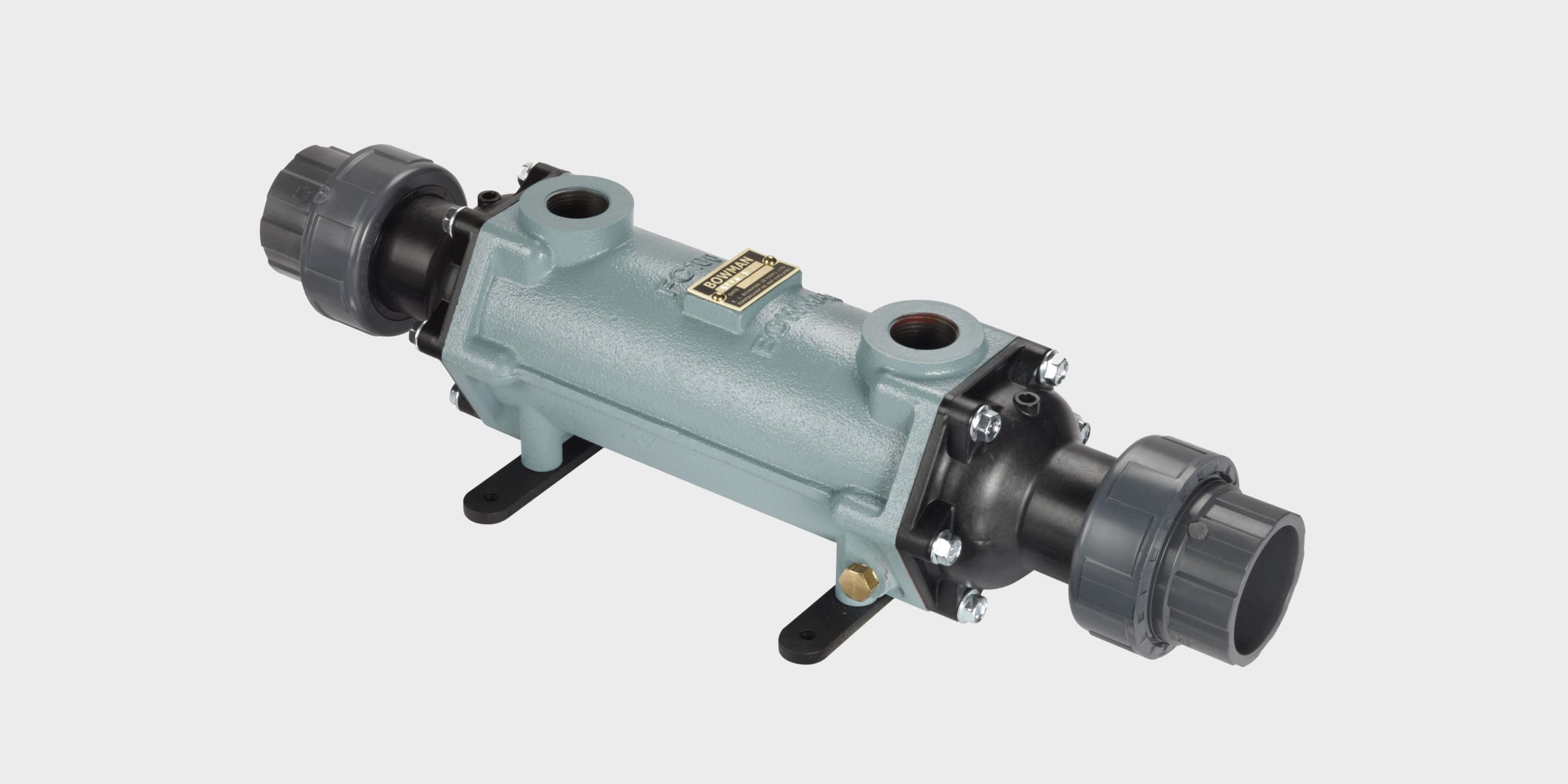
        • Swimming Pool Heat Exchangers

          Bowman swimming pool heat exchangers are renowned for reliability and efficiency. Whether heating your pool with a traditional boiler or a renewable energy source, Bowman is the obvious choice.
    • All Applications

      • Automotive Testing
        • Automotive Testing

          Premium quality heat exchangers and oil coolers for precise temperature control of engines under test cell development conditions.

      • CHP / Co-Generation
        • CHP / Co-Generation

          Recovering waste heat energy from engine powered generating sets for biogas, diesel and natural gas applications up to 1 MW.
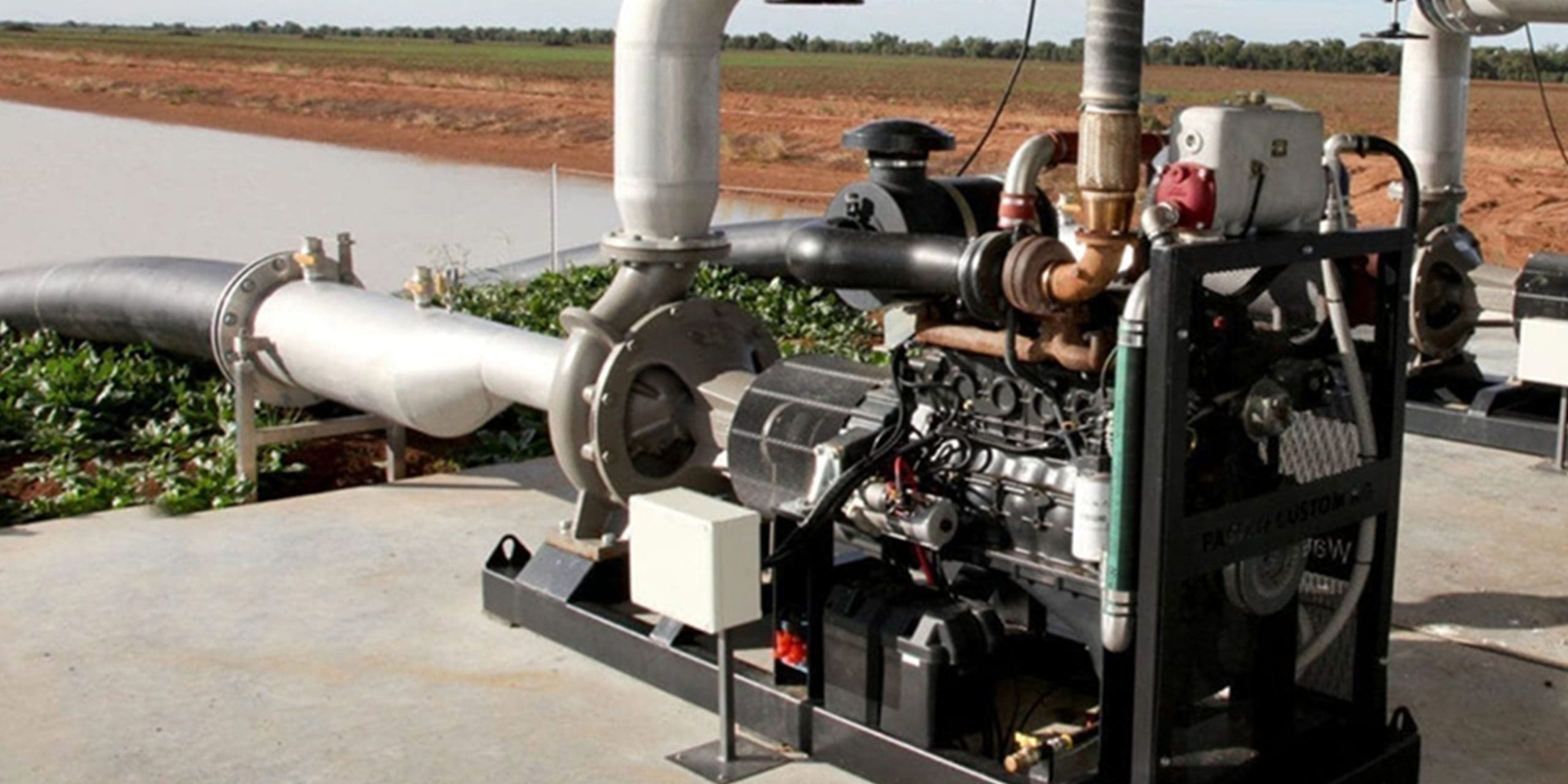
      • Engine Cooling Solutions
        • Engine Cooling Solutions

          Efficient cooling for stationary / land-based engines where air cooling is either unavailable or inappropriate.
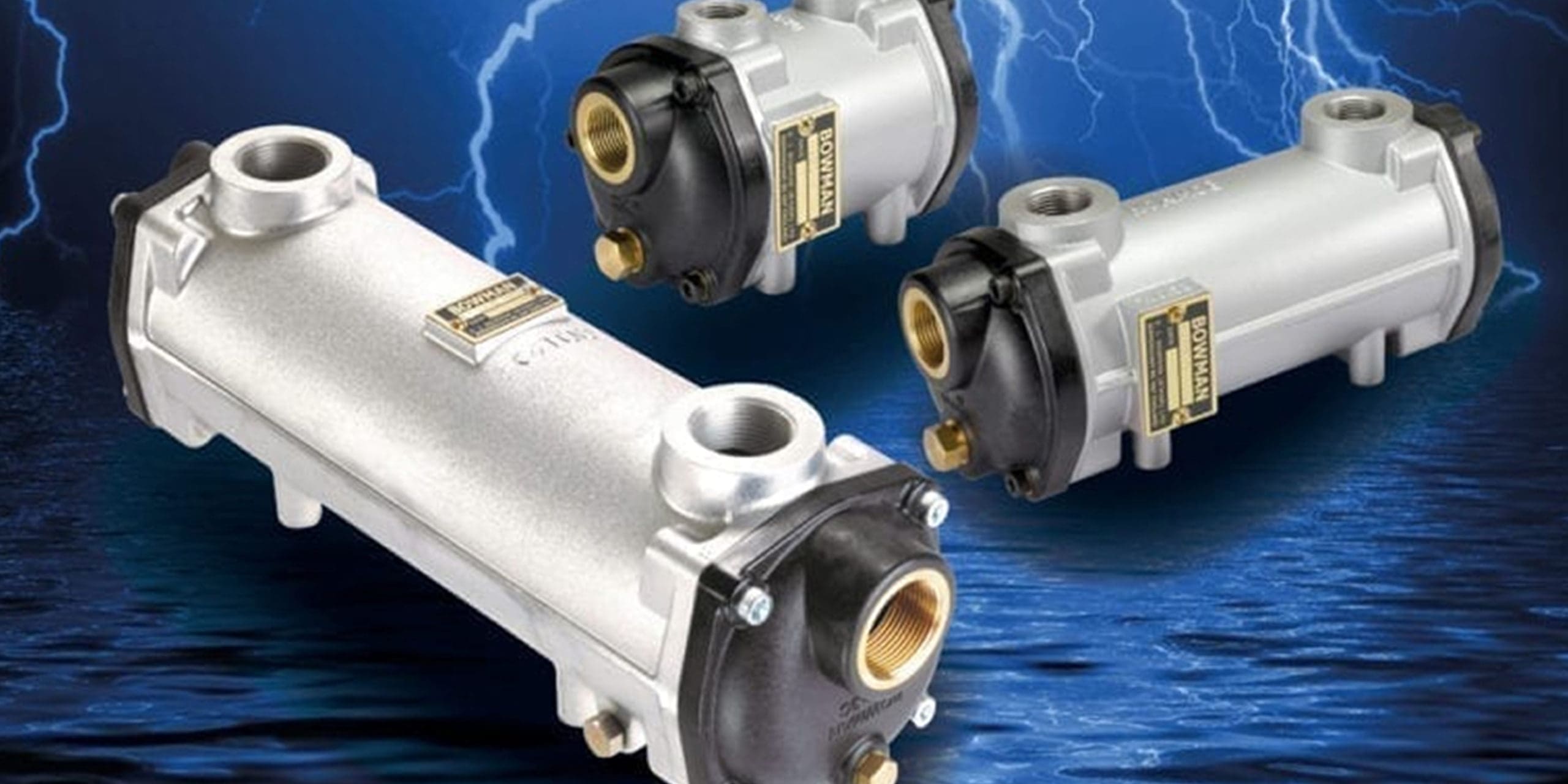
      • Electric & Hybrid Marine
        • Electric & Hybrid Marine

          The reliable solution for cooling Electric & Hybrid Marine Propulsion Systems.
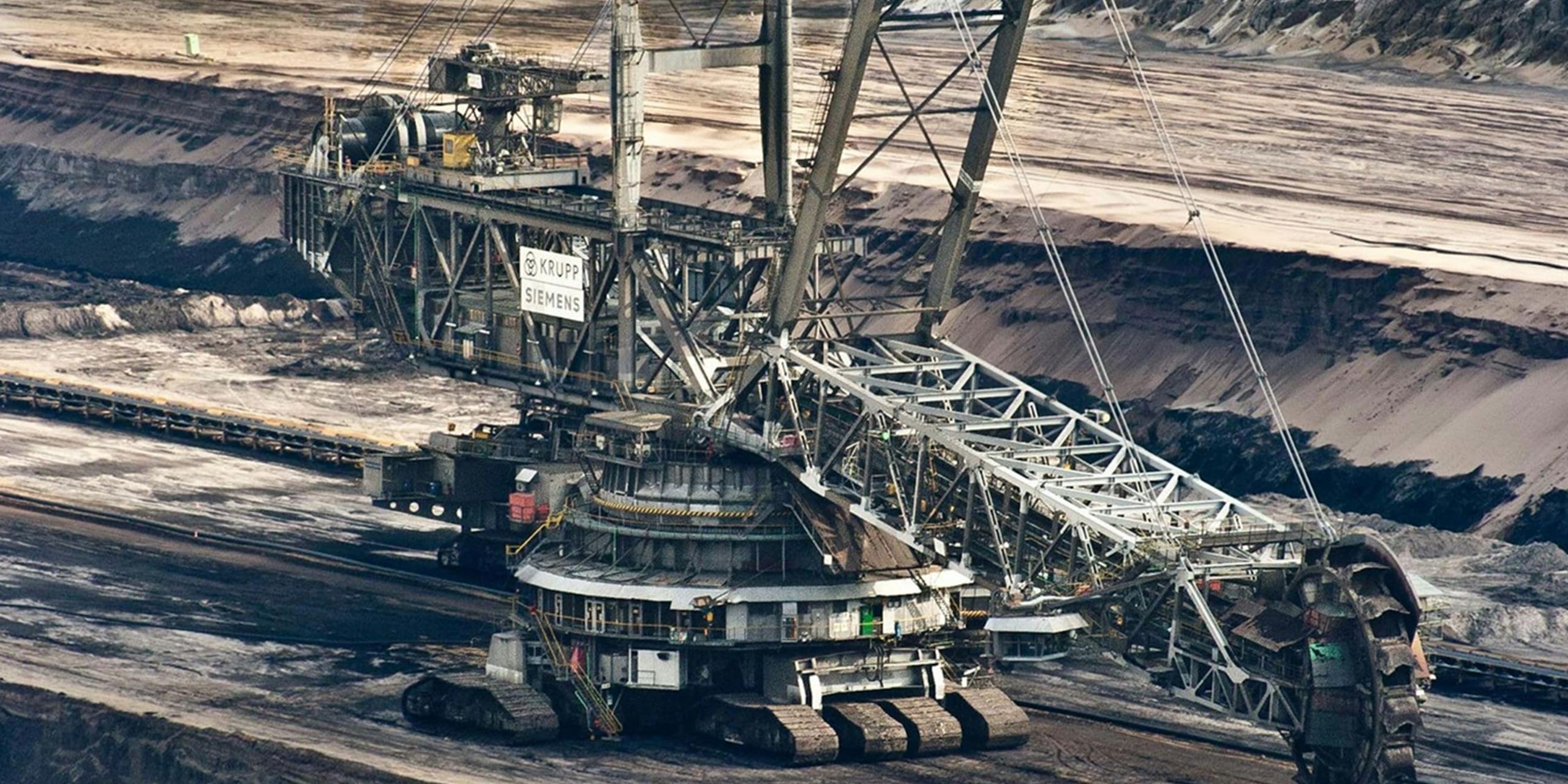
      • Industrial Hydraulics
        • Industrial Hydraulics

          A comprehensive oil cooling solution for industrial hydraulic control systems, plus high temperature and mining applications.

      • Marine Hydraulics
        • Marine Hydraulics

          A complete solution for cooling complex on-board hydraulic equipment, including thruster and stabiliser systems.

      • Marine Propulsion
        • Marine Propulsion

          The complete cooling solution for marine engine propulsion, including the latest electric and hybrid systems.
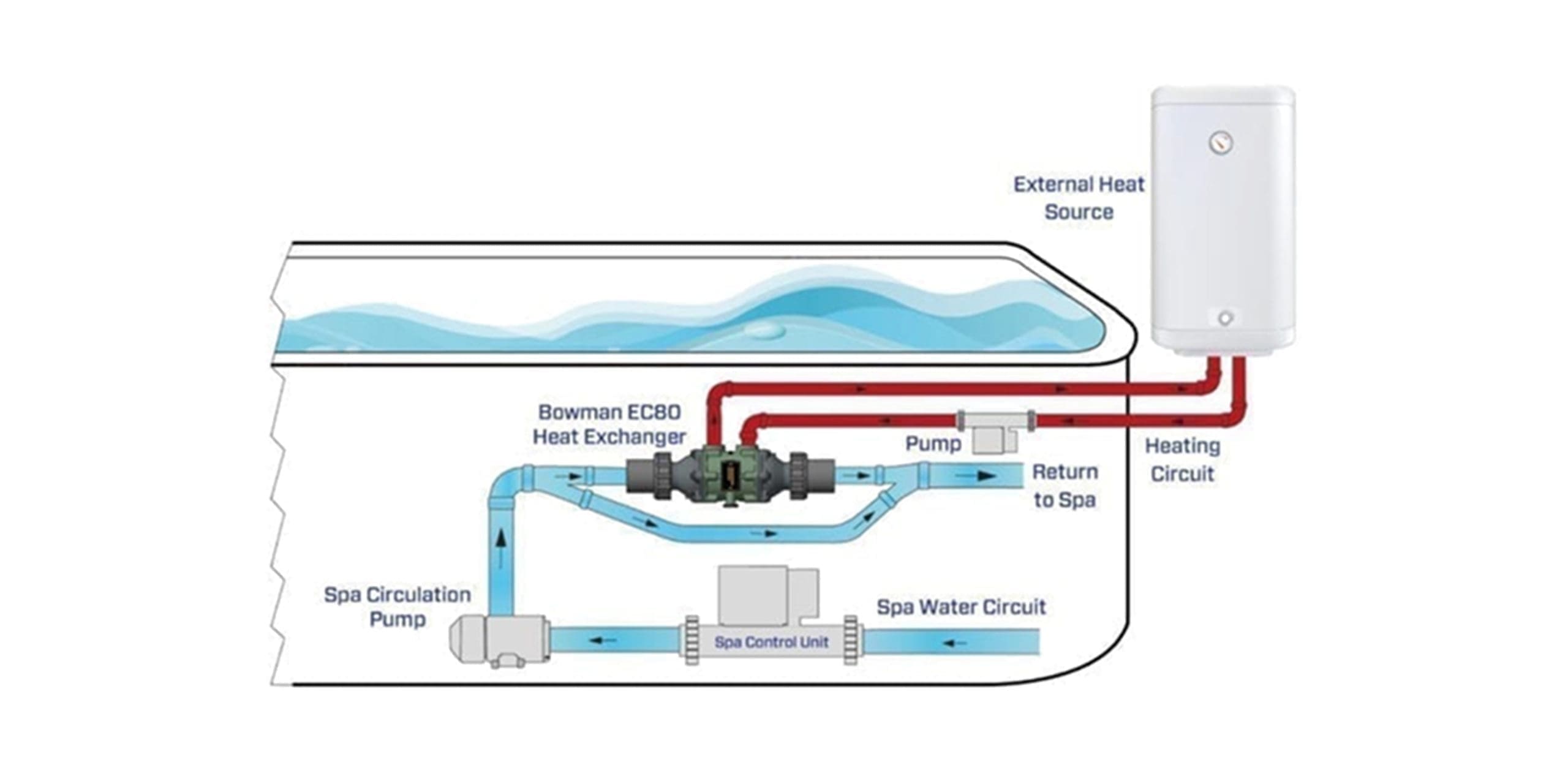
      • Hot Tubs / Spas
        • Hot Tubs / Spas

          An energy efficient solution for heating hot tubs and swim spas faster, significantly reducing heat-up time for guest change-over periods.

      • Swimming Pool
        • Swimming Pool

          Quality heat exchangers for efficient swimming pool heating, using boiler or renewable energy heat sources.

  • Distributors
  • News
  • Knowledge Centre
  • Downloads
  • About Us
  • Contact Us

Heat Exchanger Manufacturers: What to look for in a supplier

Choosing between heat exchanger manufacturers in the UK involves more than comparing product dimensions and prices. The right supplier should understand the demands of your application, recommend suitable materials, and help ensure the selected unit delivers reliable performance over its working life.

From marine engine cooling and hydraulic machinery to CHP systems, swimming pools and specialist industrial processes, every system has different thermal, mechanical and environmental requirements. This guide explains what to look for when selecting a UK heat exchanger supplier.


1. Choose application expertise, not just a product catalogue

A heat exchanger should be selected around the conditions in which it will operate. The fluid being cooled or heated, operating temperature, pressure, flow rate and available installation space all influence the right design.

For example, a heat exchanger used in a chlorinated swimming pool system may need different materials from one used for seawater engine cooling, hydraulic oil cooling or recovering energy from power generation equipment. Selecting a unit without considering these factors can lead to inadequate cooling, corrosion, avoidable maintenance and a shorter service life.

A capable supplier should be able to discuss:

  • The heat load or cooling duty required
  • Fluid type and water quality
  • Operating temperatures and pressures
  • Flow rates and permitted pressure drop
  • Connection sizes and installation space
  • Corrosion risks and suitable materials
  • Access for servicing and routine maintenance


Our heat exchangers are used across a variety of specialist sectors, including swimming pool heating and CHP and power generation applications.


2. Look for relevant industry experience

Heat exchangers have various functions in various industries. A manufacturer or supplier with knowledge of your application is more likely to know the correct type of exchanger you need and to identify potential issues before installation.

Relevant sector experience may include:

  • Engine, gearbox and charge air cooling
  • Electric and hybrid marine propulsion cooling
  • Hydraulic oil cooling for industrial equipment
  • Combined heat and power systems and waste heat recovery
  • Swimming pool, spa and hot tub heating
  • Generator, fuel and process cooling systems
  • Agricultural, construction and off-highway machinery


For marine projects, cooling system design must account for factors such as operating load, seawater conditions, installation constraints and the components being protected. For electric and hybrid vessels, thermal management may also involve batteries, motors, inverters and associated power electronics. We provide further guidance in its article on choosing the right heat exchanger for electric or hybrid marine cooling.

A supplier with relevant experience can help make product selection more efficient and reduce the risk of choosing a unit that is not suited to the operating environment.


3. Assess the available heat exchanger range

Not all systems need a custom-designed system. Where a product line has already been developed, it can offer reliable performance, value added properties, and availability.

When reviewing heat exchanger manufacturers in the UK, look for a range that covers the needs of your application, including:


The product range is only part of the decision. The supplier should also be able to explain which exchanger type is most appropriate for your requirements and why.

For example, shell and tube units are a widely used option across marine, industrial and oil cooling applications. At the same time, inline plate designs may be appropriate where compact installation and efficient heat transfer are priorities.


4. Check material suitability and corrosion resistance

The construction material can be one of the most important decisions when selecting a heat exchanger. Different fluids and operating conditions create different corrosion, fouling and durability risks.

Material selection may be influenced by:

  • Freshwater, seawater or brackish water operation
  • Chlorinated pool or spa water
  • Oil, fuel, glycol or process fluids
  • Temperature and pressure requirements
  • Expected service interval
  • The need for long-term corrosion resistance


For swimming pools, spas and hot tubs, material suitability should reflect the chemistry of the water and the equipment connected to the system. Our guide on how a swimming pool heat exchanger works explains the principle of indirect heating and why correct heat exchanger selection is important.

For suitable water and process cooling applications in industrial applications, stainless steel heat exchangers might be considered. Material choices should always be made for the particular operating conditions, and never assumed to be suitable for all systems.


5. Enquire about quality assurance and documentation

A heat exchanger may be an integral component of a larger system. When it fails or performs poorly, overheating may occur and lead to unplanned maintenance, operational disruption, and/or damage to the connected equipment.

When comparing suppliers, ask about the information and assurance available for the product, such as:

  • Technical specifications and dimensional drawings
  • Performance data
  • Pressure and temperature ratings
  • Installation guidance
  • Maintenance recommendations
  • Product identification and traceability requirements
  • Testing and inspection processes where applicable


Clear documentation helps engineers, installers and maintenance teams confirm that the unit is suitable before it is fitted. It also makes future servicing, replacement and system upgrades easier to manage.

For OEMs and repeat installation projects, consistency of supply and the ability to specify the right product across multiple units can be just as important as the performance of an individual heat exchanger.


6. Evaluate technical support and long-term service

The best heat exchanger suppliers add value before, during and after product selection. Technical support can help prevent errors in sizing, installation and material choice, particularly in more complex marine, industrial and energy applications.

Useful supplier support may include:

  • Assistance with product selection
  • Guidance on flow rates and cooling duty
  • Advice on installation and system layout
  • Support with material selection
  • Product drawings and technical information
  • Recommendations for maintenance and replacement


This is especially important where a heat exchanger protects critical equipment. For example, a correctly specified marine transmission oil cooler can form an important part of a drivetrain cooling system. In contrast, a suitable charge air cooler supports the thermal management of engine induction systems.


7. Compare total value, not only initial cost

Of course, price is a factor, but it shouldn’t be the only one. An inferior heat exchanger that is less expensive but not appropriate for the operating conditions can result in higher costs over time due to decreased performance, early corrosion issues, maintenance, or untimely replacement.

When making a comparison of quotations, you should think about these things:

  • Thermal performance for the specified service
  • Safety aspects of the material and the fluid
  • The products will be subjected to pressure and temperature.
  • Product pressure and temperature capability
  • Installation and connection requirements
  • Maintenance accessibility
  • Product availability and lead time
  • Availability of technical support
  • Expected lifetime cost, rather than purchase price alone


A suitable heat exchanger should provide dependable performance in the real system, not simply meet a basic initial specification.


Choosing the right heat exchanger supplier

The right heat exchanger manufacturer or supplier will combine relevant product knowledge, application experience and practical technical support. They should be able to understand your requirements, identify the key selection criteria and recommend an appropriate solution.

Before making a decision, make sure you can answer these questions:

  • What fluid or fluids will the exchanger handle?
  • What heating or cooling duty is required?
  • What temperatures, pressures and flow rates will it operate at?
  • Is corrosion resistance a key consideration?
  • Is a standard product suitable, or is a more specific solution needed?
  • What installation and maintenance access is available?
  • Does the supplier understand the application and provide useful technical guidance?

Share

Heat Exchanger Manufacturers: What to look for in a supplier

Choosing between heat exchanger manufacturers in the UK involves more than comparing product dimensions and prices. The right supplier should understand the demands of your application, recommend suitable materials, and help ensure the selected unit delivers reliable performance over its working life.

From marine engine cooling and hydraulic machinery to CHP systems, swimming pools and specialist industrial processes, every system has different thermal, mechanical and environmental requirements. This guide explains what to look for when selecting a UK heat exchanger supplier.


1. Choose application expertise, not just a product catalogue

A heat exchanger should be selected around the conditions in which it will operate. The fluid being cooled or heated, operating temperature, pressure, flow rate and available installation space all influence the right design.

For example, a heat exchanger used in a chlorinated swimming pool system may need different materials from one used for seawater engine cooling, hydraulic oil cooling or recovering energy from power generation equipment. Selecting a unit without considering these factors can lead to inadequate cooling, corrosion, avoidable maintenance and a shorter service life.

A capable supplier should be able to discuss:

  • The heat load or cooling duty required
  • Fluid type and water quality
  • Operating temperatures and pressures
  • Flow rates and permitted pressure drop
  • Connection sizes and installation space
  • Corrosion risks and suitable materials
  • Access for servicing and routine maintenance


Our heat exchangers are used across a variety of specialist sectors, including swimming pool heating and CHP and power generation applications.


2. Look for relevant industry experience

Heat exchangers have various functions in various industries. A manufacturer or supplier with knowledge of your application is more likely to know the correct type of exchanger you need and to identify potential issues before installation.

Relevant sector experience may include:

  • Engine, gearbox and charge air cooling
  • Electric and hybrid marine propulsion cooling
  • Hydraulic oil cooling for industrial equipment
  • Combined heat and power systems and waste heat recovery
  • Swimming pool, spa and hot tub heating
  • Generator, fuel and process cooling systems
  • Agricultural, construction and off-highway machinery


For marine projects, cooling system design must account for factors such as operating load, seawater conditions, installation constraints and the components being protected. For electric and hybrid vessels, thermal management may also involve batteries, motors, inverters and associated power electronics. We provide further guidance in its article on choosing the right heat exchanger for electric or hybrid marine cooling.

A supplier with relevant experience can help make product selection more efficient and reduce the risk of choosing a unit that is not suited to the operating environment.


3. Assess the available heat exchanger range

Not all systems need a custom-designed system. Where a product line has already been developed, it can offer reliable performance, value added properties, and availability.

When reviewing heat exchanger manufacturers in the UK, look for a range that covers the needs of your application, including:


The product range is only part of the decision. The supplier should also be able to explain which exchanger type is most appropriate for your requirements and why.

For example, shell and tube units are a widely used option across marine, industrial and oil cooling applications. At the same time, inline plate designs may be appropriate where compact installation and efficient heat transfer are priorities.


4. Check material suitability and corrosion resistance

The construction material can be one of the most important decisions when selecting a heat exchanger. Different fluids and operating conditions create different corrosion, fouling and durability risks.

Material selection may be influenced by:

  • Freshwater, seawater or brackish water operation
  • Chlorinated pool or spa water
  • Oil, fuel, glycol or process fluids
  • Temperature and pressure requirements
  • Expected service interval
  • The need for long-term corrosion resistance


For swimming pools, spas and hot tubs, material suitability should reflect the chemistry of the water and the equipment connected to the system. Our guide on how a swimming pool heat exchanger works explains the principle of indirect heating and why correct heat exchanger selection is important.

For suitable water and process cooling applications in industrial applications, stainless steel heat exchangers might be considered. Material choices should always be made for the particular operating conditions, and never assumed to be suitable for all systems.


5. Enquire about quality assurance and documentation

A heat exchanger may be an integral component of a larger system. When it fails or performs poorly, overheating may occur and lead to unplanned maintenance, operational disruption, and/or damage to the connected equipment.

When comparing suppliers, ask about the information and assurance available for the product, such as:

  • Technical specifications and dimensional drawings
  • Performance data
  • Pressure and temperature ratings
  • Installation guidance
  • Maintenance recommendations
  • Product identification and traceability requirements
  • Testing and inspection processes where applicable


Clear documentation helps engineers, installers and maintenance teams confirm that the unit is suitable before it is fitted. It also makes future servicing, replacement and system upgrades easier to manage.

For OEMs and repeat installation projects, consistency of supply and the ability to specify the right product across multiple units can be just as important as the performance of an individual heat exchanger.


6. Evaluate technical support and long-term service

The best heat exchanger suppliers add value before, during and after product selection. Technical support can help prevent errors in sizing, installation and material choice, particularly in more complex marine, industrial and energy applications.

Useful supplier support may include:

  • Assistance with product selection
  • Guidance on flow rates and cooling duty
  • Advice on installation and system layout
  • Support with material selection
  • Product drawings and technical information
  • Recommendations for maintenance and replacement


This is especially important where a heat exchanger protects critical equipment. For example, a correctly specified marine transmission oil cooler can form an important part of a drivetrain cooling system. In contrast, a suitable charge air cooler supports the thermal management of engine induction systems.


7. Compare total value, not only initial cost

Of course, price is a factor, but it shouldn’t be the only one. An inferior heat exchanger that is less expensive but not appropriate for the operating conditions can result in higher costs over time due to decreased performance, early corrosion issues, maintenance, or untimely replacement.

When making a comparison of quotations, you should think about these things:

  • Thermal performance for the specified service
  • Safety aspects of the material and the fluid
  • The products will be subjected to pressure and temperature.
  • Product pressure and temperature capability
  • Installation and connection requirements
  • Maintenance accessibility
  • Product availability and lead time
  • Availability of technical support
  • Expected lifetime cost, rather than purchase price alone


A suitable heat exchanger should provide dependable performance in the real system, not simply meet a basic initial specification.


Choosing the right heat exchanger supplier

The right heat exchanger manufacturer or supplier will combine relevant product knowledge, application experience and practical technical support. They should be able to understand your requirements, identify the key selection criteria and recommend an appropriate solution.

Before making a decision, make sure you can answer these questions:

  • What fluid or fluids will the exchanger handle?
  • What heating or cooling duty is required?
  • What temperatures, pressures and flow rates will it operate at?
  • Is corrosion resistance a key consideration?
  • Is a standard product suitable, or is a more specific solution needed?
  • What installation and maintenance access is available?
  • Does the supplier understand the application and provide useful technical guidance?

More News from EJ Bowman

You cannot copy content of this page

This site is registered on wpml.org as a development site. Switch to a production site key to remove this banner.