


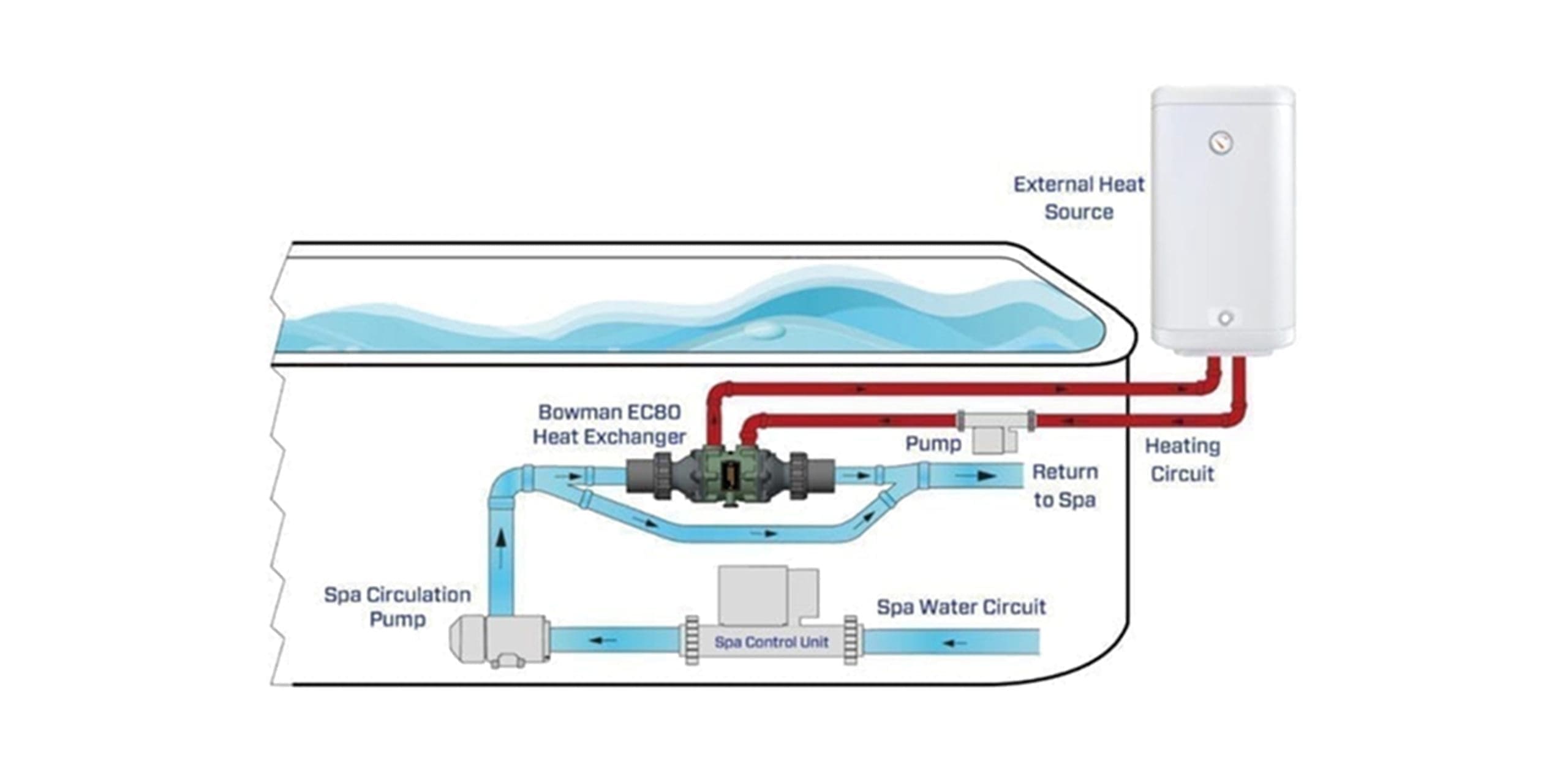

Making Trump Turnberry An Even Greener Golf Destination

How Bowman heat exchangers are helping this internationally renowned golf destination reduce energy costs and CO₂ emissions.
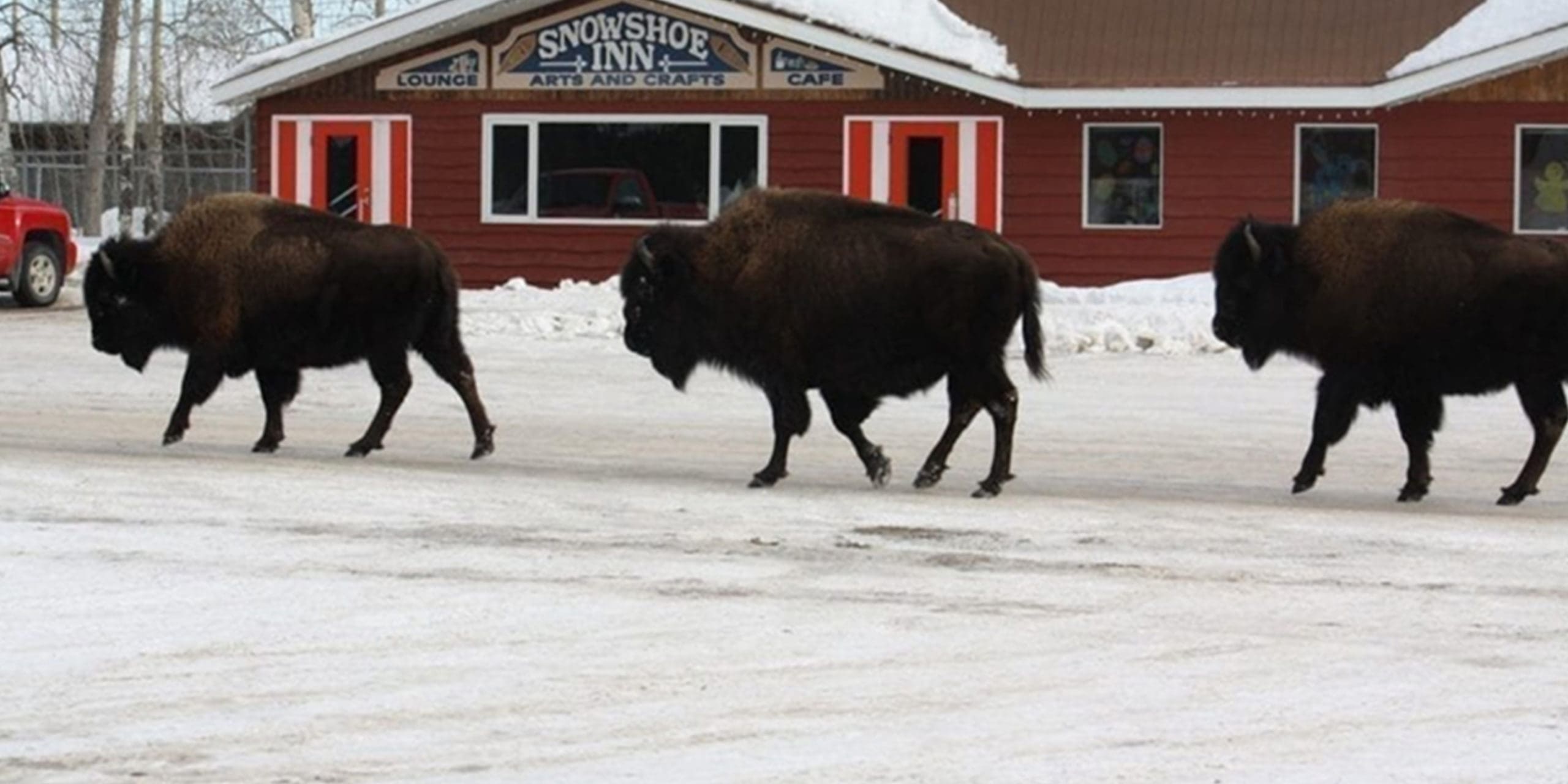
Bowman ‘Star’ in the Canadian Arctic!
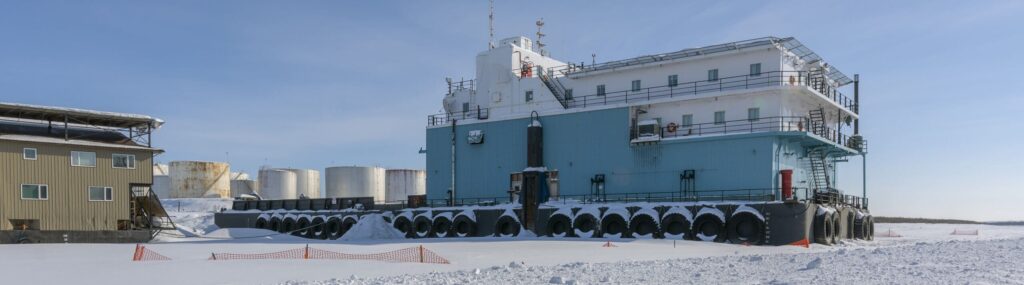
For 12 years, Bowman CHP heat exchangers have provided life-sustaining heat through the harsh North Canadian Winter.
‘Off-grid’ CHP energy in Southern Patagonia, Chile

A Bowman header tank heat exchanger is cooling a CAT gas engine powered generating set and providing heat energy for a luxury hotel in this UNESCO listed national park.
Down on the farm with Bowman

Bowman plate heat exchangers provide the vital link for a new biomass heating system, as this 500 acre rural dairy farm diversifies into tourism.
Bowman’s Hungarian rhapsody

Bowman exhaust gas heat exchangers are at the heart of a CHP solution to turn sewage slurry into valuable heat and power.
Turning food waste into valuable power!
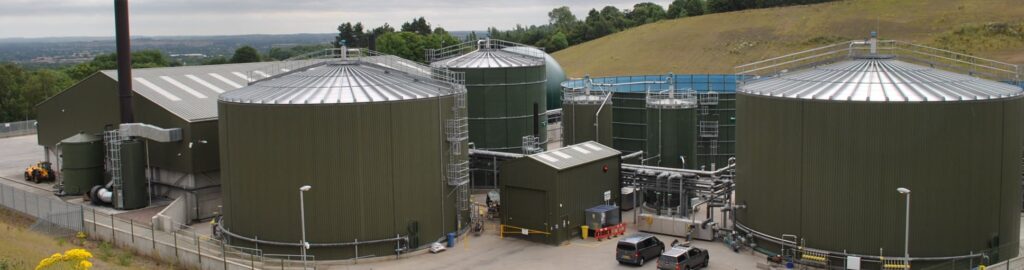
Bowman heat exchangers are playing a vital role in the success of a ‘zero waste’ recycling centre.
Where there’s muck there’s – energy!

New Biogas fuelled CHP solution delivers energy self-sufficiency at Scottish 430 acre livestock farm.
Driving down the cost of grain drying
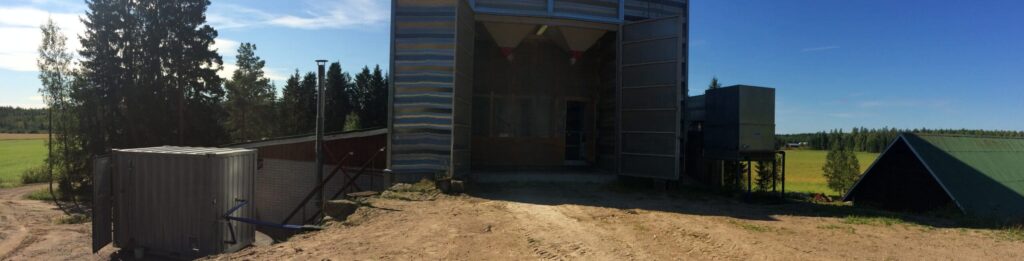
A new ‘closed loop’ grain drying system, using Bowman heat exchangers has significantly reduced energy costs and improved efficiency in Finland.
Life in the ‘deep freeze’!
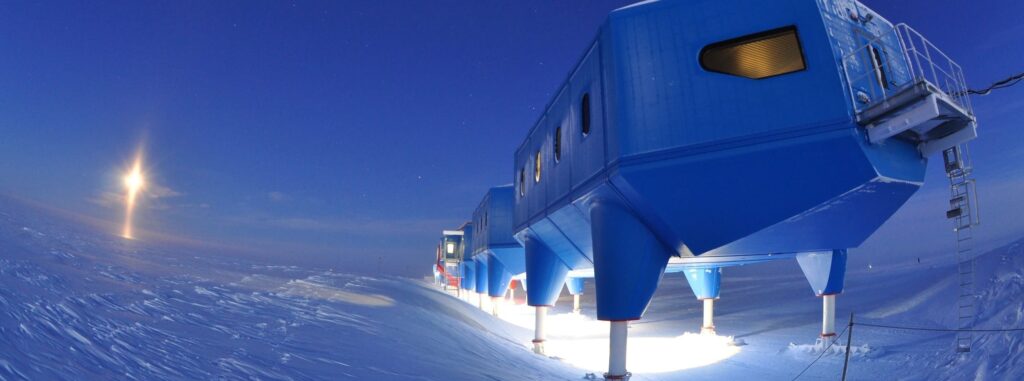
Bowman CHP heat exchangers provide vital heating for the Halley VI Antarctic research station. For the scientists living and working on The British Antarctic Survey’s Halley VI research station, reliable heat and power isn’t a luxury, it’s a matter of life and death.
Bringing affordable power to the Canadian North

Bowman charge air coolers and exhaust gas heat exchangers are playing a key part of a co-generation system that has halved electricity costs for a remote Canadian community. Located in the Northwest Territories of Canada, Fort Providence is a small hamlet of about 800 people, approximately 2,000 km north of the Canada-USA border. Winters are very cold, with temperatures falling to -40°C, making power and heat highly valued and expensive commodities. In 24 of 32 communities in the Northwest Territories, electricity is produced using diesel generators. The commercial rate per kilowatt hour ranges between $0.51 and $0.61 CDN, which is four or five times the utility rates in southern Canada. Diesel has to be trucked or sea-lifted long distances from the south, hence the high cost of power.