• All Products

      • Charge Air Coolers
        • Charge Air Coolers

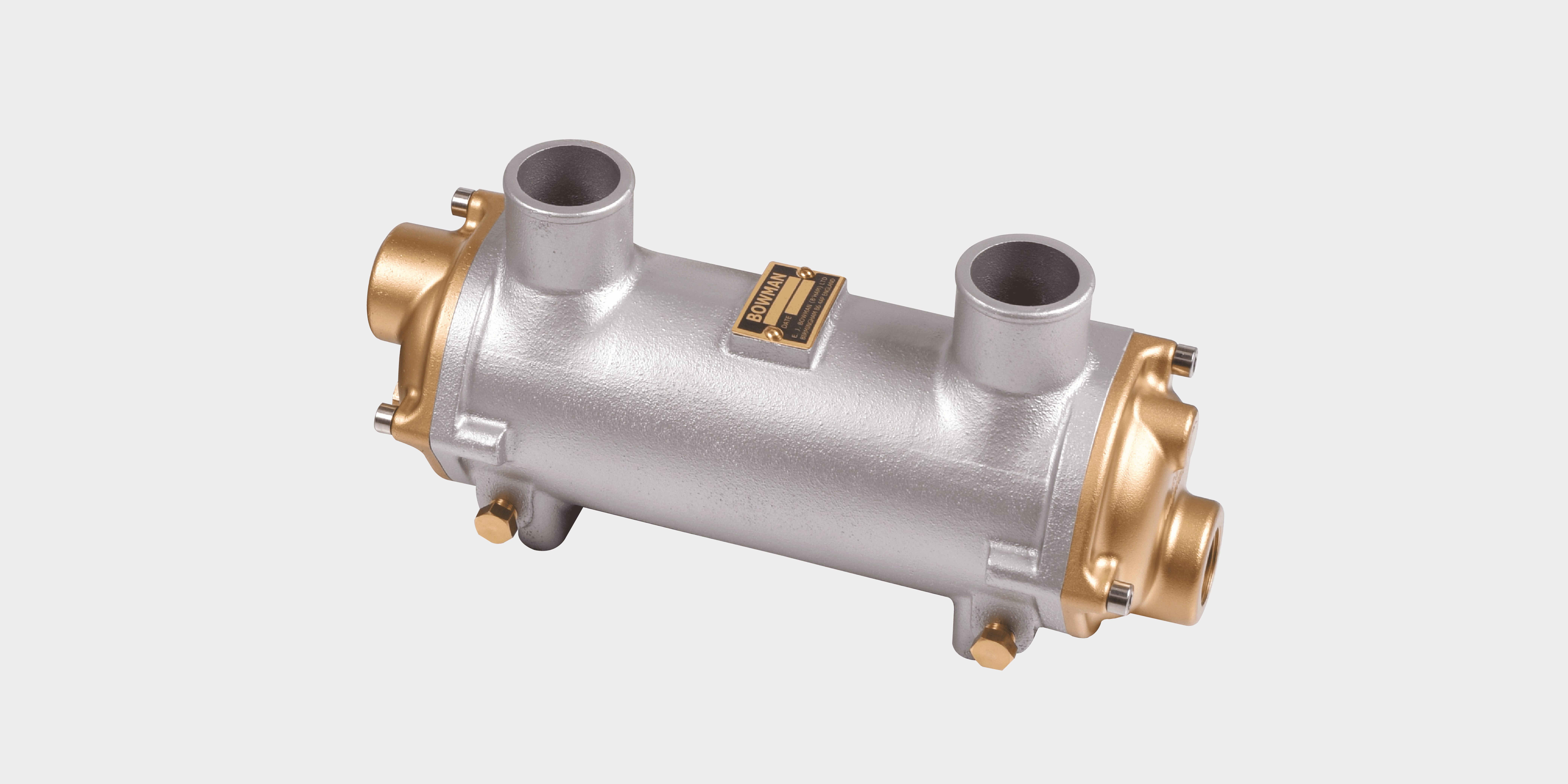
          Used to cool the hot, compressed air from the turbo before it reaches the engine, the intercoolers improve engine efficiency and reduce emissions for marine and land-based stationary engines.
      • Exhaust Gas Heat Exchangers
        • Exhaust Gas Heat Exchangers

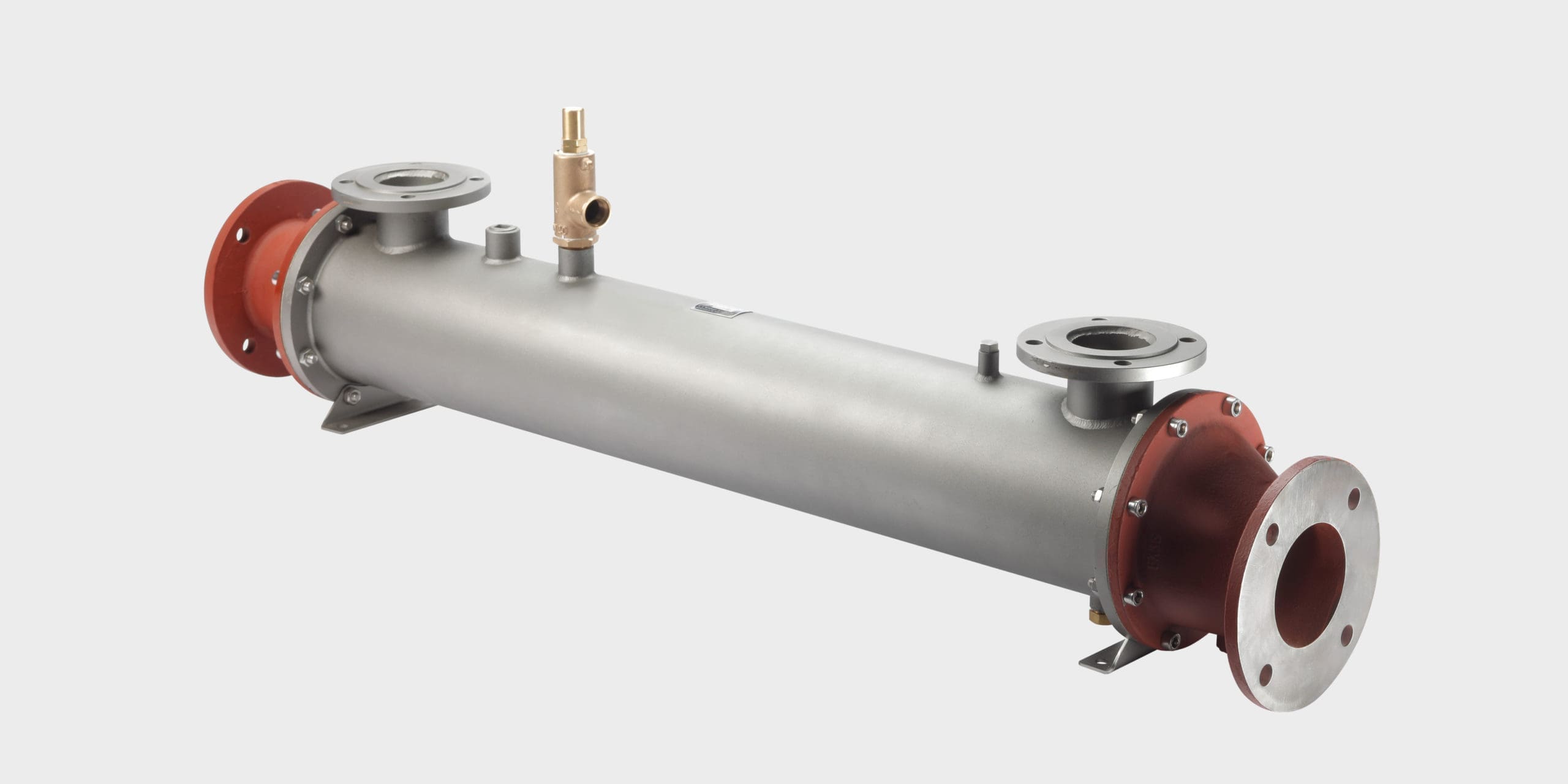
          Exhaust gas heat exchangers are designed to recover waste heat energy from the exhaust stream of reciprocating engine powered generating sets.
      • Fuel Coolers
        • Fuel Coolers

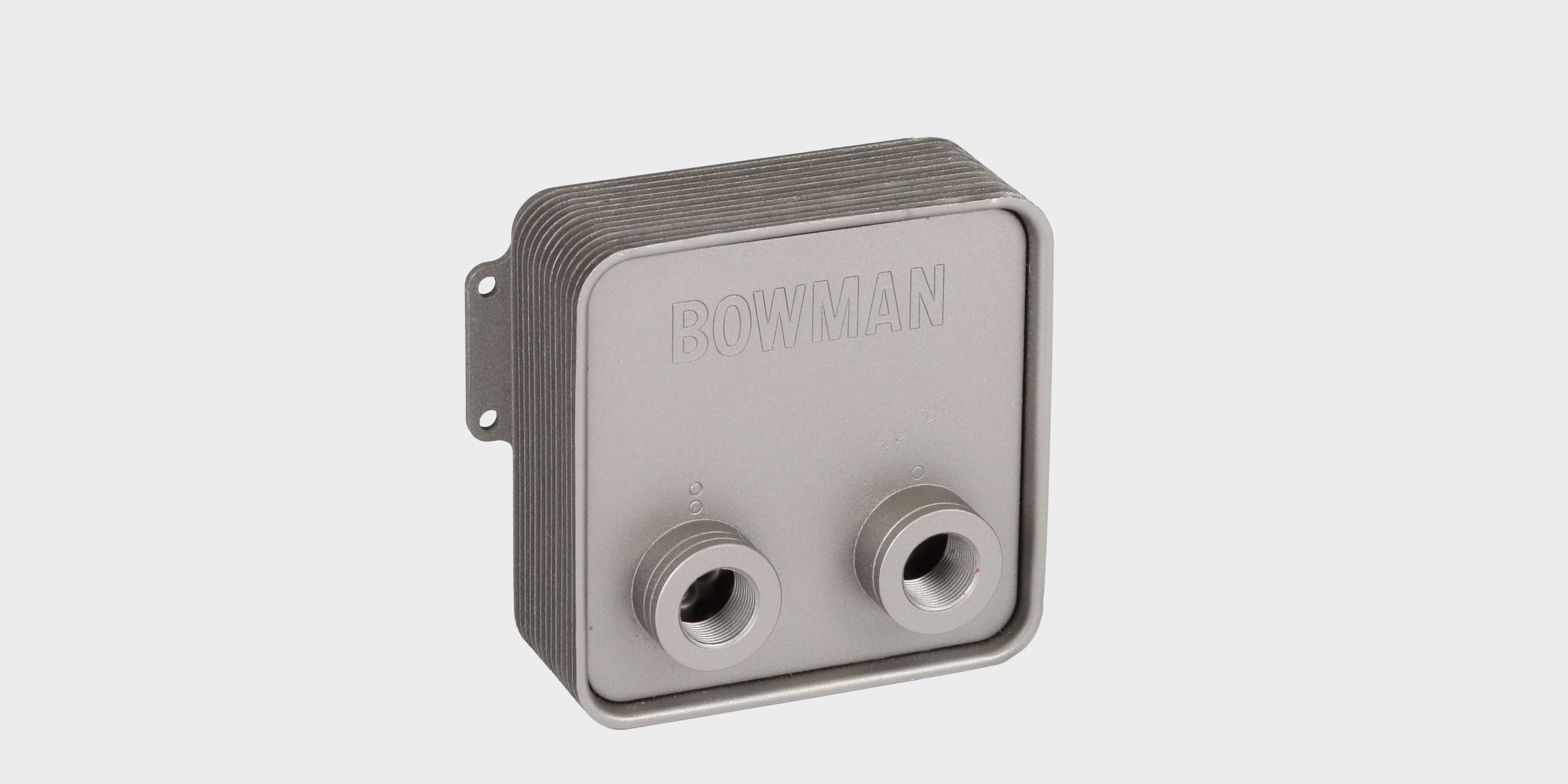
          Bowman 'copper free' fuel coolers are compact, highly efficient heat exchangers suitable for fuel conditioning rigs in the automotive testing industry.
      • Header Tank Heat Exchangers
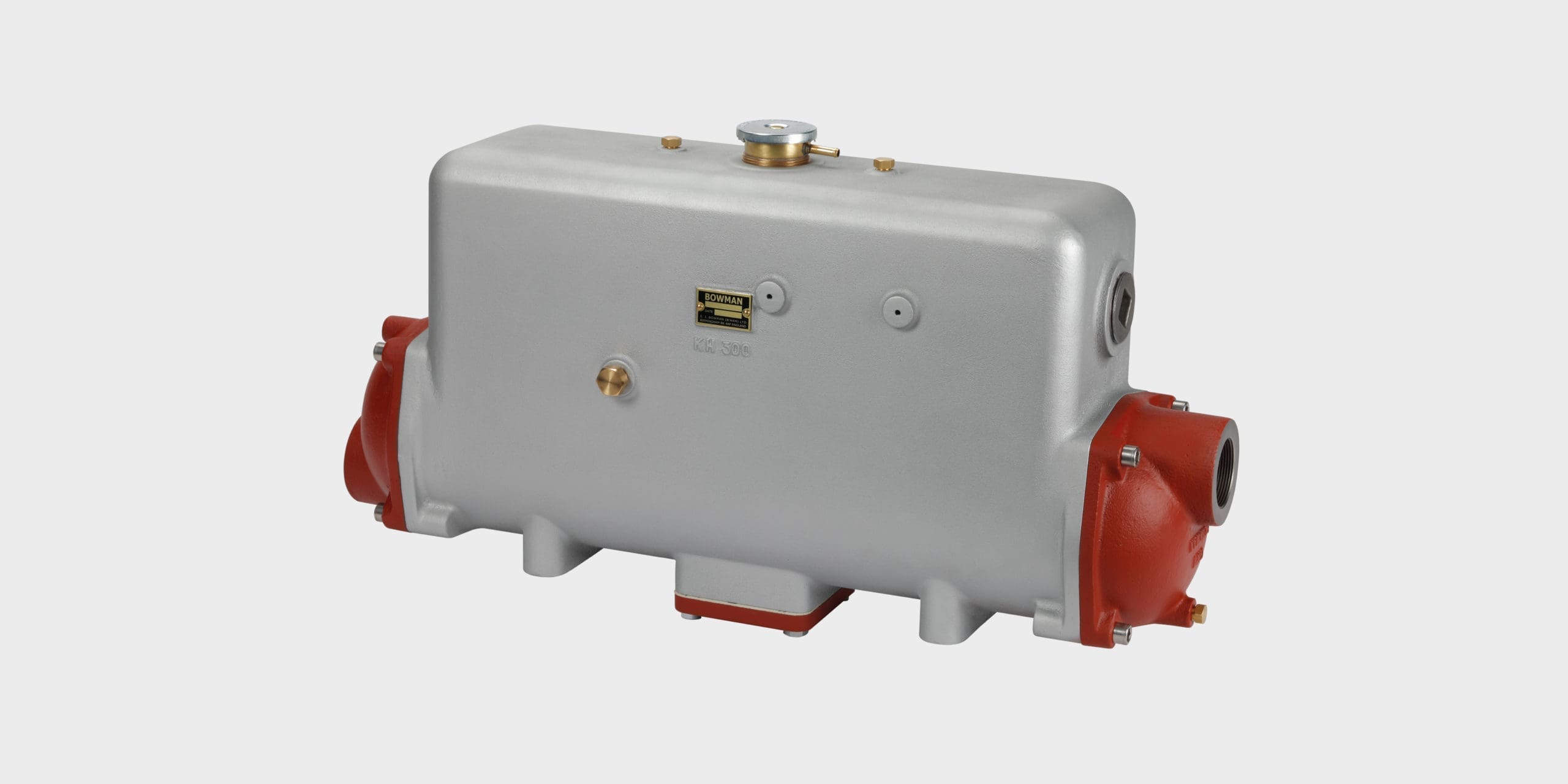
        • Header Tank Heat Exchangers

          Engine coolant header tank heat exchangers for marine propulsion, gensets or stationary land-based engines.
      • Hot Tub Heat Exchangers
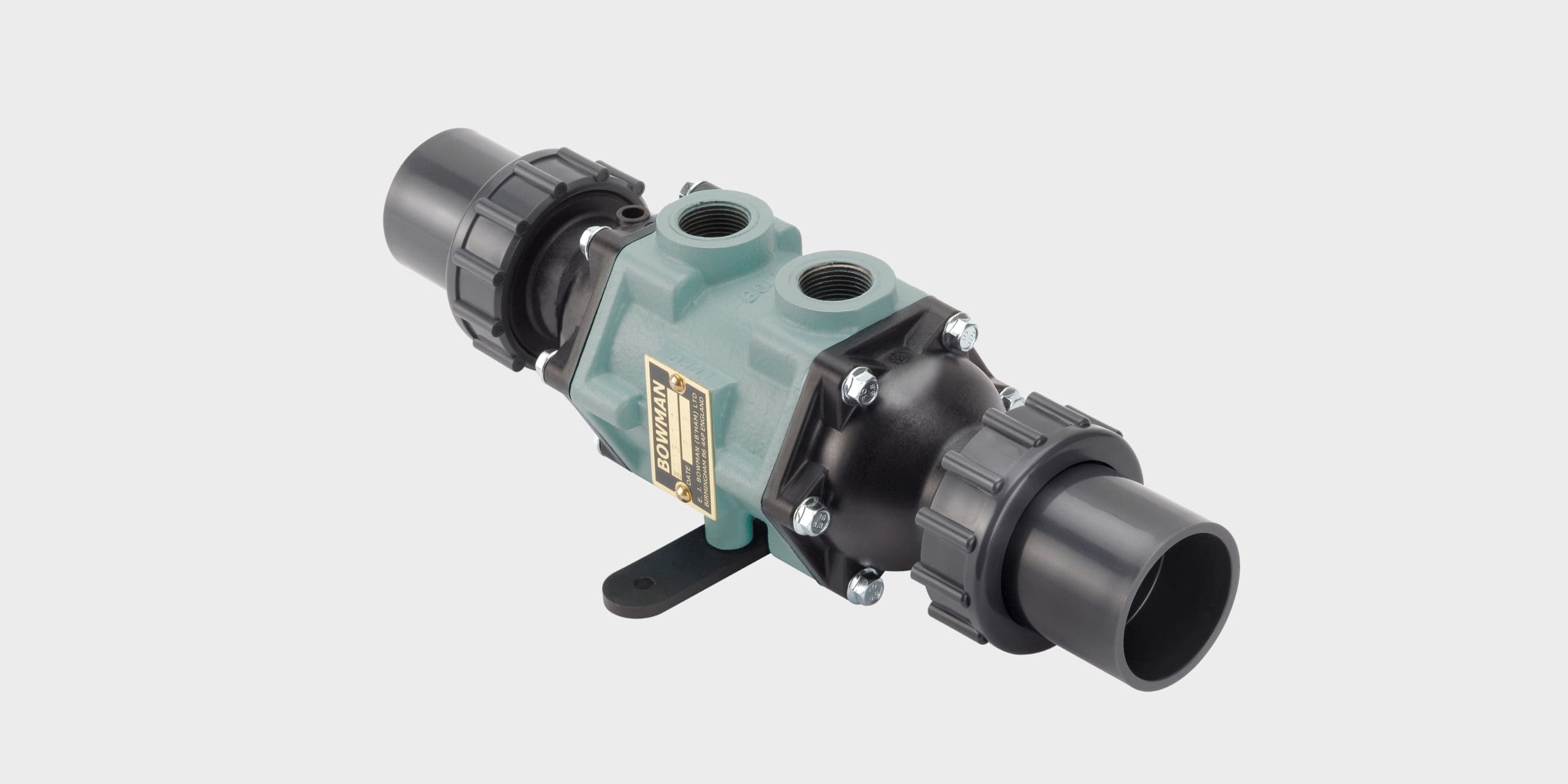
        • Hot Tub Heat Exchangers

          Bowman EC 80-5113-1T heat exchangers provide a new solution for heating spas and hot tubs in just a fraction of the time taken by traditional electric heaters.
      • Hydraulic Oil Coolers
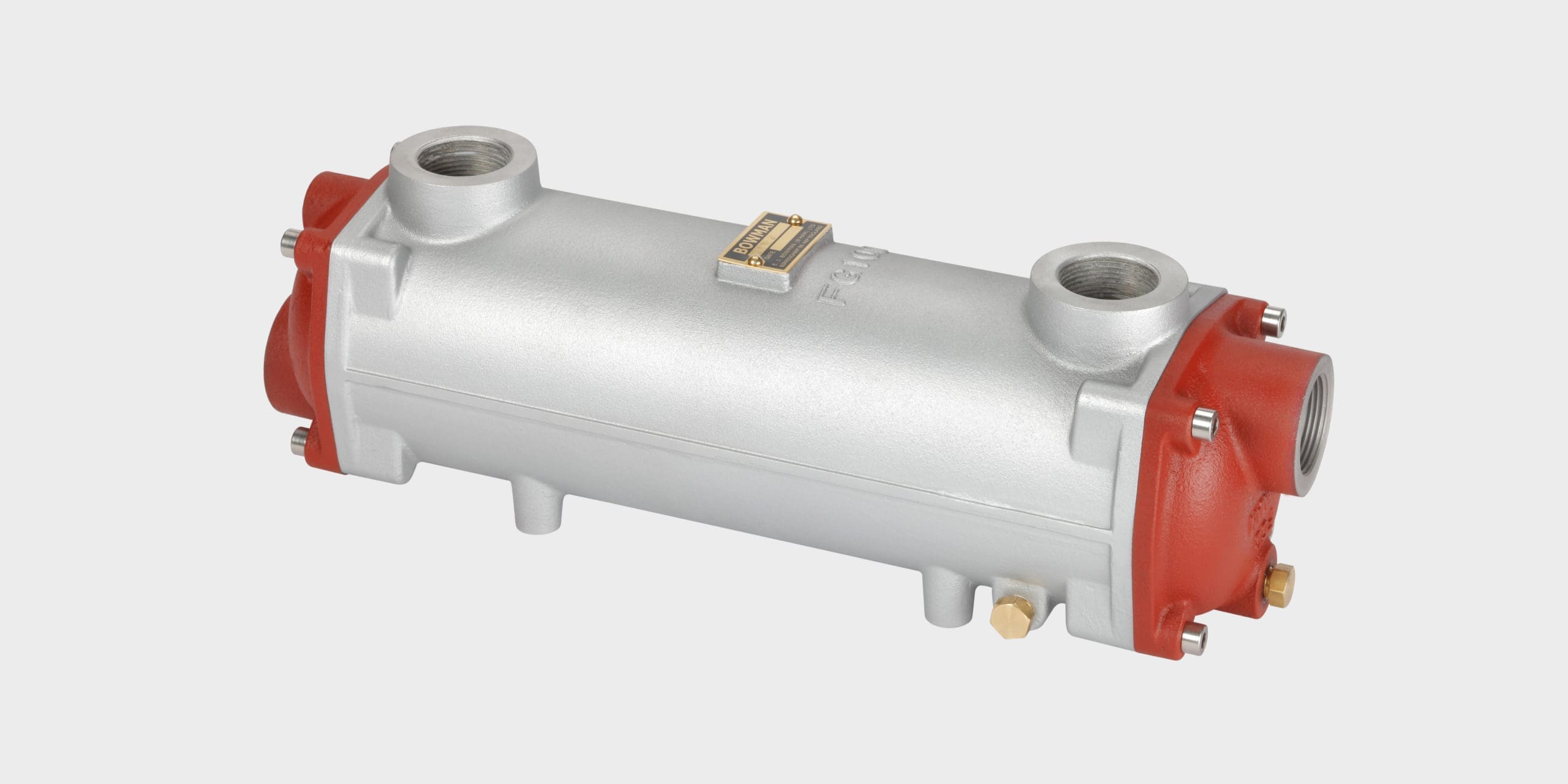
        • Hydraulic Oil Coolers

          Highly efficient heat transfer solutions for cooling marine, land-based and underground hydraulic systems.

      • Inline Plate Type Heat Exchangers
        • Inline Plate Type Heat Exchangers

          Bowman inline plate heat exchangers are a compact, economical solution for high efficiency heat transfer.

      • Marine Engine Coolers
        • Marine Engine Coolers

          Bespoke cooling solutions for a range of popular marine engines from major OEMs, including coolant heat exchangers, charge air coolers, plus combined heat exchangers and exhaust manifolds, suitable for cooling marine engines up to 1 MW.
      • Marine Transmission Oil Coolers
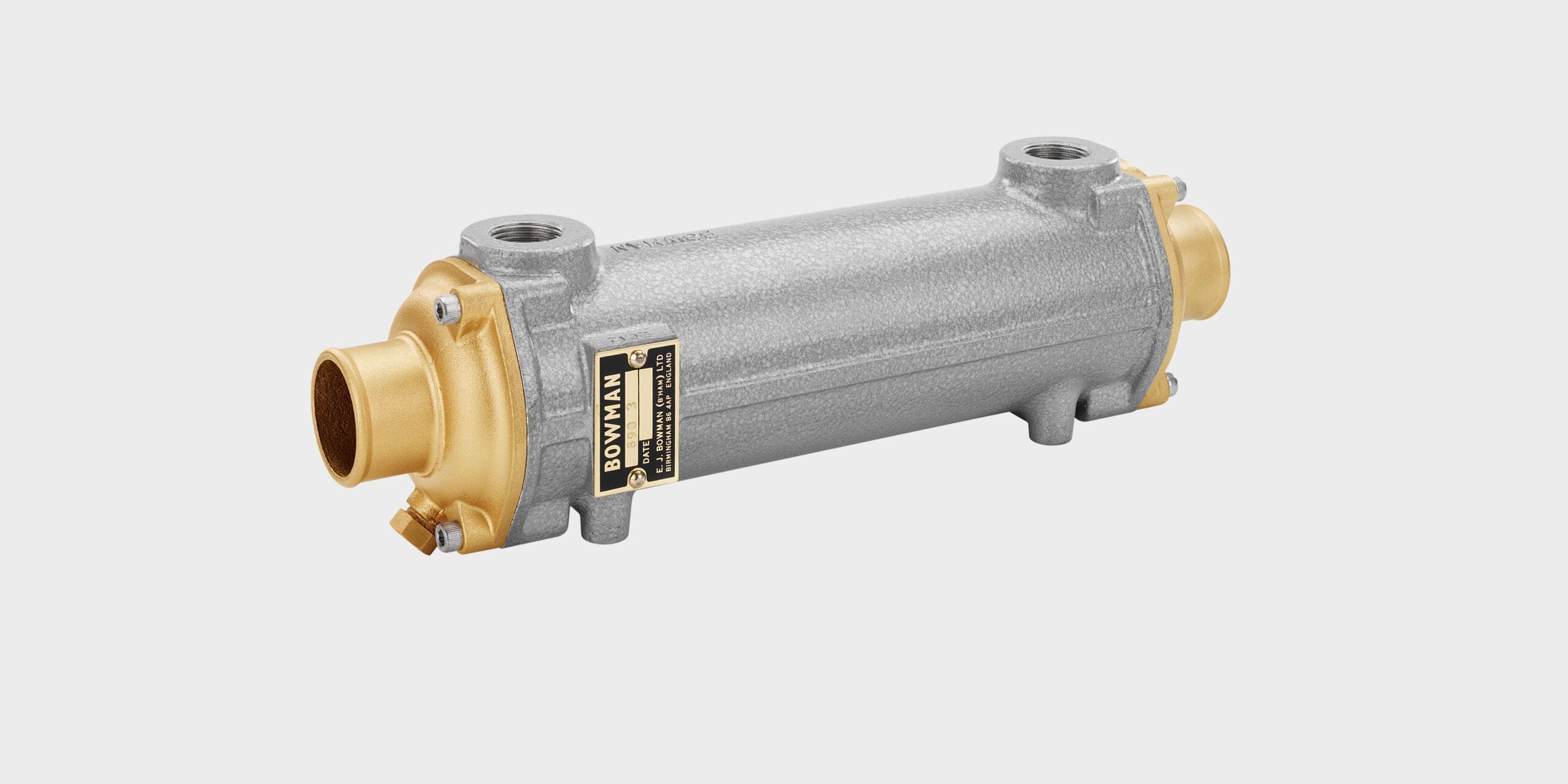
        • Marine Transmission Oil Coolers

          Bowman has a range of highly efficient oil coolers designed for marine and industrial engines and transmissions.
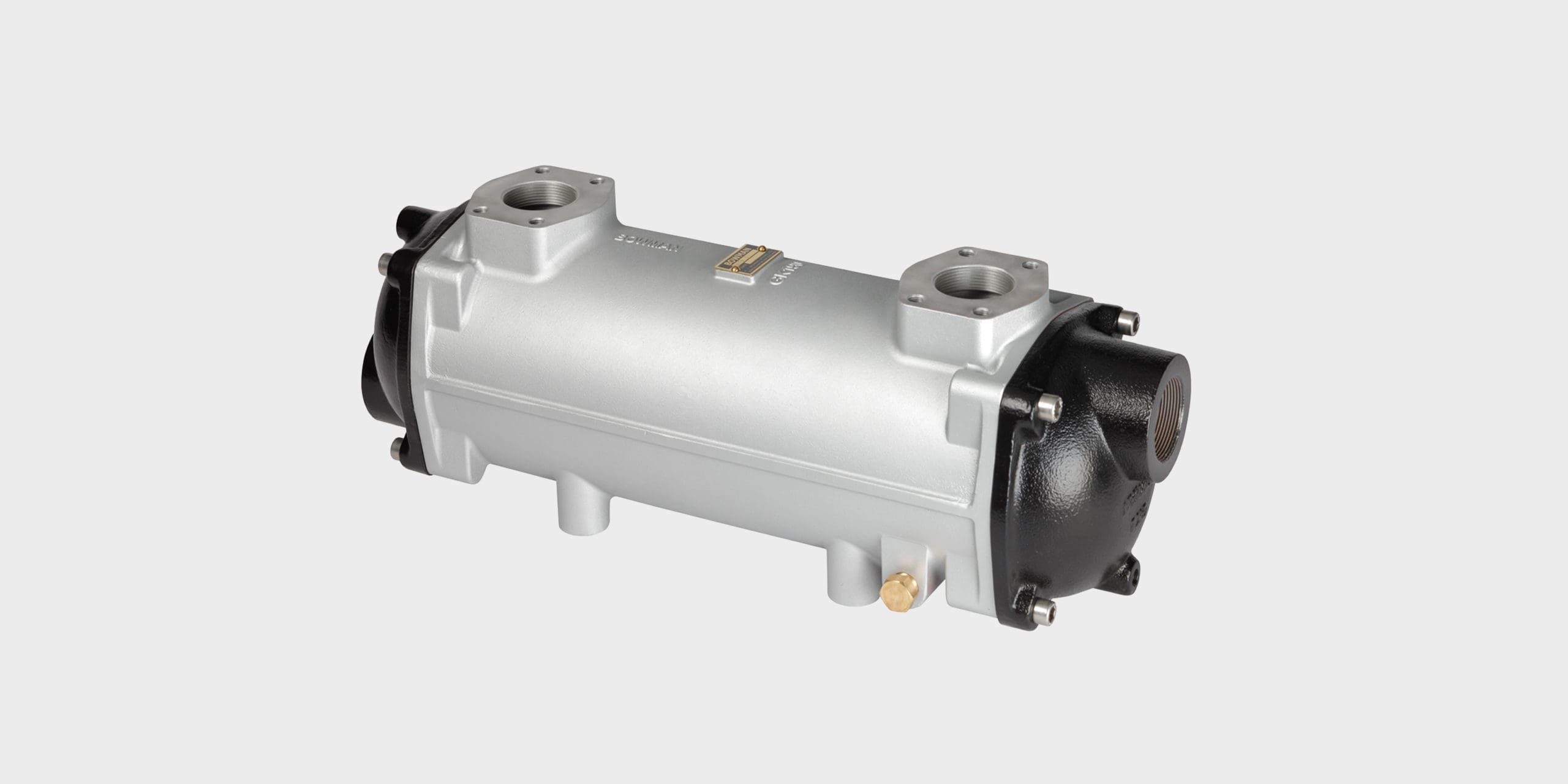
      • Electric and Hybrid Coolers
        • Electric and Hybrid Coolers

          Efficient heat exchangers for cooling electric marine motors, hydrogen fuel cells, battery packs, chargers, AC-DC converters, DC-DC converters, inverters and associated equipment for electric and hybrid marine propulsion and charging systems.
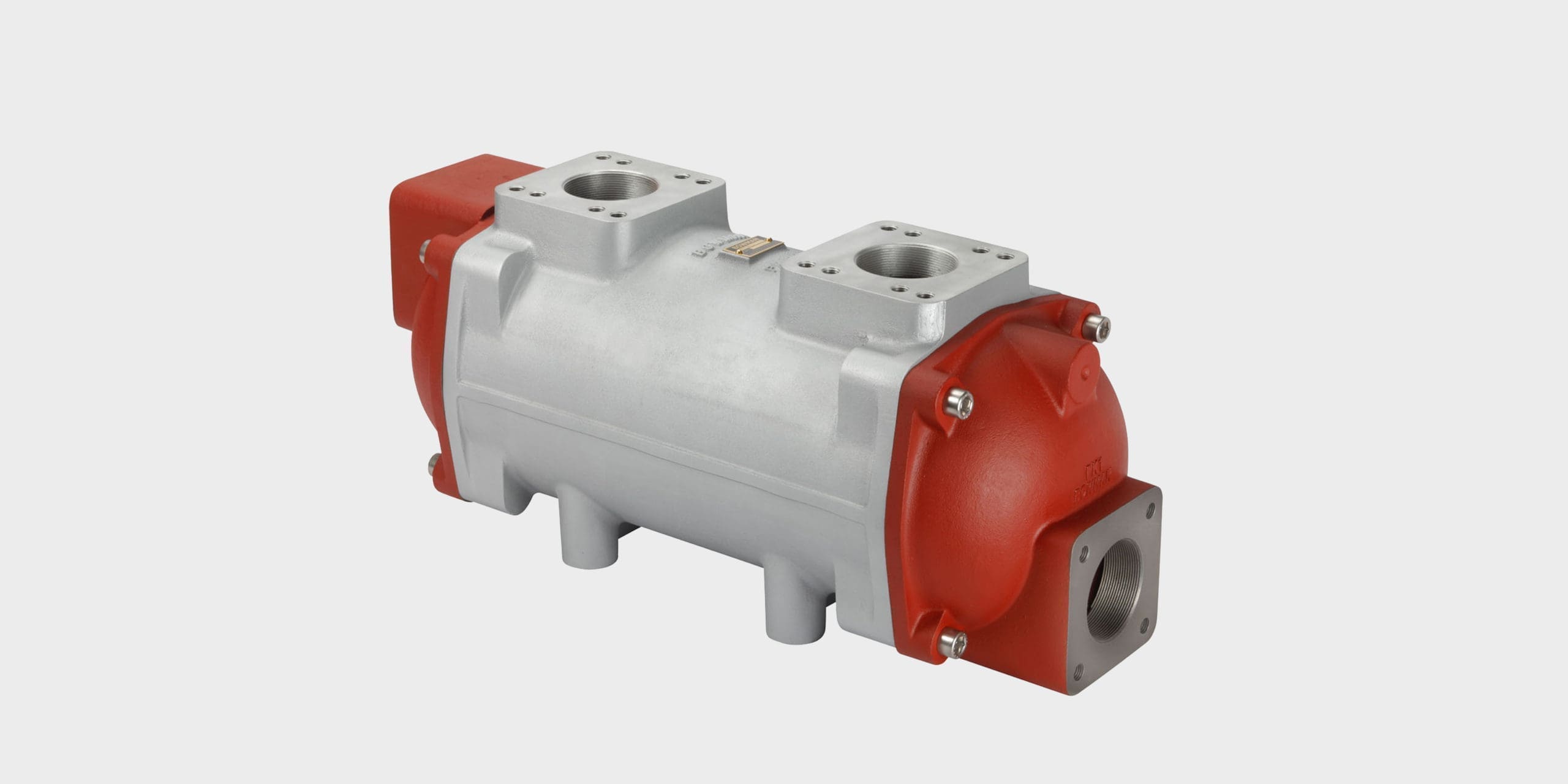
      • Shell and Tube Heat Exchangers
        • Shell and Tube Heat Exchangers

          Highly efficient heat transfer solutions for cooling a variety of applications where air and fluids need to be cooled by fluids.
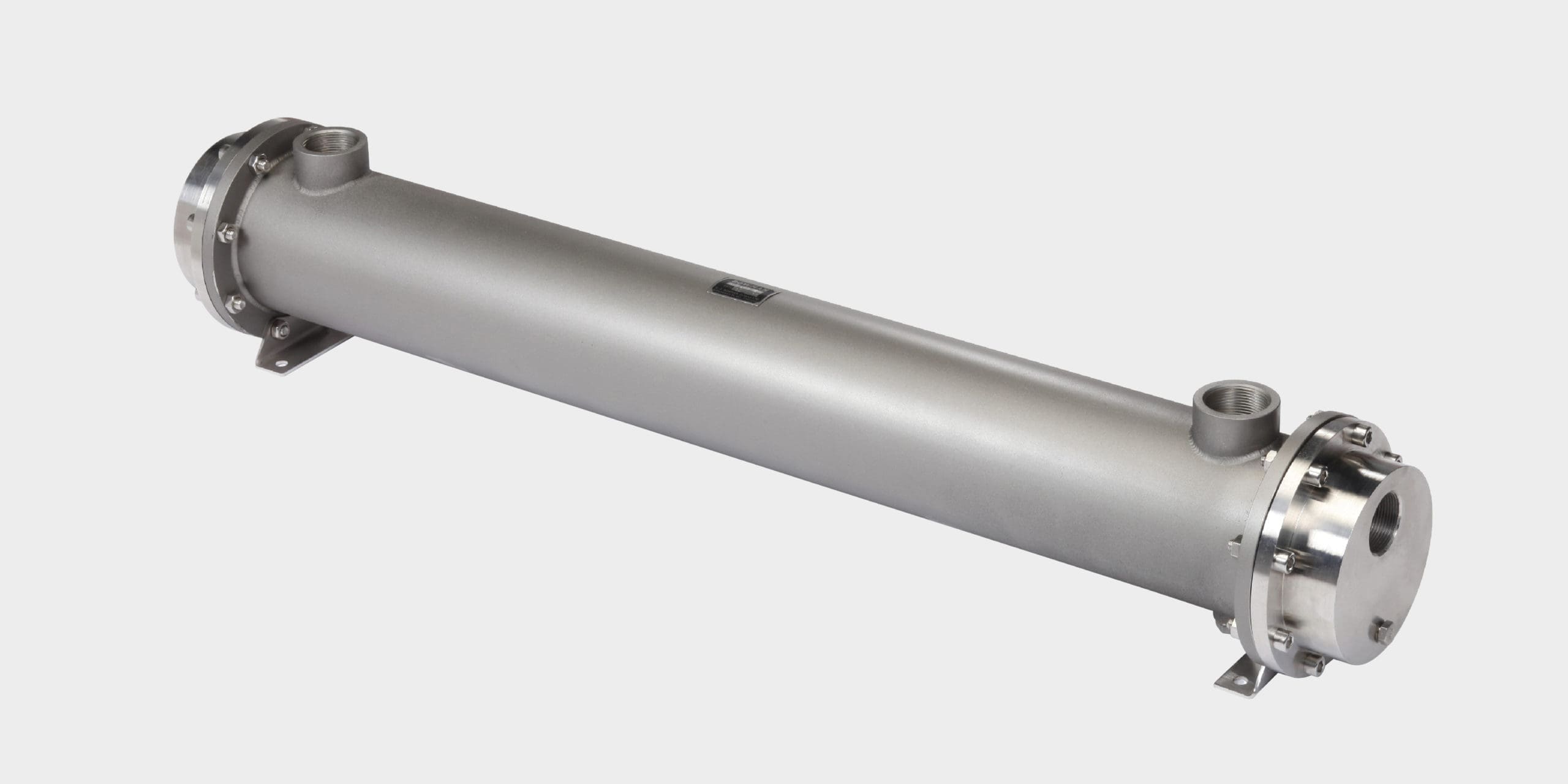
      • Stainless Steel Heat Exchangers
        • Stainless Steel Heat Exchangers

          Many applications require stainless steel shell and tube heat exchangers and Bowman provide a standard range of units that are suitable for cooling or heating a variety of fluids.
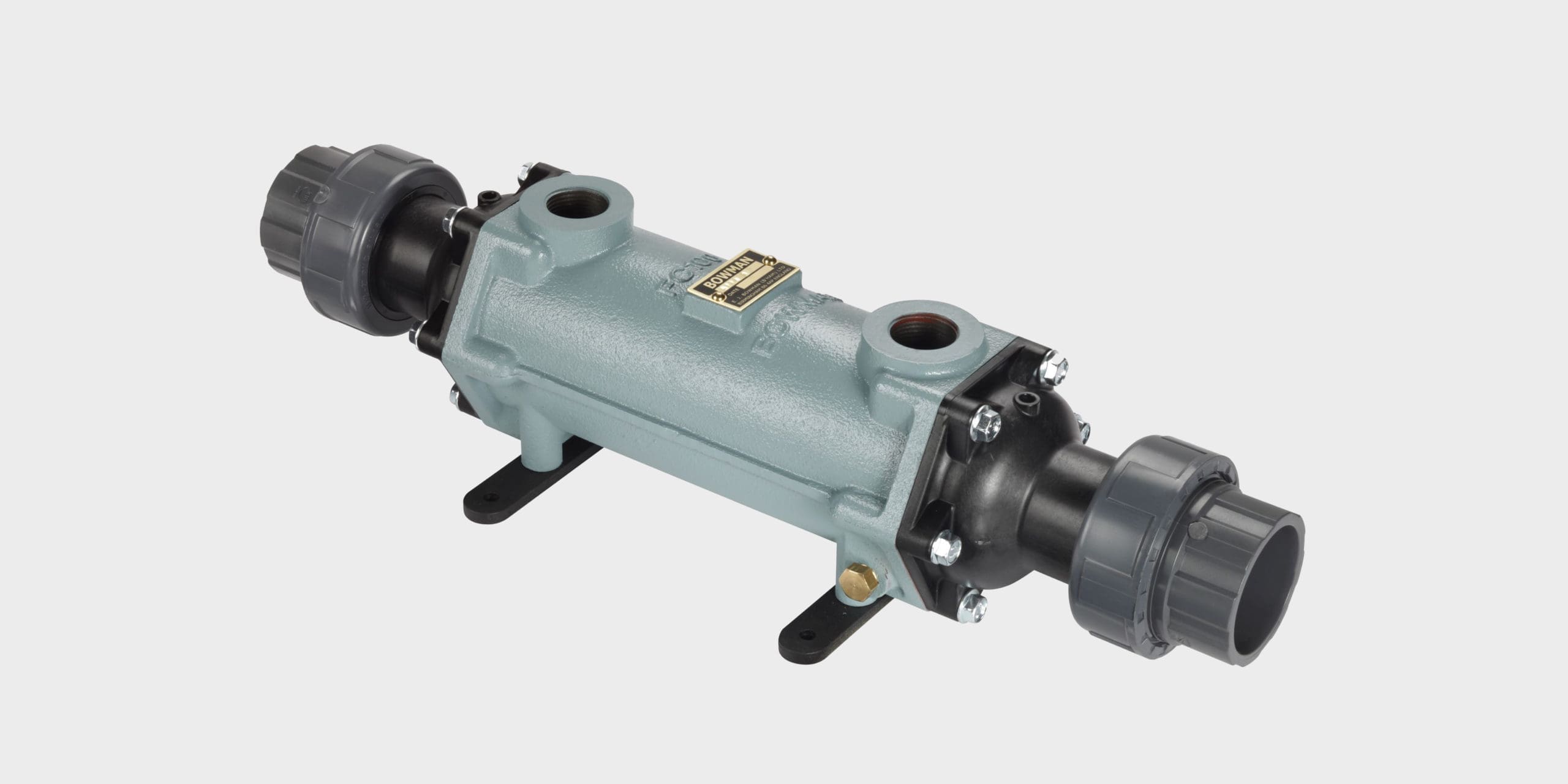
      • Swimming Pool Heat Exchangers
        • Swimming Pool Heat Exchangers

          Bowman swimming pool heat exchangers are renowned for reliability and efficiency. Whether heating your pool with a traditional boiler or a renewable energy source, Bowman is the obvious choice.
    • All Applications

      • Automotive Testing
        • Automotive Testing

          Premium quality heat exchangers and oil coolers for precise temperature control of engines under test cell development conditions.

      • CHP / Co-Generation
        • CHP / Co-Generation

          Recovering waste heat energy from engine powered generating sets for biogas, diesel and natural gas applications up to 1 MW.
      • Engine Cooling Solutions
        • Engine Cooling Solutions

          Efficient cooling for stationary / land-based engines where air cooling is either unavailable or inappropriate.
      • Electric & Hybrid Marine
        • Electric & Hybrid Marine

          The reliable solution for cooling Electric & Hybrid Marine Propulsion Systems.
      • Industrial Hydraulics
        • Industrial Hydraulics

          A comprehensive oil cooling solution for industrial hydraulic control systems, plus high temperature and mining applications.
      • Marine Hydraulics
        • Marine Hydraulics

          A complete solution for cooling complex on-board hydraulic equipment, including thruster and stabiliser systems.

      • Marine Propulsion
        • Marine Propulsion

          The complete cooling solution for marine engine propulsion, including the latest electric and hybrid systems.
      • Hot Tubs / Spas
        • Hot Tubs / Spas

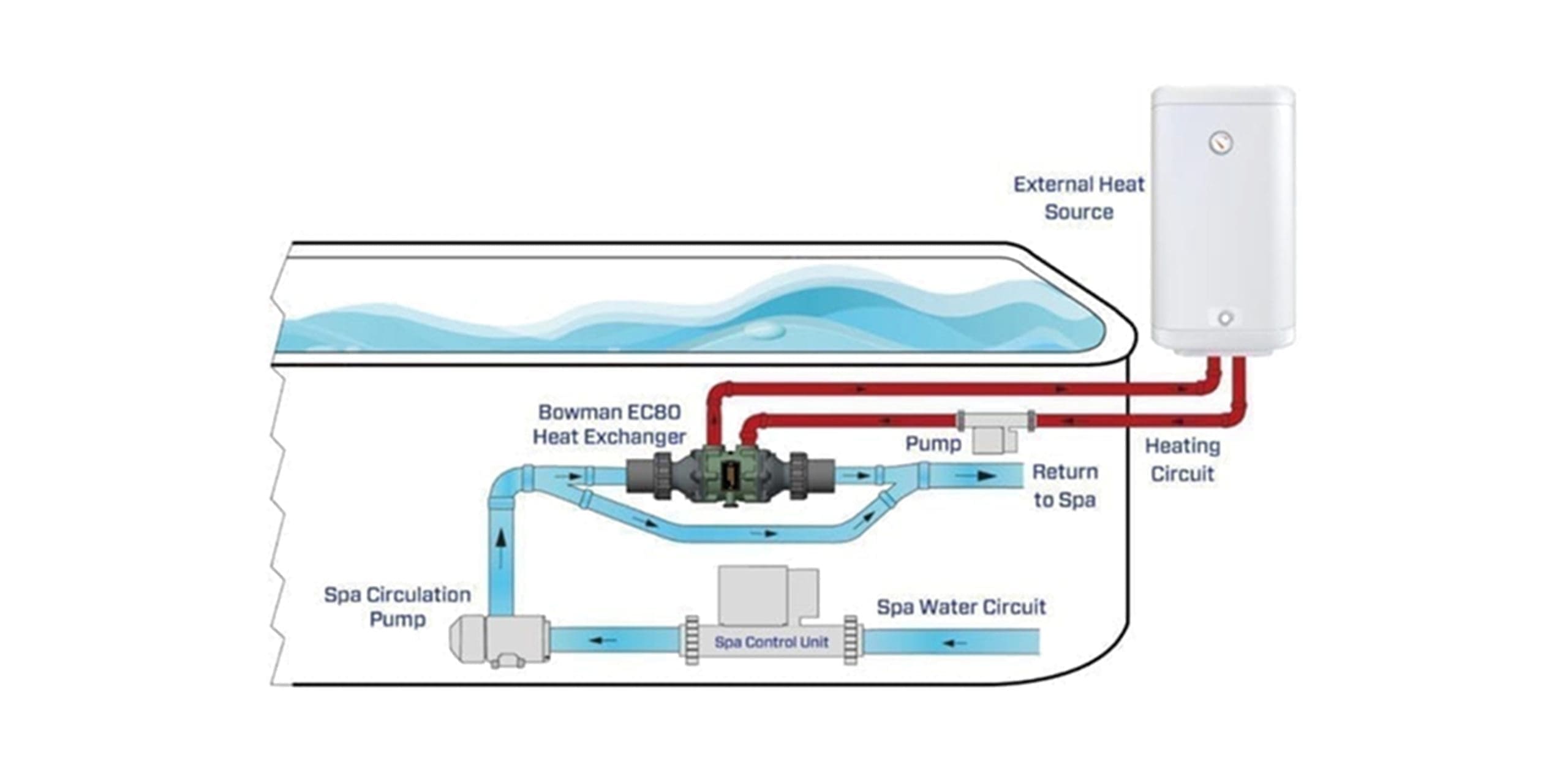
          An energy efficient solution for heating hot tubs and swim spas faster, significantly reducing heat-up time for guest change-over periods.

      • Swimming Pool
        • Swimming Pool

          Quality heat exchangers for efficient swimming pool heating, using boiler or renewable energy heat sources.

  • Distributors
  • News
  • Knowledge Centre
  • Downloads
  • About Us
  • Contact Us

How to size a heat exchanger for a swimming pool

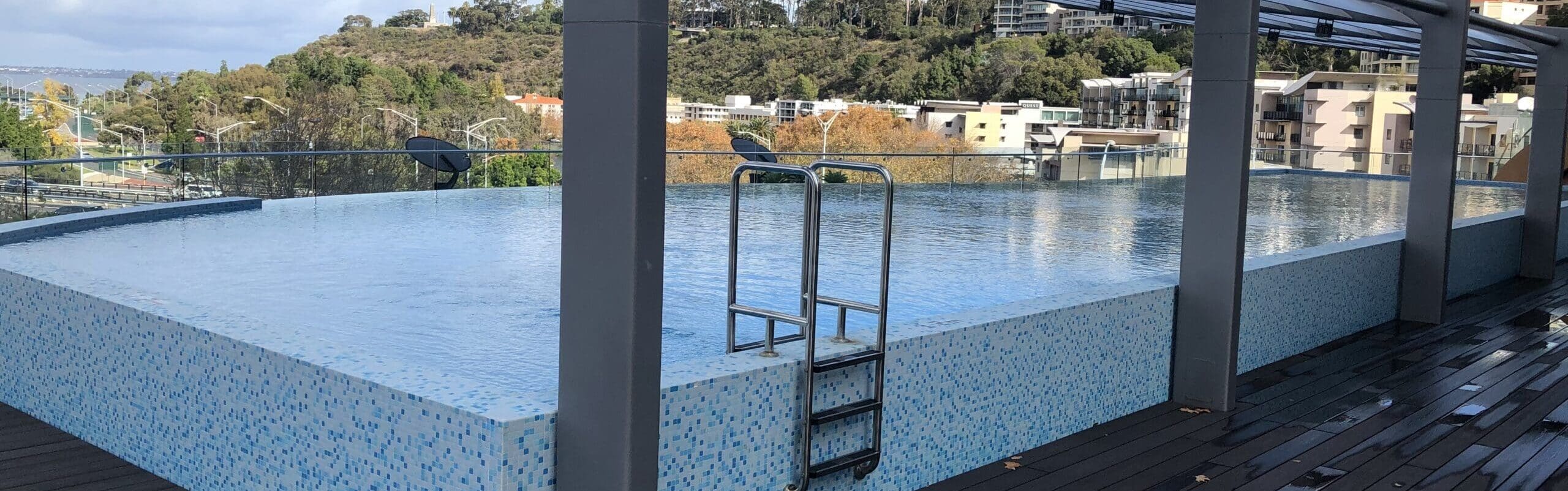
If you are a pool owner, planning on installing a new pool, or simply want to change your existing pool heating system, deciding on the right size heat exchanger is an important step for efficient and reliable heating of your pool. The right sized heat exchanger will ensure your pool reaches and holds just the right temperature without wasting energy and without placing undue strain on your heating system. In this guide, we will take you through the basics involved in sizing a heat exchanger for your swimming pool.


Introduction to heat exchangers for swimming pools

Swimming pool heat exchangers transfer heat from an external source, such as a boiler or heat pump, to your pool water. Unlike electric heaters, they don’t generate heat themselves but use the principle of thermal transfer to move energy from one circuit (the heat source) to another (the pool water). This method is highly energy-efficient and can dramatically reduce heating costs.


Factors to consider when sizing a heat exchanger

Before selecting a heat exchanger, several key factors must be considered. The most fundamental is your pool’s volume, which determines how much water needs to be heated. You’ll also need to consider the heat load (kW rating) of your heat source, as boilers, heat pumps, and solar systems all operate at different temperatures and flow rates.

Flow rates of pool water and boiler circuits are very important to guarantee the most effective heat transfer. The temperature differential, or difference between your hot water and the pool water temperature, that you want to maintain also has a significant effect on sizing.

Lastly, heat exchanger materials, either titanium, copper-nickel or stainless steel, must be in line with your pool’s water chemistry and water treatment method, to guarantee years of service and corrosion resistance.


Step-by-step guide to sizing a heat exchanger

To start, calculate your pool’s volume by multiplying the length, width, and average depth for a rectangular pool. Use the appropriate geometric formulas or consult a professional for round or irregularly shaped pools. Once you have your pool volume, determine the temperature you want your pool to reach and the temperature of your heat source. Providing optimum flow rates are achieved, the greater the temperature difference between the hot water and the pool water will enhance the efficiency of the heat exchanger.

Next, refer to the manufacturer’s sizing charts. For example, EJ Bowman provides detailed guides that match pool volume and desired temperature increase to the appropriate heat exchanger model. If you have a 50-cubic-meter pool and want to raise the temperature by 10 degrees Celsius, you’ll find a recommended heat exchanger size based on your boiler’s output temperature. If your heat source operates at a lower temperature, such as with a heat pump or solar system, you may need a larger heat exchanger to achieve the same results.

It’s also important to check the flow rates for both your pool water and boiler circuits. A flow rate that is too low can reduce heat transfer efficiency, while a rate that is too high can cause excessive pressure drops or even damage the exchanger. Many pool systems use a bypass to manage flow rates and protect the heat exchanger from excessive flow rates.


Common mistakes to avoid when sizing

One of the most common mistakes is underestimating the required size. Choosing a heat exchanger that is too small for your pool volume or heat source will result in slow heating and higher energy bills.

Another mistake is ignoring flow rates; inadequate flow can significantly reduce performance.

Using the wrong material for your pool water chemistry, such as stainless steel in a saltwater pool, can lead to premature corrosion and failure.

Finally, poor installation practices, such as placing the heat exchanger in a location that receives direct chemical dosing, can damage the unit.


Tips for optimal heat exchanger performance

To get the best performance from your heat exchanger, maintain balanced water chemistry and regularly inspect the unit for signs of scaling or corrosion. Ensure that your pool and boiler pumps deliver the correct flow rates as the manufacturer recommends. Installing a thermostat on the pool water inlet can help automate temperature control and prevent overheating. In colder climates, drain the heat exchanger before winter to avoid frost damage.


Conclusion

It is not necessary for you to have a complicated process of sizing your heat exchanger for your pool. Knowing the volume of your pool, heat source, and principles of heat transfer can help you choose a system that will warm your pool, be energy-efficient, and provide a comfortable temperature for your pool all year round. For maximum effectiveness, refer to manufacturer guides such as those by Bowman. The right approach will give you perfectly heated pool water for years.


Share

How to size a heat exchanger for a swimming pool

If you are a pool owner, planning on installing a new pool, or simply want to change your existing pool heating system, deciding on the right size heat exchanger is an important step for efficient and reliable heating of your pool. The right sized heat exchanger will ensure your pool reaches and holds just the right temperature without wasting energy and without placing undue strain on your heating system. In this guide, we will take you through the basics involved in sizing a heat exchanger for your swimming pool.


Introduction to heat exchangers for swimming pools

Swimming pool heat exchangers transfer heat from an external source, such as a boiler or heat pump, to your pool water. Unlike electric heaters, they don’t generate heat themselves but use the principle of thermal transfer to move energy from one circuit (the heat source) to another (the pool water). This method is highly energy-efficient and can dramatically reduce heating costs.


Factors to consider when sizing a heat exchanger

Before selecting a heat exchanger, several key factors must be considered. The most fundamental is your pool’s volume, which determines how much water needs to be heated. You’ll also need to consider the heat load (kW rating) of your heat source, as boilers, heat pumps, and solar systems all operate at different temperatures and flow rates.

Flow rates of pool water and boiler circuits are very important to guarantee the most effective heat transfer. The temperature differential, or difference between your hot water and the pool water temperature, that you want to maintain also has a significant effect on sizing.

Lastly, heat exchanger materials, either titanium, copper-nickel or stainless steel, must be in line with your pool’s water chemistry and water treatment method, to guarantee years of service and corrosion resistance.


Step-by-step guide to sizing a heat exchanger

To start, calculate your pool’s volume by multiplying the length, width, and average depth for a rectangular pool. Use the appropriate geometric formulas or consult a professional for round or irregularly shaped pools. Once you have your pool volume, determine the temperature you want your pool to reach and the temperature of your heat source. Providing optimum flow rates are achieved, the greater the temperature difference between the hot water and the pool water will enhance the efficiency of the heat exchanger.

Next, refer to the manufacturer’s sizing charts. For example, EJ Bowman provides detailed guides that match pool volume and desired temperature increase to the appropriate heat exchanger model. If you have a 50-cubic-meter pool and want to raise the temperature by 10 degrees Celsius, you’ll find a recommended heat exchanger size based on your boiler’s output temperature. If your heat source operates at a lower temperature, such as with a heat pump or solar system, you may need a larger heat exchanger to achieve the same results.

It’s also important to check the flow rates for both your pool water and boiler circuits. A flow rate that is too low can reduce heat transfer efficiency, while a rate that is too high can cause excessive pressure drops or even damage the exchanger. Many pool systems use a bypass to manage flow rates and protect the heat exchanger from excessive flow rates.


Common mistakes to avoid when sizing

One of the most common mistakes is underestimating the required size. Choosing a heat exchanger that is too small for your pool volume or heat source will result in slow heating and higher energy bills.

Another mistake is ignoring flow rates; inadequate flow can significantly reduce performance.

Using the wrong material for your pool water chemistry, such as stainless steel in a saltwater pool, can lead to premature corrosion and failure.

Finally, poor installation practices, such as placing the heat exchanger in a location that receives direct chemical dosing, can damage the unit.


Tips for optimal heat exchanger performance

To get the best performance from your heat exchanger, maintain balanced water chemistry and regularly inspect the unit for signs of scaling or corrosion. Ensure that your pool and boiler pumps deliver the correct flow rates as the manufacturer recommends. Installing a thermostat on the pool water inlet can help automate temperature control and prevent overheating. In colder climates, drain the heat exchanger before winter to avoid frost damage.


Conclusion

It is not necessary for you to have a complicated process of sizing your heat exchanger for your pool. Knowing the volume of your pool, heat source, and principles of heat transfer can help you choose a system that will warm your pool, be energy-efficient, and provide a comfortable temperature for your pool all year round. For maximum effectiveness, refer to manufacturer guides such as those by Bowman. The right approach will give you perfectly heated pool water for years.


More News from EJ Bowman

Life in the ‘deep freeze’!

Bowman CHP heat exchangers provide vital heating for the Halley VI Antarctic research station. For the scientists living and working on The British Antarctic Survey’s Halley VI research station, reliable heat and power isn’t a luxury, it’s a matter of life and death.

Continue Reading »

Life in the ‘deep freeze’!

Bowman CHP heat exchangers provide vital heating for the Halley VI Antarctic research station. For the scientists living and working on The British Antarctic Survey’s Halley VI research station, reliable heat and power isn’t a luxury, it’s a matter of life and death.

Continue Reading »
This site is registered on wpml.org as a development site. Switch to a production site key to remove this banner.