• All Products

      • Charge Air Coolers
        • Charge Air Coolers

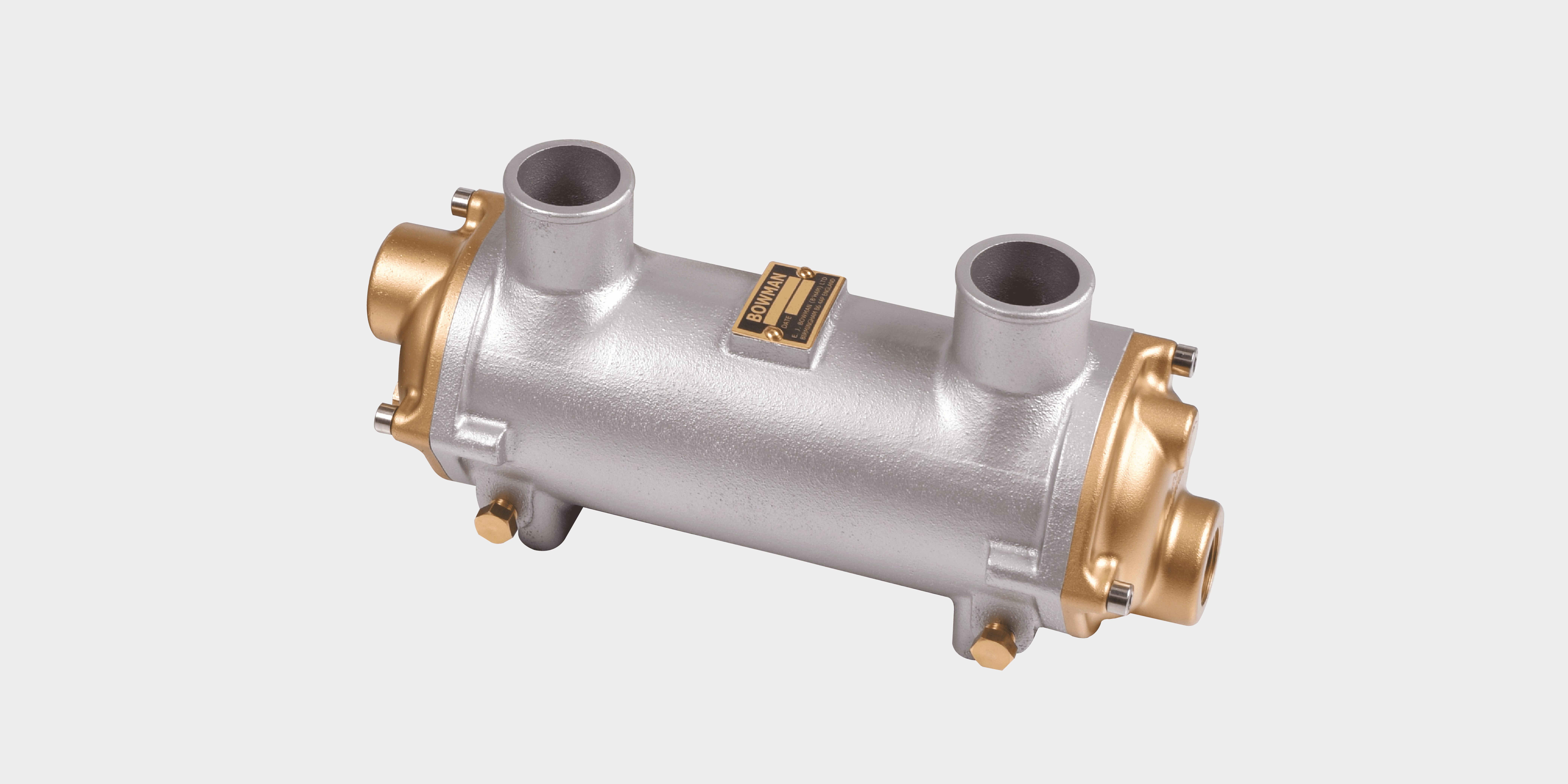
          Used to cool the hot, compressed air from the turbo before it reaches the engine, the intercoolers improve engine efficiency and reduce emissions for marine and land-based stationary engines.
      • Exhaust Gas Heat Exchangers
        • Exhaust Gas Heat Exchangers

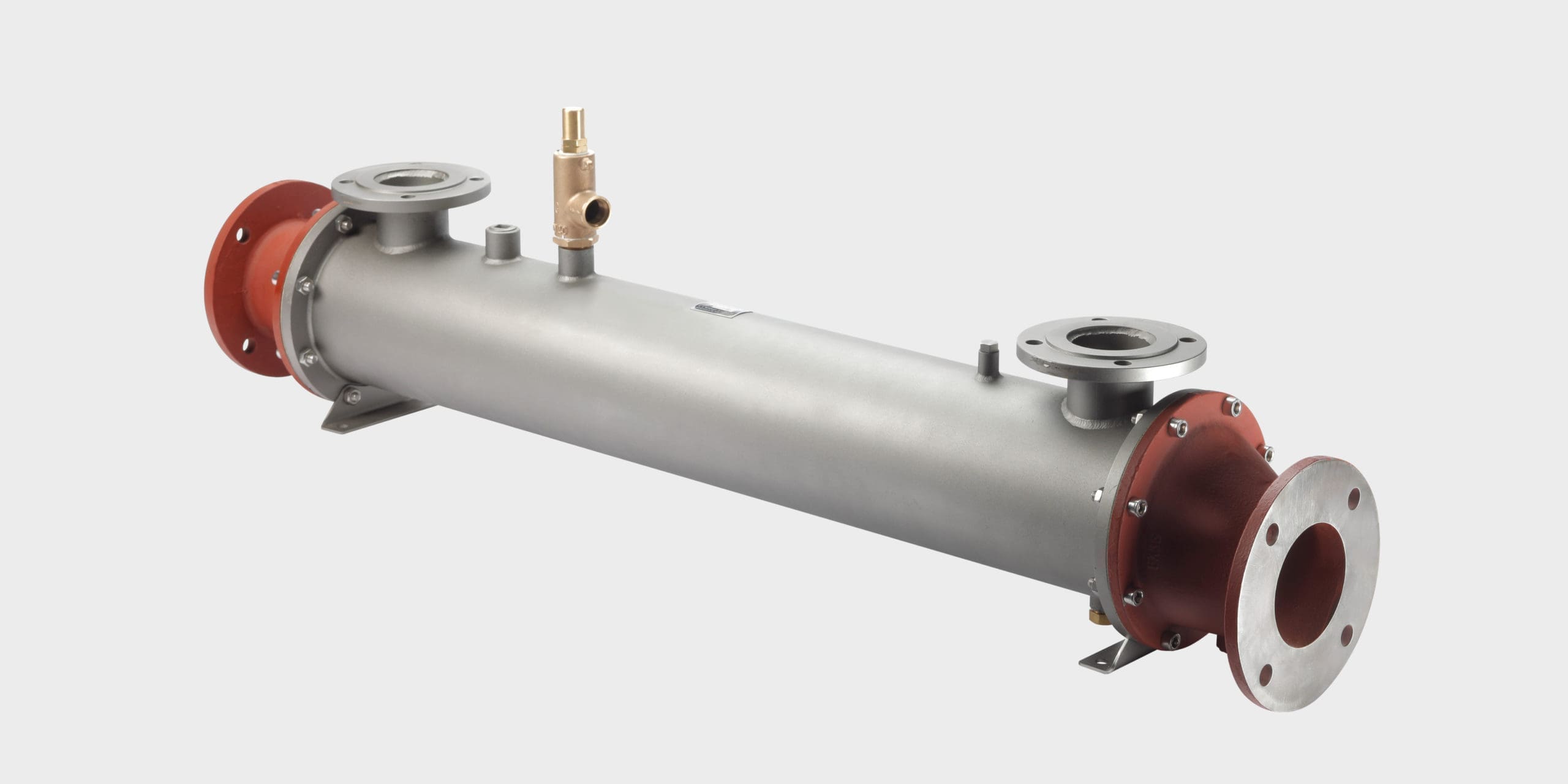
          Exhaust gas heat exchangers are designed to recover waste heat energy from the exhaust stream of reciprocating engine powered generating sets.
      • Fuel Coolers
        • Fuel Coolers

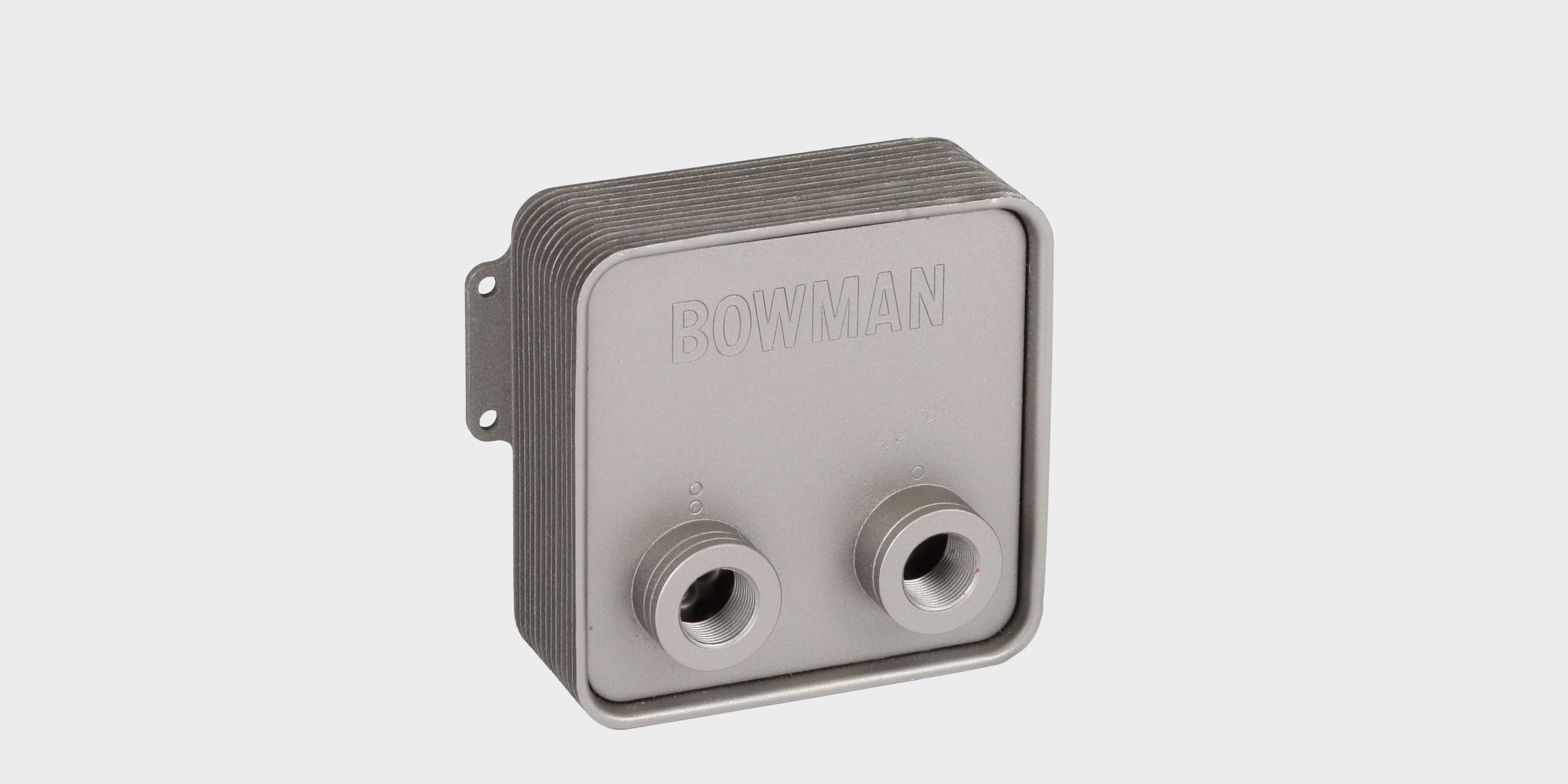
          Bowman 'copper free' fuel coolers are compact, highly efficient heat exchangers suitable for fuel conditioning rigs in the automotive testing industry.
      • Header Tank Heat Exchangers
        • Header Tank Heat Exchangers

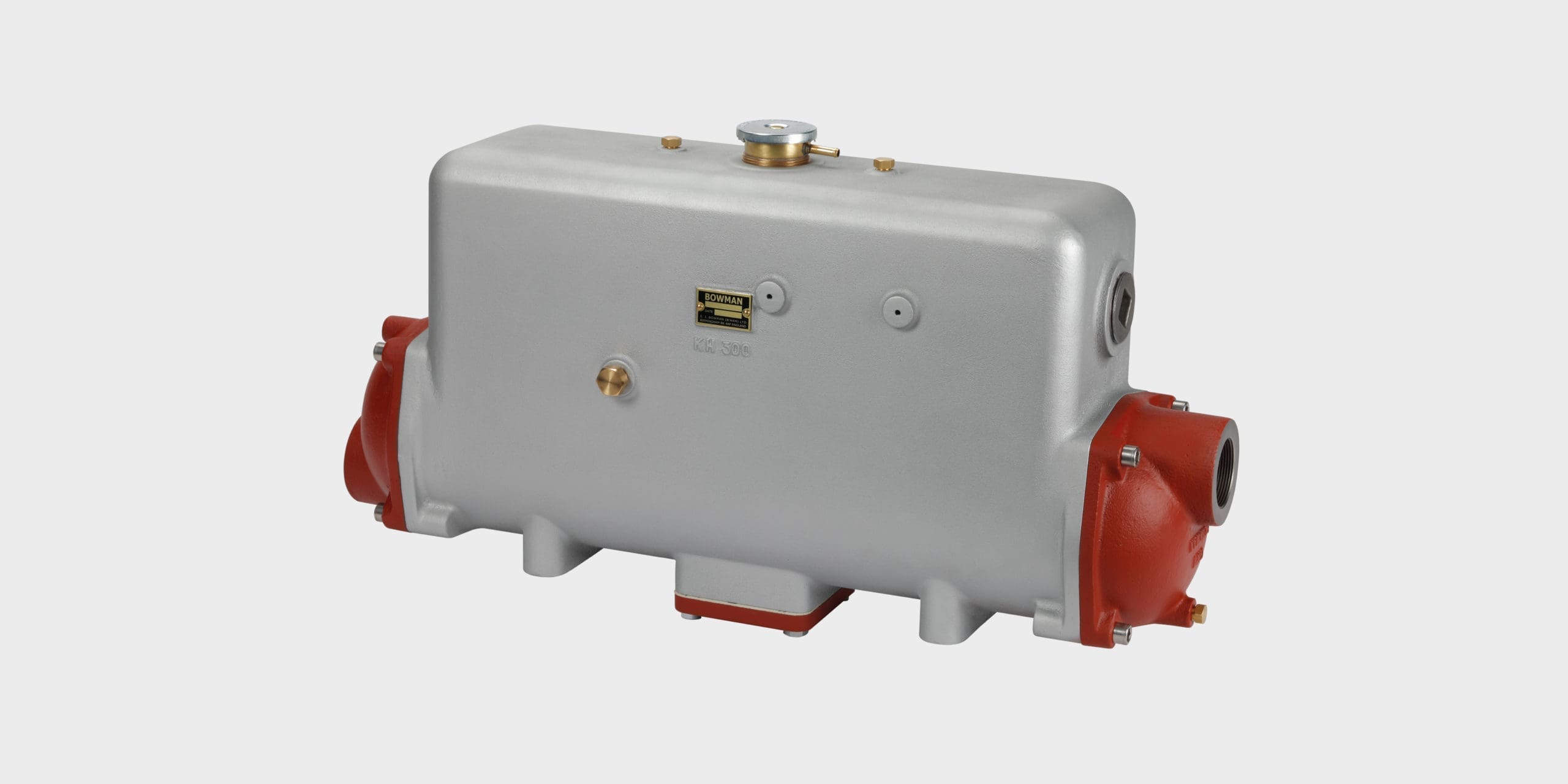
          Engine coolant header tank heat exchangers for marine propulsion, gensets or stationary land-based engines.
      • Hot Tub Heat Exchangers
        • Hot Tub Heat Exchangers

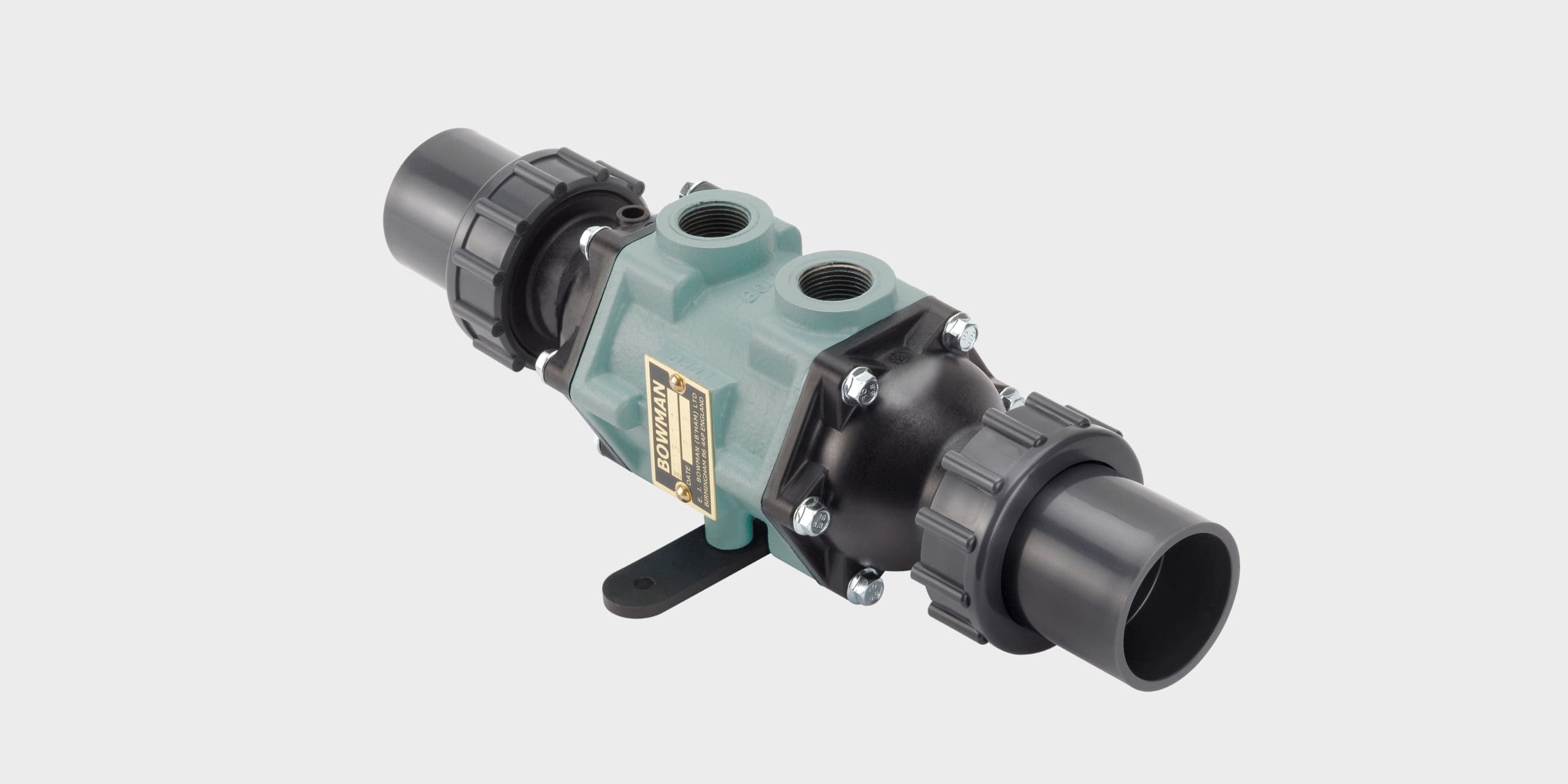
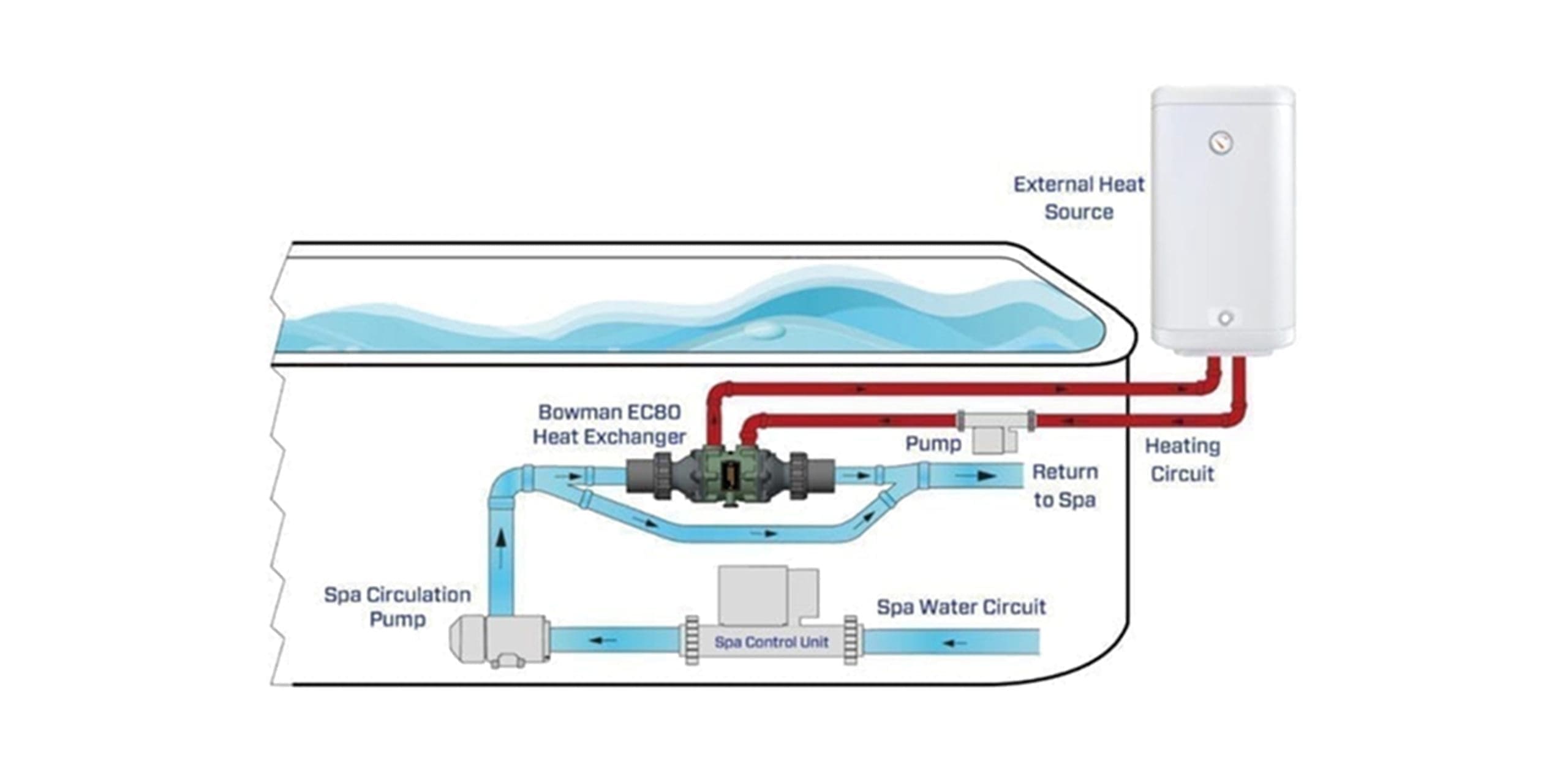
          Bowman EC 80-5113-1T heat exchangers provide a new solution for heating spas and hot tubs in just a fraction of the time taken by traditional electric heaters.
      • Hydraulic Oil Coolers
        • Hydraulic Oil Coolers

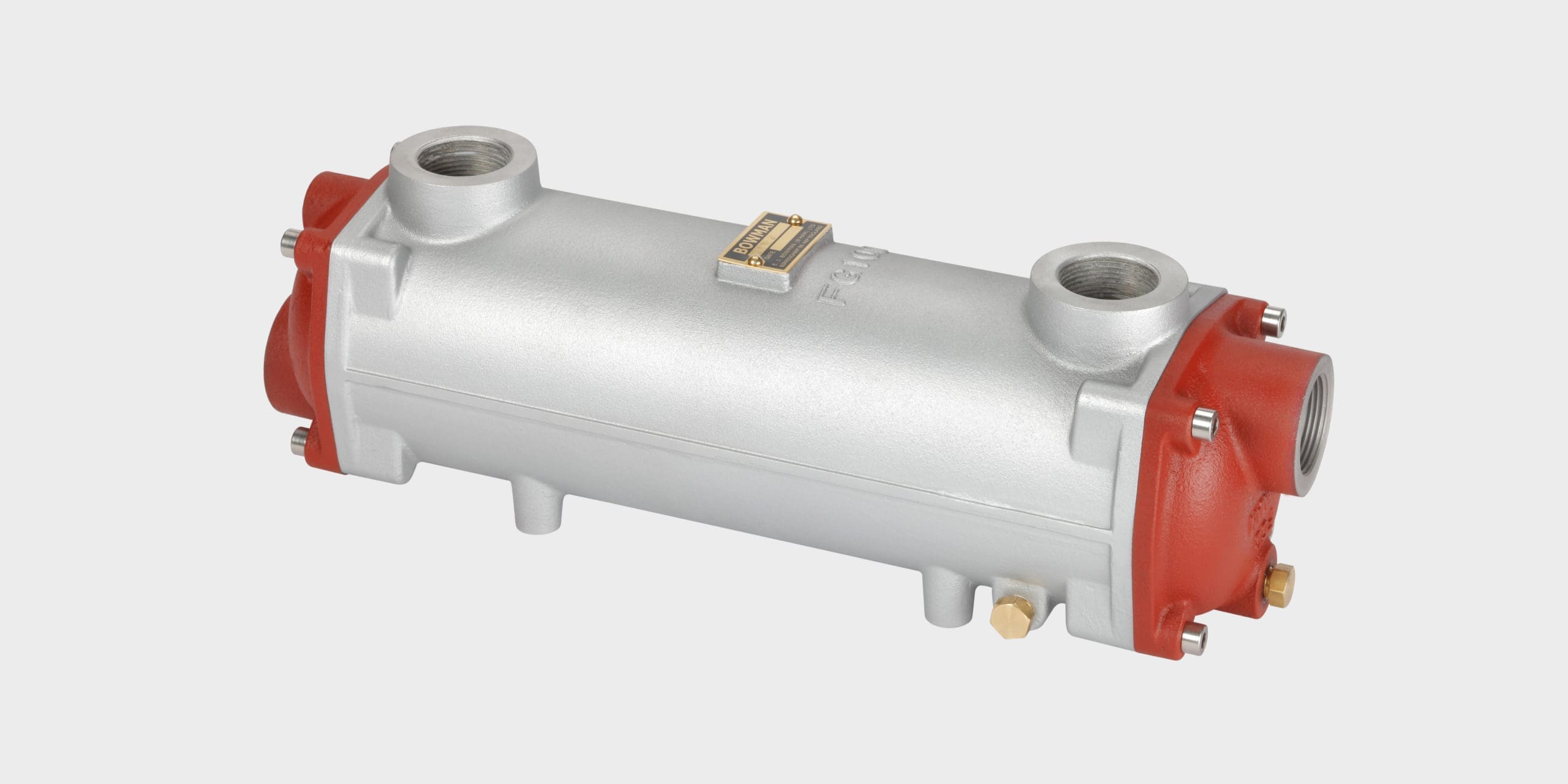
          Highly efficient heat transfer solutions for cooling marine, land-based and underground hydraulic systems.

      • Inline Plate Type Heat Exchangers
        • Inline Plate Type Heat Exchangers

          Bowman inline plate heat exchangers are a compact, economical solution for high efficiency heat transfer.

      • Marine Engine Coolers
        • Marine Engine Coolers

          Bespoke cooling solutions for a range of popular marine engines from major OEMs, including coolant heat exchangers, charge air coolers, plus combined heat exchangers and exhaust manifolds, suitable for cooling marine engines up to 1 MW.
      • Marine Transmission Oil Coolers
        • Marine Transmission Oil Coolers

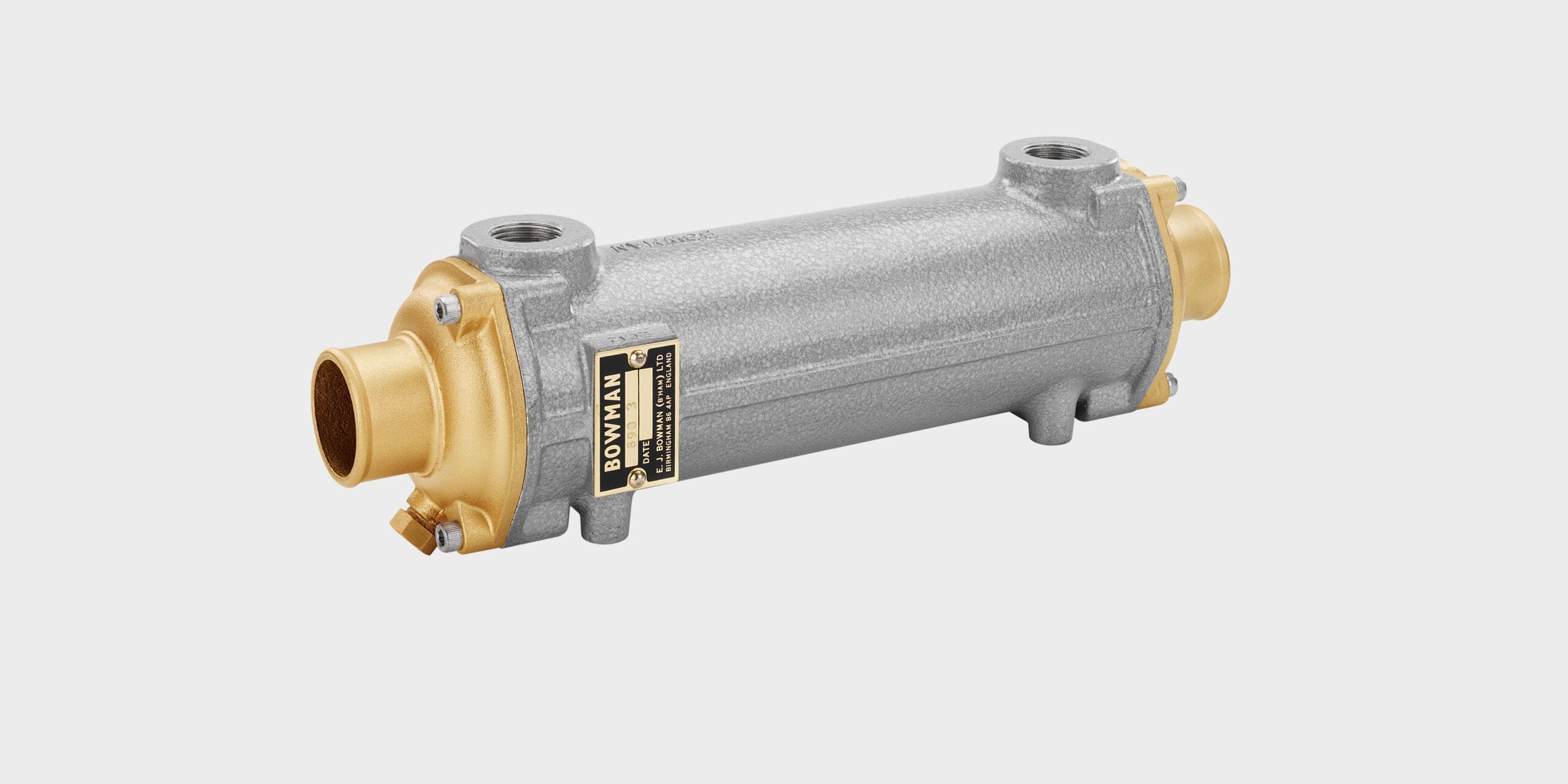
          Bowman has a range of highly efficient oil coolers designed for marine and industrial engines and transmissions.
      • Electric and Hybrid Coolers
        • Electric and Hybrid Coolers

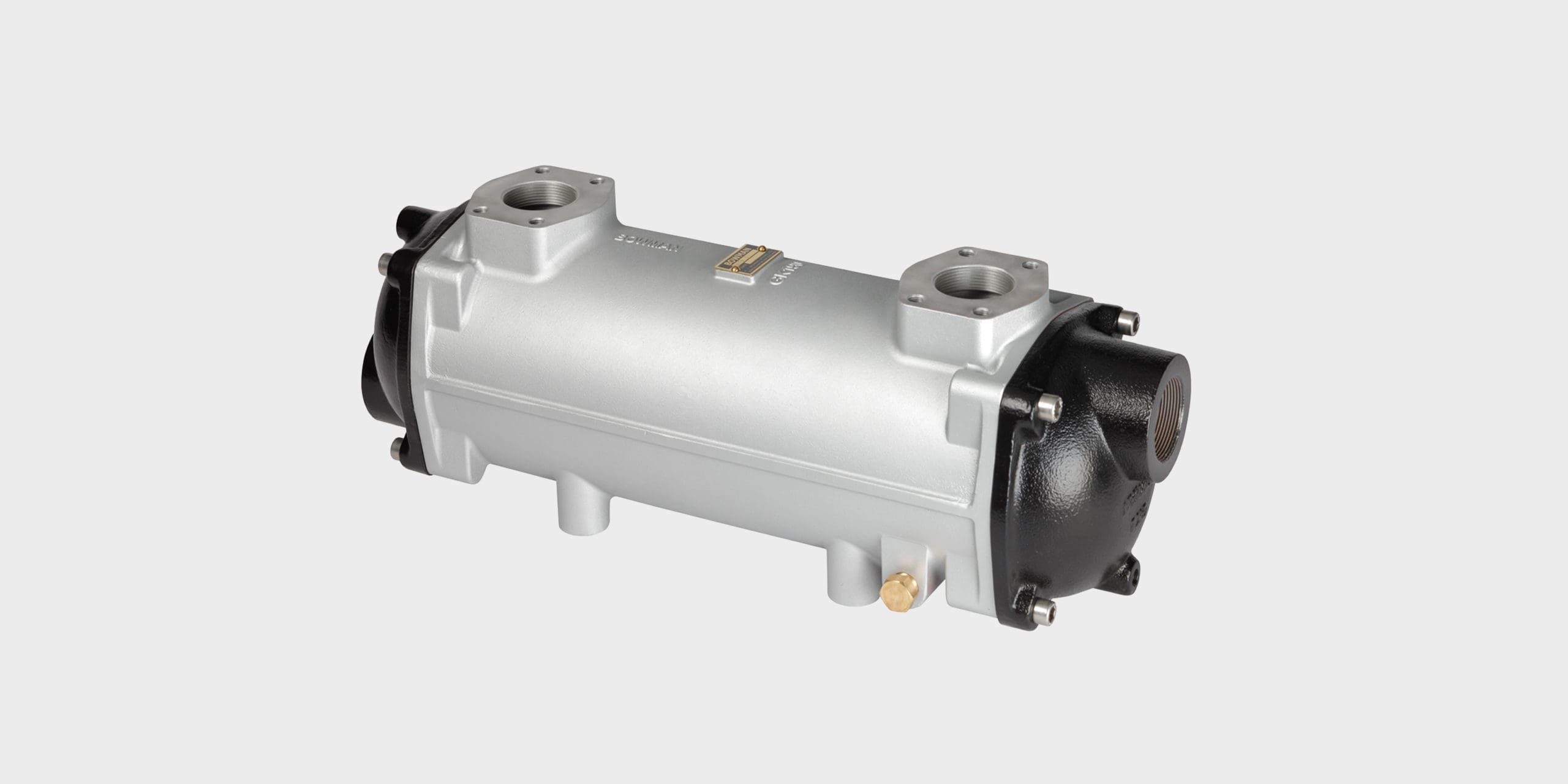
          Efficient heat exchangers for cooling electric marine motors, hydrogen fuel cells, battery packs, chargers, AC-DC converters, DC-DC converters, inverters and associated equipment for electric and hybrid marine propulsion and charging systems.
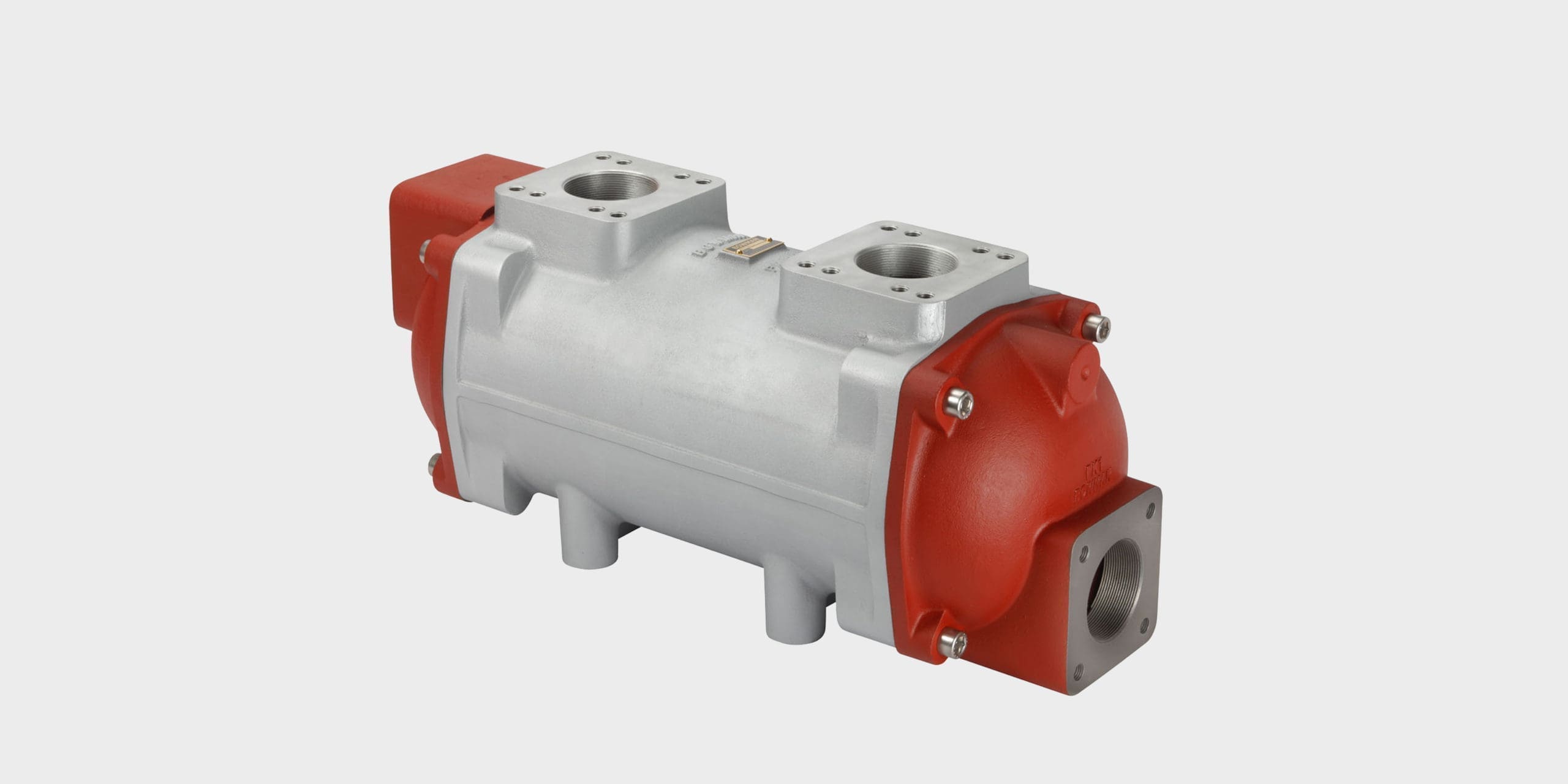
      • Shell and Tube Heat Exchangers
        • Shell and Tube Heat Exchangers

          Highly efficient heat transfer solutions for cooling a variety of applications where air and fluids need to be cooled by fluids.
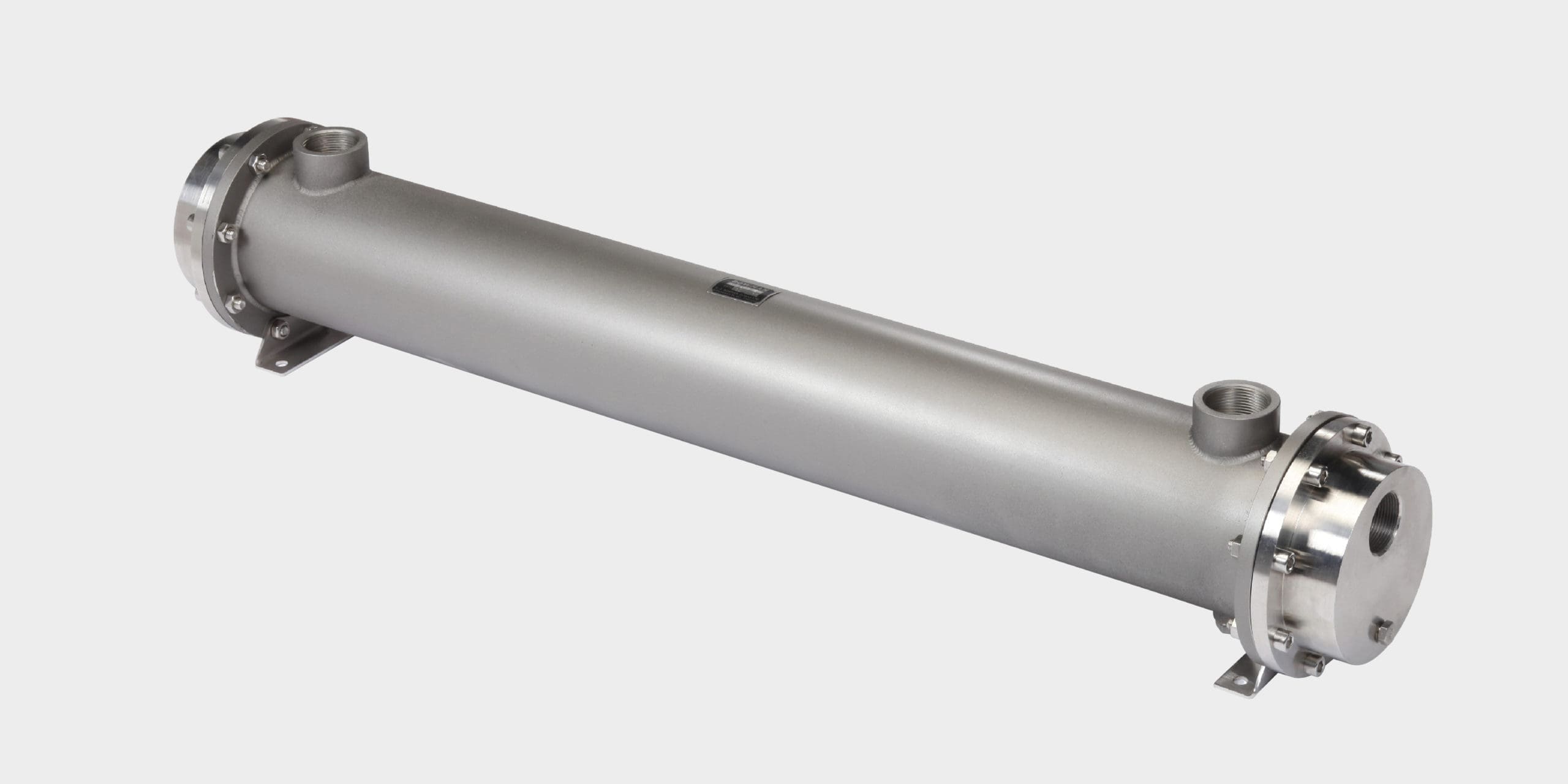
      • Stainless Steel Heat Exchangers
        • Stainless Steel Heat Exchangers

          Many applications require stainless steel shell and tube heat exchangers and Bowman provide a standard range of units that are suitable for cooling or heating a variety of fluids.
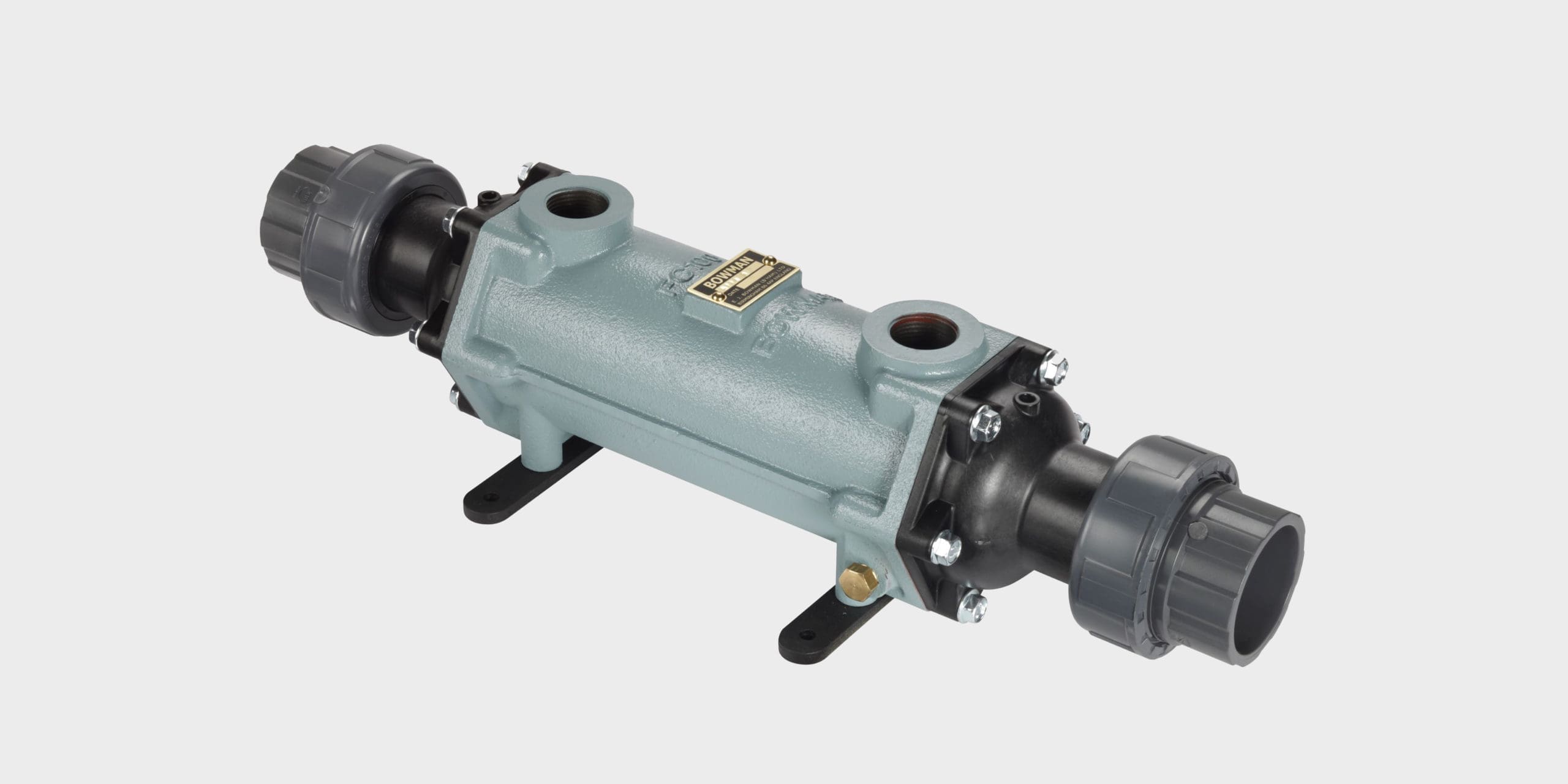
      • Swimming Pool Heat Exchangers
        • Swimming Pool Heat Exchangers

          Bowman swimming pool heat exchangers are renowned for reliability and efficiency. Whether heating your pool with a traditional boiler or a renewable energy source, Bowman is the obvious choice.
    • All Applications

      • Automotive Testing
        • Automotive Testing

          Premium quality heat exchangers and oil coolers for precise temperature control of engines under test cell development conditions.

      • CHP / Co-Generation
        • CHP / Co-Generation

          Recovering waste heat energy from engine powered generating sets for biogas, diesel and natural gas applications up to 1 MW.
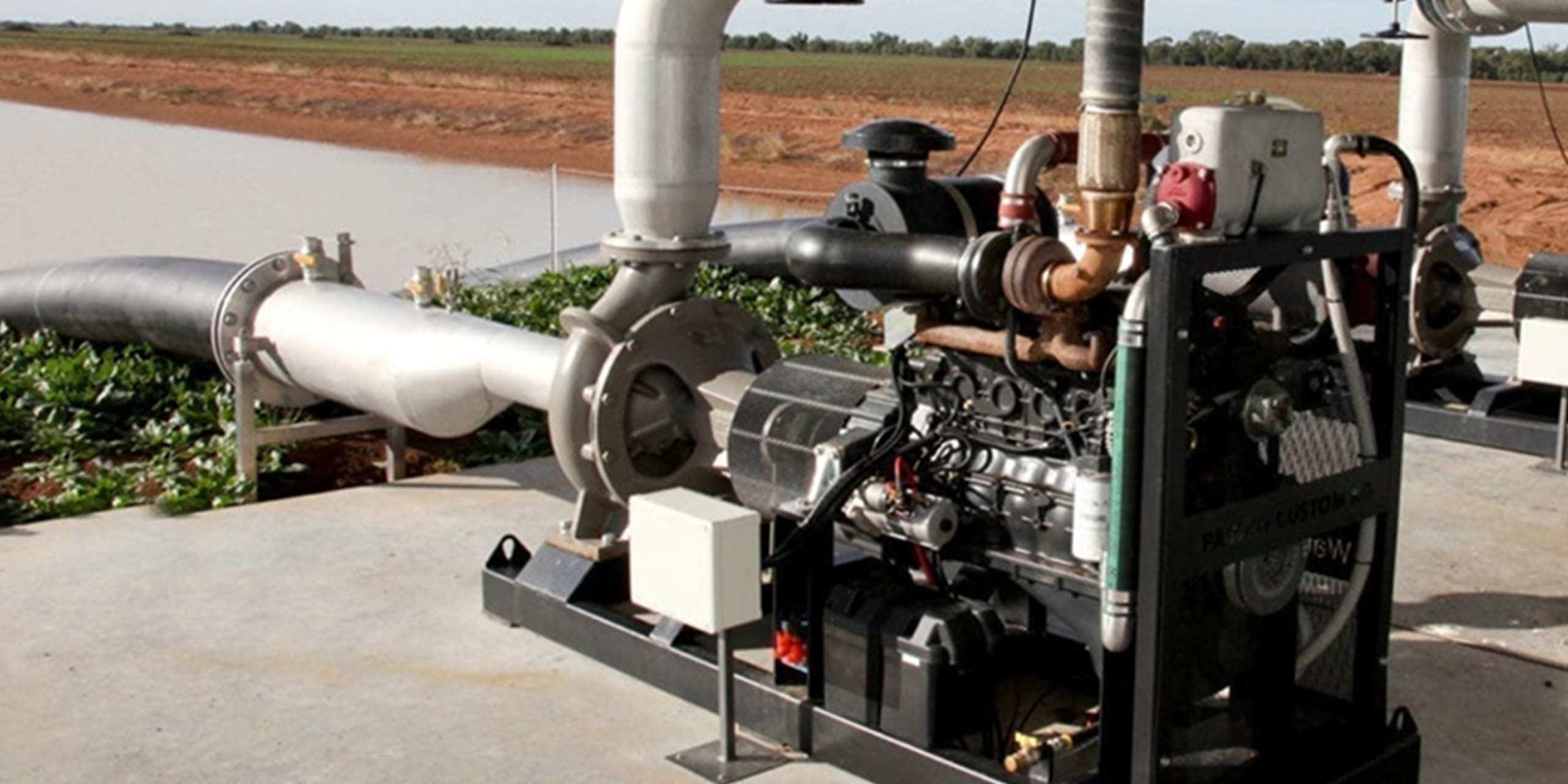
      • Engine Cooling Solutions
        • Engine Cooling Solutions

          Efficient cooling for stationary / land-based engines where air cooling is either unavailable or inappropriate.
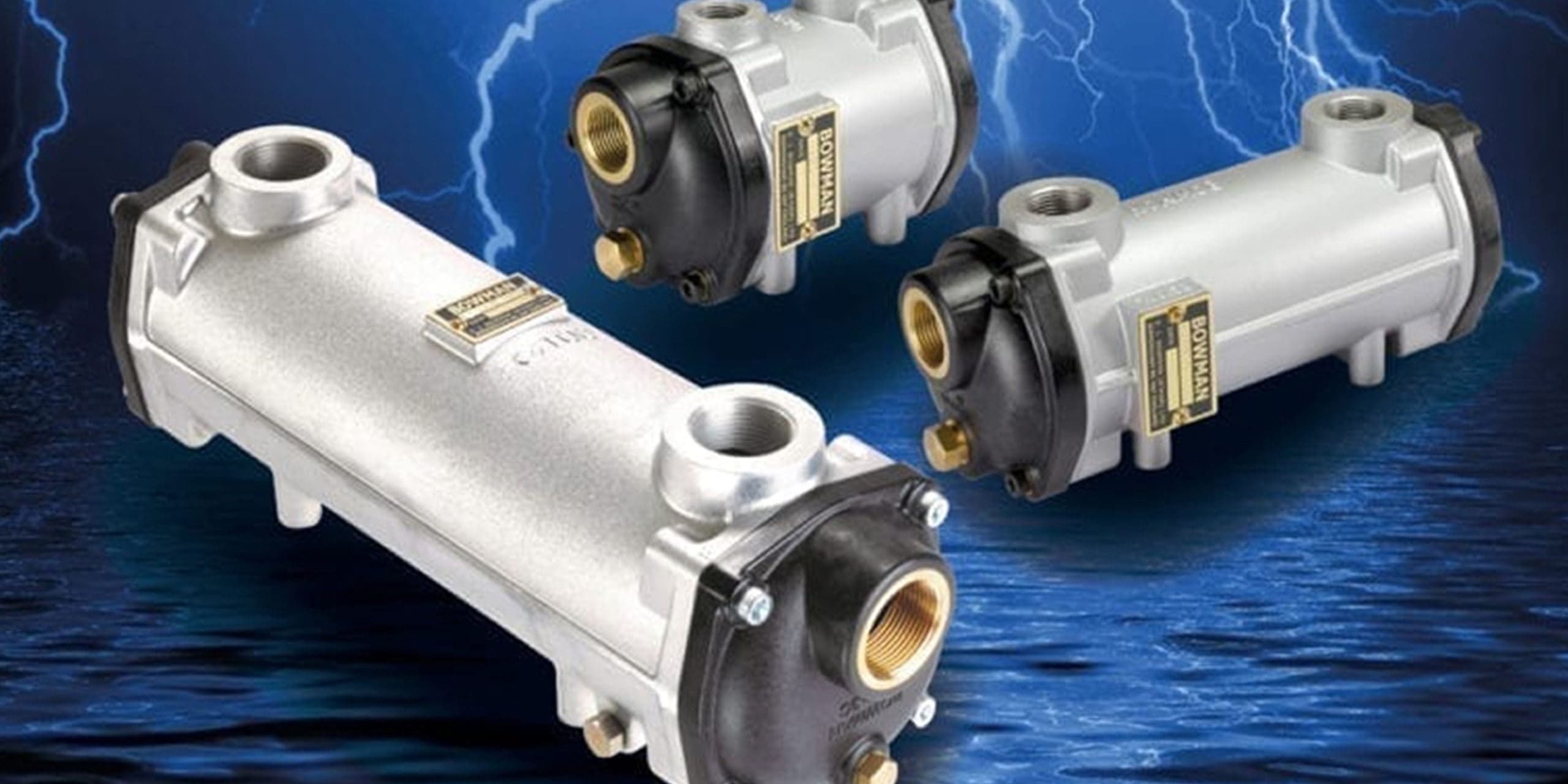
      • Electric & Hybrid Marine
        • Electric & Hybrid Marine

          The reliable solution for cooling Electric & Hybrid Marine Propulsion Systems.

      • Industrial Hydraulics
        • Industrial Hydraulics

          A comprehensive oil cooling solution for industrial hydraulic control systems, plus high temperature and mining applications.
      • Marine Hydraulics
        • Marine Hydraulics

          A complete solution for cooling complex on-board hydraulic equipment, including thruster and stabiliser systems.
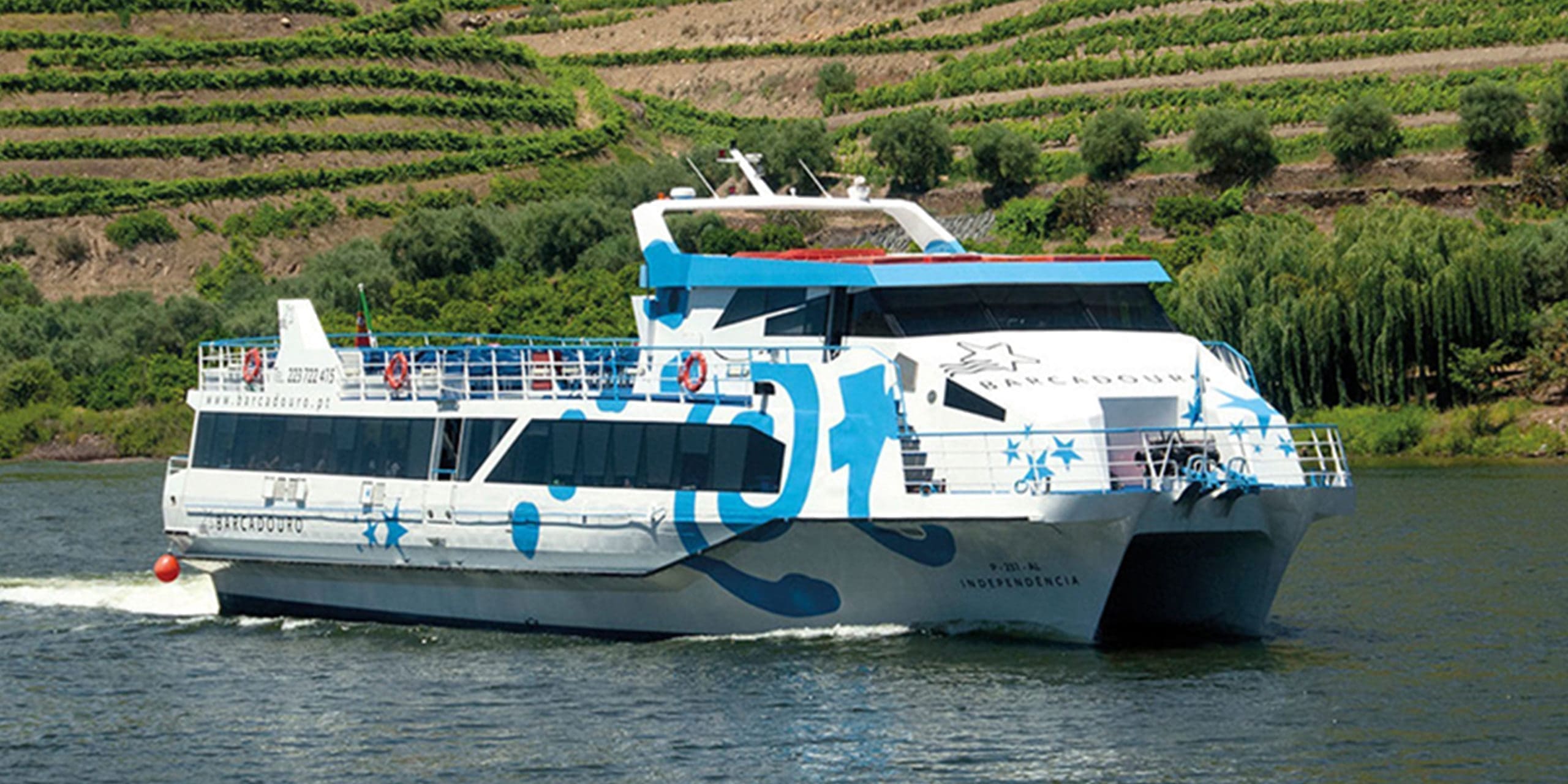
      • Marine Propulsion
        • Marine Propulsion

          The complete cooling solution for marine engine propulsion, including the latest electric and hybrid systems.
      • Hot Tubs / Spas
        • Hot Tubs / Spas

          An energy efficient solution for heating hot tubs and swim spas faster, significantly reducing heat-up time for guest change-over periods.

      • Swimming Pool
        • Swimming Pool

          Quality heat exchangers for efficient swimming pool heating, using boiler or renewable energy heat sources.
  • Distributors
  • News
  • Knowledge Centre
  • Downloads
  • About Us
  • Contact Us

Battery Cooling for Marine Applications: How Bowman Shell and Tube Heat Exchangers Protect Electric and Hybrid Vessels

Bowman shell and tube heat exchangers provide a compact, reliable way to keep marine battery packs within their safe operating window, using the vessel’s seawater or freshwater circuit as the ultimate heat sink. When correctly specified, they help prevent performance loss, accelerated ageing and safety risks associated with overheating in electric and hybrid vessels.


Why Marine Battery Cooling Matters

Marine battery packs based on lithium produce a significant amount of heat on charge and discharge. When this heat is not dissipated effectively, the cell temperatures may exceed the recommended level, making available power lower and service life shorter.

In more severe cases, local hotspots can lead to cell imbalance, gas generation and the risk of thermal runaway, especially where packs are densely packaged in confined machinery spaces. In the case of commercial and passenger craft, range is directly proportional to any decrease in battery performance or safety margin.


Risks Of Inadequate Cooling

Typical consequences of under‑engineered battery cooling in marine applications include:

  • Reduced charge and discharge capability as the BMS limits current to protect cells at elevated temperatures.
  • Accelerated degradation, capacity fade and more frequent battery replacement due to sustained operation above optimal temperature.
  • Nuisance trips, derating or partial system shutdown when temperature thresholds are exceeded, impacting propulsion and onboard systems.
  • Increased likelihood of uneven cell temperatures across modules, making balancing more difficult and shortening pack life.
  • Elevated safety risk of thermal events in the event of faults, local damage or external heat sources, particularly in enclosed engine rooms.

The stability of the liquid cooling system in design with sufficient margin of worst-case ambient water temperature and transient loads is therefore of significant importance with regards to performance and safety.


Typical Marine Battery Coolant Circuits

A majority of marine battery packs incorporate a closed-loop, water-glycol circuit on the battery side, connected to a seawater or special freshwater circuit, through a shell and tube heat exchanger.

The standard set-up consists of:

Battery loop

  • Water-glycol coolant was dispersed in cold plates or cooling channels designed in modules.
  • Circulation pump of the necessary size and pressure drop over the pack.
  • Expansion tank, deaeration and filtration as required by the battery OEM.
  • Temperature and flow monitoring fed back to the BMS or vessel control system.

Seawater (or secondary) loop

  • Sea water drawn via a hull inlet and strainer, or a separate freshwater circuit where direct sea water is not permitted.
  • Bowman shell and tube heat exchanger acting as the interface between the battery loop and the seawater/freshwater loop.
  • Seawater discharge back overboard or into a common cooling manifold, depending on the vessel design.

In many electric and hybrid vessels, additional high‑voltage components such as inverters, DC‑DC converters, chargers and electric drive motors share the same cooling backbone, using dedicated branches and heat exchangers sized for their individual heat loads.


How Bowman Shell And Tube Units Integrate With Battery Packs

Bowman electric and hybrid coolers are marine-grade heat exchangers that can be installed between the battery water-glycol loop and the seawater (or secondary) loop. The pack produces heat that is then transferred to the seawater side of the tube bundle to ensure the battery is kept at its desired temperature range.

Key integration attributes are:

Marine-grade construction

  • Cupronickel or titanium tube stacks for excellent seawater corrosion resistance and long service life.
  • Pressure ratings up to 20 bar on the coolant side for cupronickel units and 16 bar on the seawater side, with maximum operating temperatures typically up to 110 °C.

Flexible sizing and layouts

  • Standard models from compact EC and FC sizes (from around 3 kW upwards) through to FG, GL and GK units capable of dissipating well over 100 kW of heat.
  • Three‑pass seawater flow paths and a range of connection sizes to suit different flow rates and installation envelopes.

Compatibility with water‑glycol battery circuits

  • Smooth integration into closed‑loop water‑glycol systems, with the coolant routed through the shell or tube side as required by the system designer.
  • Ability to combine multiple electrical loads (e.g. battery packs plus chargers or inverters) on the same heat exchanger, where appropriate, by summing the total thermal duty.

Simple installation and maintenance

  • Small size and simple pipe interconnections enable installation near battery racks or in common cooling areas.
  • Removable tube stacks can be cleaned and inspected, to provide long-term operation in challenging marine operations.

Bowman shell and tube exchangers are an effective thermal interface to the relatively cool and plentiful seawater resource enabling stable battery temperatures even in warmer operating climates where sea water may exceed 30 °C.


Checklist: Data Required For CAS/Selection

Bowman’s computer‑aided selection (CAS) process uses application data to specify the most suitable shell and tube cooler for each marine battery installation. To obtain a recommendation, you should be ready to supply:

Battery and duty details

  • Application type (propulsion, hybrid assist, fast charging, etc.).
  • Total heat to be dissipated from the battery system at maximum continuous and peak operating conditions (kW).
  • Desired battery coolant inlet and outlet temperatures, and maximum allowable battery coolant temperature (°C).

Coolant-side information (battery loop)

  • Coolant type and concentration (e.g. water‑glycol mix).
  • Available coolant flow rate through the battery loop (l/min) and allowable pressure drop across the heat exchanger.
  • Expected operating temperature range and any special materials or sealing requirements (e.g. elastomer type).

Seawater / secondary circuit data

  • Cooling medium (direct seawater or separate freshwater circuit) and expected inlet temperature, including worst‑case warm‑water conditions.
  • Available flow rate on the seawater/secondary side and system pressure limits.
  • Installation constraints, including orientation, space envelope and connection preferences.

System integration notes

  • Whether additional components (motors, inverters, chargers, fuel cells) will share the same cooler, and their individual heat loads.


Providing this information enables Bowman’s technical team to use CAS to select an appropriately sized electric and hybrid cooler, confirm expected performance at your design conditions and advise on any options or larger units required for additional safety margin.


Share

Battery Cooling for Marine Applications: How Bowman Shell and Tube Heat Exchangers Protect Electric and Hybrid Vessels

Bowman shell and tube heat exchangers provide a compact, reliable way to keep marine battery packs within their safe operating window, using the vessel’s seawater or freshwater circuit as the ultimate heat sink. When correctly specified, they help prevent performance loss, accelerated ageing and safety risks associated with overheating in electric and hybrid vessels.


Why Marine Battery Cooling Matters

Marine battery packs based on lithium produce a significant amount of heat on charge and discharge. When this heat is not dissipated effectively, the cell temperatures may exceed the recommended level, making available power lower and service life shorter.

In more severe cases, local hotspots can lead to cell imbalance, gas generation and the risk of thermal runaway, especially where packs are densely packaged in confined machinery spaces. In the case of commercial and passenger craft, range is directly proportional to any decrease in battery performance or safety margin.


Risks Of Inadequate Cooling

Typical consequences of under‑engineered battery cooling in marine applications include:

  • Reduced charge and discharge capability as the BMS limits current to protect cells at elevated temperatures.
  • Accelerated degradation, capacity fade and more frequent battery replacement due to sustained operation above optimal temperature.
  • Nuisance trips, derating or partial system shutdown when temperature thresholds are exceeded, impacting propulsion and onboard systems.
  • Increased likelihood of uneven cell temperatures across modules, making balancing more difficult and shortening pack life.
  • Elevated safety risk of thermal events in the event of faults, local damage or external heat sources, particularly in enclosed engine rooms.

The stability of the liquid cooling system in design with sufficient margin of worst-case ambient water temperature and transient loads is therefore of significant importance with regards to performance and safety.


Typical Marine Battery Coolant Circuits

A majority of marine battery packs incorporate a closed-loop, water-glycol circuit on the battery side, connected to a seawater or special freshwater circuit, through a shell and tube heat exchanger.

The standard set-up consists of:

Battery loop

  • Water-glycol coolant was dispersed in cold plates or cooling channels designed in modules.
  • Circulation pump of the necessary size and pressure drop over the pack.
  • Expansion tank, deaeration and filtration as required by the battery OEM.
  • Temperature and flow monitoring fed back to the BMS or vessel control system.

Seawater (or secondary) loop

  • Sea water drawn via a hull inlet and strainer, or a separate freshwater circuit where direct sea water is not permitted.
  • Bowman shell and tube heat exchanger acting as the interface between the battery loop and the seawater/freshwater loop.
  • Seawater discharge back overboard or into a common cooling manifold, depending on the vessel design.

In many electric and hybrid vessels, additional high‑voltage components such as inverters, DC‑DC converters, chargers and electric drive motors share the same cooling backbone, using dedicated branches and heat exchangers sized for their individual heat loads.


How Bowman Shell And Tube Units Integrate With Battery Packs

Bowman electric and hybrid coolers are marine-grade heat exchangers that can be installed between the battery water-glycol loop and the seawater (or secondary) loop. The pack produces heat that is then transferred to the seawater side of the tube bundle to ensure the battery is kept at its desired temperature range.

Key integration attributes are:

Marine-grade construction

  • Cupronickel or titanium tube stacks for excellent seawater corrosion resistance and long service life.
  • Pressure ratings up to 20 bar on the coolant side for cupronickel units and 16 bar on the seawater side, with maximum operating temperatures typically up to 110 °C.

Flexible sizing and layouts

  • Standard models from compact EC and FC sizes (from around 3 kW upwards) through to FG, GL and GK units capable of dissipating well over 100 kW of heat.
  • Three‑pass seawater flow paths and a range of connection sizes to suit different flow rates and installation envelopes.

Compatibility with water‑glycol battery circuits

  • Smooth integration into closed‑loop water‑glycol systems, with the coolant routed through the shell or tube side as required by the system designer.
  • Ability to combine multiple electrical loads (e.g. battery packs plus chargers or inverters) on the same heat exchanger, where appropriate, by summing the total thermal duty.

Simple installation and maintenance

  • Small size and simple pipe interconnections enable installation near battery racks or in common cooling areas.
  • Removable tube stacks can be cleaned and inspected, to provide long-term operation in challenging marine operations.

Bowman shell and tube exchangers are an effective thermal interface to the relatively cool and plentiful seawater resource enabling stable battery temperatures even in warmer operating climates where sea water may exceed 30 °C.


Checklist: Data Required For CAS/Selection

Bowman’s computer‑aided selection (CAS) process uses application data to specify the most suitable shell and tube cooler for each marine battery installation. To obtain a recommendation, you should be ready to supply:

Battery and duty details

  • Application type (propulsion, hybrid assist, fast charging, etc.).
  • Total heat to be dissipated from the battery system at maximum continuous and peak operating conditions (kW).
  • Desired battery coolant inlet and outlet temperatures, and maximum allowable battery coolant temperature (°C).

Coolant-side information (battery loop)

  • Coolant type and concentration (e.g. water‑glycol mix).
  • Available coolant flow rate through the battery loop (l/min) and allowable pressure drop across the heat exchanger.
  • Expected operating temperature range and any special materials or sealing requirements (e.g. elastomer type).

Seawater / secondary circuit data

  • Cooling medium (direct seawater or separate freshwater circuit) and expected inlet temperature, including worst‑case warm‑water conditions.
  • Available flow rate on the seawater/secondary side and system pressure limits.
  • Installation constraints, including orientation, space envelope and connection preferences.

System integration notes

  • Whether additional components (motors, inverters, chargers, fuel cells) will share the same cooler, and their individual heat loads.


Providing this information enables Bowman’s technical team to use CAS to select an appropriately sized electric and hybrid cooler, confirm expected performance at your design conditions and advise on any options or larger units required for additional safety margin.


More News from EJ Bowman

You cannot copy content of this page

This site is registered on wpml.org as a development site. Switch to a production site key to remove this banner.