Rooftop swimming pool heating in Perth, WA
Bowman and Rinnai provide the perfect heating solution for an Australian roof top pool – where winter temperatures can be surprisingly cool!
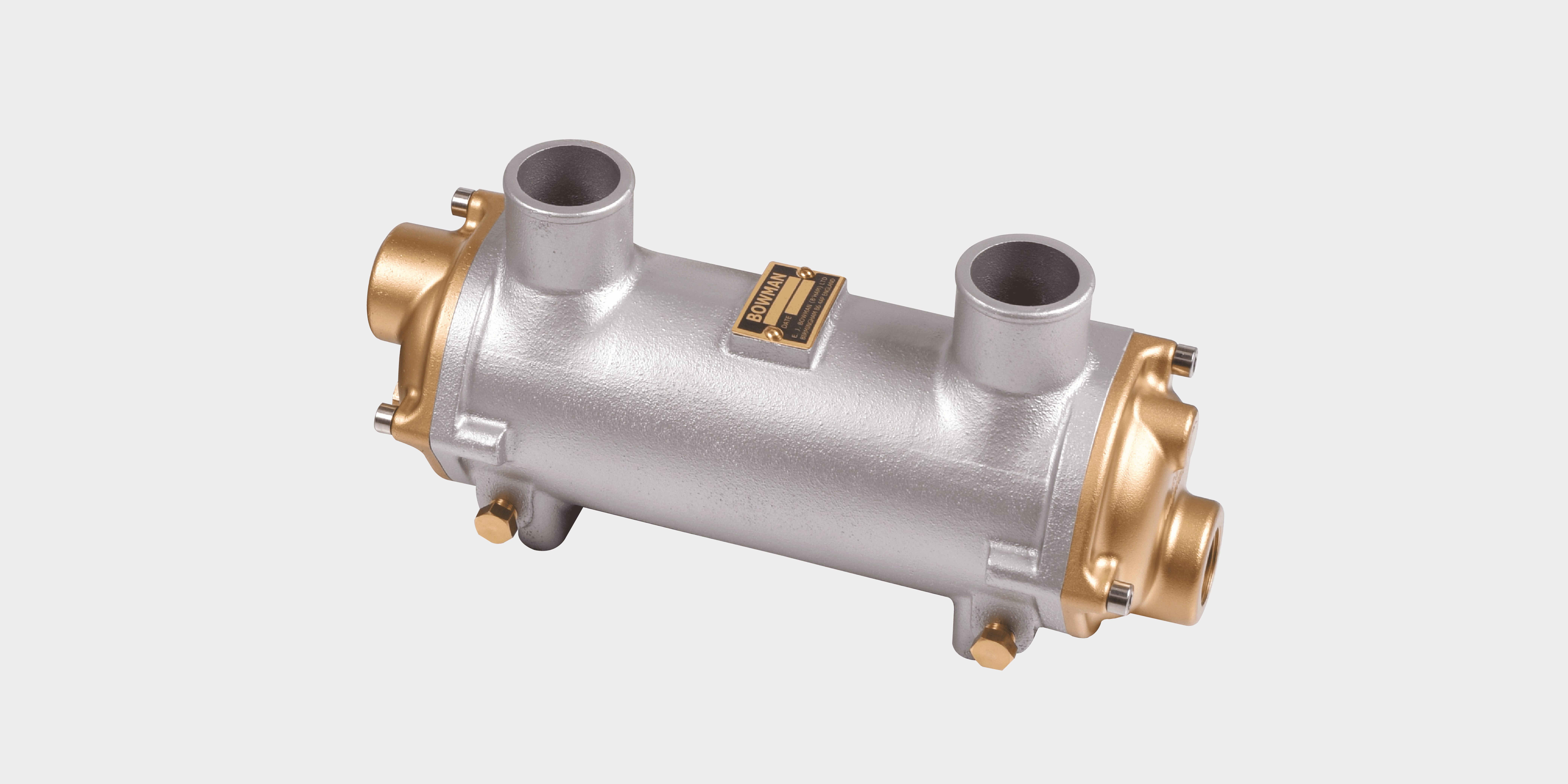
Used to cool the hot, compressed air from the turbo before it reaches the engine, the intercoolers improve engine efficiency and reduce emissions for marine and land-based stationary engines.
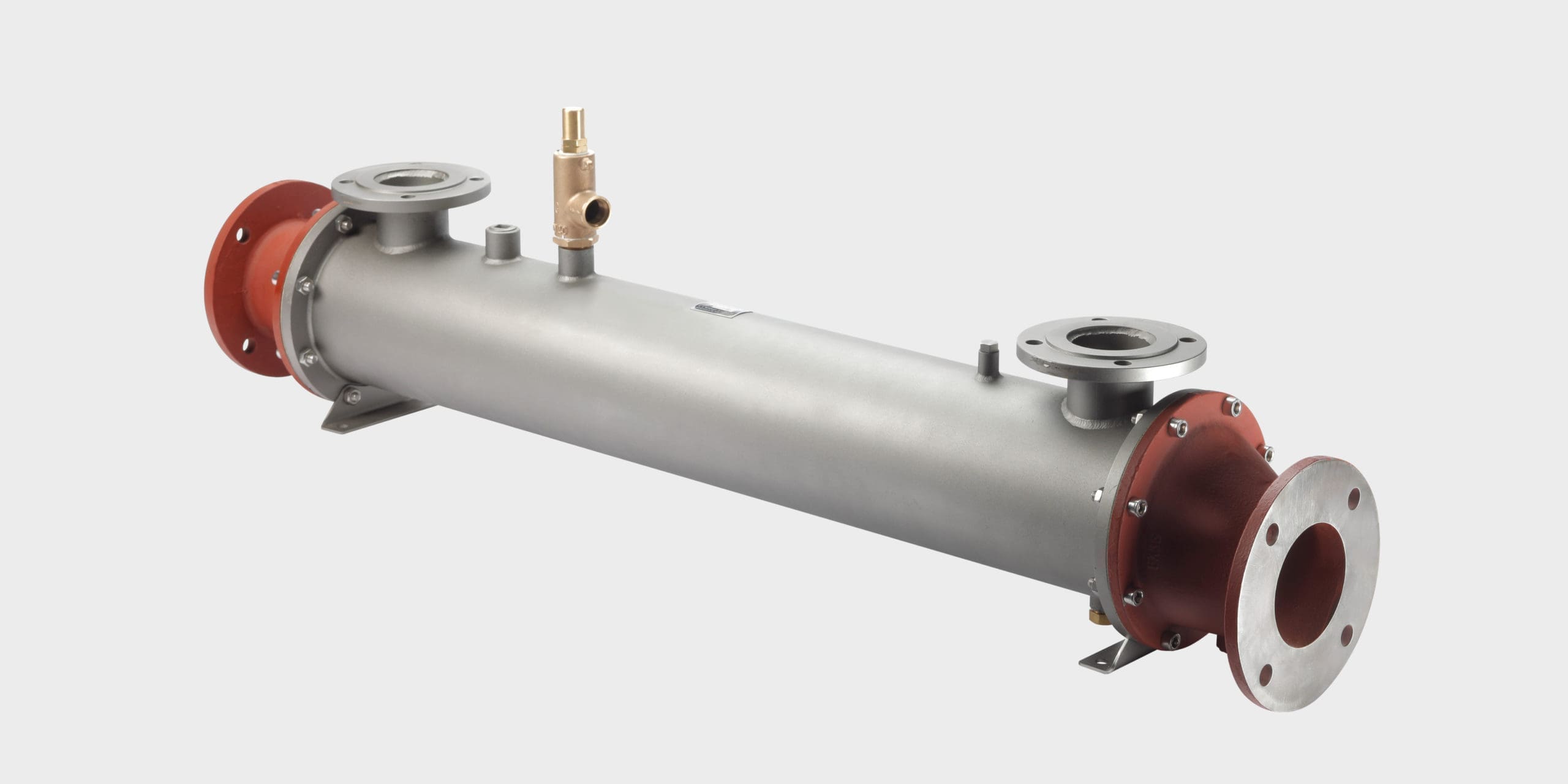
Exhaust gas heat exchangers are designed to recover waste heat energy from the exhaust stream of reciprocating engine powered generating sets.
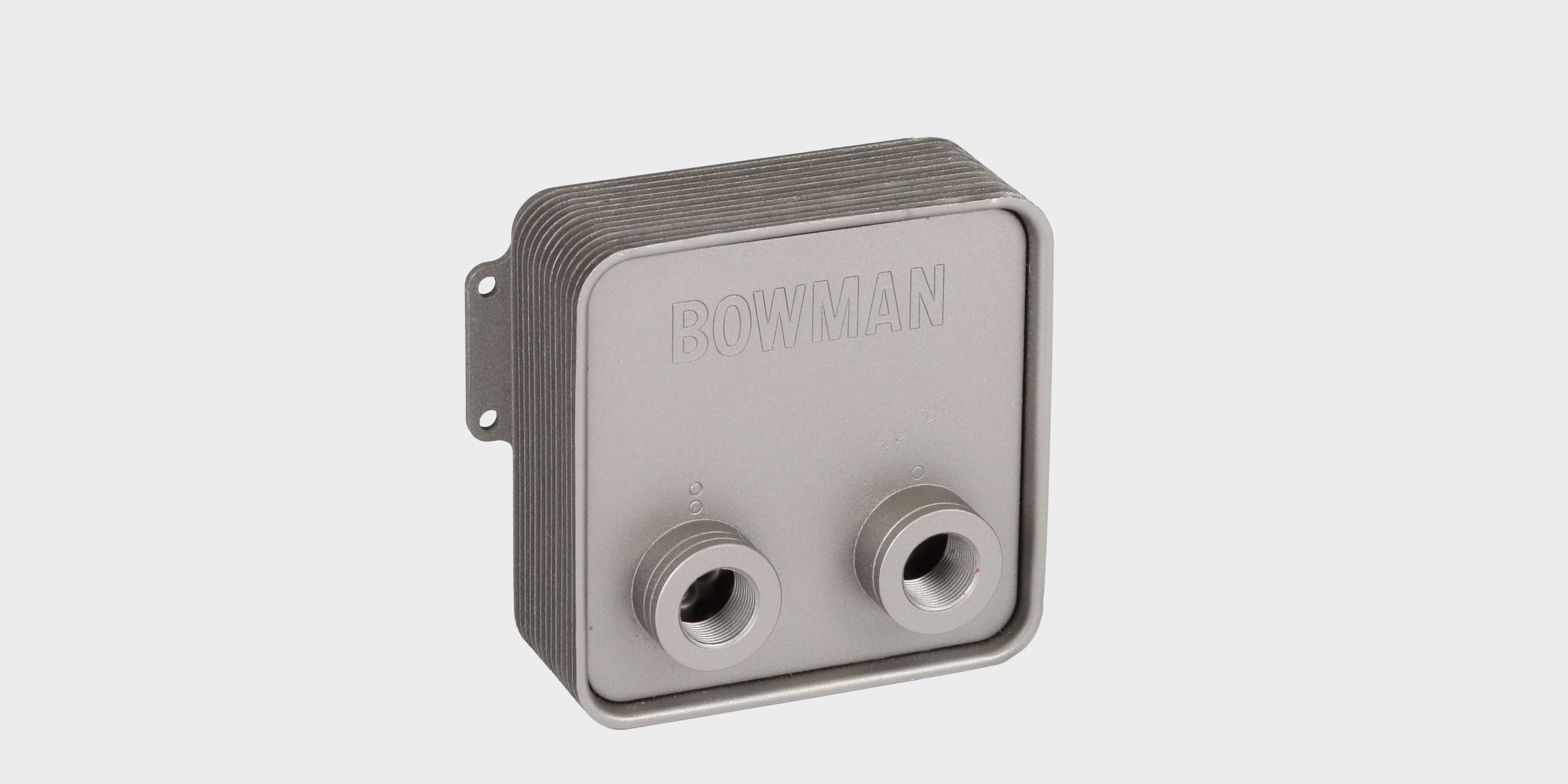
Bowman 'copper free' fuel coolers are compact, highly efficient heat exchangers suitable for fuel conditioning rigs in the automotive testing industry.
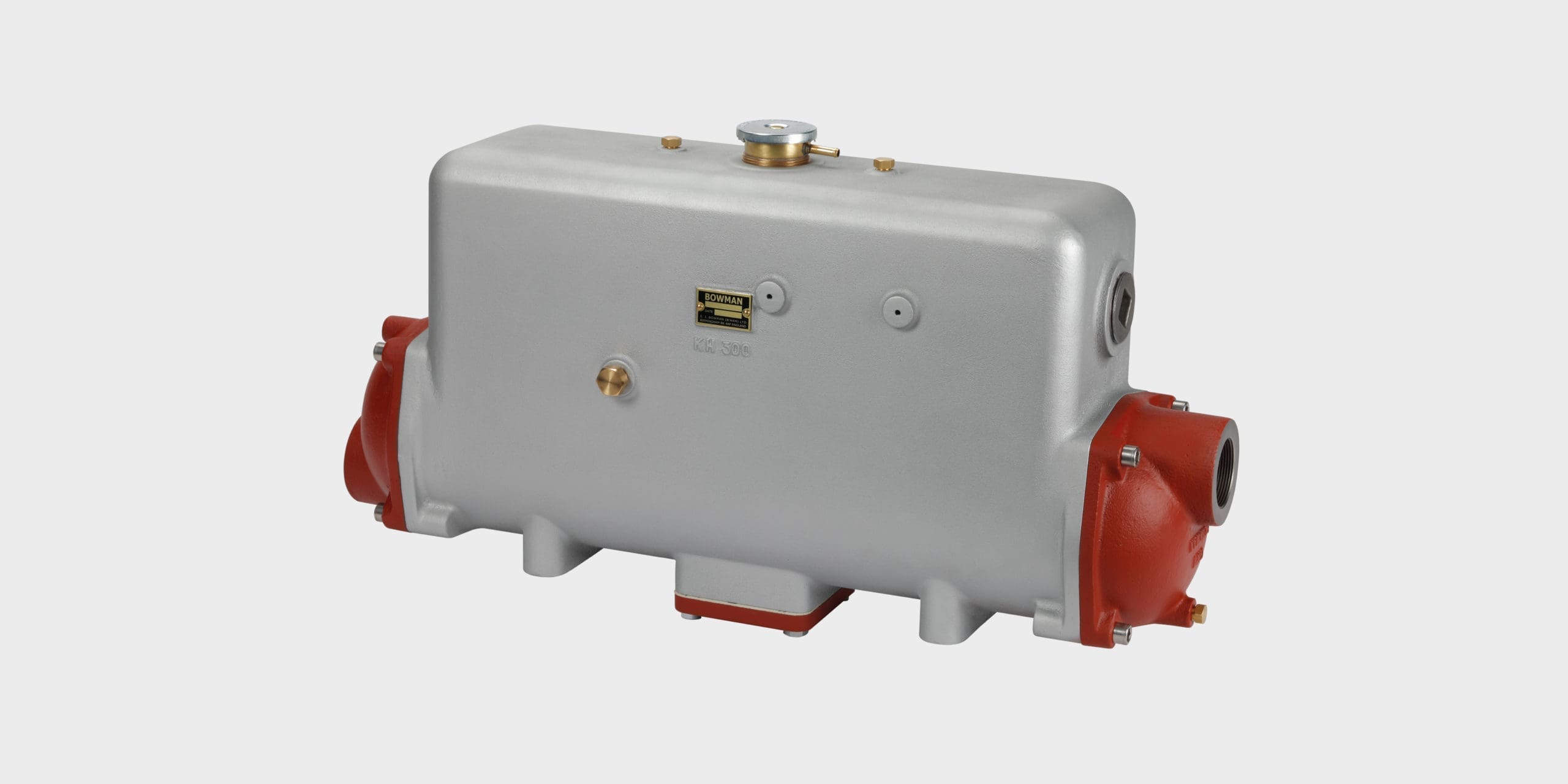
Engine coolant header tank heat exchangers for marine propulsion, gensets or stationary land-based engines.
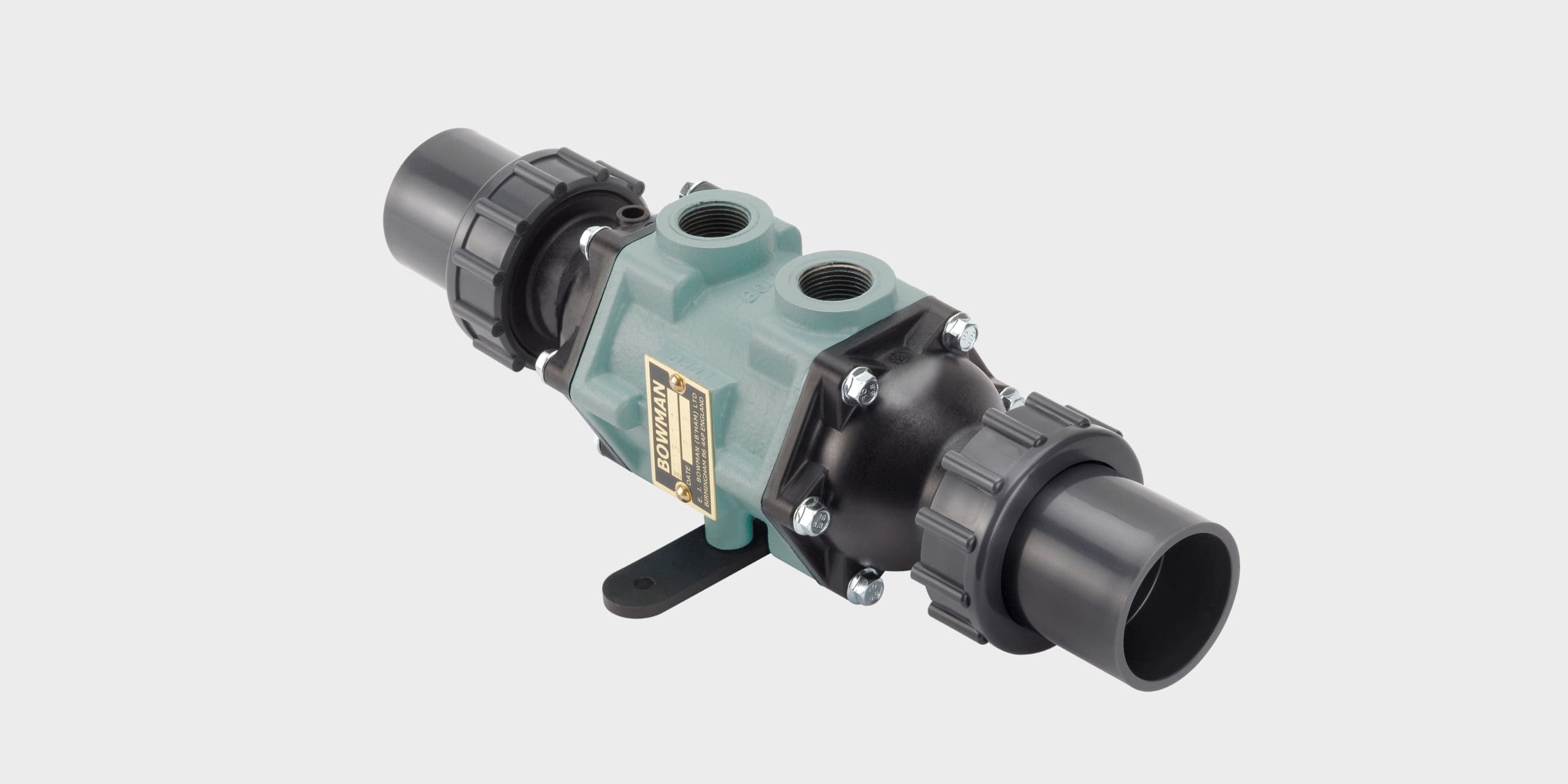
Bowman EC 80-5113-1T heat exchangers provide a new solution for heating spas and hot tubs in just a fraction of the time taken by traditional electric heaters.
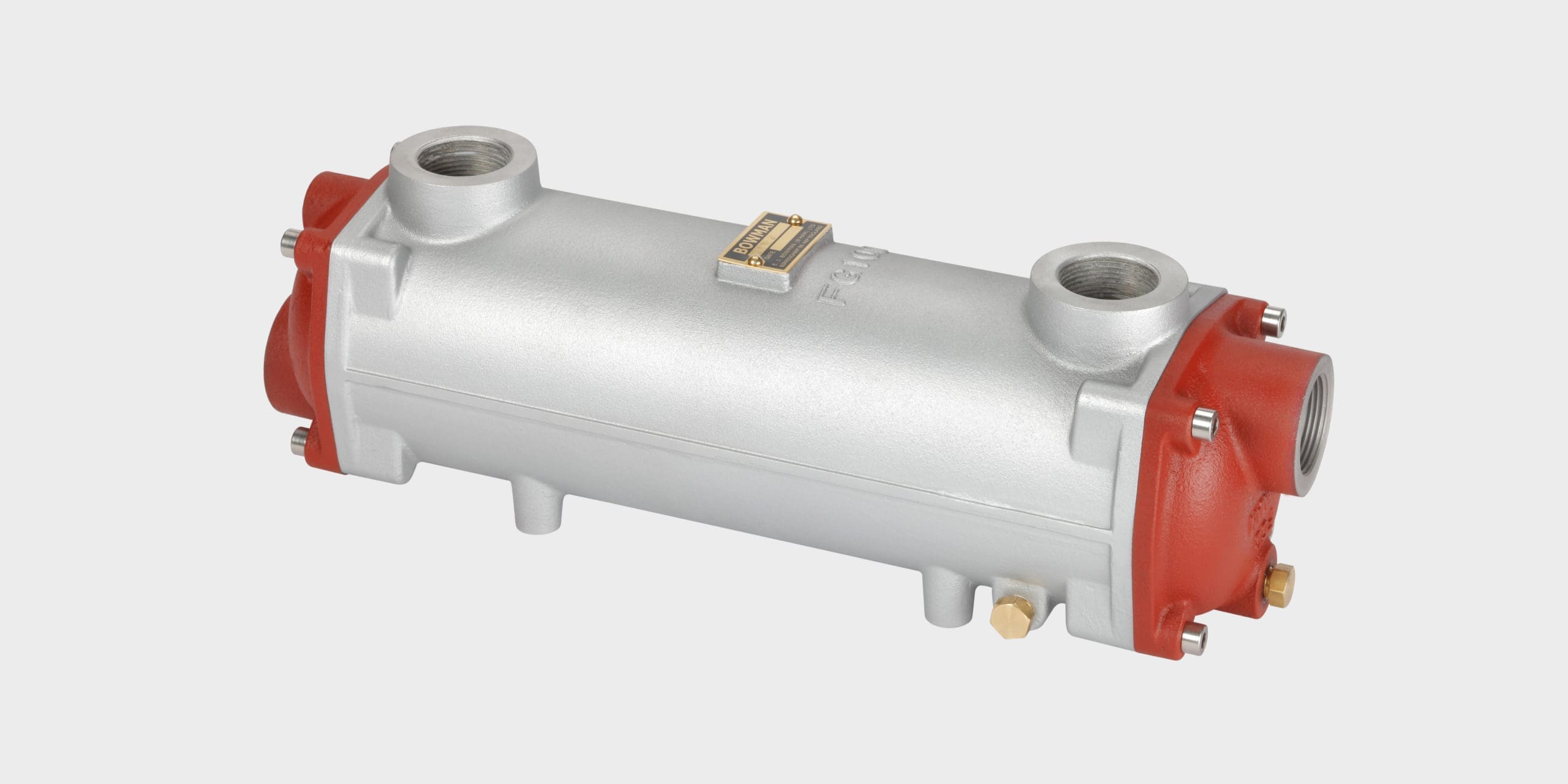
Highly efficient heat transfer solutions for cooling marine, land-based and underground hydraulic systems.
Bowman inline plate heat exchangers are a compact, economical solution for high efficiency heat transfer.
Bespoke cooling solutions for a range of popular marine engines from major OEMs, including coolant heat exchangers, charge air coolers, plus combined heat exchangers and exhaust manifolds, suitable for cooling marine engines up to 1 MW.
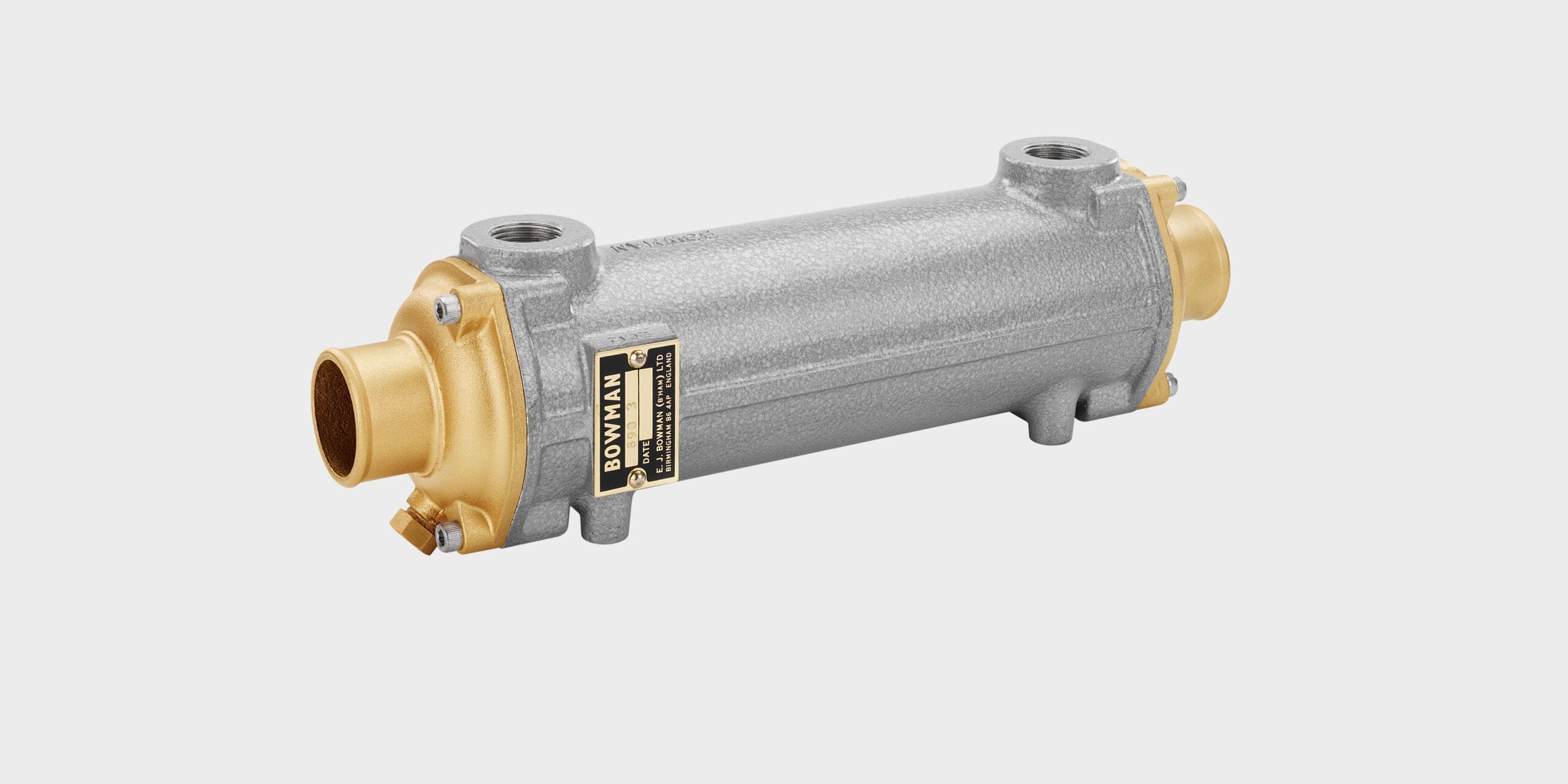
Bowman has a range of highly efficient oil coolers designed for marine and industrial engines and transmissions.
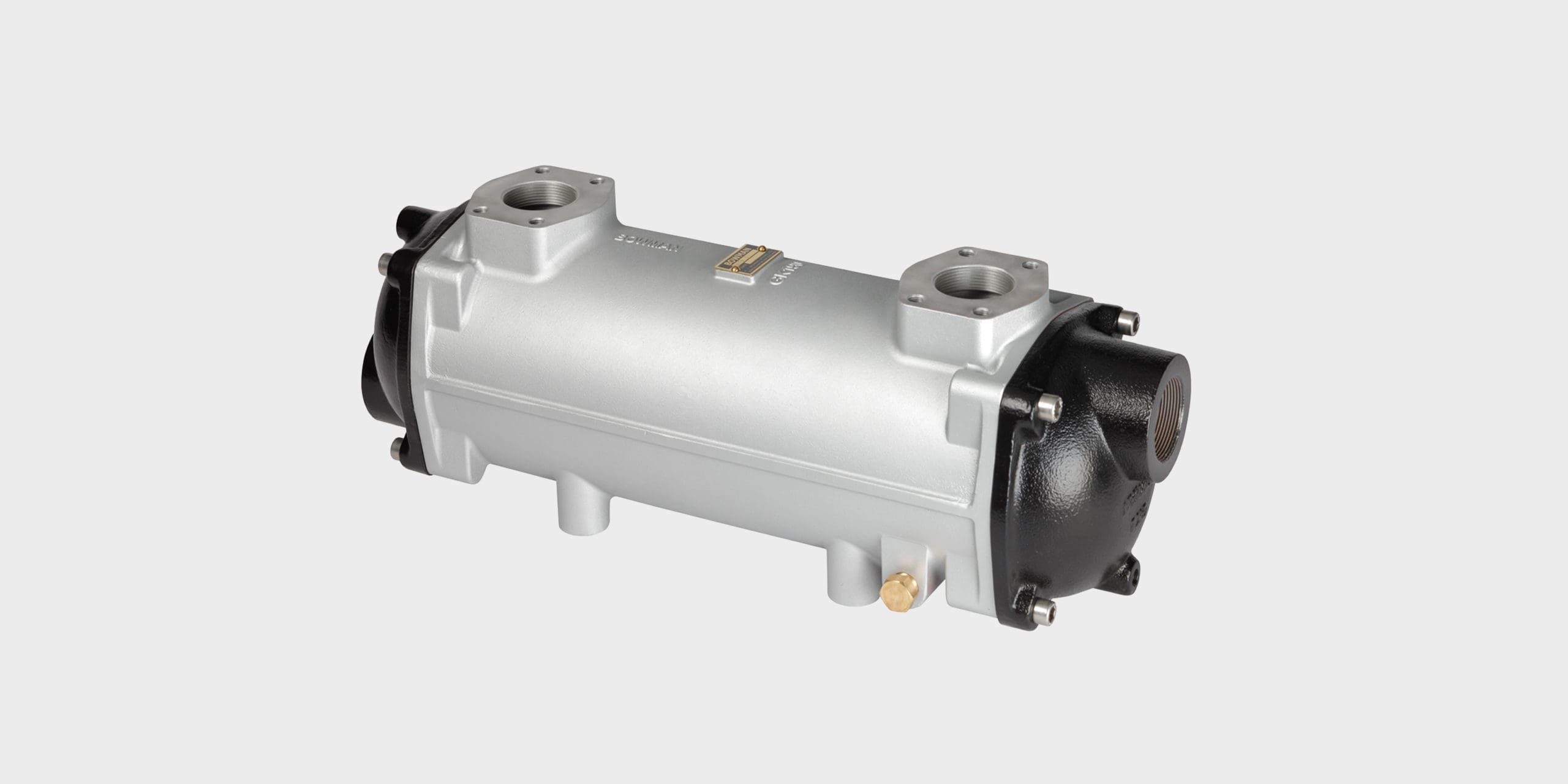
Efficient heat exchangers for cooling electric marine motors, hydrogen fuel cells, battery packs, chargers, AC-DC converters, DC-DC converters, inverters and associated equipment for electric and hybrid marine propulsion and charging systems.
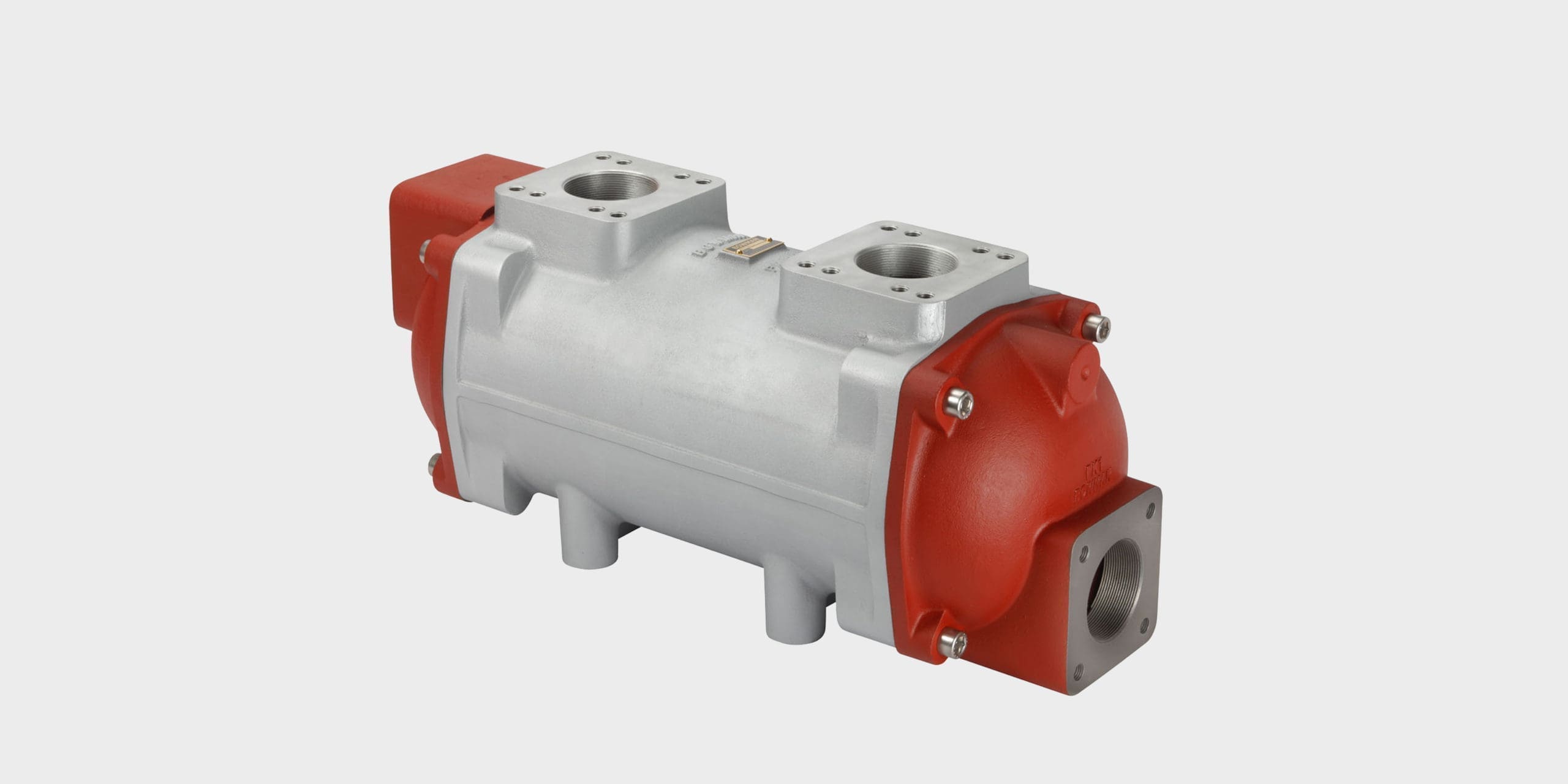
Highly efficient heat transfer solutions for cooling a variety of applications where air and fluids need to be cooled by fluids.
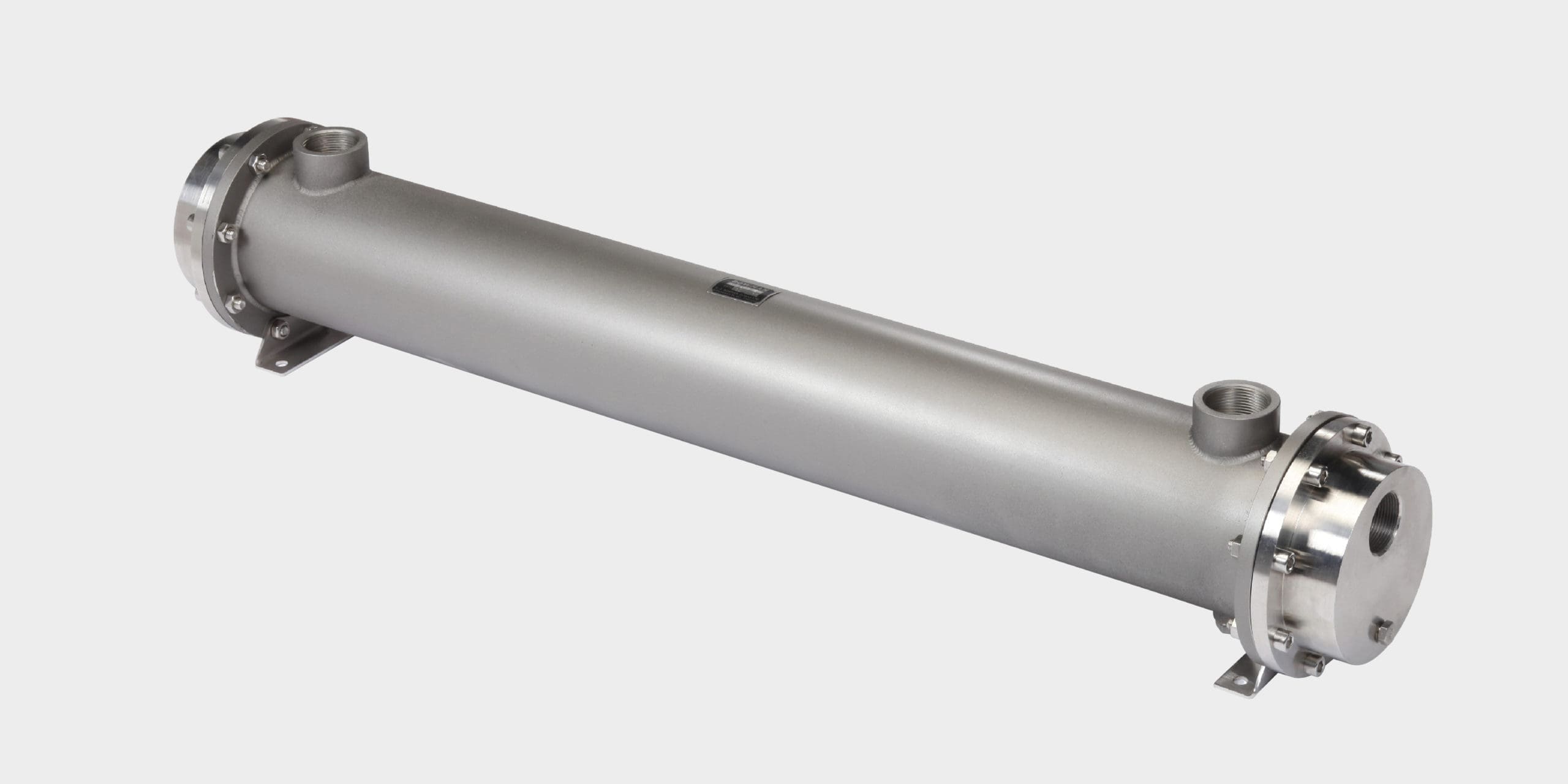
Many applications require stainless steel shell and tube heat exchangers and Bowman provide a standard range of units that are suitable for cooling or heating a variety of fluids.
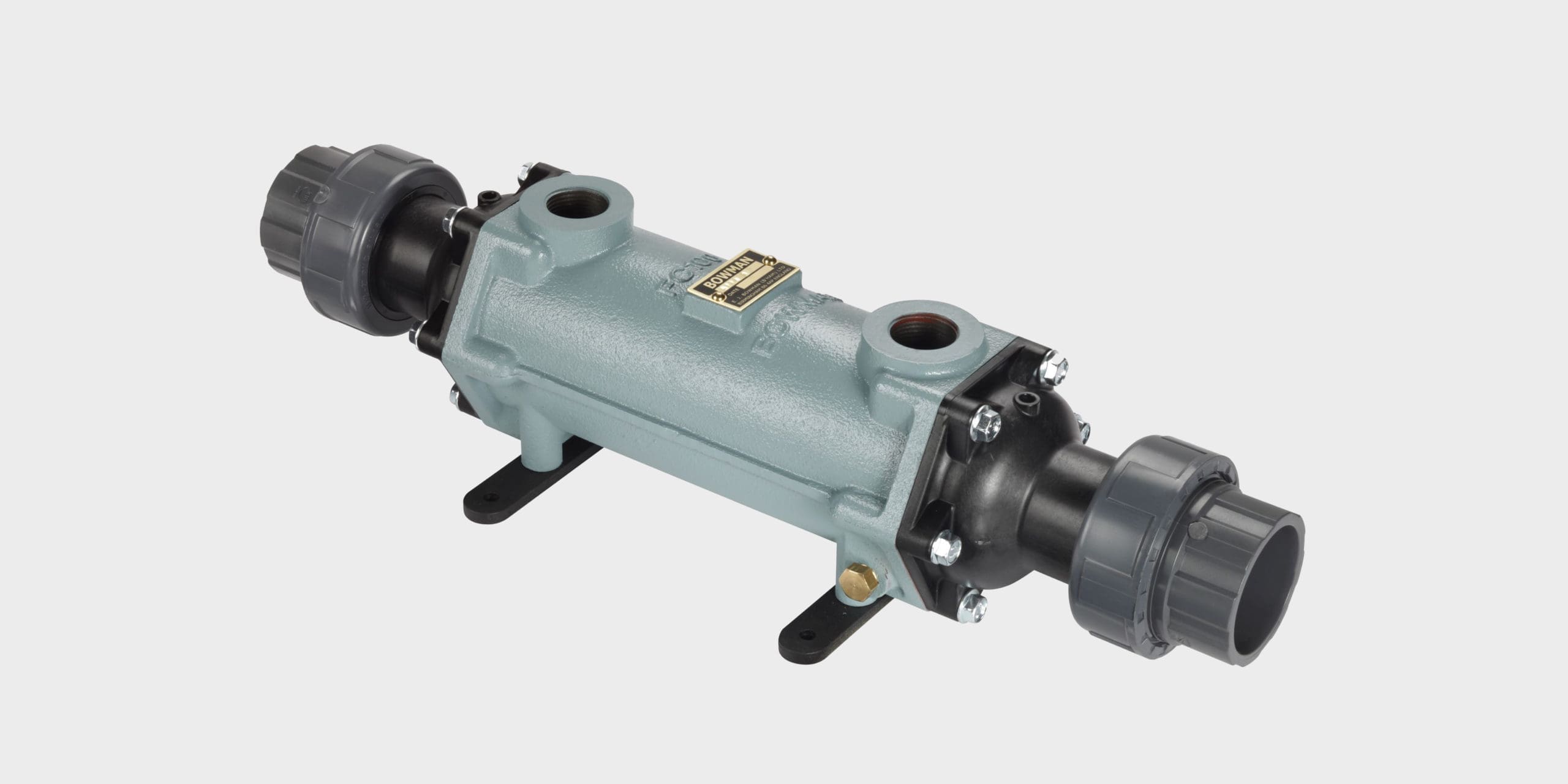
Bowman swimming pool heat exchangers are renowned for reliability and efficiency. Whether heating your pool with a traditional boiler or a renewable energy source, Bowman is the obvious choice.

Premium quality heat exchangers and oil coolers for precise temperature control of engines under test cell development conditions.

Recovering waste heat energy from engine powered generating sets for biogas, diesel and natural gas applications up to 1 MW.
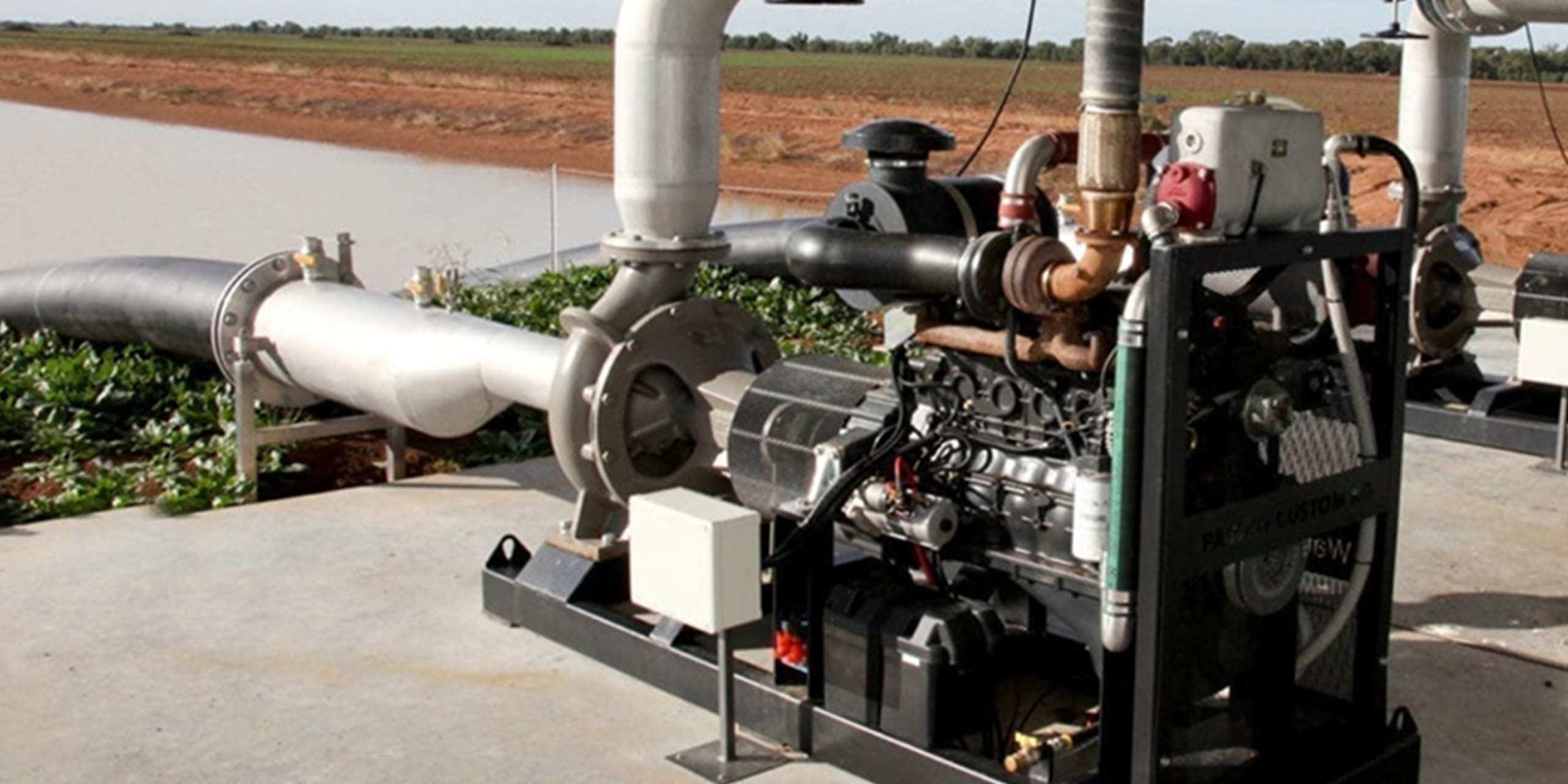
Efficient cooling for stationary / land-based engines where air cooling is either unavailable or inappropriate.
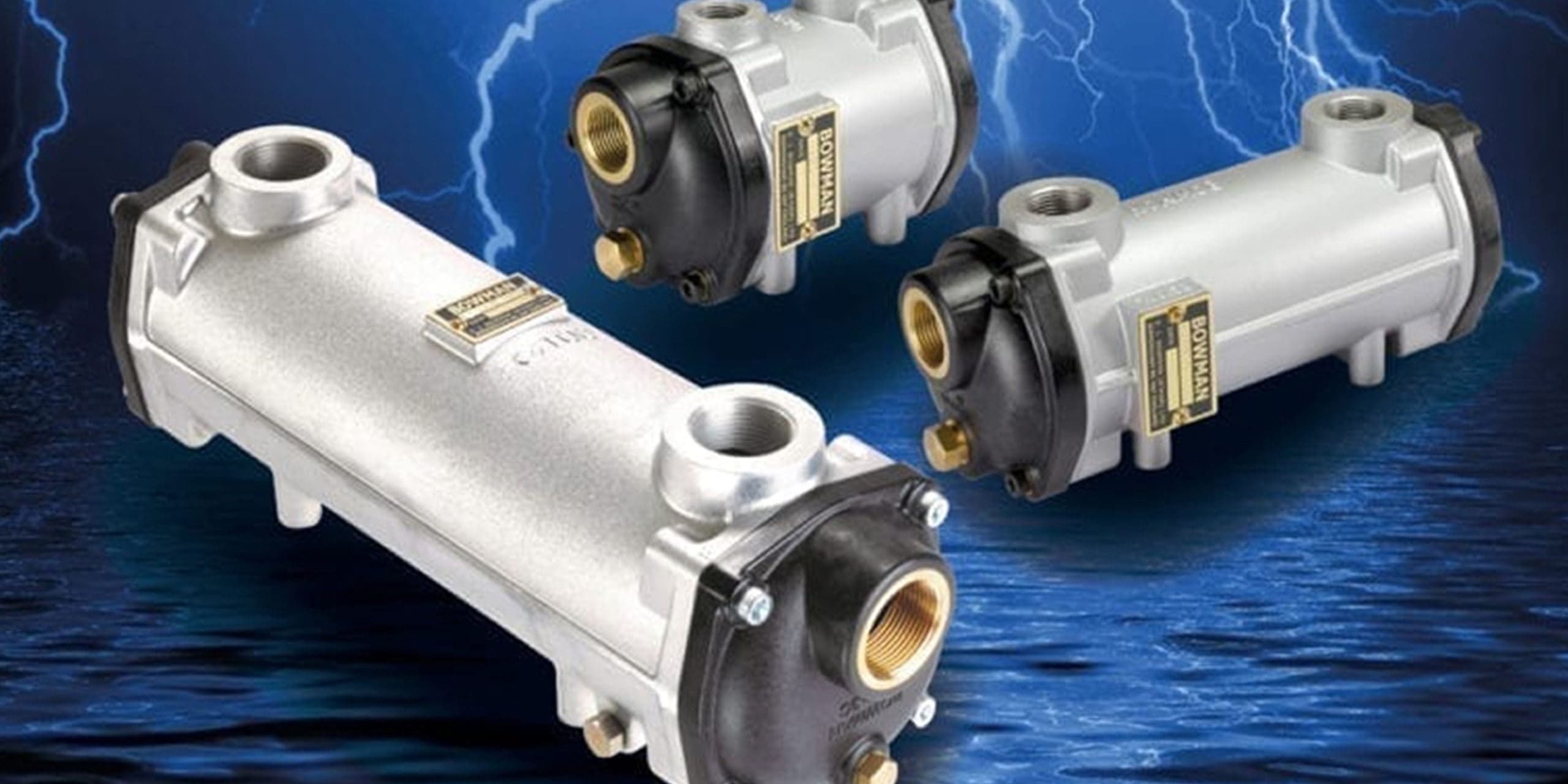
The reliable solution for cooling Electric & Hybrid Marine Propulsion Systems.
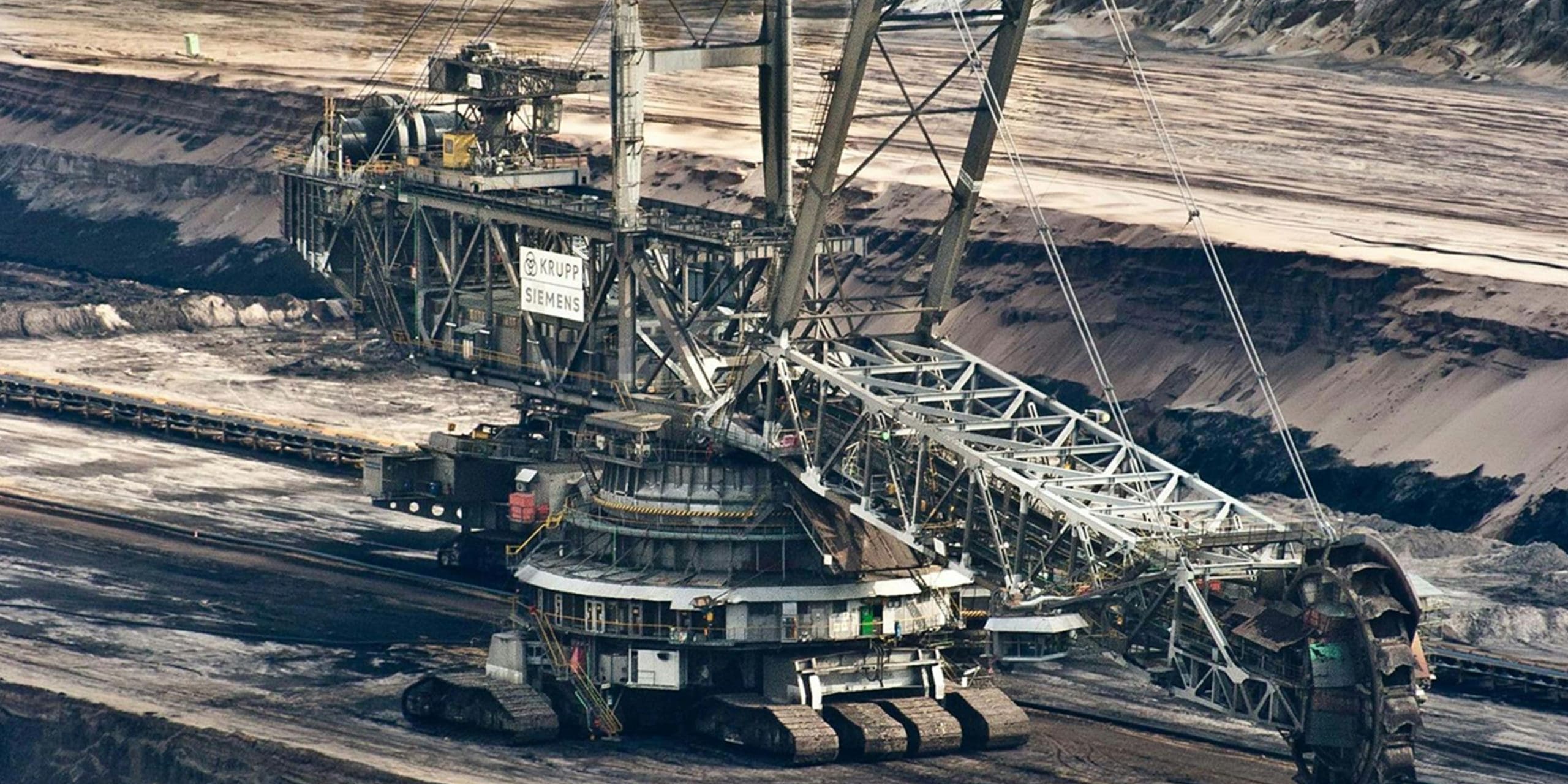
A comprehensive oil cooling solution for industrial hydraulic control systems, plus high temperature and mining applications.
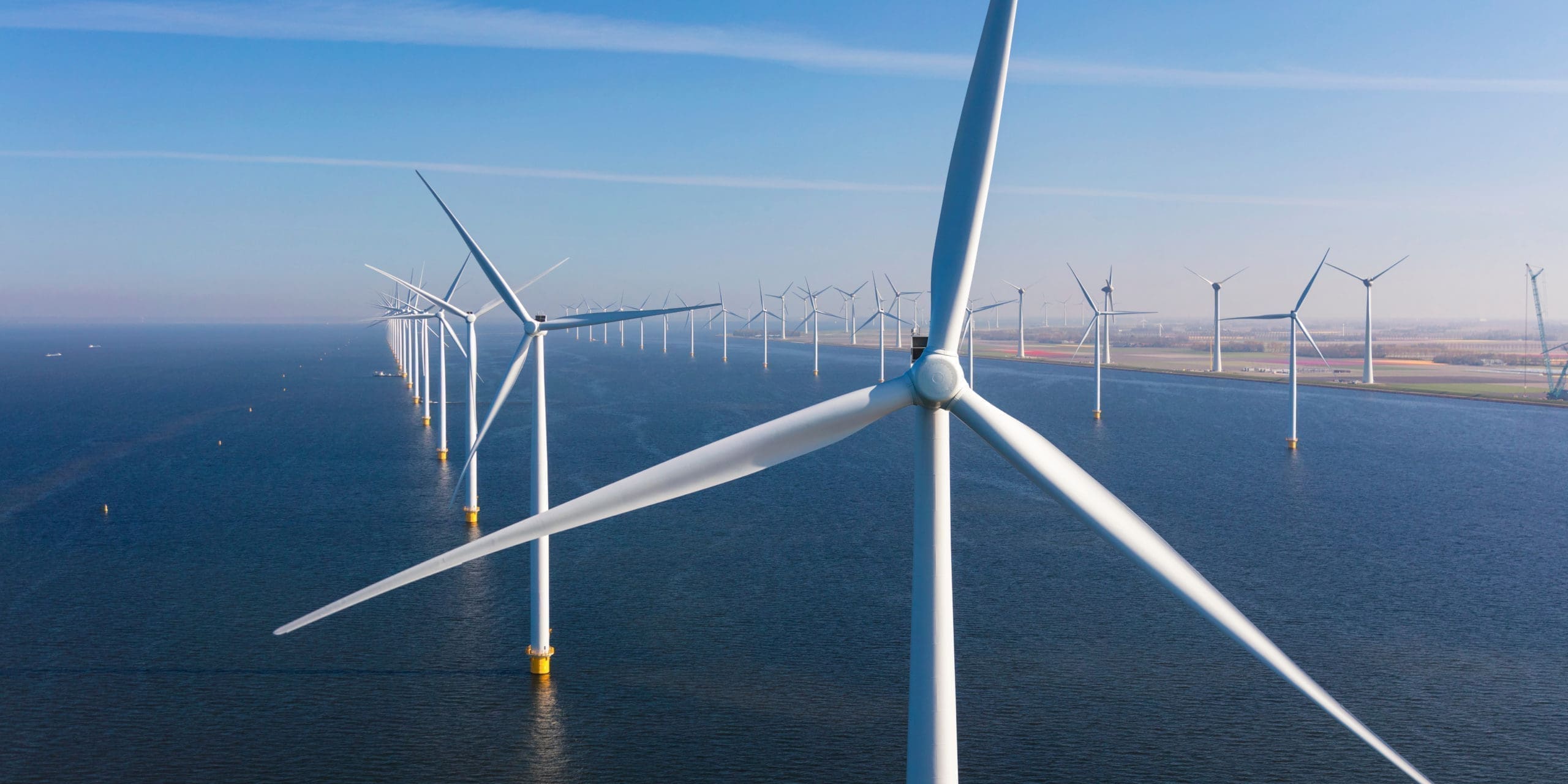
A complete solution for cooling complex on-board hydraulic equipment, including thruster and stabiliser systems.
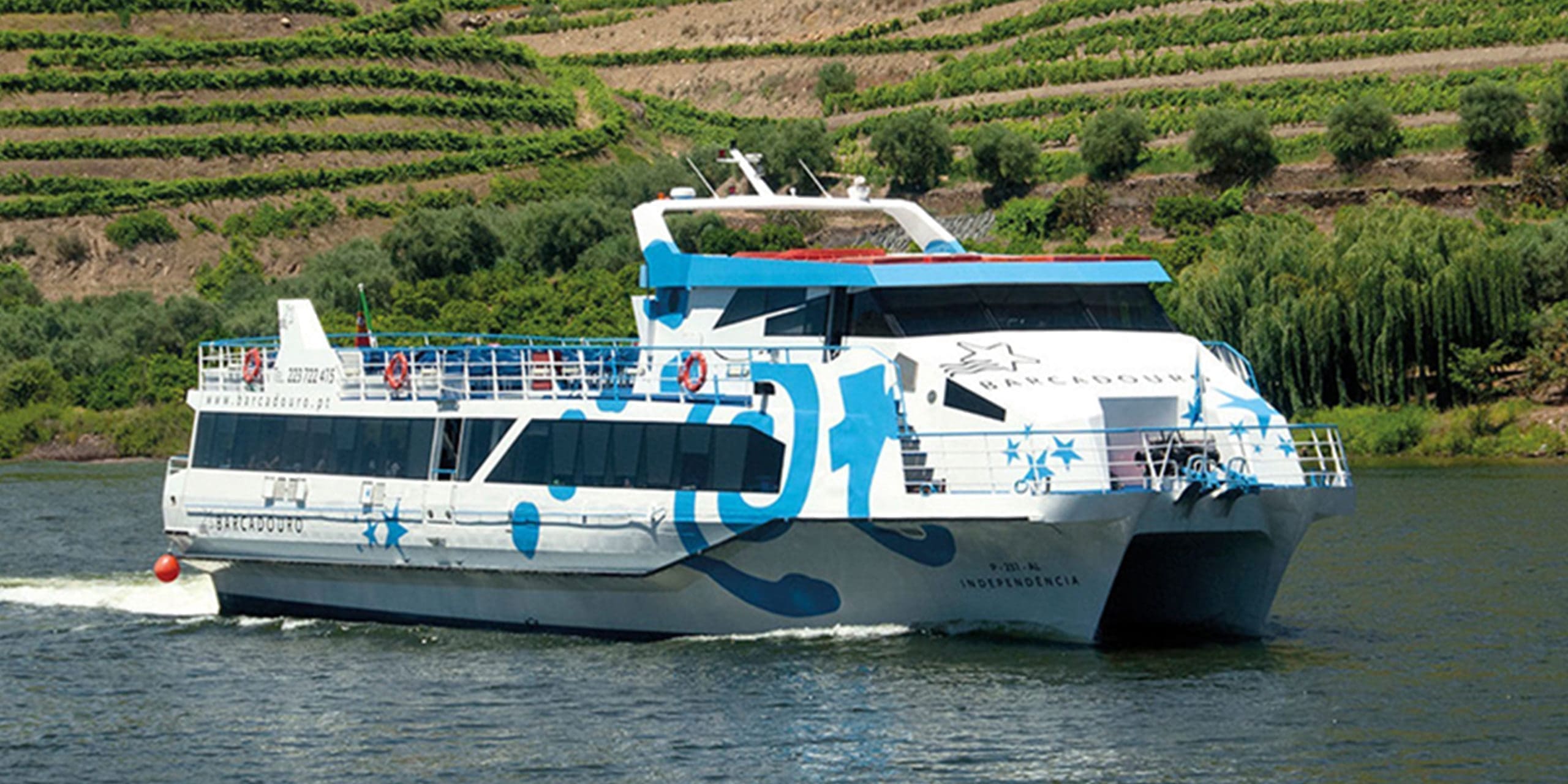
The complete cooling solution for marine engine propulsion, including the latest electric and hybrid systems.
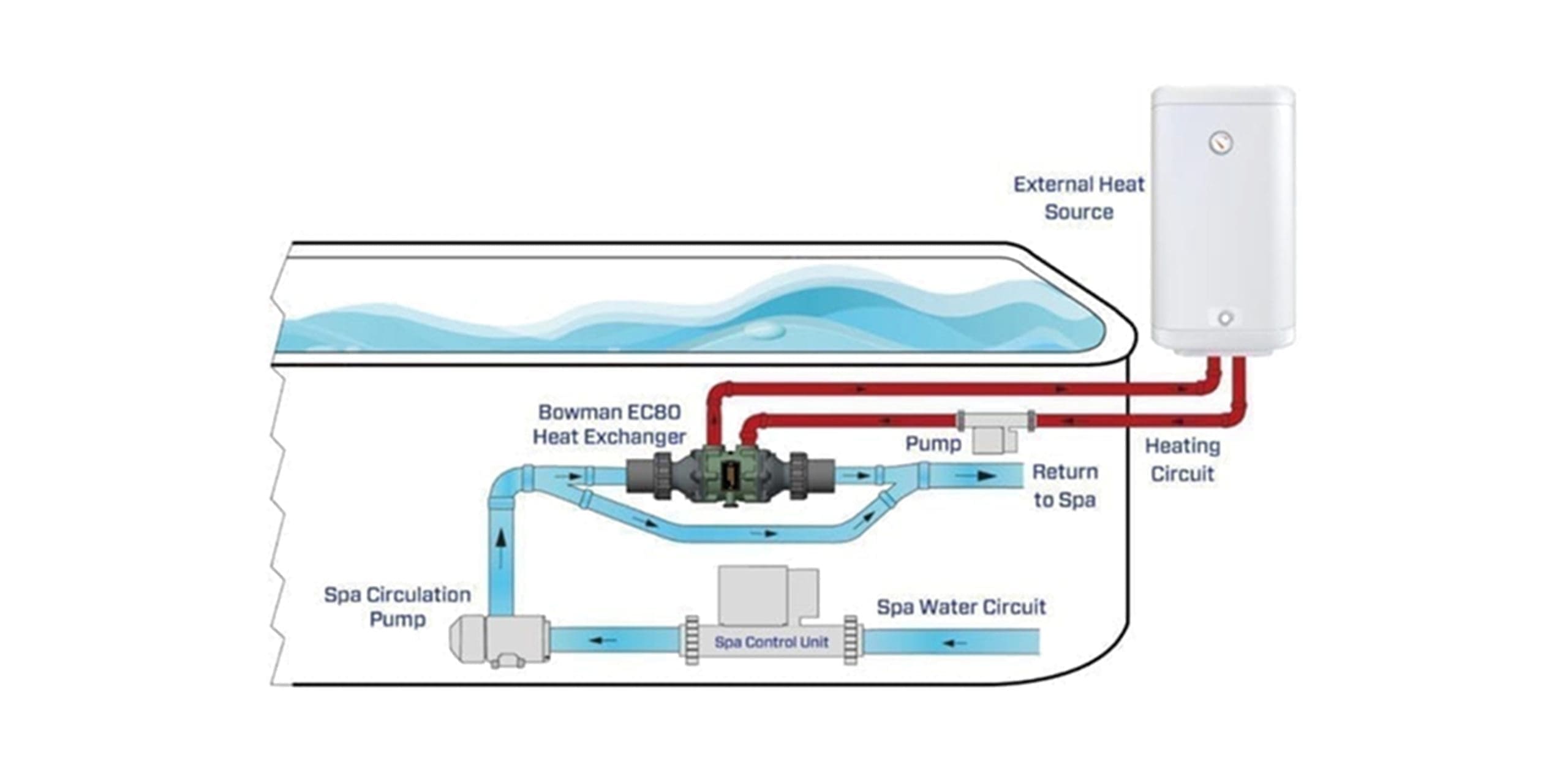
An energy efficient solution for heating hot tubs and swim spas faster, significantly reducing heat-up time for guest change-over periods.

Quality heat exchangers for efficient swimming pool heating, using boiler or renewable energy heat sources.
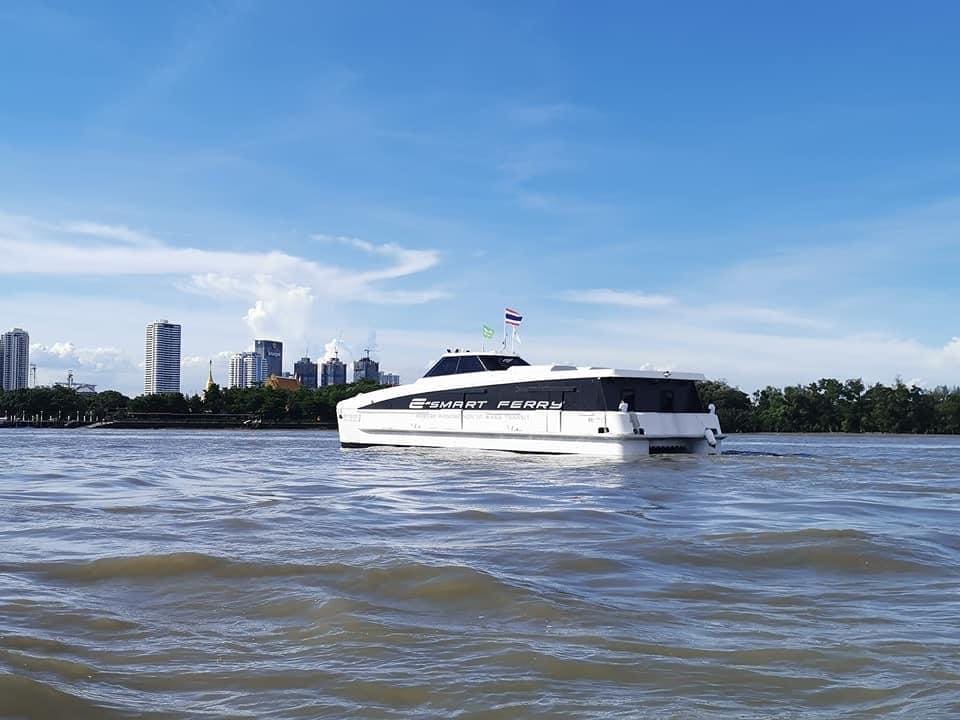
Bowman shell and tube heat exchangers provide a compact, reliable way to keep marine battery packs within their safe operating window, using the vessel’s seawater or freshwater circuit as the ultimate heat sink. When correctly specified, they help prevent performance loss, accelerated ageing and safety risks associated with overheating in electric and hybrid vessels.
Marine battery packs based on lithium produce a significant amount of heat on charge and discharge. When this heat is not dissipated effectively, the cell temperatures may exceed the recommended level, making available power lower and service life shorter.
In more severe cases, local hotspots can lead to cell imbalance, gas generation and the risk of thermal runaway, especially where packs are densely packaged in confined machinery spaces. In the case of commercial and passenger craft, range is directly proportional to any decrease in battery performance or safety margin.
Typical consequences of under‑engineered battery cooling in marine applications include:
The stability of the liquid cooling system in design with sufficient margin of worst-case ambient water temperature and transient loads is therefore of significant importance with regards to performance and safety.
A majority of marine battery packs incorporate a closed-loop, water-glycol circuit on the battery side, connected to a seawater or special freshwater circuit, through a shell and tube heat exchanger.
The standard set-up consists of:
Battery loop
Seawater (or secondary) loop
In many electric and hybrid vessels, additional high‑voltage components such as inverters, DC‑DC converters, chargers and electric drive motors share the same cooling backbone, using dedicated branches and heat exchangers sized for their individual heat loads.
Bowman electric and hybrid coolers are marine-grade heat exchangers that can be installed between the battery water-glycol loop and the seawater (or secondary) loop. The pack produces heat that is then transferred to the seawater side of the tube bundle to ensure the battery is kept at its desired temperature range.
Key integration attributes are:
Marine-grade construction
Flexible sizing and layouts
Compatibility with water‑glycol battery circuits
Simple installation and maintenance
Bowman shell and tube exchangers are an effective thermal interface to the relatively cool and plentiful seawater resource enabling stable battery temperatures even in warmer operating climates where sea water may exceed 30 °C.
Bowman’s computer‑aided selection (CAS) process uses application data to specify the most suitable shell and tube cooler for each marine battery installation. To obtain a recommendation, you should be ready to supply:
Battery and duty details
Coolant-side information (battery loop)
Seawater / secondary circuit data
System integration notes
Providing this information enables Bowman’s technical team to use CAS to select an appropriately sized electric and hybrid cooler, confirm expected performance at your design conditions and advise on any options or larger units required for additional safety margin.
Bowman shell and tube heat exchangers provide a compact, reliable way to keep marine battery packs within their safe operating window, using the vessel’s seawater or freshwater circuit as the ultimate heat sink. When correctly specified, they help prevent performance loss, accelerated ageing and safety risks associated with overheating in electric and hybrid vessels.
Marine battery packs based on lithium produce a significant amount of heat on charge and discharge. When this heat is not dissipated effectively, the cell temperatures may exceed the recommended level, making available power lower and service life shorter.
In more severe cases, local hotspots can lead to cell imbalance, gas generation and the risk of thermal runaway, especially where packs are densely packaged in confined machinery spaces. In the case of commercial and passenger craft, range is directly proportional to any decrease in battery performance or safety margin.
Typical consequences of under‑engineered battery cooling in marine applications include:
The stability of the liquid cooling system in design with sufficient margin of worst-case ambient water temperature and transient loads is therefore of significant importance with regards to performance and safety.
A majority of marine battery packs incorporate a closed-loop, water-glycol circuit on the battery side, connected to a seawater or special freshwater circuit, through a shell and tube heat exchanger.
The standard set-up consists of:
Battery loop
Seawater (or secondary) loop
In many electric and hybrid vessels, additional high‑voltage components such as inverters, DC‑DC converters, chargers and electric drive motors share the same cooling backbone, using dedicated branches and heat exchangers sized for their individual heat loads.
Bowman electric and hybrid coolers are marine-grade heat exchangers that can be installed between the battery water-glycol loop and the seawater (or secondary) loop. The pack produces heat that is then transferred to the seawater side of the tube bundle to ensure the battery is kept at its desired temperature range.
Key integration attributes are:
Marine-grade construction
Flexible sizing and layouts
Compatibility with water‑glycol battery circuits
Simple installation and maintenance
Bowman shell and tube exchangers are an effective thermal interface to the relatively cool and plentiful seawater resource enabling stable battery temperatures even in warmer operating climates where sea water may exceed 30 °C.
Bowman’s computer‑aided selection (CAS) process uses application data to specify the most suitable shell and tube cooler for each marine battery installation. To obtain a recommendation, you should be ready to supply:
Battery and duty details
Coolant-side information (battery loop)
Seawater / secondary circuit data
System integration notes
Providing this information enables Bowman’s technical team to use CAS to select an appropriately sized electric and hybrid cooler, confirm expected performance at your design conditions and advise on any options or larger units required for additional safety margin.

Bowman and Rinnai provide the perfect heating solution for an Australian roof top pool – where winter temperatures can be surprisingly cool!

Six Bowman heat exchangers have been installed at the recently opened Gold’s Gym, Amman, Jordan, to heat two half Olympic-sized swimming pools.

How Bowman heat exchangers are helping this internationally renowned golf destination reduce energy costs and CO₂ emissions.

Bowman heat exchangers are playing an important role in the success of a flagship hotel on the Black Sea coast in Georgia.

Bowman and Rinnai provide the perfect heating solution for an Australian roof top pool – where winter temperatures can be surprisingly cool!

Six Bowman heat exchangers have been installed at the recently opened Gold’s Gym, Amman, Jordan, to heat two half Olympic-sized swimming pools.

How Bowman heat exchangers are helping this internationally renowned golf destination reduce energy costs and CO₂ emissions.

Bowman heat exchangers are playing an important role in the success of a flagship hotel on the Black Sea coast in Georgia.
You cannot copy content of this page