



The path to Nirvana – Bowman heat exchangers!
Nirvana Spa provides a relaxed Mediterranean holiday experience, with stunning swimming, spa and wellness pools heated by Bowman Heat Exchangers.

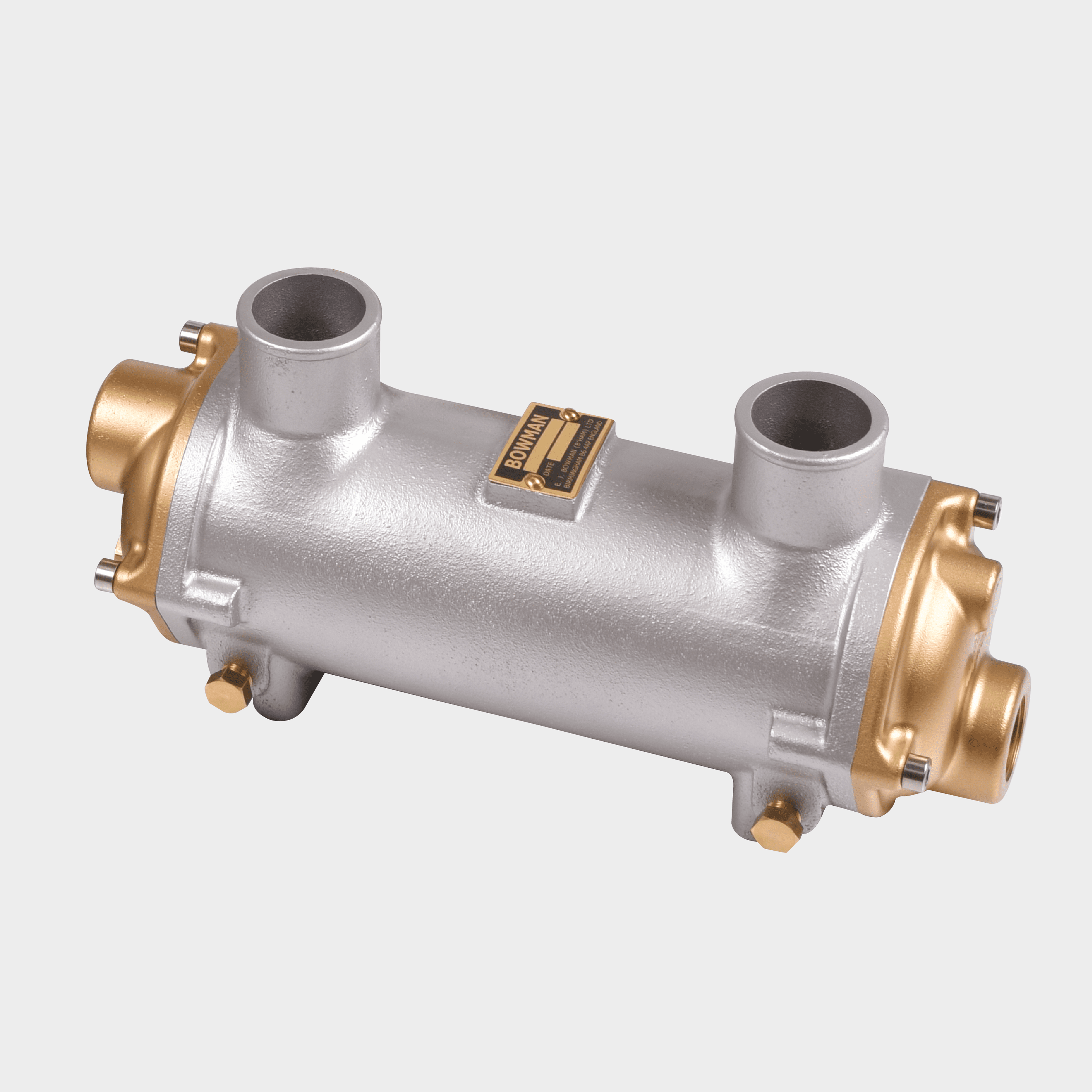
Used to cool the hot, compressed air from the turbo before it reaches the engine, the intercoolers improve engine efficiency and reduce emissions for marine and land-based stationary engines.
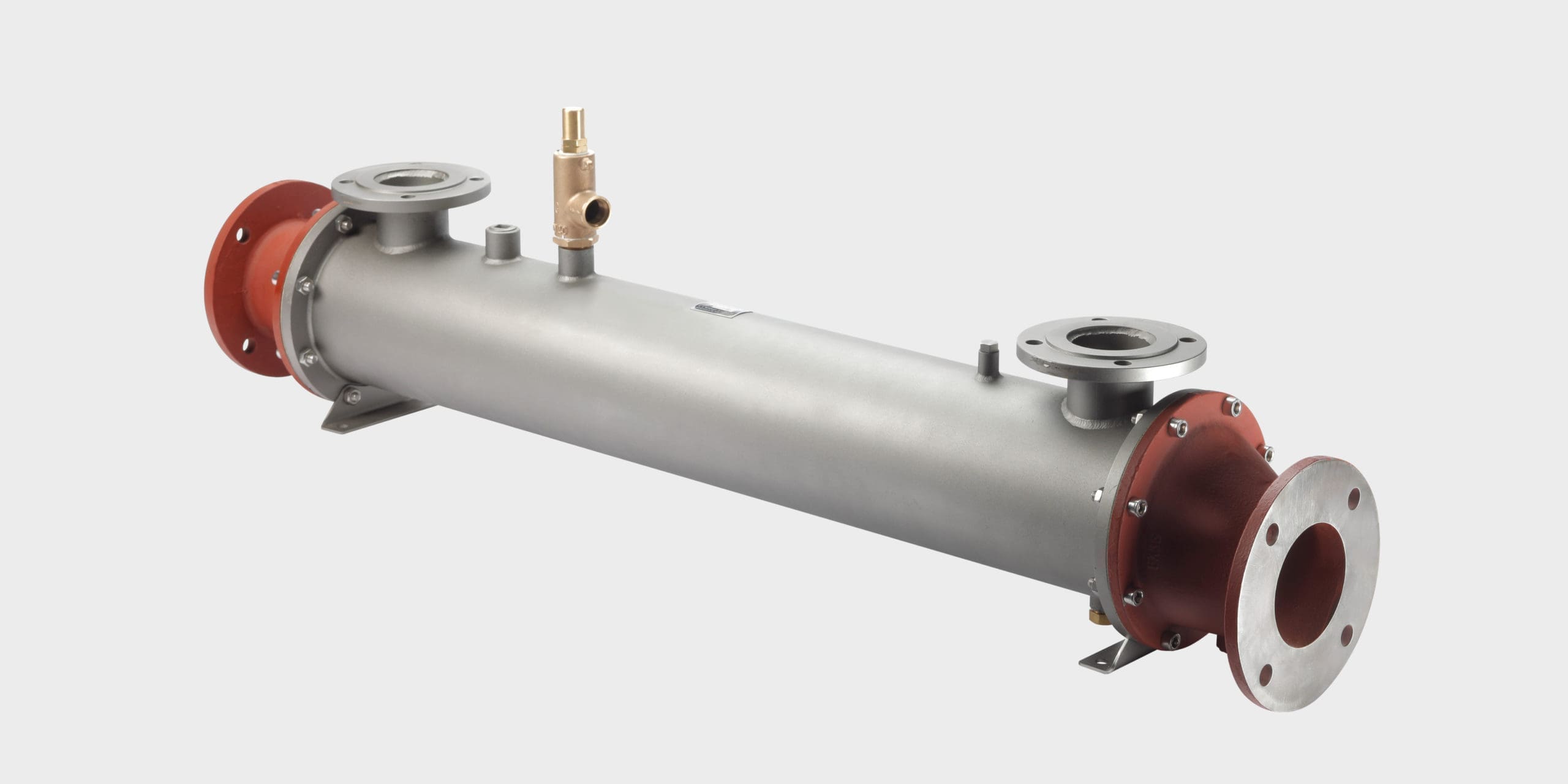
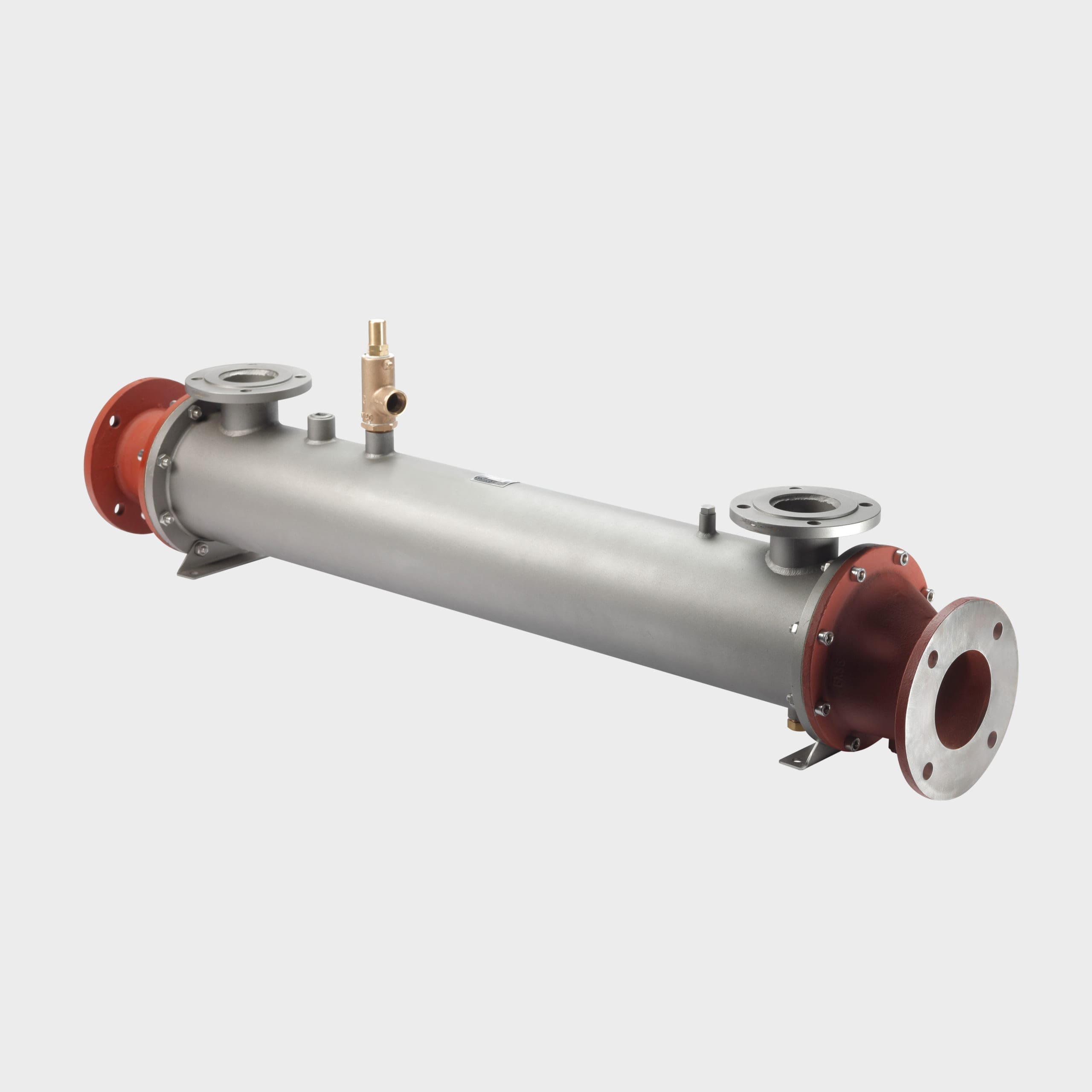
Exhaust gas heat exchangers are designed to recover waste heat energy from the exhaust stream of reciprocating engine powered generating sets.
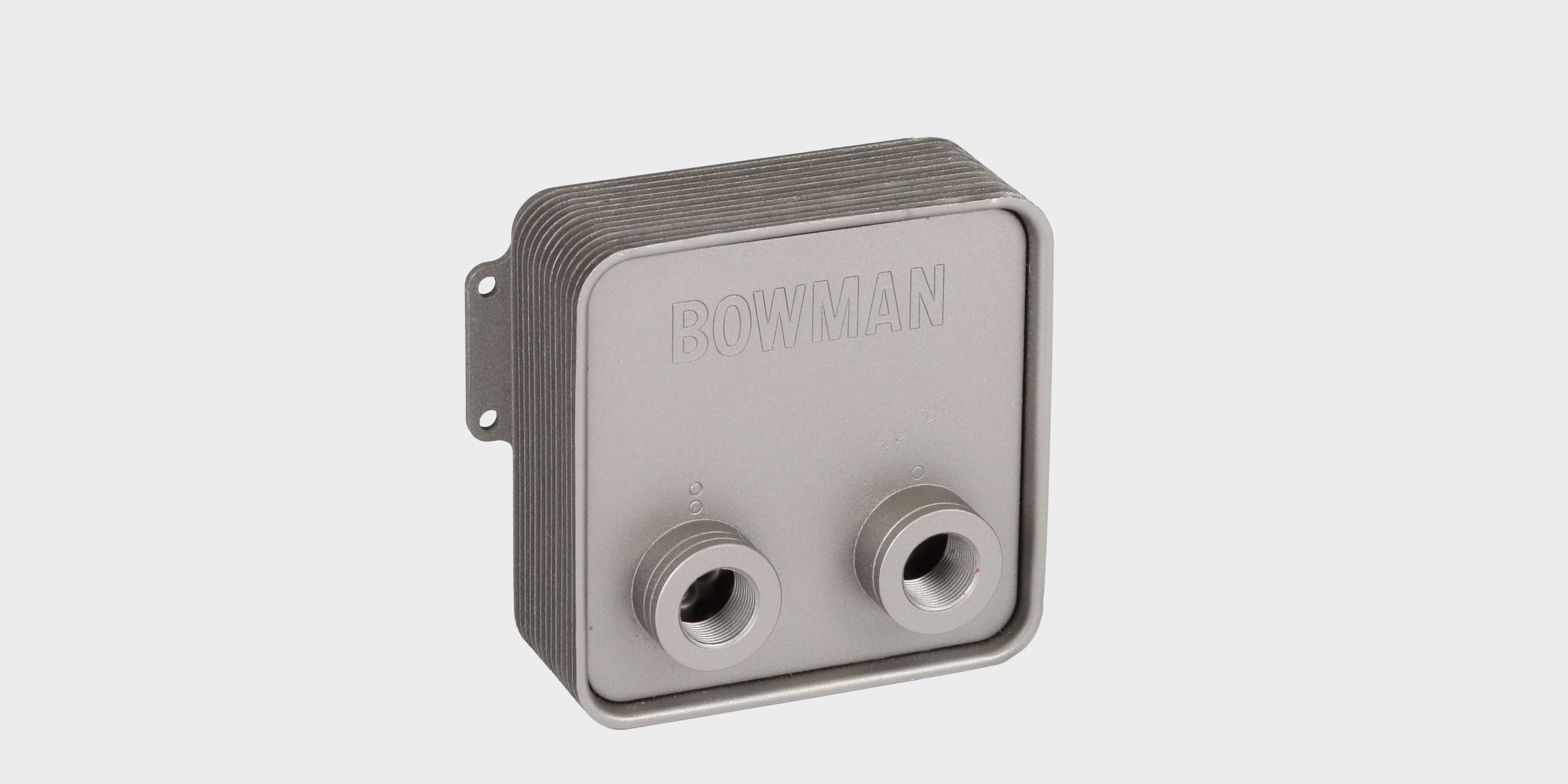
Bowman 'copper free' fuel coolers are compact, highly efficient heat exchangers suitable for fuel conditioning rigs in the automotive testing industry.
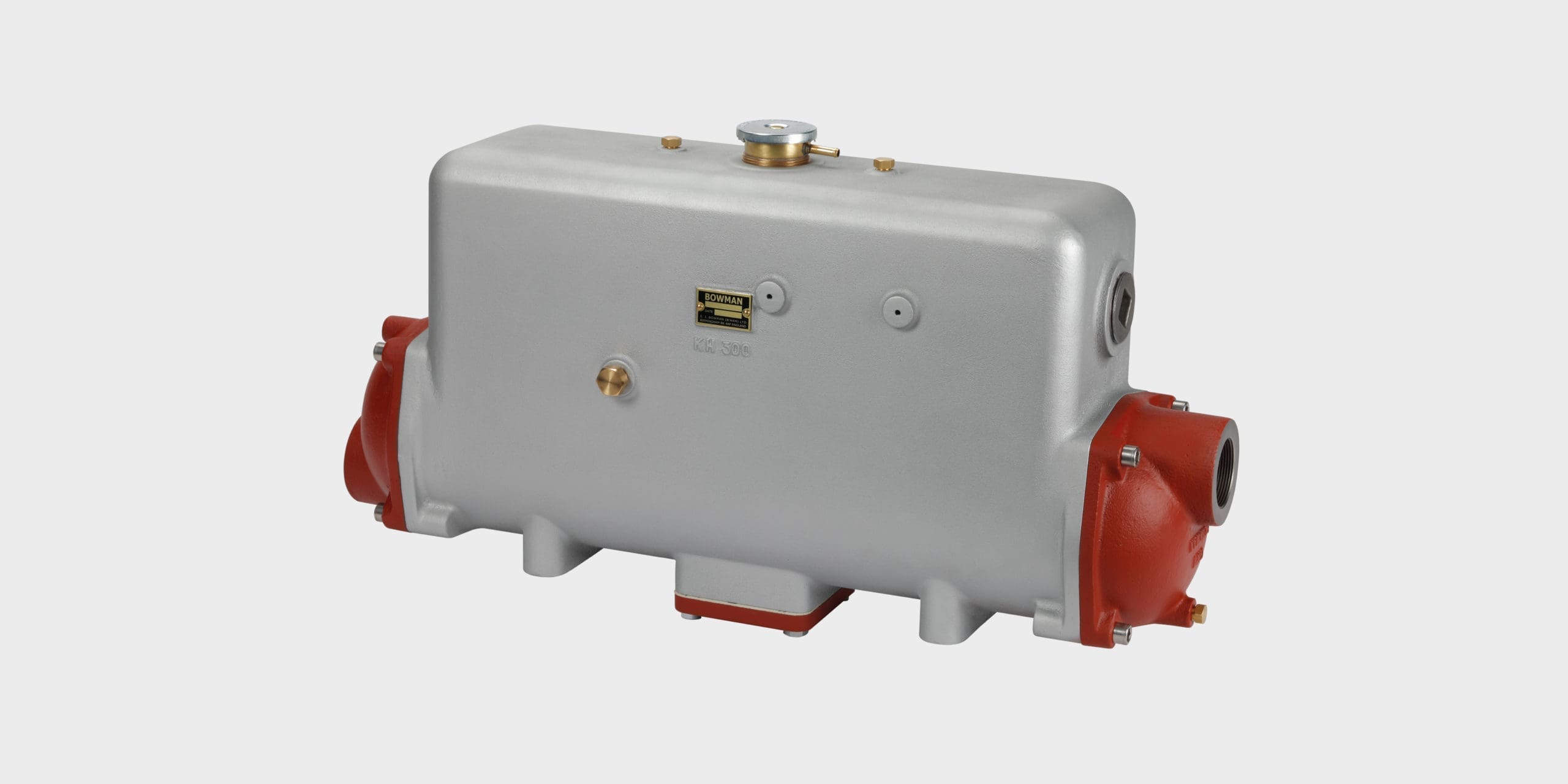
Engine coolant header tank heat exchangers for marine propulsion, gensets or stationary land-based engines.
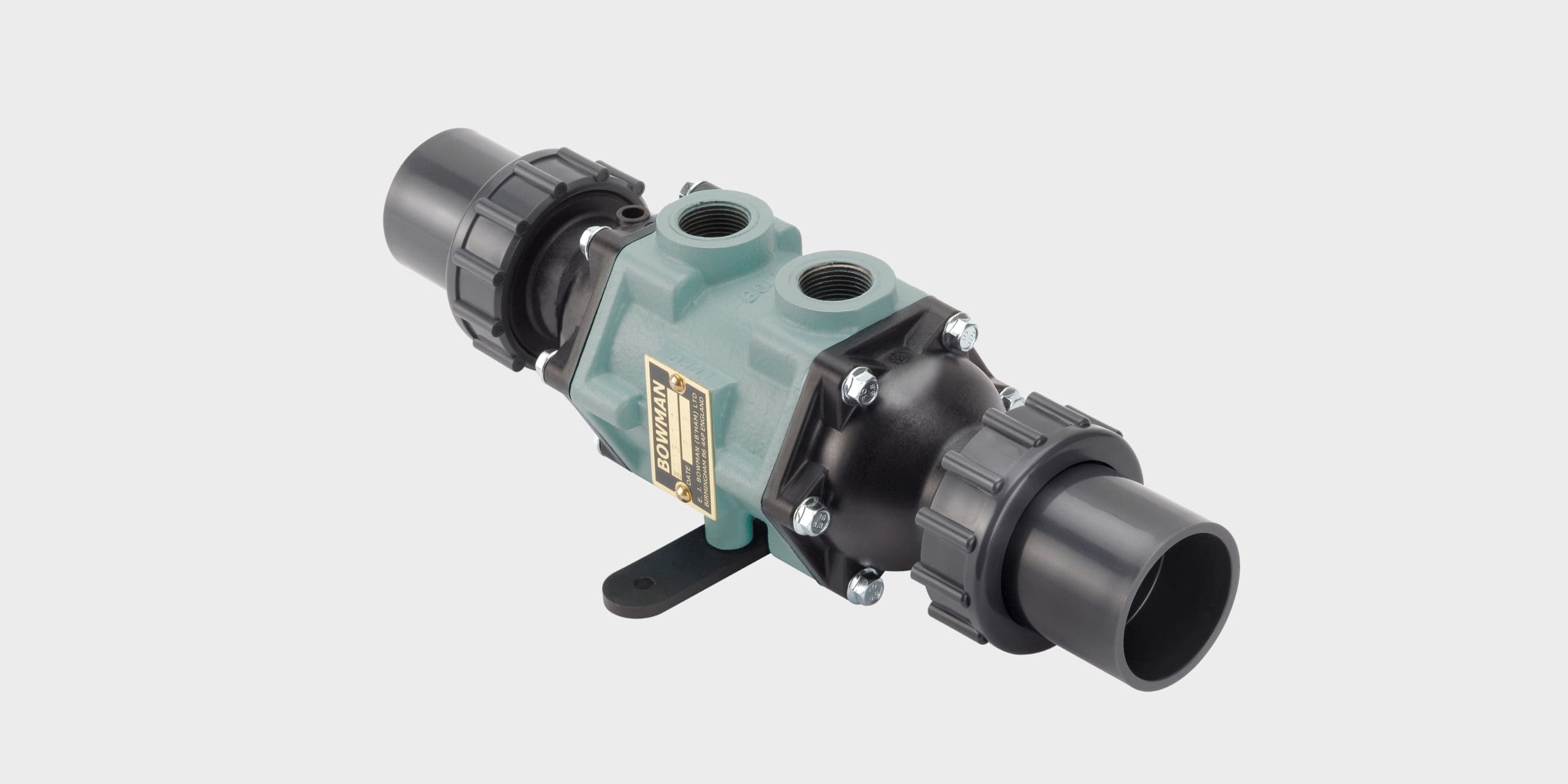
Bowman EC 80-5113-1T heat exchangers provide a new solution for heating spas and hot tubs in just a fraction of the time taken by traditional electric heaters.
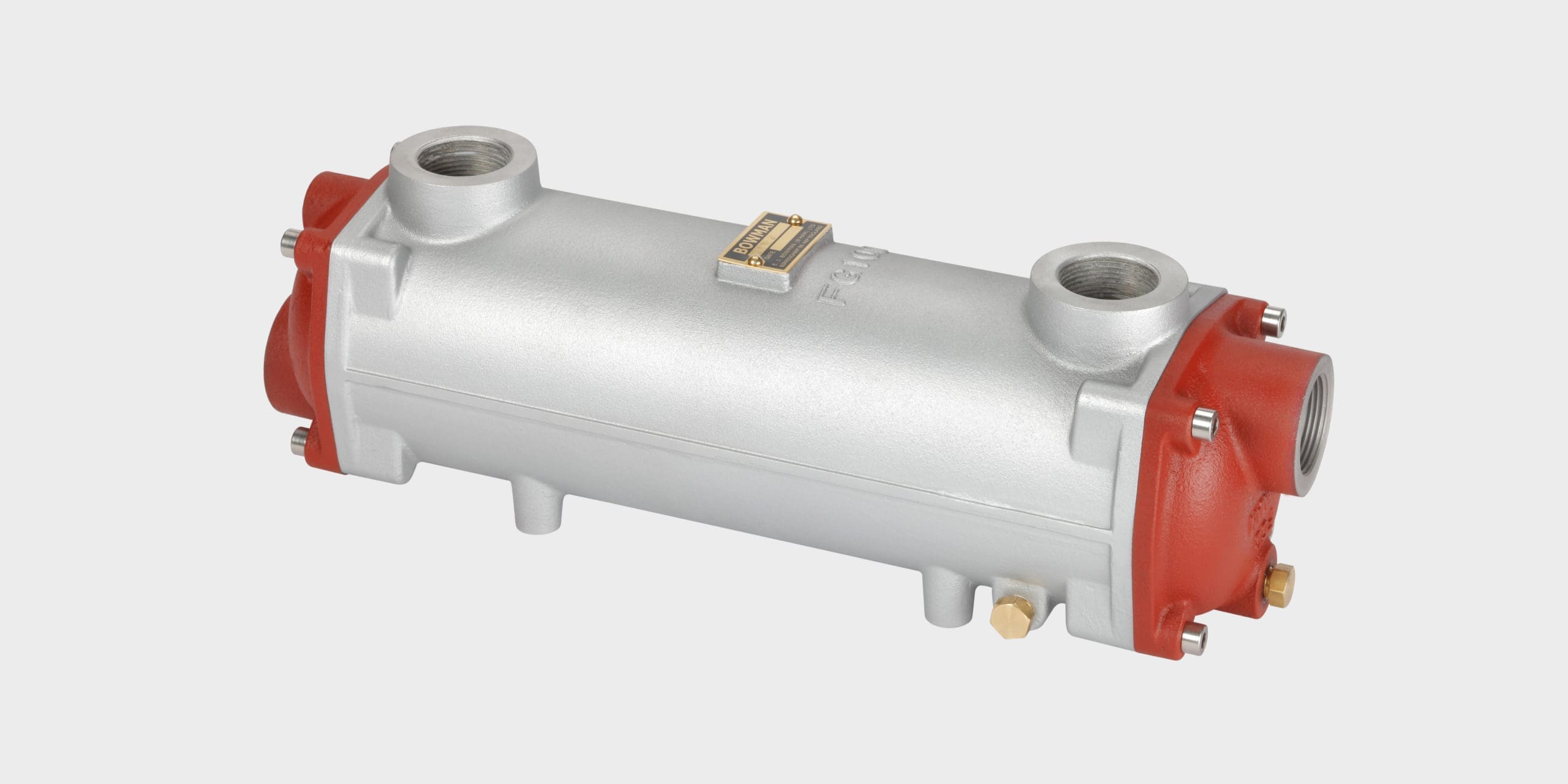
Highly efficient heat transfer solutions for cooling marine, land-based and underground hydraulic systems.
Bowman inline plate heat exchangers are a compact, economical solution for high efficiency heat transfer.
Bespoke cooling solutions for a range of popular marine engines from major OEMs, including coolant heat exchangers, charge air coolers, plus combined heat exchangers and exhaust manifolds, suitable for cooling marine engines up to 1 MW.
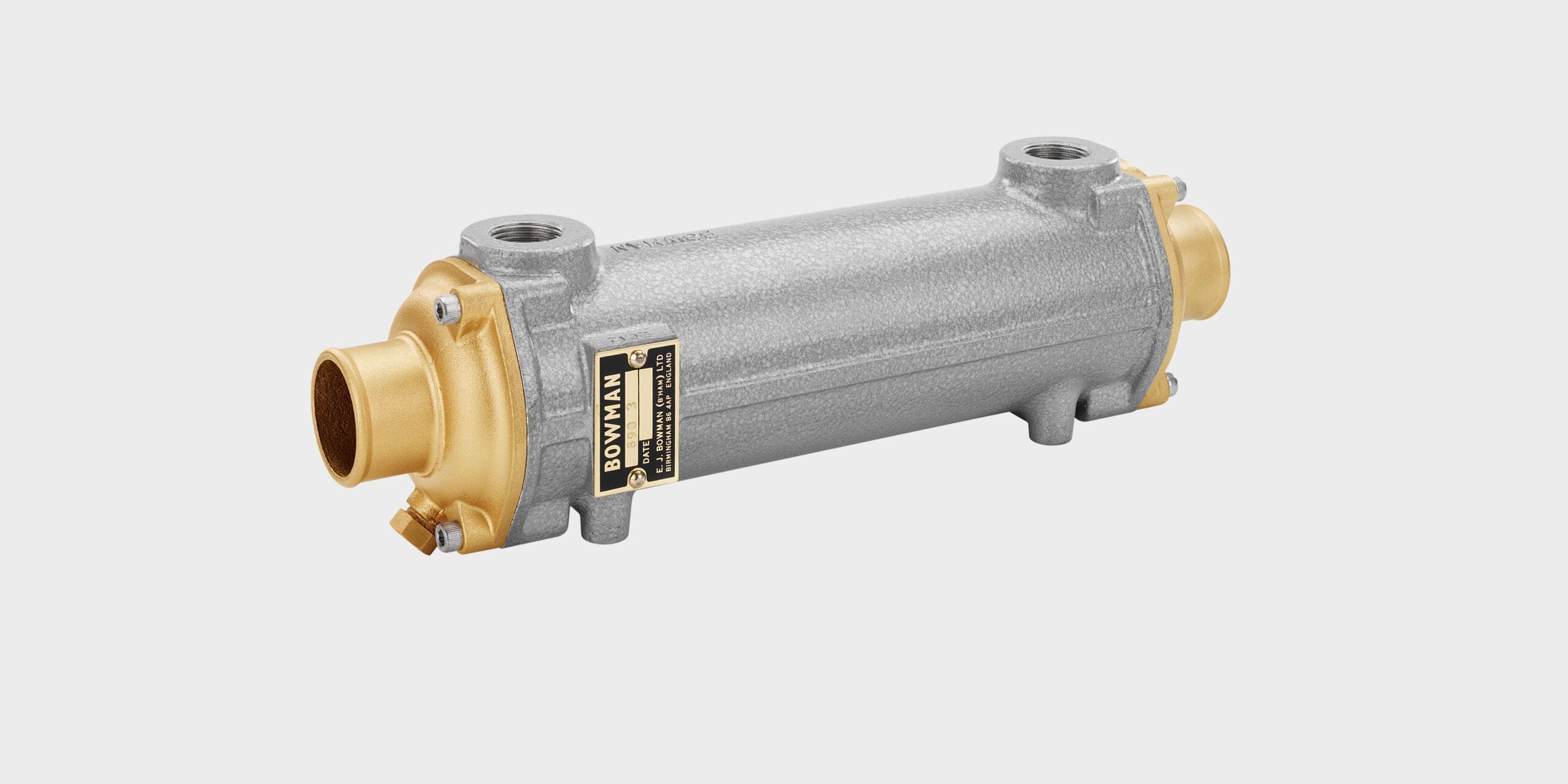
Bowman has a range of highly efficient oil coolers designed for marine and industrial engines and transmissions.
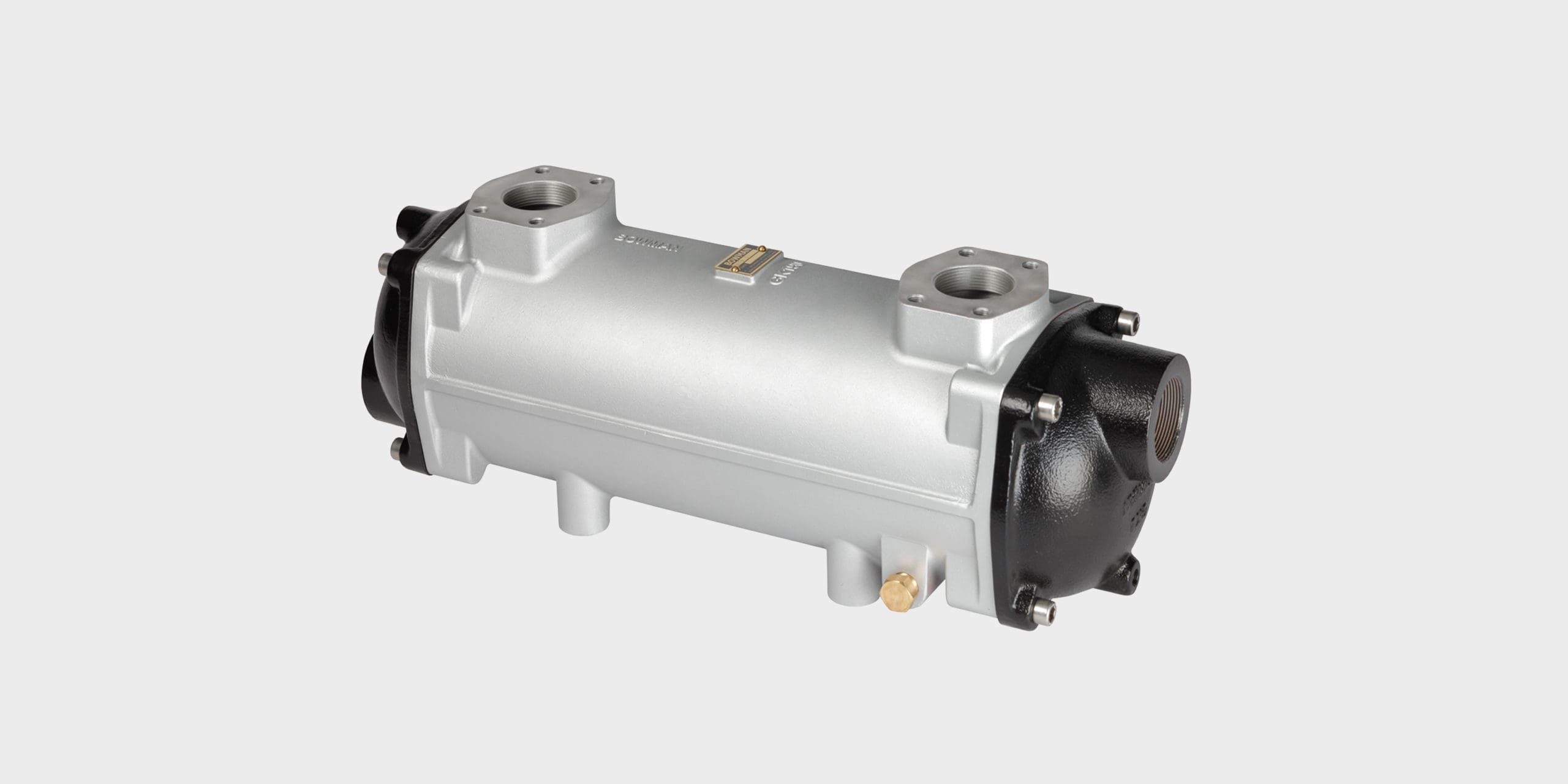
Efficient heat exchangers for cooling electric marine motors, hydrogen fuel cells, battery packs, chargers, AC-DC converters, DC-DC converters, inverters and associated equipment for electric and hybrid marine propulsion and charging systems.
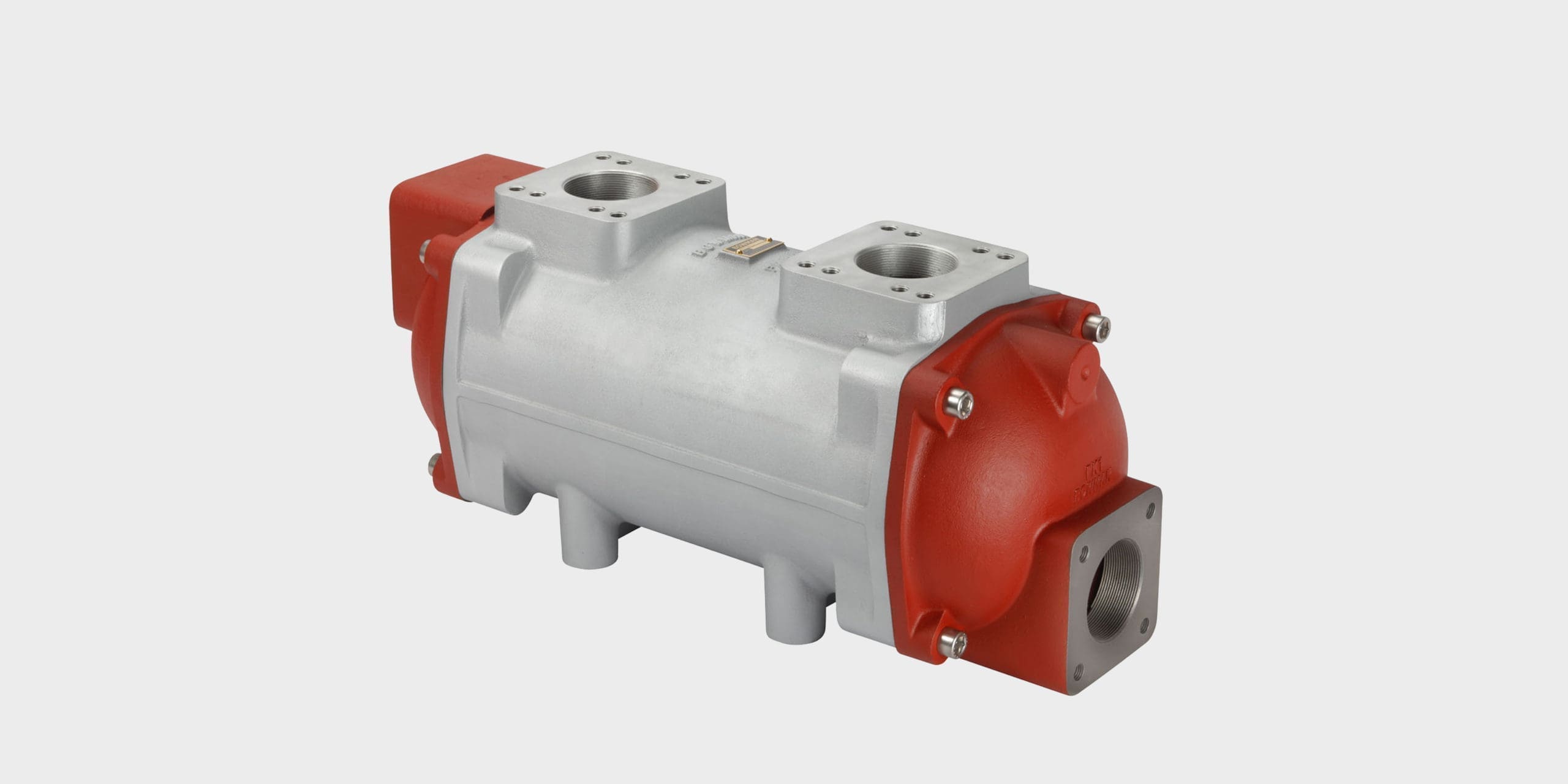
Highly efficient heat transfer solutions for cooling a variety of applications where air and fluids need to be cooled by fluids.
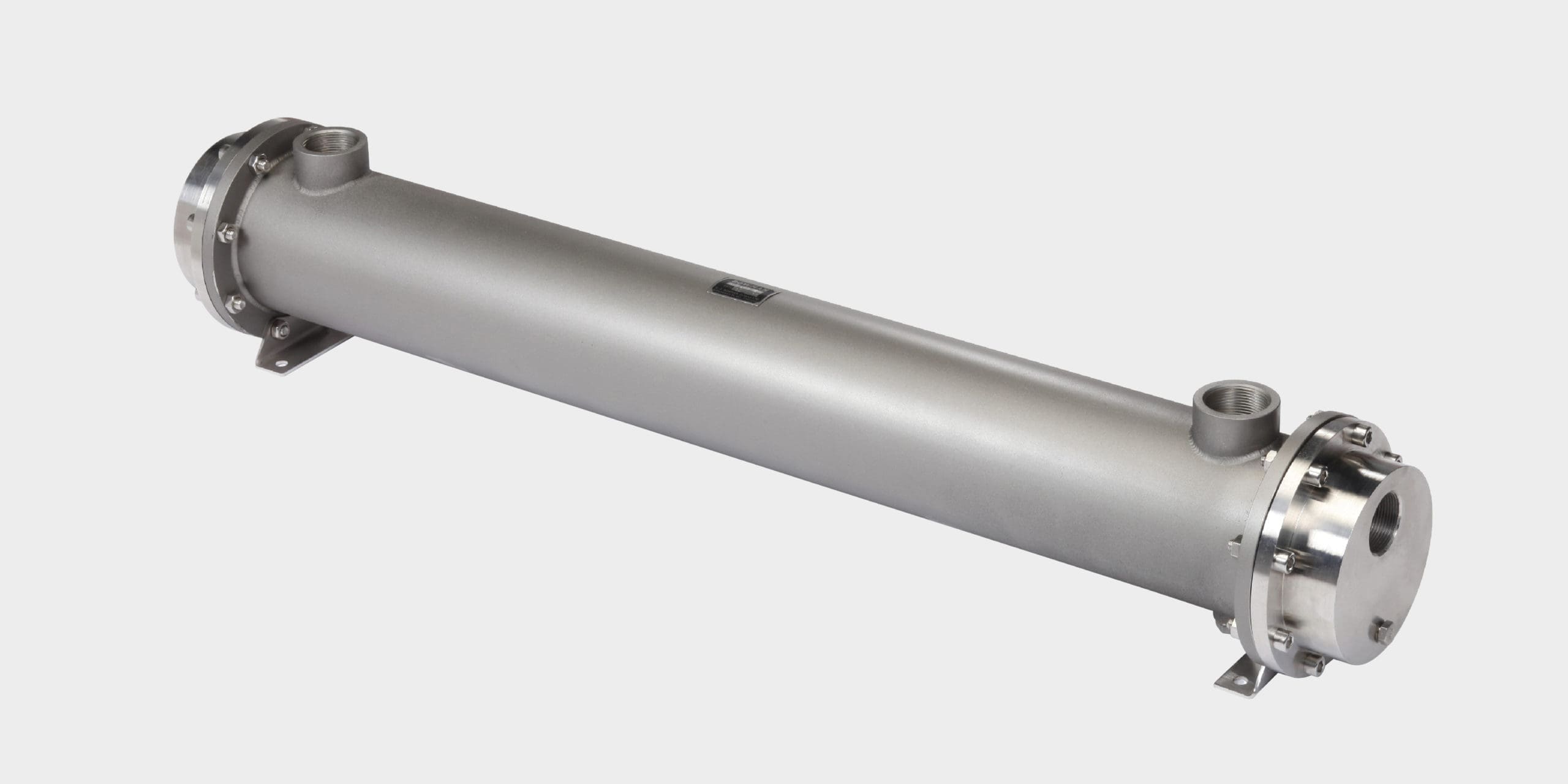
Many applications require stainless steel shell and tube heat exchangers and Bowman provide a standard range of units that are suitable for cooling or heating a variety of fluids.
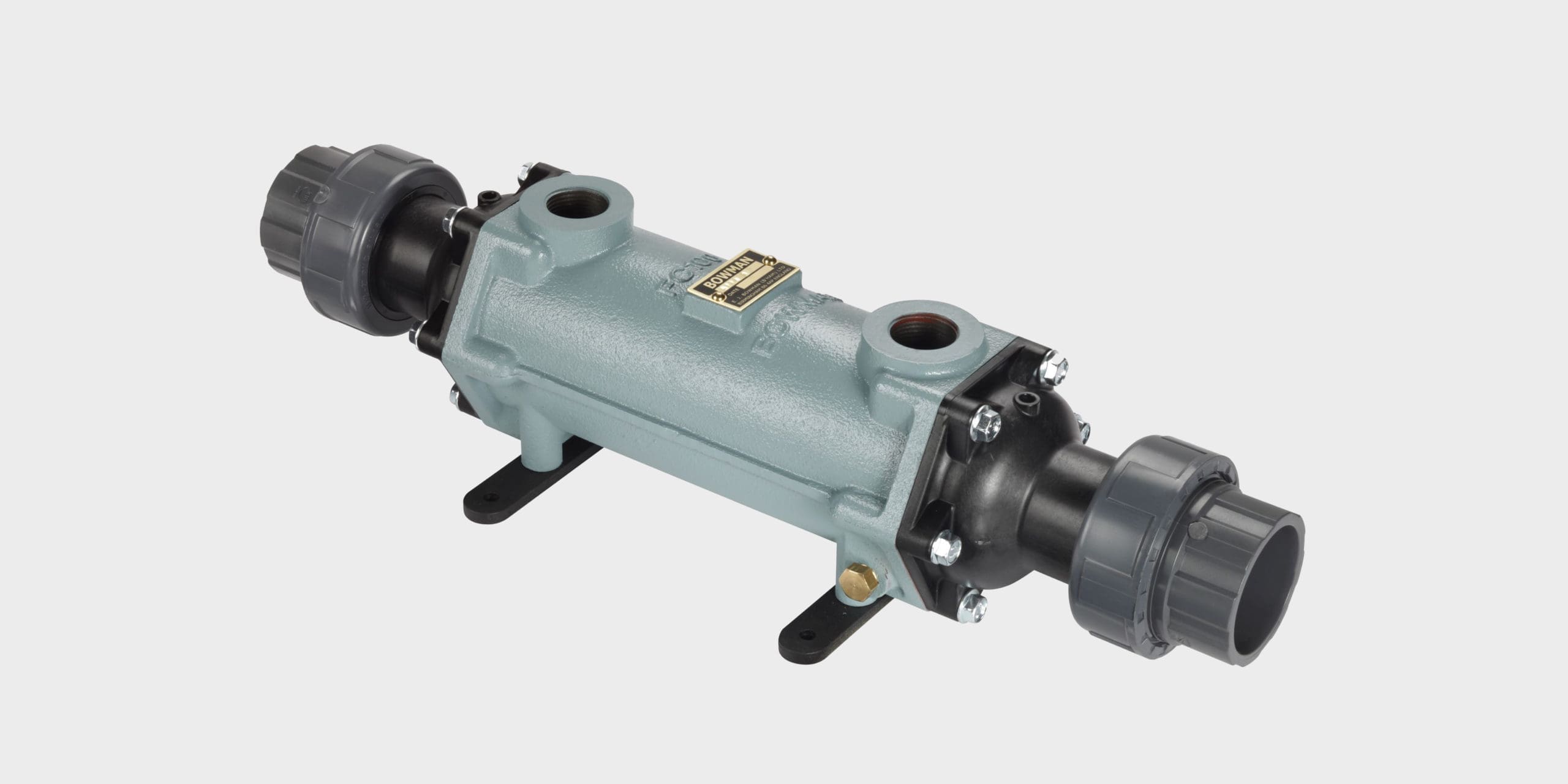
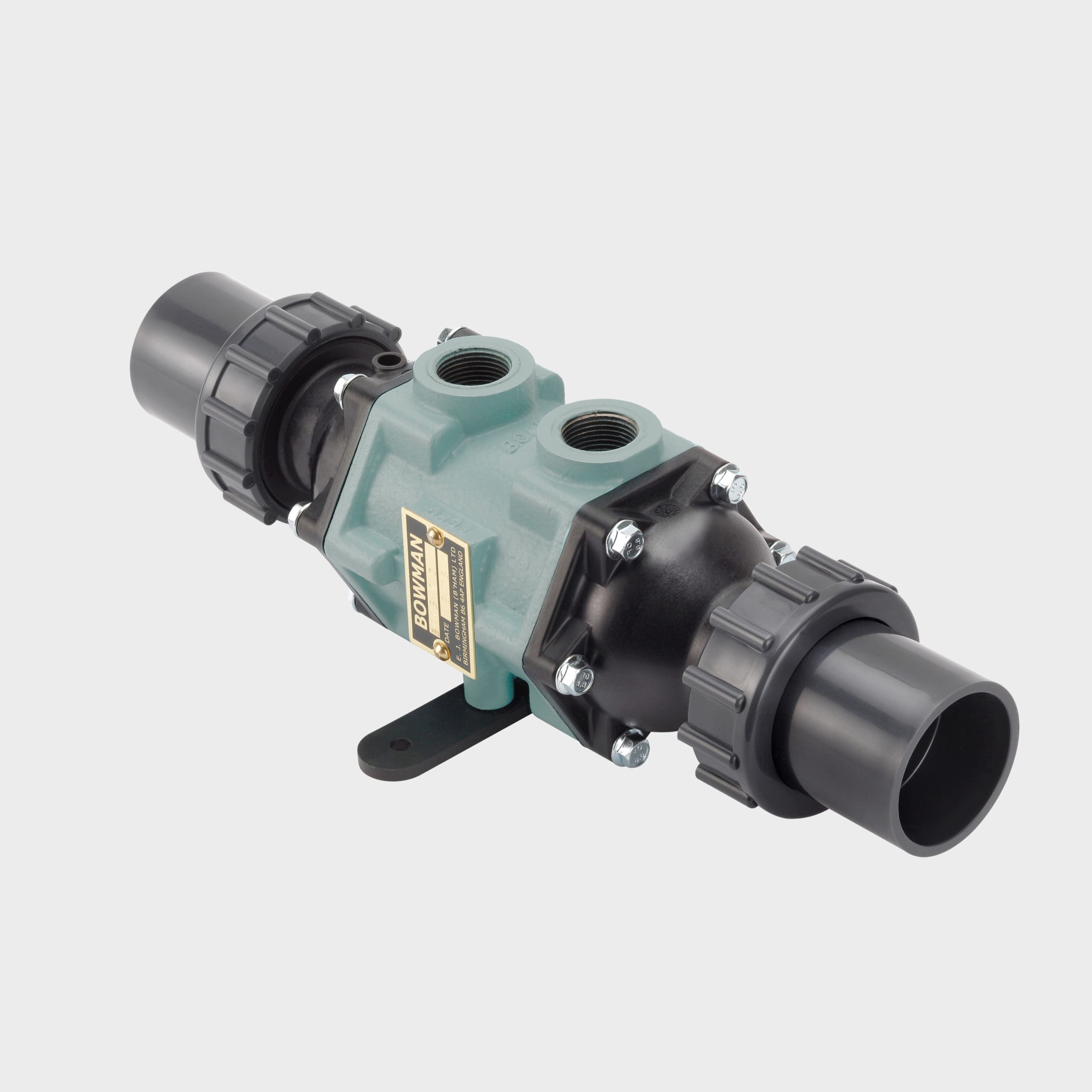
Bowman swimming pool heat exchangers are renowned for reliability and efficiency. Whether heating your pool with a traditional boiler or a renewable energy source, Bowman is the obvious choice.
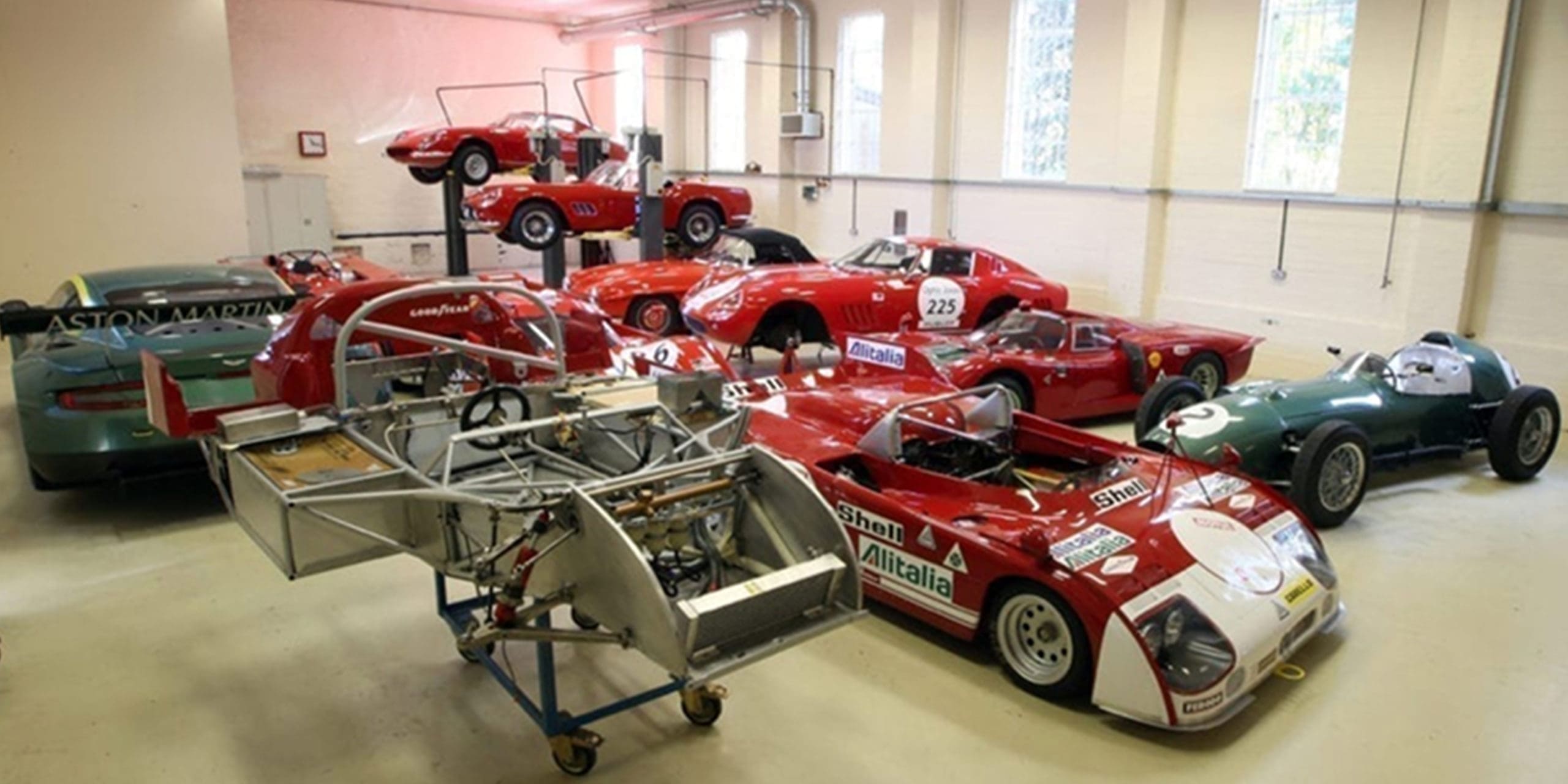
Premium quality heat exchangers and oil coolers for precise temperature control of engines under test cell development conditions.

Recovering waste heat energy from engine powered generating sets for biogas, diesel and natural gas applications up to 1 MW.
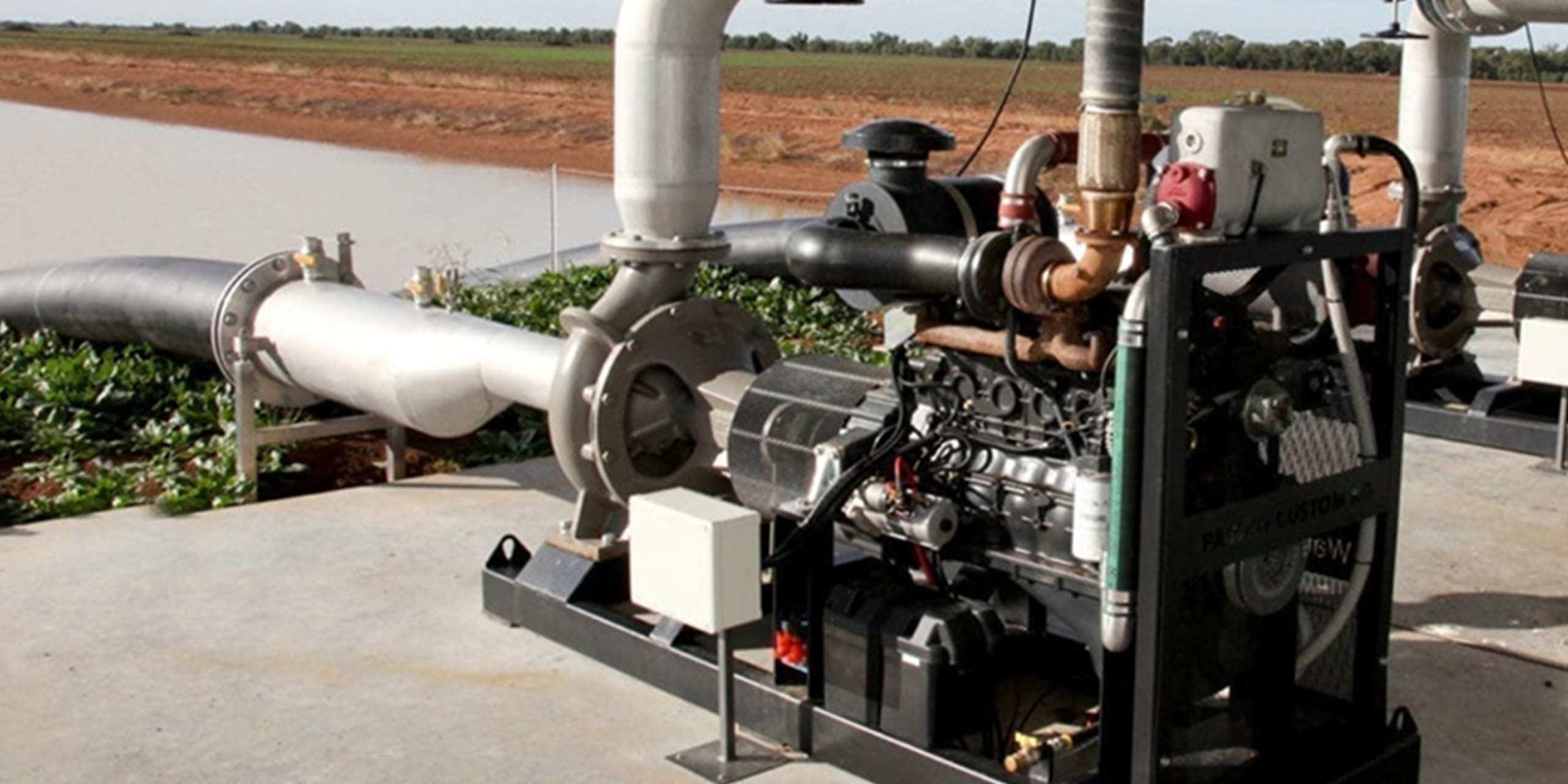
Efficient cooling for stationary / land-based engines where air cooling is either unavailable or inappropriate.
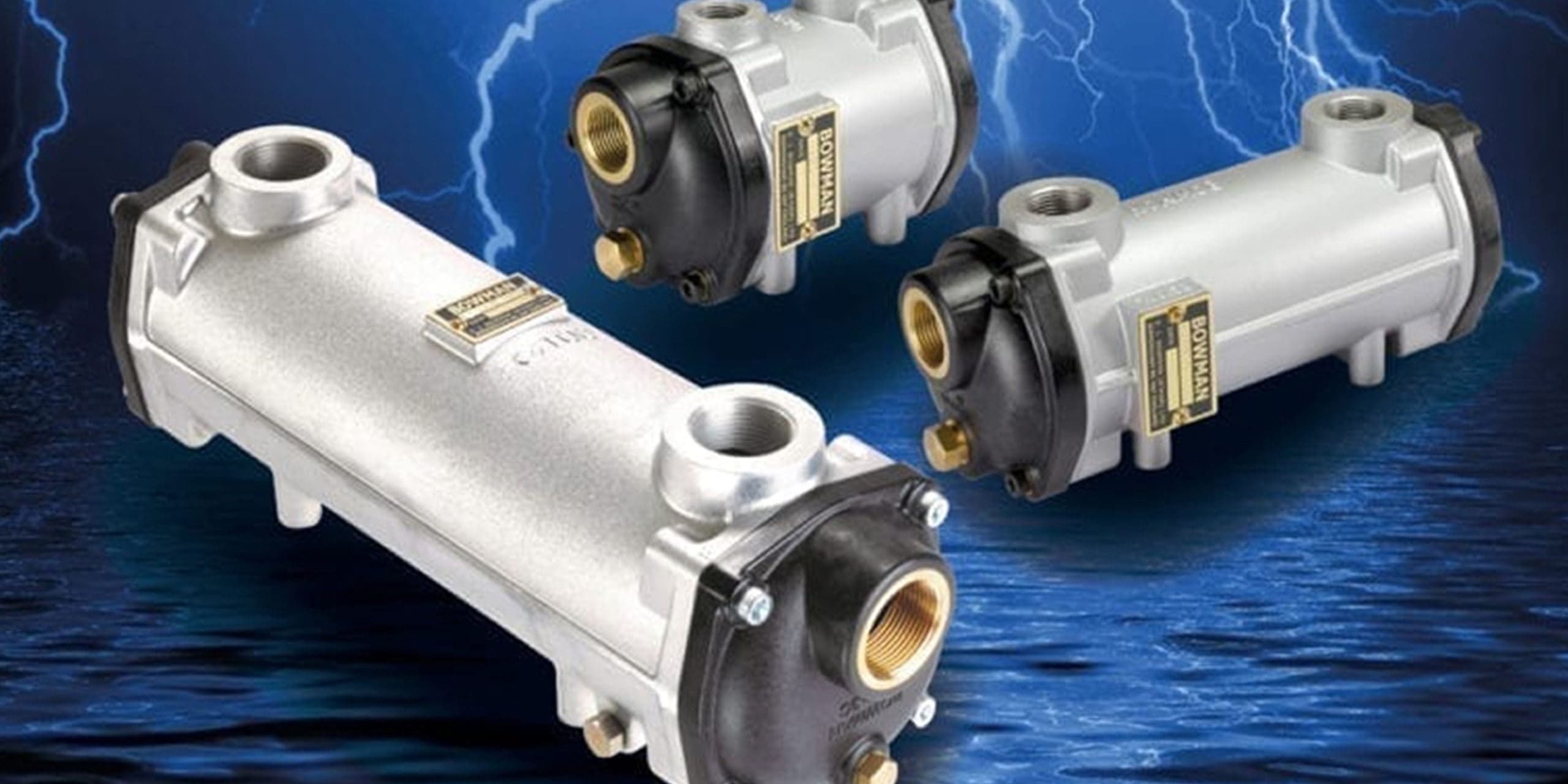
The reliable solution for cooling Electric & Hybrid Marine Propulsion Systems.
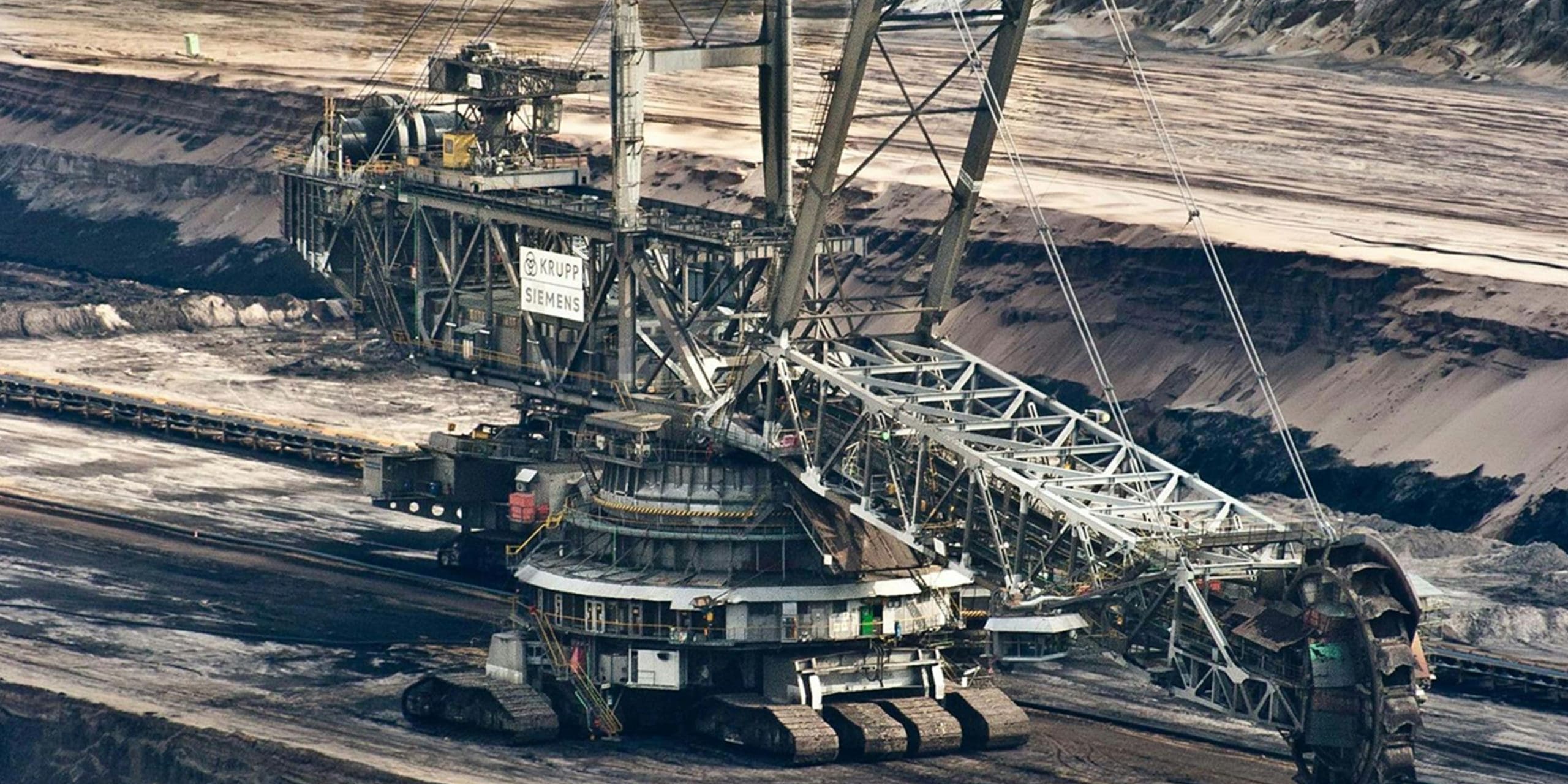
A comprehensive oil cooling solution for industrial hydraulic control systems, plus high temperature and mining applications.
A complete solution for cooling complex on-board hydraulic equipment, including thruster and stabiliser systems.
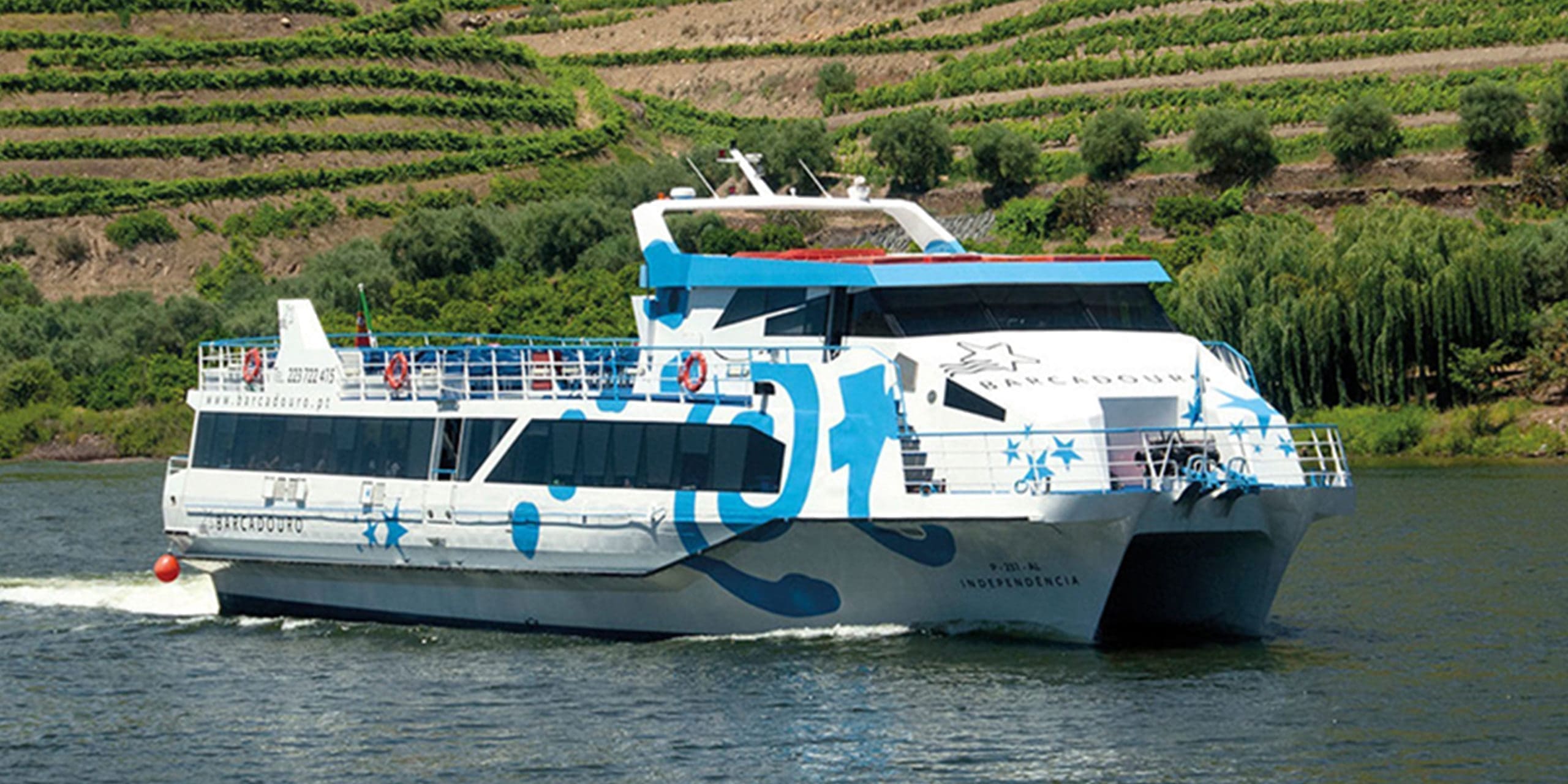
The complete cooling solution for marine engine propulsion, including the latest electric and hybrid systems.
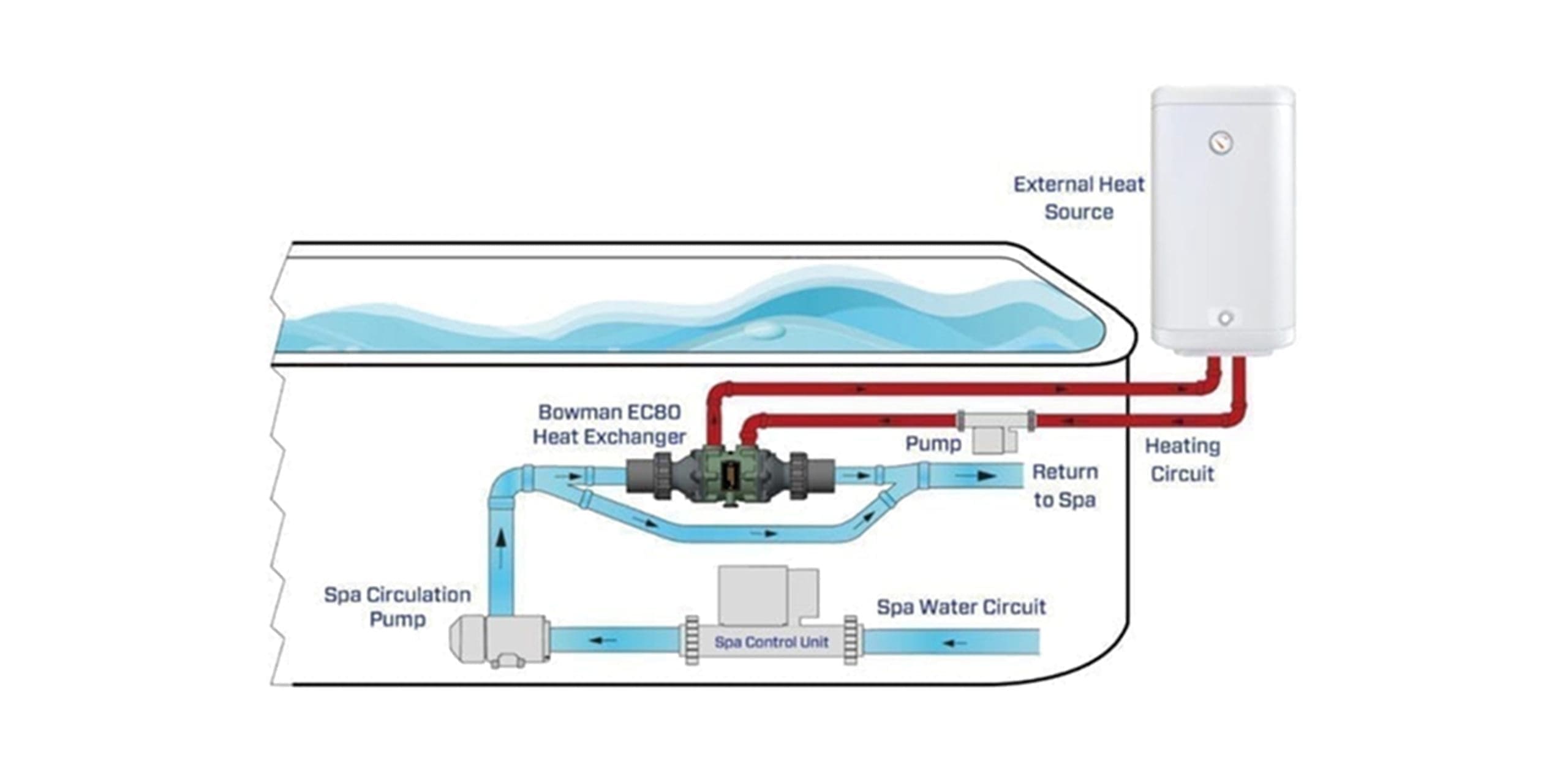
An energy efficient solution for heating hot tubs and swim spas faster, significantly reducing heat-up time for guest change-over periods.

Quality heat exchangers for efficient swimming pool heating, using boiler or renewable energy heat sources.
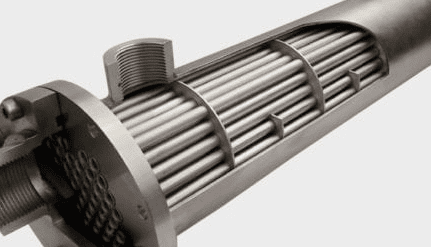
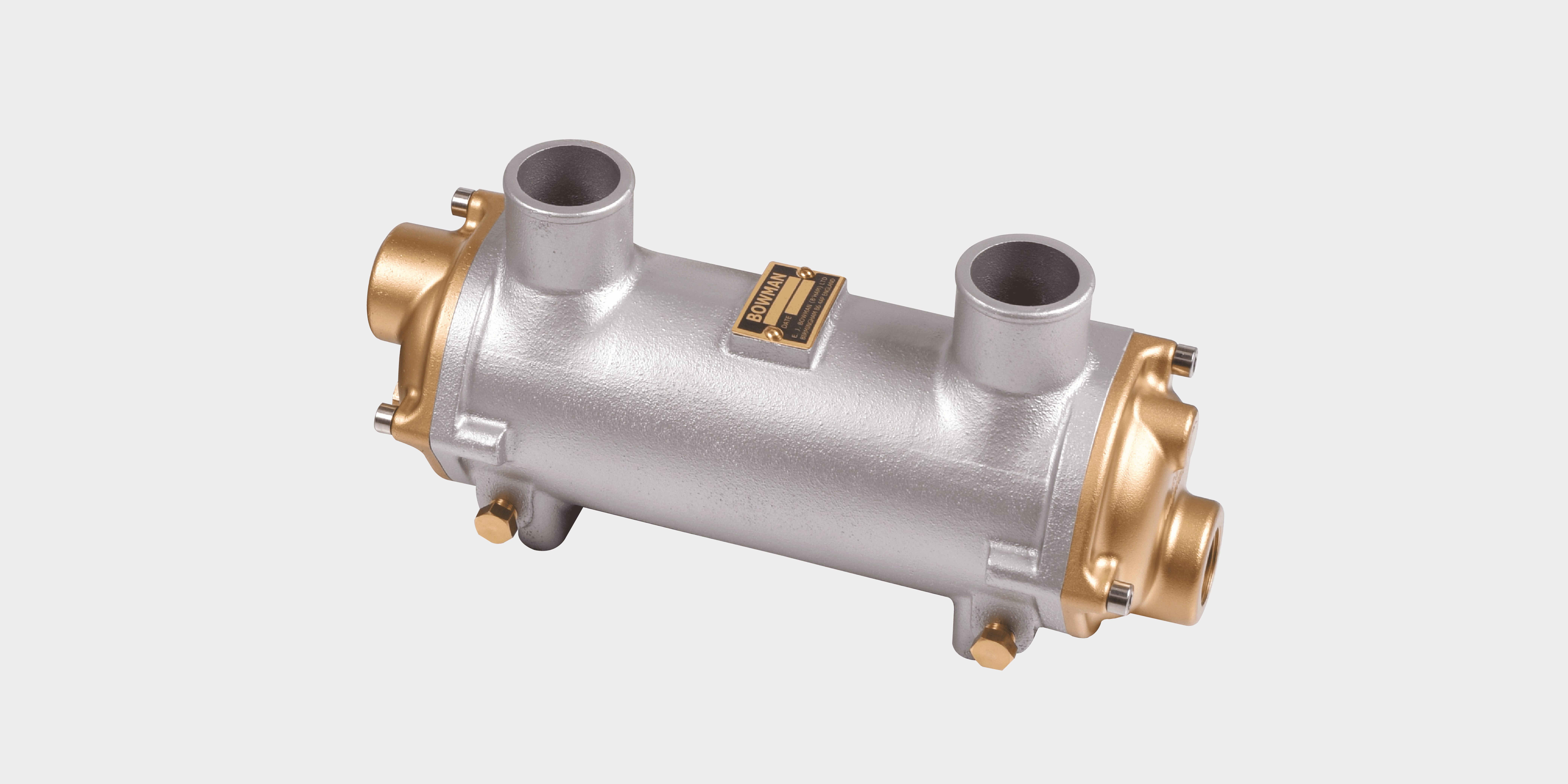
Bowman stainless steel heat exchangers feature a tube stack that is fixed within the outer body of the unit together with a unique arrangement of specially designed baffles, which provide efficient cooling performance.
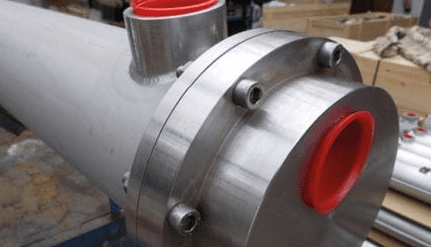
316 stainless steel is used throughout in the construction of these heat exchangers, with 9.5 mm tube used for the tube stack to provide maximum thermal efficiency.
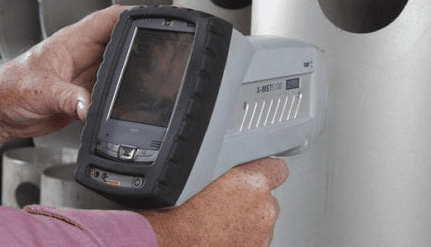
Bowman heat exchangers are respected for their high quality and long operational durability and have been proven in a wide range of challenging applications.
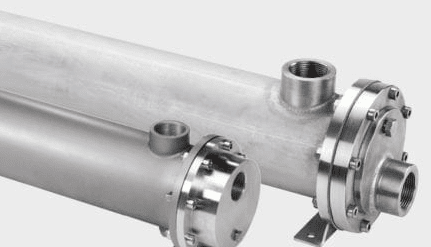
The stainless steel product range comprises 21 standard product sizes, with a choice of heat loads from 9 kW to in excess of 800 kW and water flows from 120 l/min to more than 1000 l/min.

Produced in our own UK based manufacturing centre, we hold extensive stocks of the most popular models enabling us to react quickly to customer requirements for shipment worldwide.
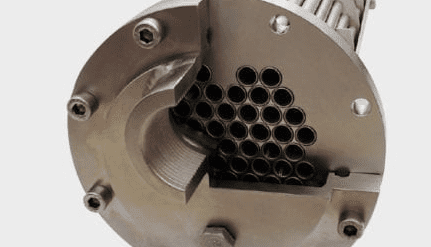
As the tube stack is fixed, all cleaning and maintenance requirements can be carried out without the need to drain the primary circuit, saving time and eliminating the hazards of spillage.
The following information offers a general guide to the performance and dimensions of the standard product range of our stainless steel heat exchangers. For more detailed information on additional configurations please download the brochure. Computer aided selection software can be used to accurately select the correct heat exchanger specifically for your application.
Please contact us or your nearest stockist with the following information to receive a specific product selection:
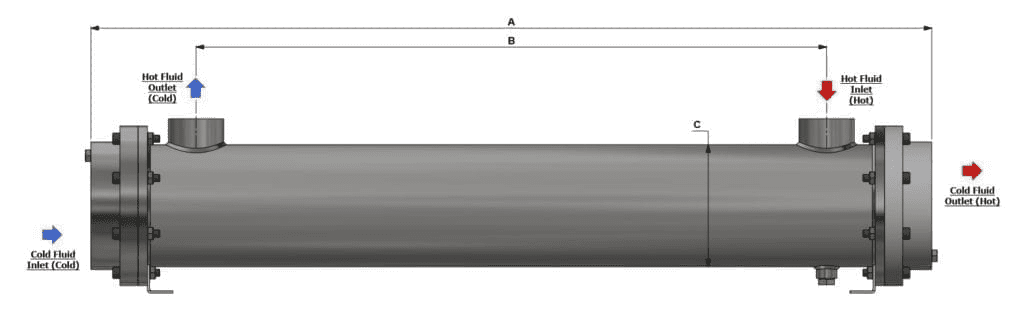
The image above is representative of Stainless Steel Heat Exchanger models.
The figures given in the table are based on cooling oil down to a temperature of 50 °C with water entering the heat exchanger at 25 °C and the dimensions refer to standard units fitted with three-pass end covers – for alternative configurations or to understand the performance of the units with water and other fluids please download the brochure or contact us for further information.
| Model | Heat Dissipated (kW) | Oil Flow (l/min) | Water Flow (l/min) | Dim. A (mm) | Dim. B (mm) | Dim. C (mm) | Weight (kg) |
|---|---|---|---|---|---|---|---|
| SB4507-2 | 9 | 120 | 120 | 460 | 266 | 89 | 11 |
| SB4507-4 | 15 | 110 | 85 | 734 | 540 | 89 | 15 |
| SB4507-6 | 22 | 90 | 75 | 1114 | 920 | 89 | 20 |
| SC4508-4 | 22 | 180 | 140 | 764 | 520 | 114 | 21 |
| SC4508-6 | 35 | 170 | 140 | 1144 | 900 | 114 | 27 |
| SC4508-8 | 48 | 150 | 120 | 1652 | 1408 | 114 | 38 |
| SD4509-4 | 52 | 240 | 320 | 764 | 510 | 141 | 30 |
| SD4509-6 | 82 | 210 | 250 | 1134 | 890 | 141 | 45 |
| SD4509-8 | 133 | 180 | 220 | 1652 | 1398 | 141 | 62 |
| SE4510-4 | 66 | 480 | 460 | 784 | 490 | 168 | 44 |
| SE4510-6 | 100 | 390 | 360 | 1164 | 870 | 168 | 60 |
| SE4510-8 | 144 | 330 | 310 | 1672 | 1378 | 168 | 78 |
| SE4510-9 | 196 | 300 | 280 | 2180 | 1886 | 168 | 104 |
| SF4511-4 | 140 | 580 | 740 | 834 | 470 | 219 | 79 |
| SF4511-6 | 224 | 550 | 650 | 1214 | 850 | 219 | 101 |
| SF4511-8 | 354 | 500 | 520 | 1722 | 1358 | 219 | 133 |
| SF4511-9 | 536 | 460 | 480 | 2230 | 1866 | 219 | 164 |
| SG4512-4 | 223 | 960 | 1100 | 844 | 430 | 273 | 114 |
| SG4512-6 | 358 | 920 | 1000 | 1224 | 810 | 273 | 148 |
| SG4512-8 | 624 | 740 | 900 | 1732 | 1318 | 273 | 198 |
| SG4512-9 | 871 | 750 | 790 | 2240 | 1826 | 273 | 244 |
| Model: SB4507-2 | Heat Dissipated (kW) 9 | Oil Flow (l/min) 120 | Water Flow (l/min) 120 | Dim. A (mm) 460 | Dim. B (mm) 266 | Dim. C (mm) 89 | Weight (kg) 11 |
| Model: SB4507-4 | Heat Dissipated (kW) 15 | Oil Flow (l/min) 110 | Water Flow (l/min) 85 | Dim. A (mm) 734 | Dim. B (mm) 540 | Dim. C (mm) 89 | Weight (kg) 15 |
| Model: SB4507-6 | Heat Dissipated (kW) 22 | Oil Flow (l/min) 90 | Water Flow (l/min) 75 | Dim. A (mm) 1114 | Dim. B (mm) 920 | Dim. C (mm) 89 | Weight (kg) 20 |
| Model: SC4508-4 | Heat Dissipated (kW) 22 | Oil Flow (l/min) 180 | Water Flow (l/min) 140 | Dim. A (mm) 764 | Dim. B (mm) 520 | Dim. C (mm) 114 | Weight (kg) 21 |
| Model: SC4508-6 | Heat Dissipated (kW) 35 | Oil Flow (l/min) 170 | Water Flow (l/min) 140 | Dim. A (mm) 1144 | Dim. B (mm) 900 | Dim. C (mm) 114 | Weight (kg) 27 |
| Model: SC4508-8 | Heat Dissipated (kW) 48 | Oil Flow (l/min) 150 | Water Flow (l/min) 120 | Dim. A (mm) 1652 | Dim. B (mm) 1408 | Dim. C (mm) 114 | Weight (kg) 38 |
| Model: SD4509-4 | Heat Dissipated (kW) 52 | Oil Flow (l/min) 240 | Water Flow (l/min) 320 | Dim. A (mm) 764 | Dim. B (mm) 510 | Dim. C (mm) 141 | Weight (kg) 30 |
| Model: SD4509-6 | Heat Dissipated (kW) 82 | Oil Flow (l/min) 210 | Water Flow (l/min) 250 | Dim. A (mm) 1134 | Dim. B (mm) 890 | Dim. C (mm) 141 | Weight (kg) 45 |
| Model: SD4509-8 | Heat Dissipated (kW) 133 | Oil Flow (l/min) 180 | Water Flow (l/min) 220 | Dim. A (mm) 1652 | Dim. B (mm) 1398 | Dim. C (mm) 141 | Weight (kg) 62 |
| Model: SE4510-4 | Heat Dissipated (kW) 66 | Oil Flow (l/min) 480 | Water Flow (l/min) 460 | Dim. A (mm) 784 | Dim. B (mm) 490 | Dim. C (mm) 168 | Weight (kg) 44 |
| Model: SE4510-6 | Heat Dissipated (kW) 100 | Oil Flow (l/min) 390 | Water Flow (l/min) 360 | Dim. A (mm) 1164 | Dim. B (mm) 870 | Dim. C (mm) 168 | Weight (kg) 60 |
| Model: SE4510-8 | Heat Dissipated (kW) 144 | Oil Flow (l/min) 330 | Water Flow (l/min) 310 | Dim. A (mm) 1672 | Dim. B (mm) 1378 | Dim. C (mm) 168 | Weight (kg) 78 |
| Model: SE4510-9 | Heat Dissipated (kW) 196 | Oil Flow (l/min) 300 | Water Flow (l/min) 280 | Dim. A (mm) 2180 | Dim. B (mm) 1886 | Dim. C (mm) 168 | Weight (kg) 104 |
| Model: SF4511-4 | Heat Dissipated (kW) 140 | Oil Flow (l/min) 580 | Water Flow (l/min) 740 | Dim. A (mm) 834 | Dim. B (mm) 470 | Dim. C (mm) 219 | Weight (kg) 79 |
| Model: SF4511-6 | Heat Dissipated (kW) 224 | Oil Flow (l/min) 550 | Water Flow (l/min) 650 | Dim. A (mm) 1214 | Dim. B (mm) 850 | Dim. C (mm) 219 | Weight (kg) 101 |
| Model: SF4511-8 | Heat Dissipated (kW) 354 | Oil Flow (l/min) 500 | Water Flow (l/min) 520 | Dim. A (mm) 1722 | Dim. B (mm) 1358 | Dim. C (mm) 219 | Weight (kg) 133 |
| Model: SF4511-9 | Heat Dissipated (kW) 536 | Oil Flow (l/min) 460 | Water Flow (l/min) 480 | Dim. A (mm) 2230 | Dim. B (mm) 1866 | Dim. C (mm) 219 | Weight (kg) 164 |
| Model: SG4512-4 | Heat Dissipated (kW) 223 | Oil Flow (l/min) 960 | Water Flow (l/min) 1100 | Dim. A (mm) 844 | Dim. B (mm) 430 | Dim. C (mm) 273 | Weight (kg) 114 |
| Model: SG4512-6 | Heat Dissipated (kW) 358 | Oil Flow (l/min) 920 | Water Flow (l/min) 1000 | Dim. A (mm) 1224 | Dim. B (mm) 810 | Dim. C (mm) 273 | Weight (kg) 148 |
| Model: SG4512-8 | Heat Dissipated (kW) 624 | Oil Flow (l/min) 740 | Water Flow (l/min) 900 | Dim. A (mm) 1732 | Dim. B (mm) 1318 | Dim. C (mm) 273 | Weight (kg) 198 |
| Model: SG4512-9 | Heat Dissipated (kW) 871 | Oil Flow (l/min) 750 | Water Flow (l/min) 790 | Dim. A (mm) 2240 | Dim. B (mm) 1826 | Dim. C (mm) 273 | Weight (kg) 244 |
Note – The maximum working pressure, both through and over the tubes of the heat exchanger is 20 bar. The maximum working temperatures are 200°C (oil) and 110°C (water).







Technical sales brochure includes product information, ratings charts, drawings and dimensions for the standard product range.
Technical sales brochure includes product information, ratings charts, drawings and dimensions for the standard product range.
Technical sales brochure includes product information, ratings charts, drawings and dimensions for the standard product range.
Technical sales brochure includes product information, ratings charts, drawings and dimensions for the standard product range.
Technical sales brochure includes product information, ratings charts, drawings and dimensions for the standard product range.
Technical sales brochure includes product information, ratings charts, drawings and dimensions for the standard product range.

Technical sales brochure includes product information, ratings charts, drawings and dimensions for the standard product range.
Technical sales brochure includes product information, ratings charts, drawings and dimensions for the standard product range.
Technical sales brochure includes product information, ratings charts, drawings and dimensions for the standard product range.
Technical sales brochure includes product information, ratings charts, drawings and dimensions for the standard product range.
Technical sales brochure includes product information, ratings charts, drawings and dimensions for the standard product range.
Technical sales brochure includes product information, ratings charts, drawings and dimensions for the standard product range.
Technical sales brochure includes product information, ratings charts, drawings and dimensions for the standard product range.
Technical sales brochure includes product information, ratings charts, drawings and dimensions for the standard product range.
Technical sales brochure includes product information, ratings charts, drawings and dimensions for the standard product range.
Technical sales brochure includes product information, ratings charts, drawings and dimensions for the standard product range.
Nirvana Spa provides a relaxed Mediterranean holiday experience, with stunning swimming, spa and wellness pools heated by Bowman Heat Exchangers.

Six Bowman heat exchangers have been installed at the recently opened Gold’s Gym, Amman, Jordan, to heat two half Olympic-sized swimming pools.

How Bowman heat exchangers are helping this internationally renowned golf destination reduce energy costs and CO₂ emissions.

Bowman heat exchangers are playing an important role in the success of a flagship hotel on the Black Sea coast in Georgia.
Nirvana Spa provides a relaxed Mediterranean holiday experience, with stunning swimming, spa and wellness pools heated by Bowman Heat Exchangers.
Six Bowman heat exchangers have been installed at the recently opened Gold’s Gym, Amman, Jordan, to heat two half Olympic-sized swimming pools.
How Bowman heat exchangers are helping this internationally renowned golf destination reduce energy costs and CO₂ emissions.
Bowman heat exchangers are playing an important role in the success of a flagship hotel on the Black Sea coast in Georgia.
You cannot copy content of this page