
Rooftop swimming pool heating in Perth, WA
Bowman and Rinnai provide the perfect heating solution for an Australian roof top pool – where winter temperatures can be surprisingly cool!

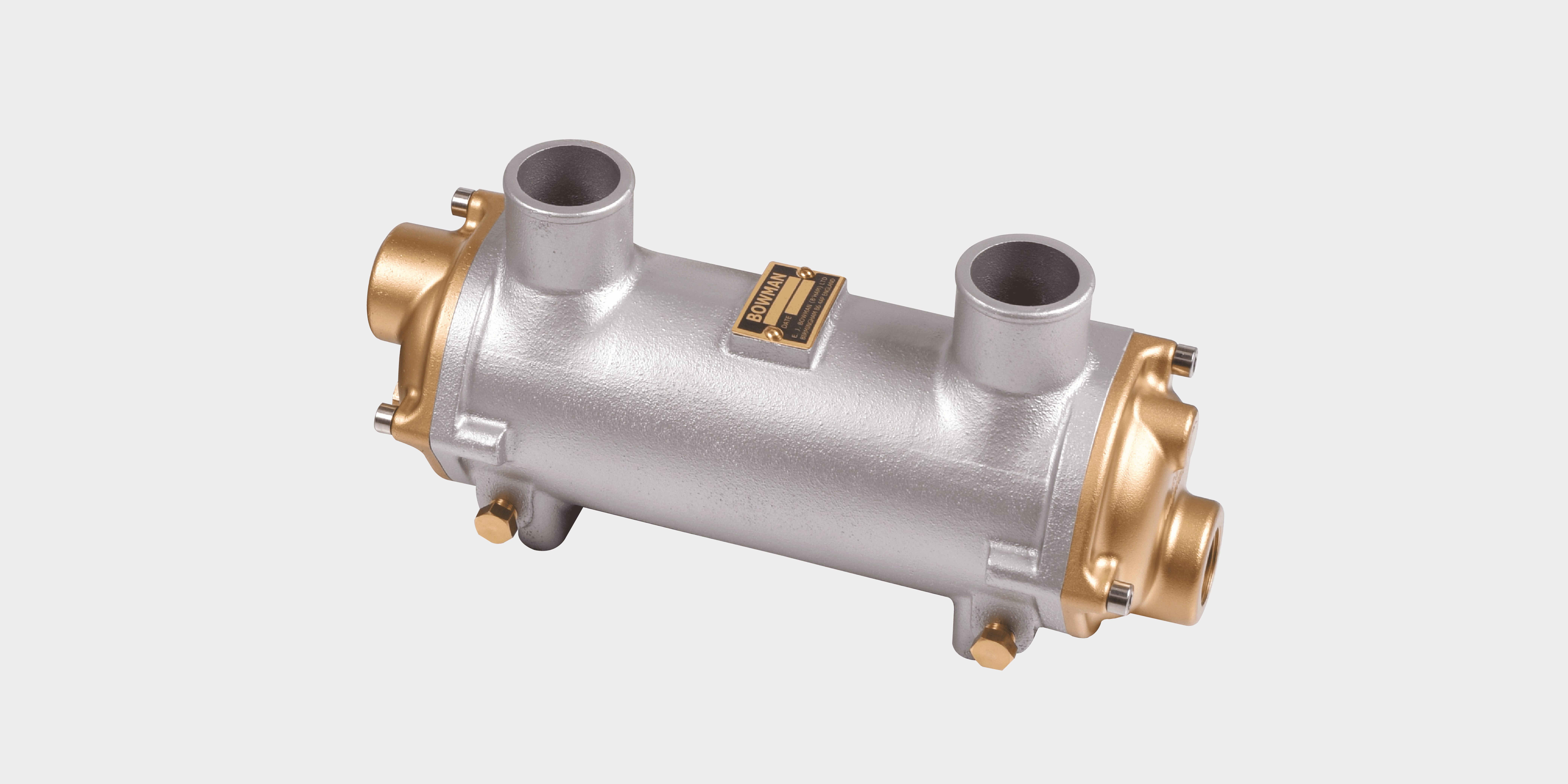
Used to cool the hot, compressed air from the turbo before it reaches the engine, the intercoolers improve engine efficiency and reduce emissions for marine and land-based stationary engines.
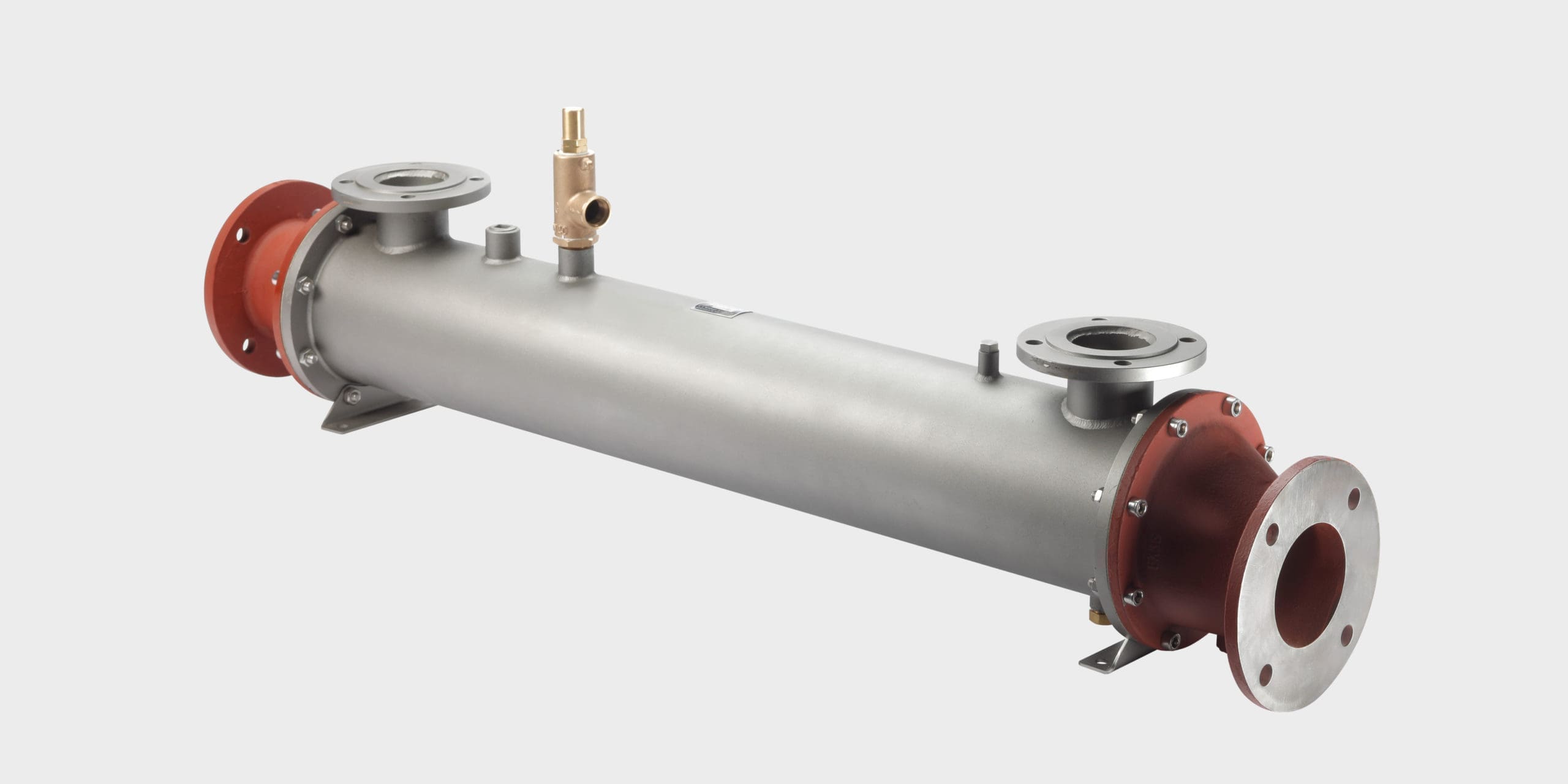
Exhaust gas heat exchangers are designed to recover waste heat energy from the exhaust stream of reciprocating engine powered generating sets.
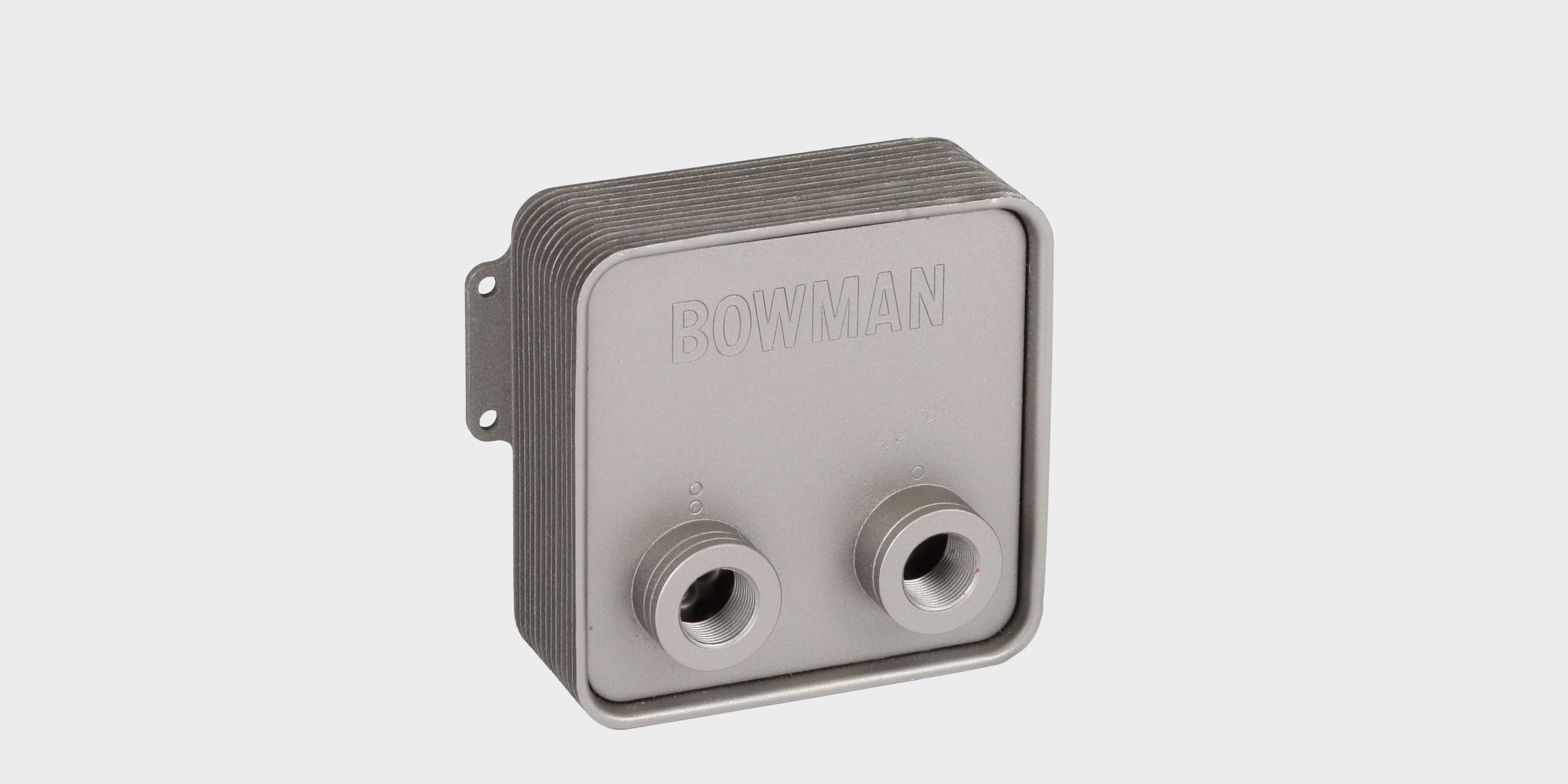
Bowman 'copper free' fuel coolers are compact, highly efficient heat exchangers suitable for fuel conditioning rigs in the automotive testing industry.
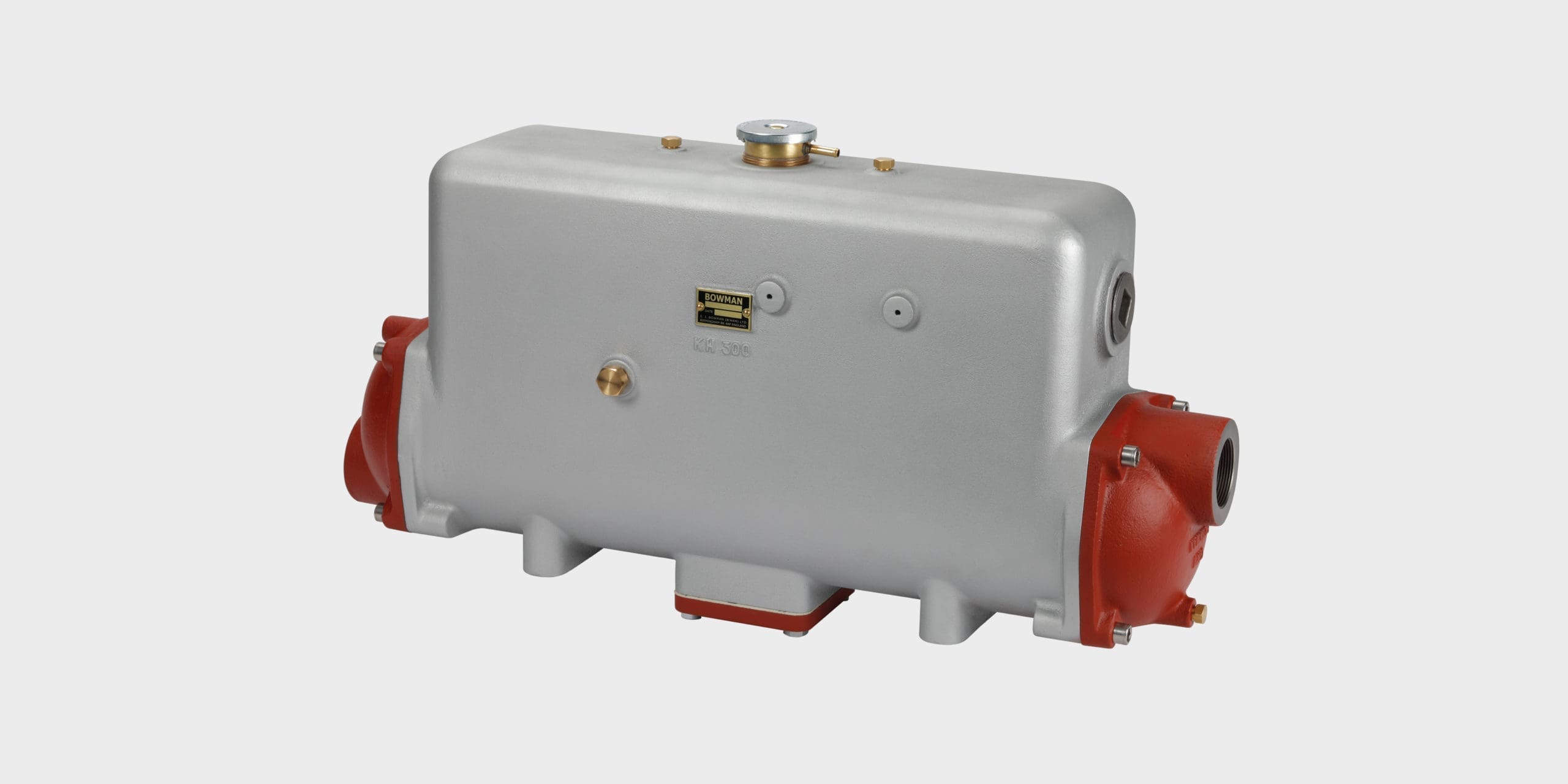
Engine coolant header tank heat exchangers for marine propulsion, gensets or stationary land-based engines.
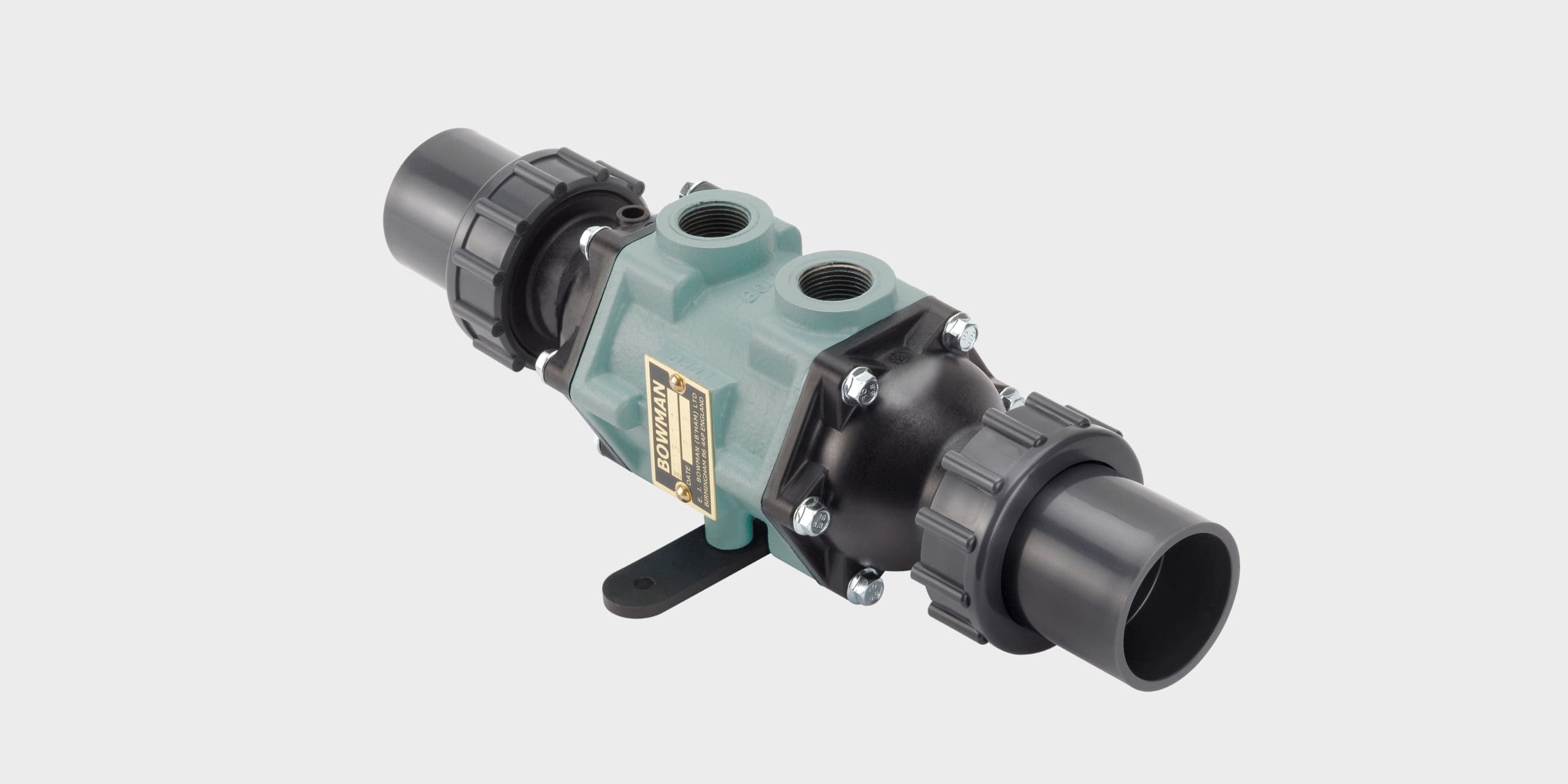
Bowman EC 80-5113-1T heat exchangers provide a new solution for heating spas and hot tubs in just a fraction of the time taken by traditional electric heaters.
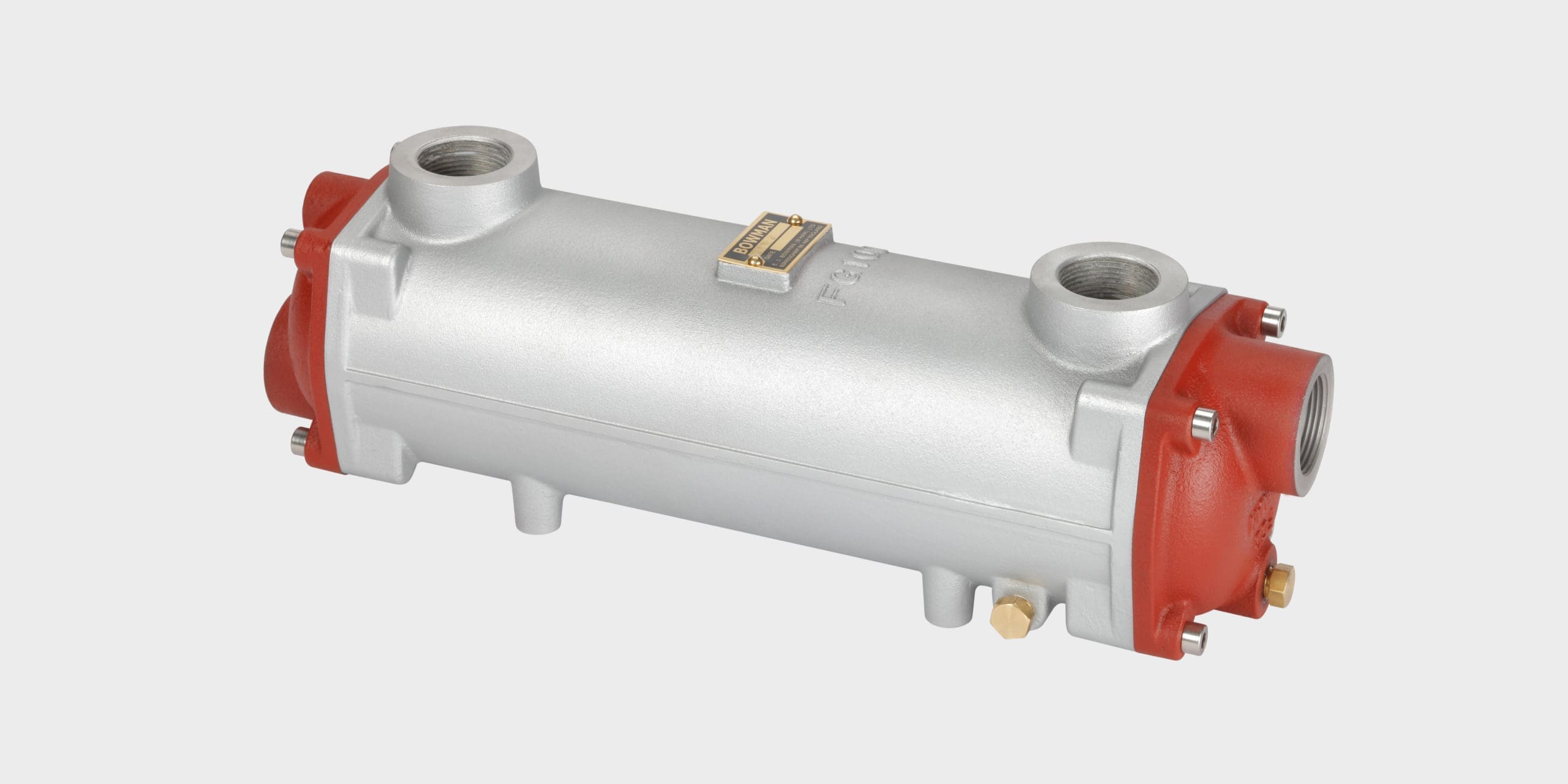
Highly efficient heat transfer solutions for cooling marine, land-based and underground hydraulic systems.
Bowman inline plate heat exchangers are a compact, economical solution for high efficiency heat transfer.
Bespoke cooling solutions for a range of popular marine engines from major OEMs, including coolant heat exchangers, charge air coolers, plus combined heat exchangers and exhaust manifolds, suitable for cooling marine engines up to 1 MW.
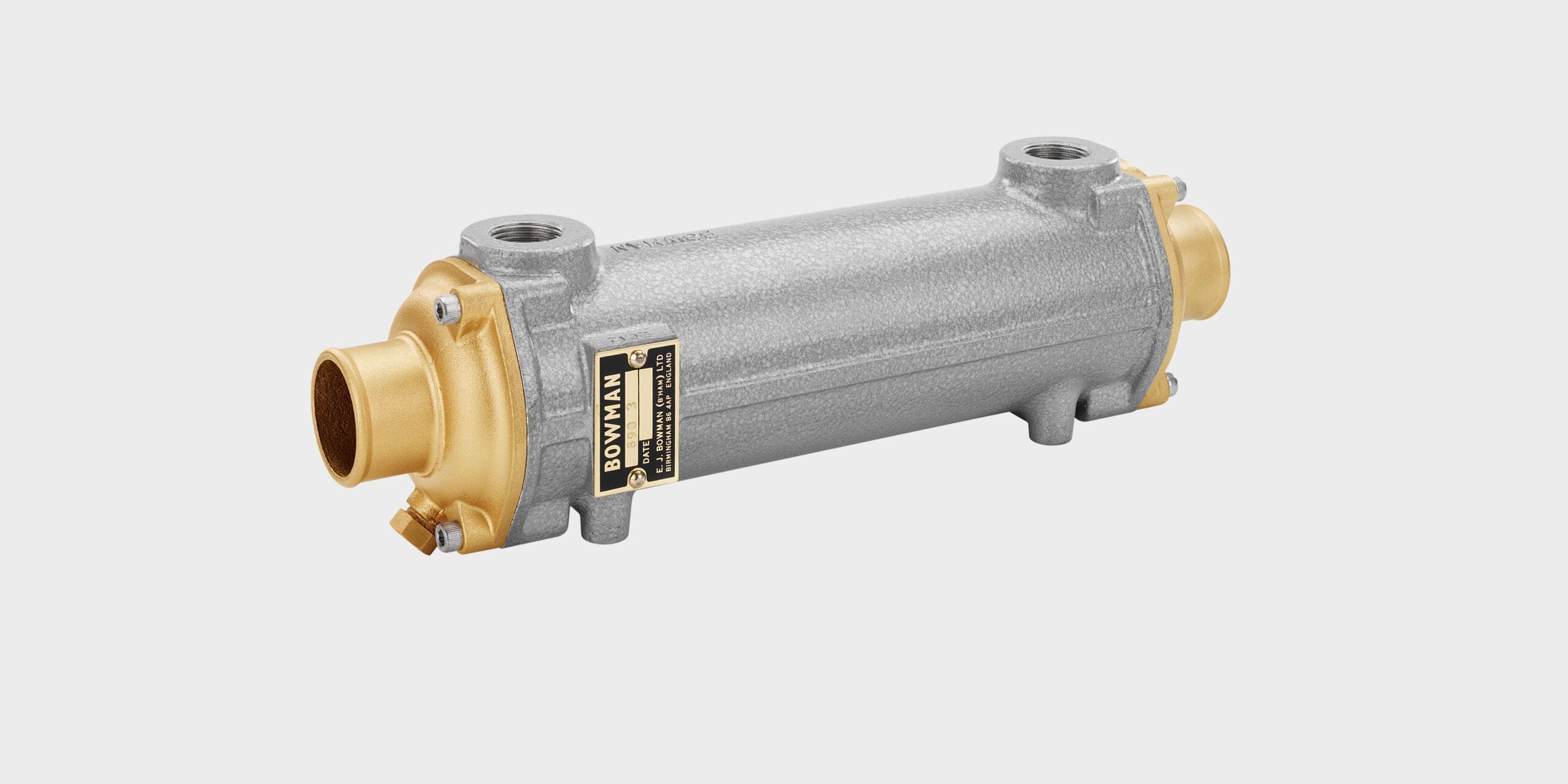
Bowman has a range of highly efficient oil coolers designed for marine and industrial engines and transmissions.
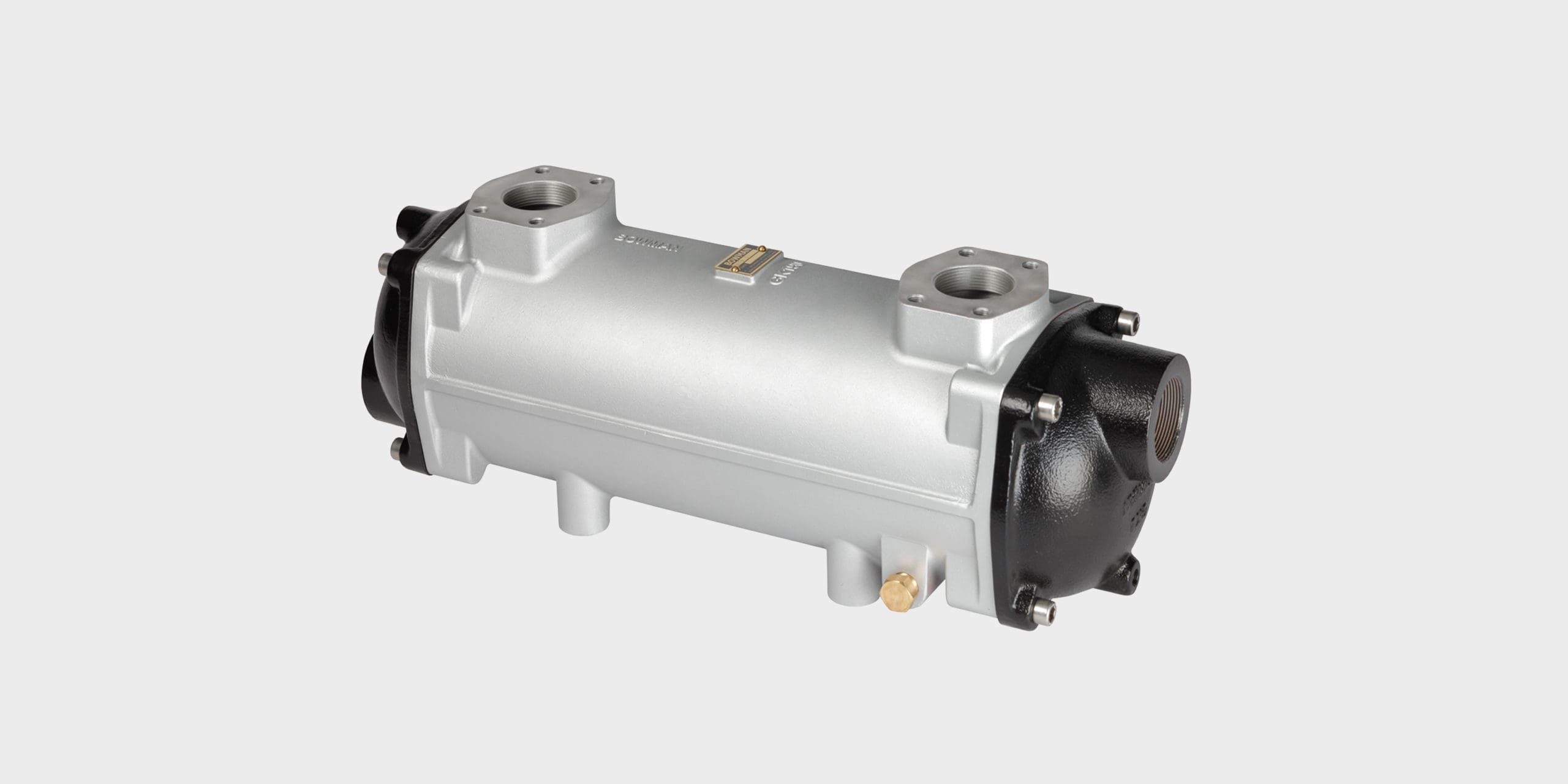
Efficient heat exchangers for cooling electric marine motors, hydrogen fuel cells, battery packs, chargers, AC-DC converters, DC-DC converters, inverters and associated equipment for electric and hybrid marine propulsion and charging systems.
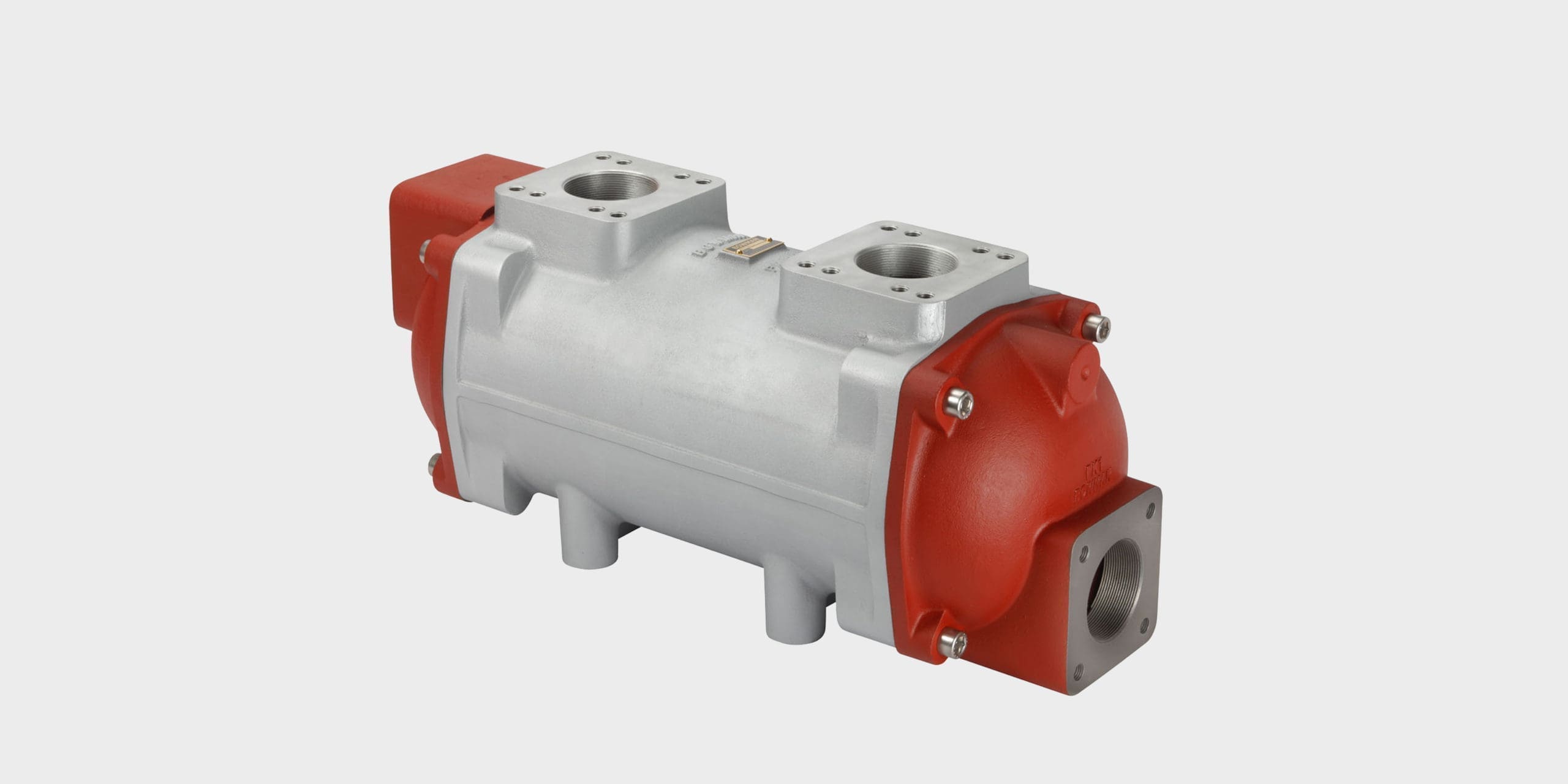
Highly efficient heat transfer solutions for cooling a variety of applications where air and fluids need to be cooled by fluids.
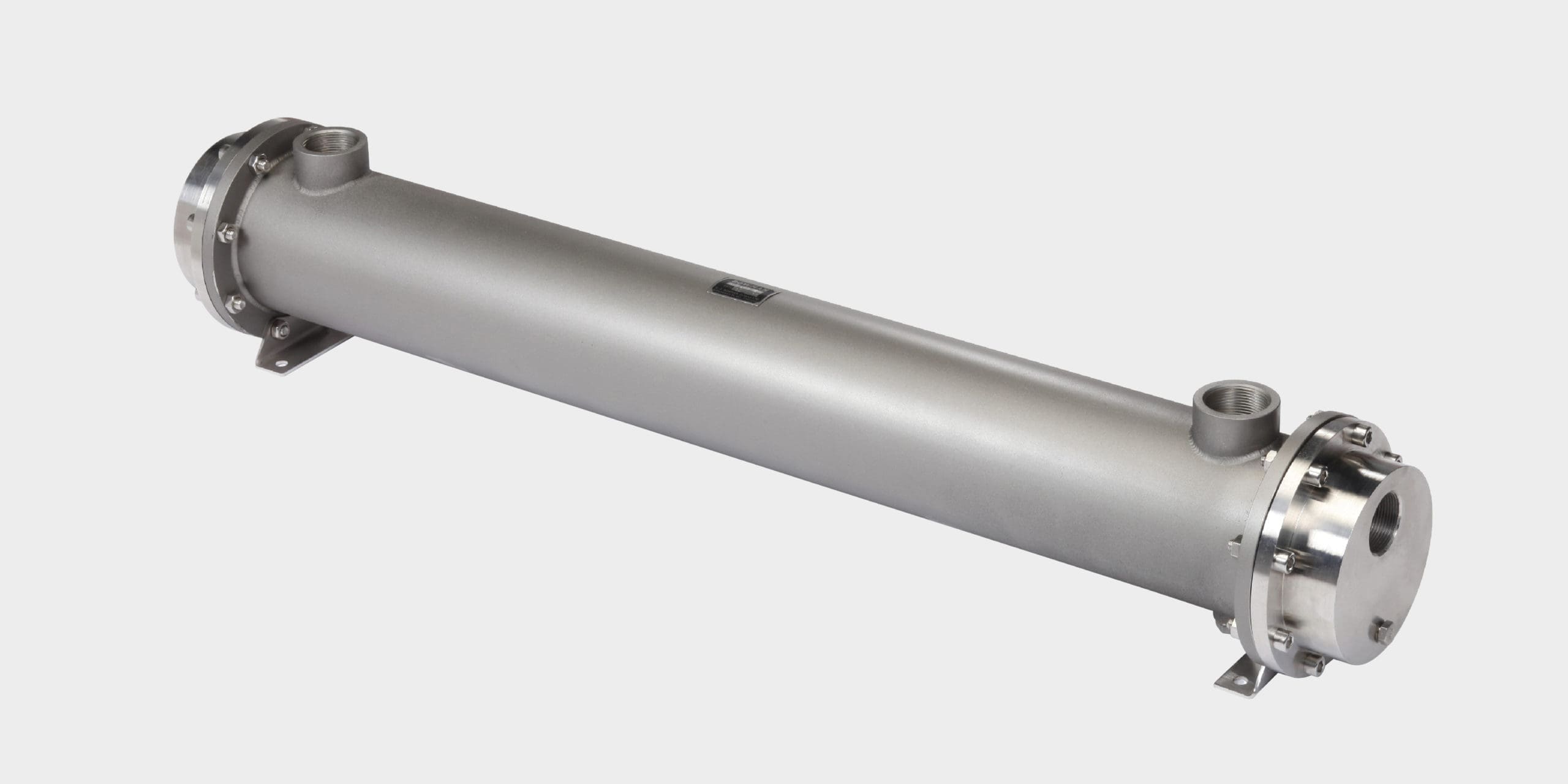
Many applications require stainless steel shell and tube heat exchangers and Bowman provide a standard range of units that are suitable for cooling or heating a variety of fluids.
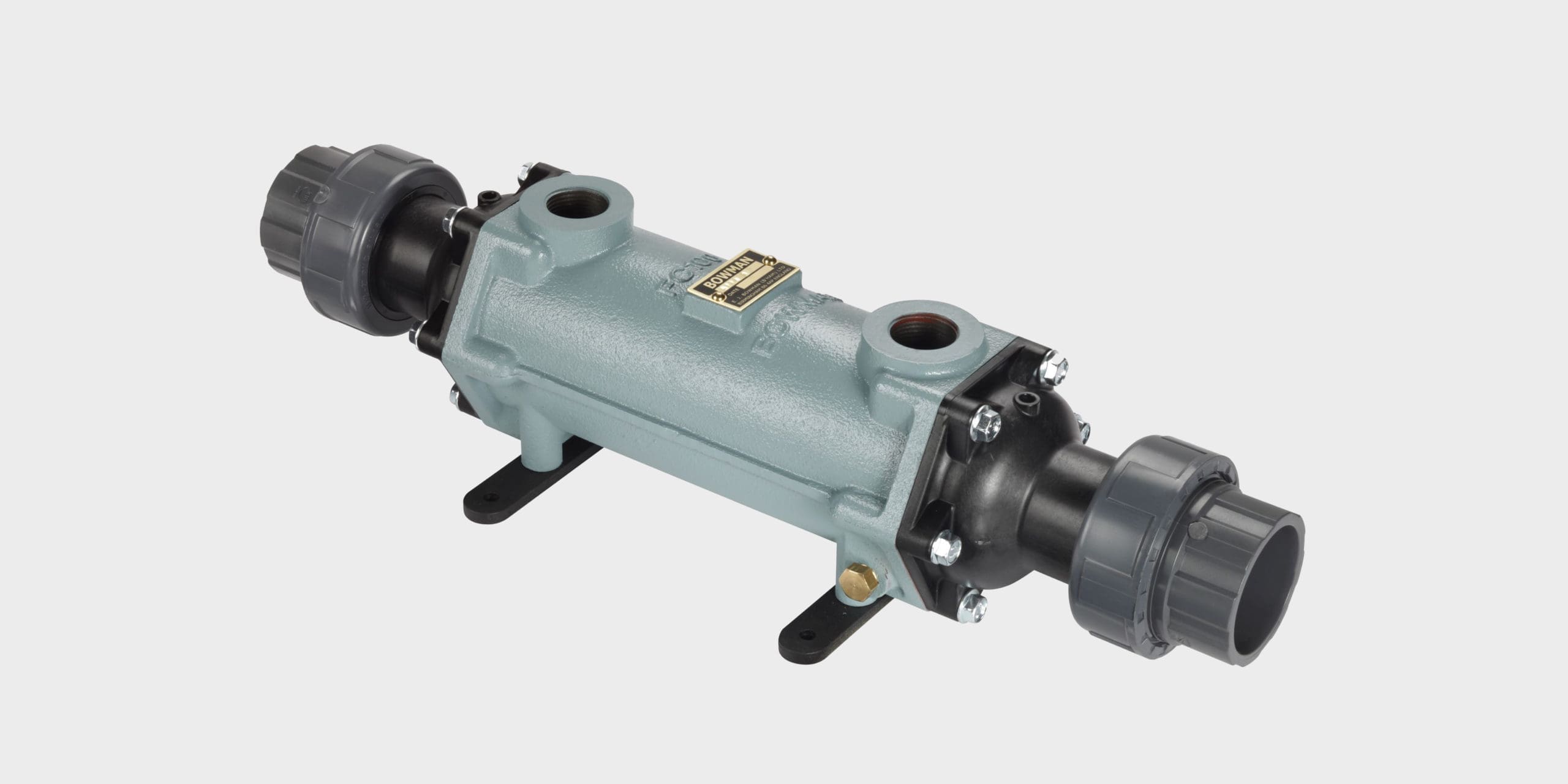
Bowman swimming pool heat exchangers are renowned for reliability and efficiency. Whether heating your pool with a traditional boiler or a renewable energy source, Bowman is the obvious choice.

Premium quality heat exchangers and oil coolers for precise temperature control of engines under test cell development conditions.

Recovering waste heat energy from engine powered generating sets for biogas, diesel and natural gas applications up to 1 MW.
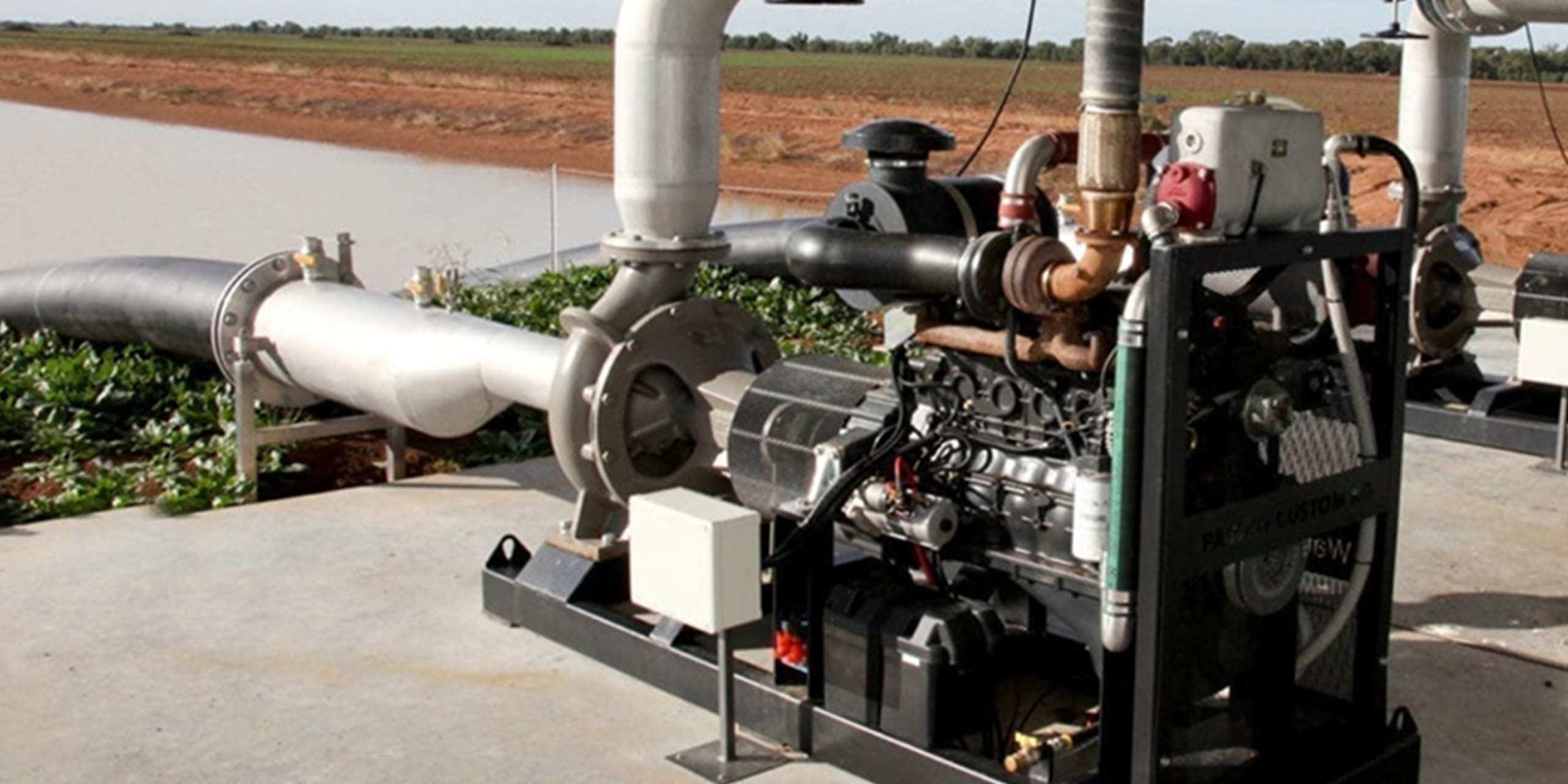
Efficient cooling for stationary / land-based engines where air cooling is either unavailable or inappropriate.
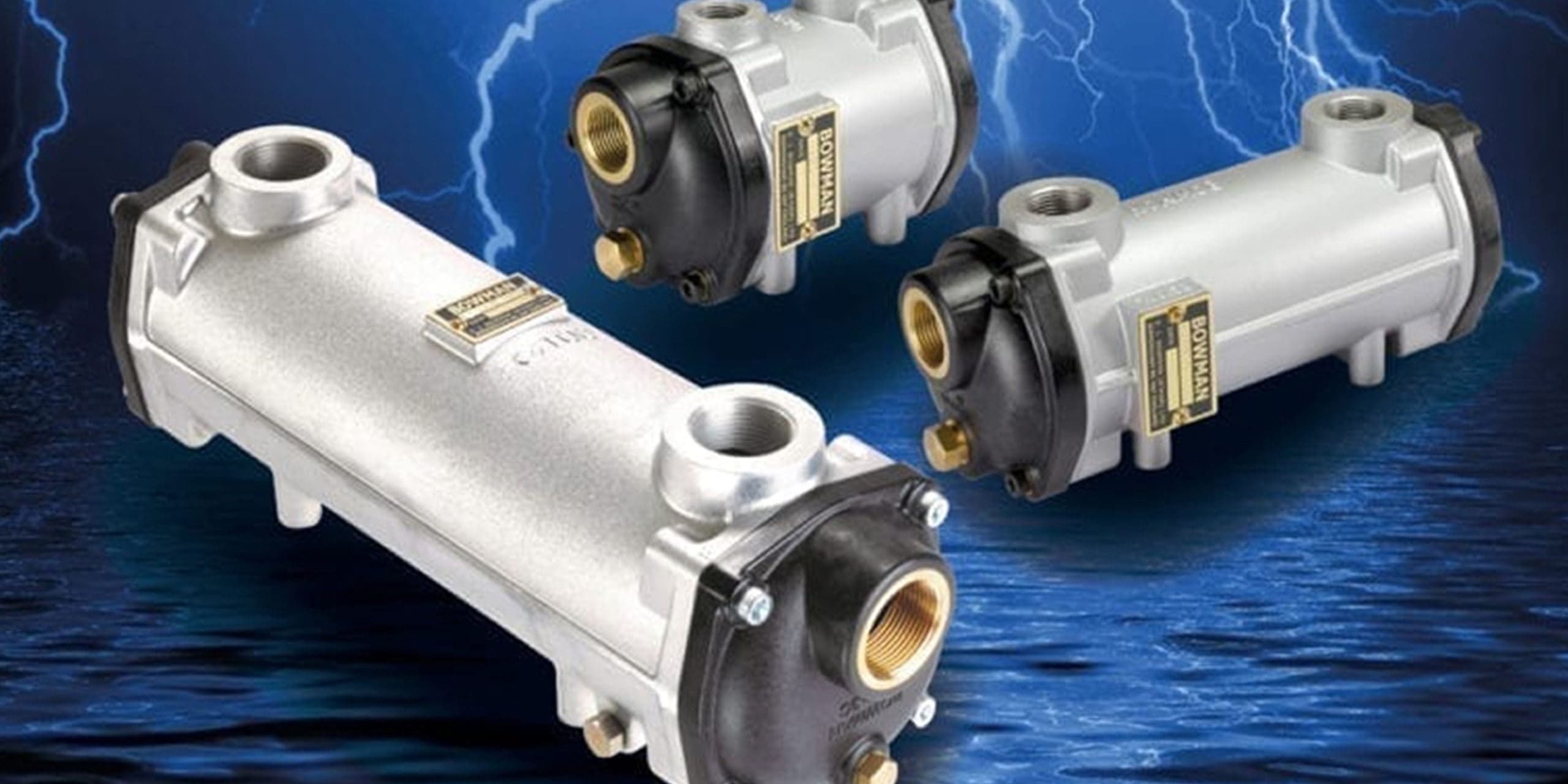
The reliable solution for cooling Electric & Hybrid Marine Propulsion Systems.
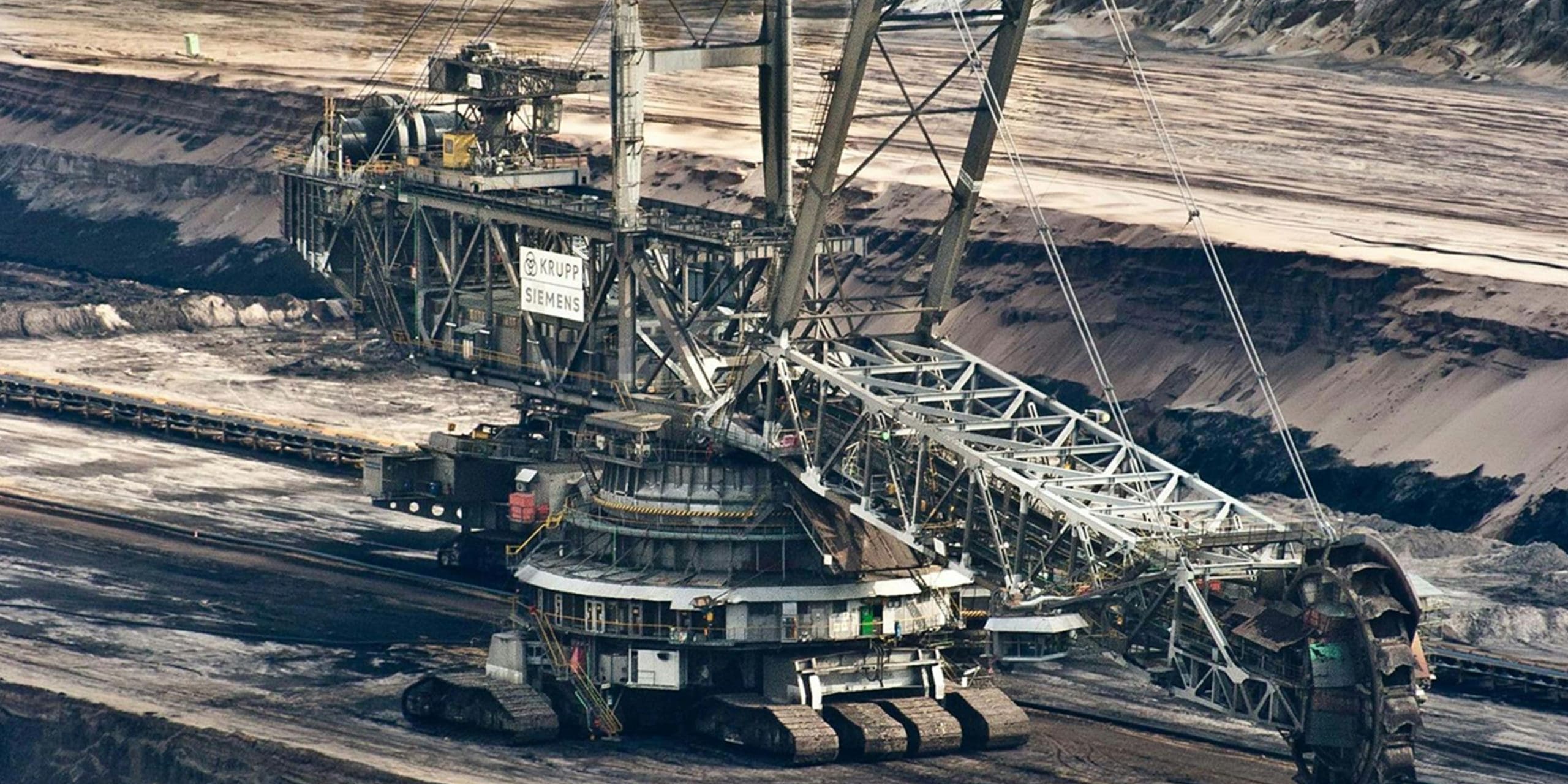
A comprehensive oil cooling solution for industrial hydraulic control systems, plus high temperature and mining applications.
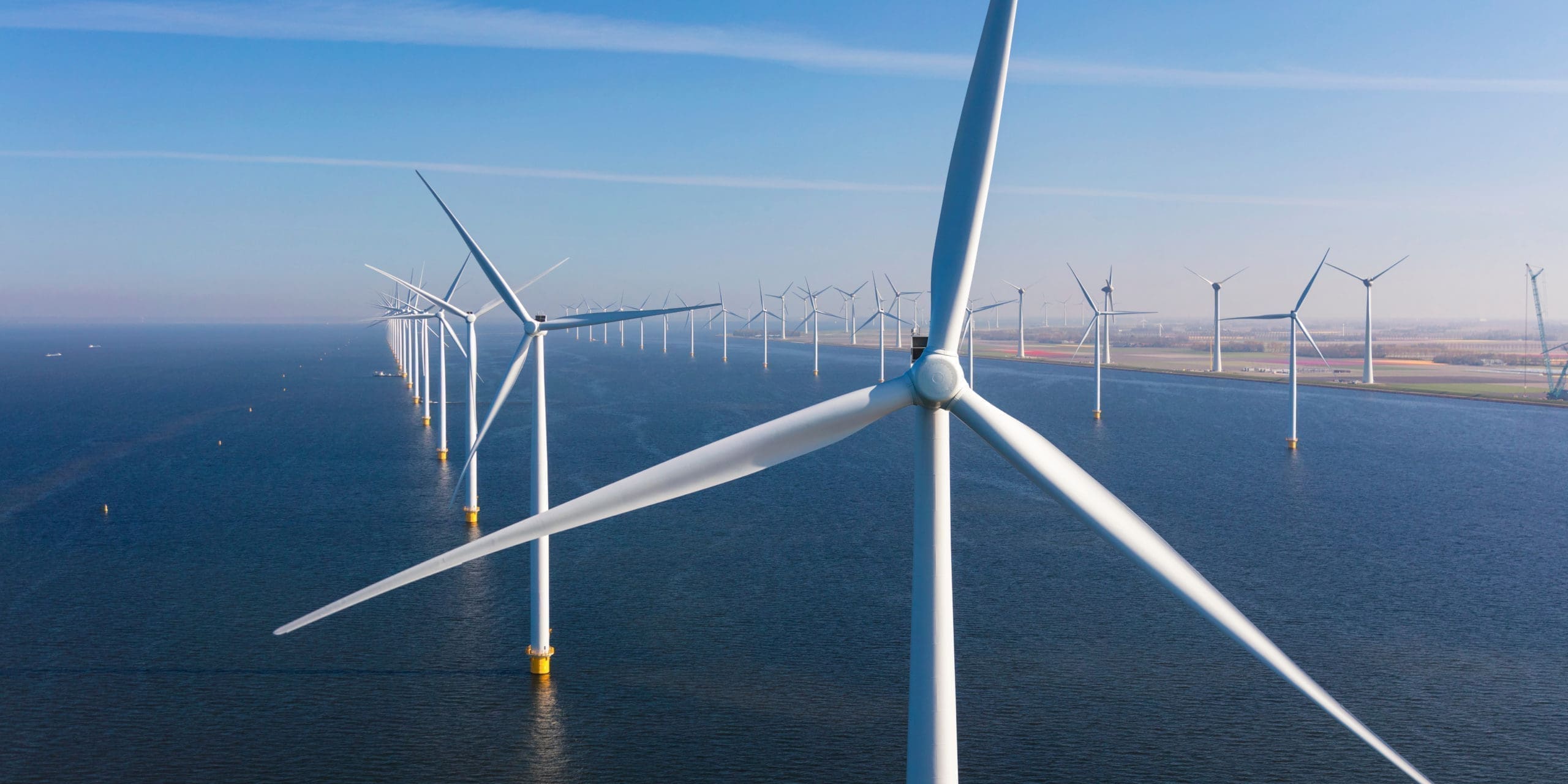
A complete solution for cooling complex on-board hydraulic equipment, including thruster and stabiliser systems.

The complete cooling solution for marine engine propulsion, including the latest electric and hybrid systems.
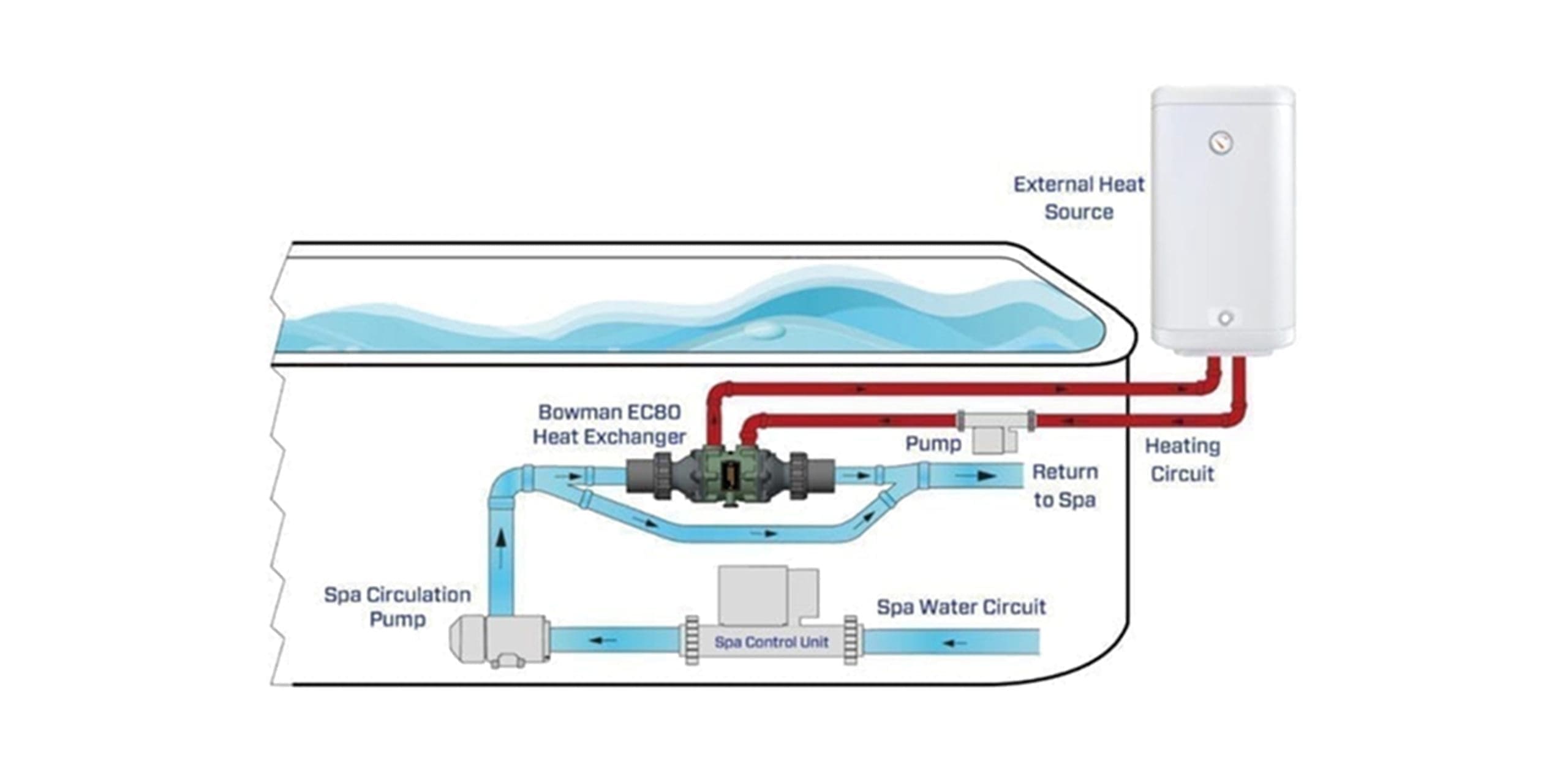
An energy efficient solution for heating hot tubs and swim spas faster, significantly reducing heat-up time for guest change-over periods.

Quality heat exchangers for efficient swimming pool heating, using boiler or renewable energy heat sources.

It’s a question asked so many times by pool owners. Yet the answer could be far simpler than you might expect!
Inviting as a beautiful blue swimming pool may be, if the water’s cold, no-one’s going to use it! Which kind of scuppers the whole reason for having one! So, it’s no surprise that one of the most frequently asked questions on Google is ‘How do I heat my pool faster’?
The answer may be simpler than you think.
Traditionally, many swimming pools are heated by gas fired boilers though increasingly, renewable energy sources such as biomass, heat pumps and solar panels are now being used.
In many ways, heating a swimming pool is similar to heating a house; energy heats water, which is then circulated to the rooms where temperature needs to be raised – usually via a radiator.
It’s a similar principle with a swimming pool; water is heated by an energy source and then circulated through pipework to heat the pool – but in this case, rather than going through a radiator, it goes through a heat exchanger, which transfers heat energy to the swimming pool water.
The next question is often, ‘why do I need a heat exchanger’ and the answer is simple – to protect the boiler or energy source! To keep pool water clean and safe for swimming, chemicals are added, which, if allowed, to circulate through a boiler, could cause damage or even failure. The heat exchanger is therefore a vital piece of equipment that both protects the energy source and keeps the pool water warm.
But, unfortunately, heat exchangers can vary in their performance and efficiency.
So, assuming you have the correct boiler or heat source for the size of the pool, the next thing to check is the heat exchanger. To go back to the home heating analogy, your house may have the largest, most efficient boiler, but if you’ve only got a few small radiators, it’s never going to heat the rooms up! That’s because surface area is vitally important. The more you have, the greater amount of heat can be transferred – either into a room via a radiator, or into a swimming pool via a heat exchanger.
A good example of this is a Bowman customer in West Sussex, who decided to replace his oil fired heating system with a ground source heat pump to provide heating and hot water for the house and also heat his 58 cu/m outdoor and 44 cu/m indoor pools. Whilst the renewable heating system worked perfectly for the house, it just couldn’t get the two pools to the required temperature. The cause of the problem was the heat exchangers supplied with the system. Two stainless steel heat exchangers were running in parallel, but due to their low efficiency, they simply couldn’t transfer all the heat being generated from the heat pump and it was literally taking days to get the pool anywhere close to a reasonable temperature. The problem was solved by replacing the original heat exchangers with two Bowman EC160 units and the improvement was quickly noticeable; the pool water temperature increased by around 5 °C per day, comparing favourably with the previous oil fired system, ensuring the water got really warm very quickly!
So, why the dramatic performance improvement? It’s largely to do with surface area. Bowman swimming pool heat exchangers are a ‘shell and tube’ design and the outer ‘shell’ is literally packed with tubes to give the largest possible surface area within the space available.
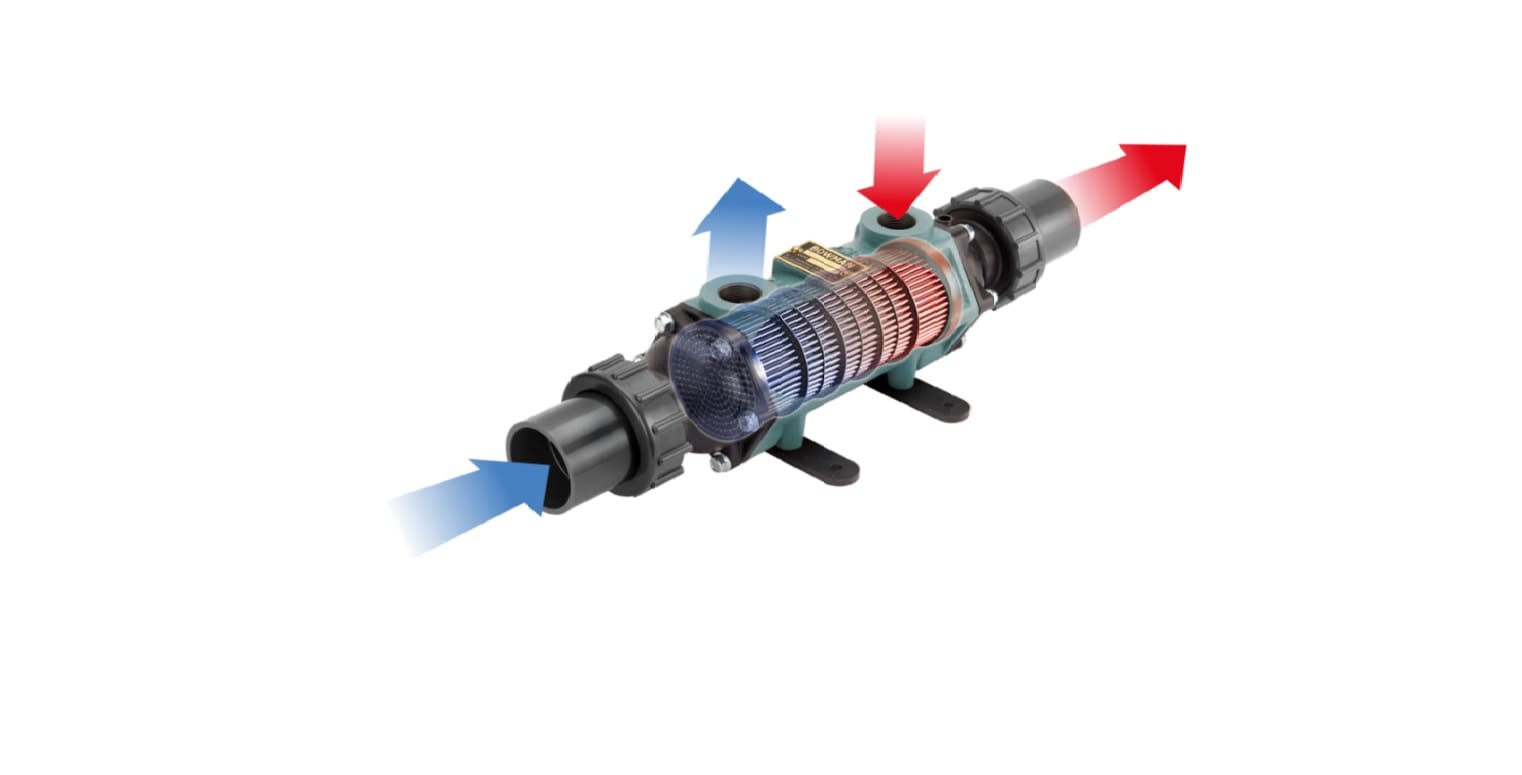 Many competitor products have much lower numbers of tubes, so the heat transfer surface area is significantly reduced, which is often why pools can take much longer to heat up.
However, there is another important factor in heat transfer efficiency – turbulence! It’s well-known that turbulent water transfers more heat energy than slow moving water, which is why all Bowman heat exchangers are specially designed to create turbulence as the heated water passes through the heat exchanger, ensuring it flows through and around the outer surface of all the tubes.
These factors are two of the main reasons why Bowman swimming pool heat exchangers are so efficient, heating pools up to three times faster than most competitor products and in doing so, reducing energy costs and saving money.
It’s a question asked so many times by pool owners. Yet the answer could be far simpler than you might expect!
Inviting as a beautiful blue swimming pool may be, if the water’s cold, no-one’s going to use it! Which kind of scuppers the whole reason for having one! So, it’s no surprise that one of the most frequently asked questions on Google is ‘How do I heat my pool faster’?
The answer may be simpler than you think.
Traditionally, many swimming pools are heated by gas fired boilers though increasingly, renewable energy sources such as biomass, heat pumps and solar panels are now being used.
In many ways, heating a swimming pool is similar to heating a house; energy heats water, which is then circulated to the rooms where temperature needs to be raised – usually via a radiator.
It’s a similar principle with a swimming pool; water is heated by an energy source and then circulated through pipework to heat the pool – but in this case, rather than going through a radiator, it goes through a heat exchanger, which transfers heat energy to the swimming pool water.
The next question is often, ‘why do I need a heat exchanger’ and the answer is simple – to protect the boiler or energy source! To keep pool water clean and safe for swimming, chemicals are added, which, if allowed, to circulate through a boiler, could cause damage or even failure. The heat exchanger is therefore a vital piece of equipment that both protects the energy source and keeps the pool water warm.
But, unfortunately, heat exchangers can vary in their performance and efficiency.
So, assuming you have the correct boiler or heat source for the size of the pool, the next thing to check is the heat exchanger. To go back to the home heating analogy, your house may have the largest, most efficient boiler, but if you’ve only got a few small radiators, it’s never going to heat the rooms up! That’s because surface area is vitally important. The more you have, the greater amount of heat can be transferred – either into a room via a radiator, or into a swimming pool via a heat exchanger.
A good example of this is a Bowman customer in West Sussex, who decided to replace his oil fired heating system with a ground source heat pump to provide heating and hot water for the house and also heat his 58 cu/m outdoor and 44 cu/m indoor pools. Whilst the renewable heating system worked perfectly for the house, it just couldn’t get the two pools to the required temperature. The cause of the problem was the heat exchangers supplied with the system. Two stainless steel heat exchangers were running in parallel, but due to their low efficiency, they simply couldn’t transfer all the heat being generated from the heat pump and it was literally taking days to get the pool anywhere close to a reasonable temperature. The problem was solved by replacing the original heat exchangers with two Bowman EC160 units and the improvement was quickly noticeable; the pool water temperature increased by around 5 °C per day, comparing favourably with the previous oil fired system, ensuring the water got really warm very quickly!
So, why the dramatic performance improvement? It’s largely to do with surface area. Bowman swimming pool heat exchangers are a ‘shell and tube’ design and the outer ‘shell’ is literally packed with tubes to give the largest possible surface area within the space available.
Many competitor products have much lower numbers of tubes, so the heat transfer surface area is significantly reduced, which is often why pools can take much longer to heat up.
However, there is another important factor in heat transfer efficiency – turbulence! It’s well-known that turbulent water transfers more heat energy than slow moving water, which is why all Bowman heat exchangers are specially designed to create turbulence as the heated water passes through the heat exchanger, ensuring it flows through and around the outer surface of all the tubes.
These factors are two of the main reasons why Bowman swimming pool heat exchangers are so efficient, heating pools up to three times faster than most competitor products and in doing so, reducing energy costs and saving money.
Bowman and Rinnai provide the perfect heating solution for an Australian roof top pool – where winter temperatures can be surprisingly cool!

Six Bowman heat exchangers have been installed at the recently opened Gold’s Gym, Amman, Jordan, to heat two half Olympic-sized swimming pools.

How Bowman heat exchangers are helping this internationally renowned golf destination reduce energy costs and CO₂ emissions.

Bowman heat exchangers are playing an important role in the success of a flagship hotel on the Black Sea coast in Georgia.
Bowman and Rinnai provide the perfect heating solution for an Australian roof top pool – where winter temperatures can be surprisingly cool!
Six Bowman heat exchangers have been installed at the recently opened Gold’s Gym, Amman, Jordan, to heat two half Olympic-sized swimming pools.
How Bowman heat exchangers are helping this internationally renowned golf destination reduce energy costs and CO₂ emissions.
Bowman heat exchangers are playing an important role in the success of a flagship hotel on the Black Sea coast in Georgia.
You cannot copy content of this page