The path to Nirvana – Bowman heat exchangers!
Nirvana Spa provides a relaxed Mediterranean holiday experience, with stunning swimming, spa and wellness pools heated by Bowman Heat Exchangers.

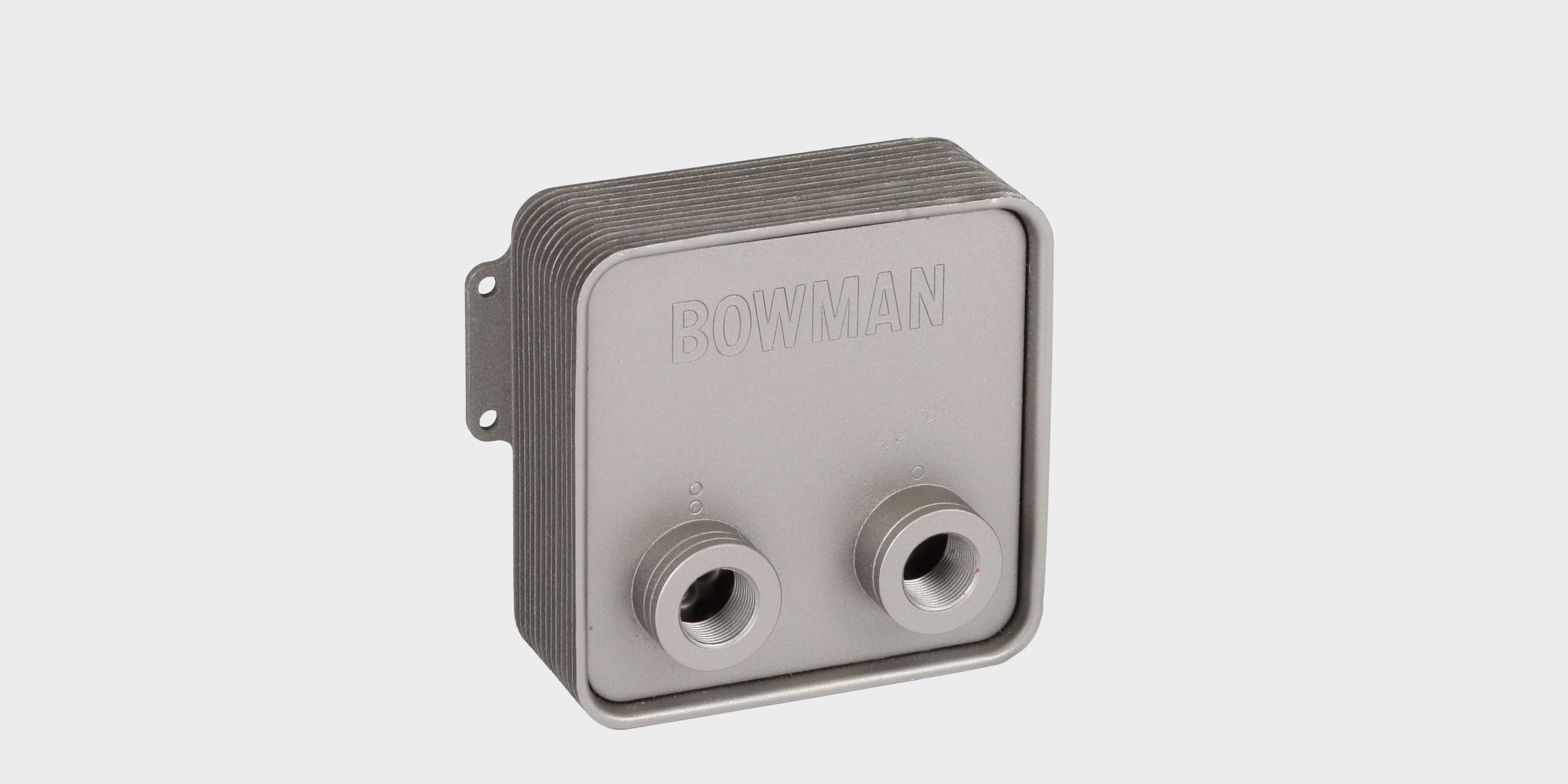
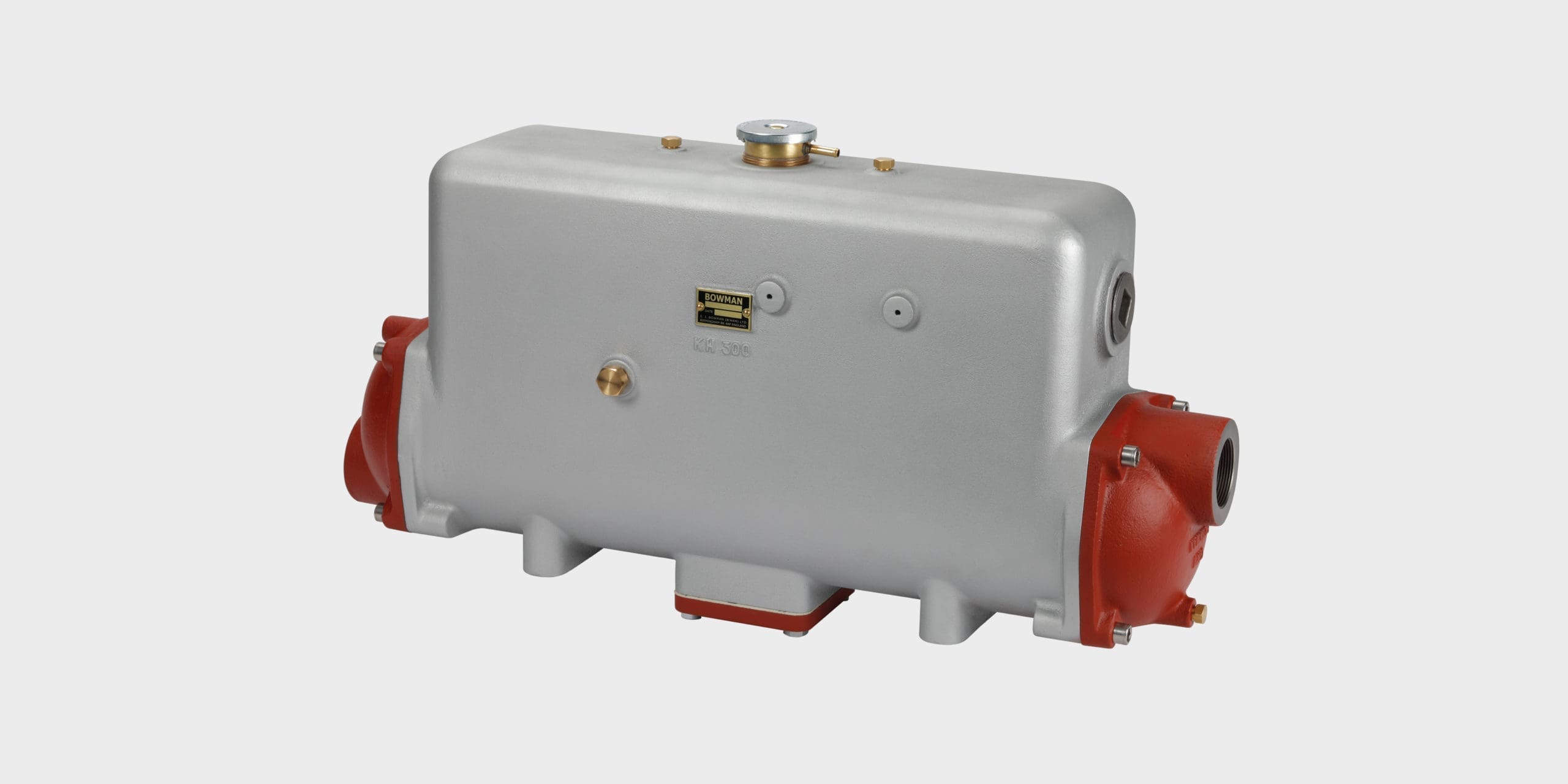
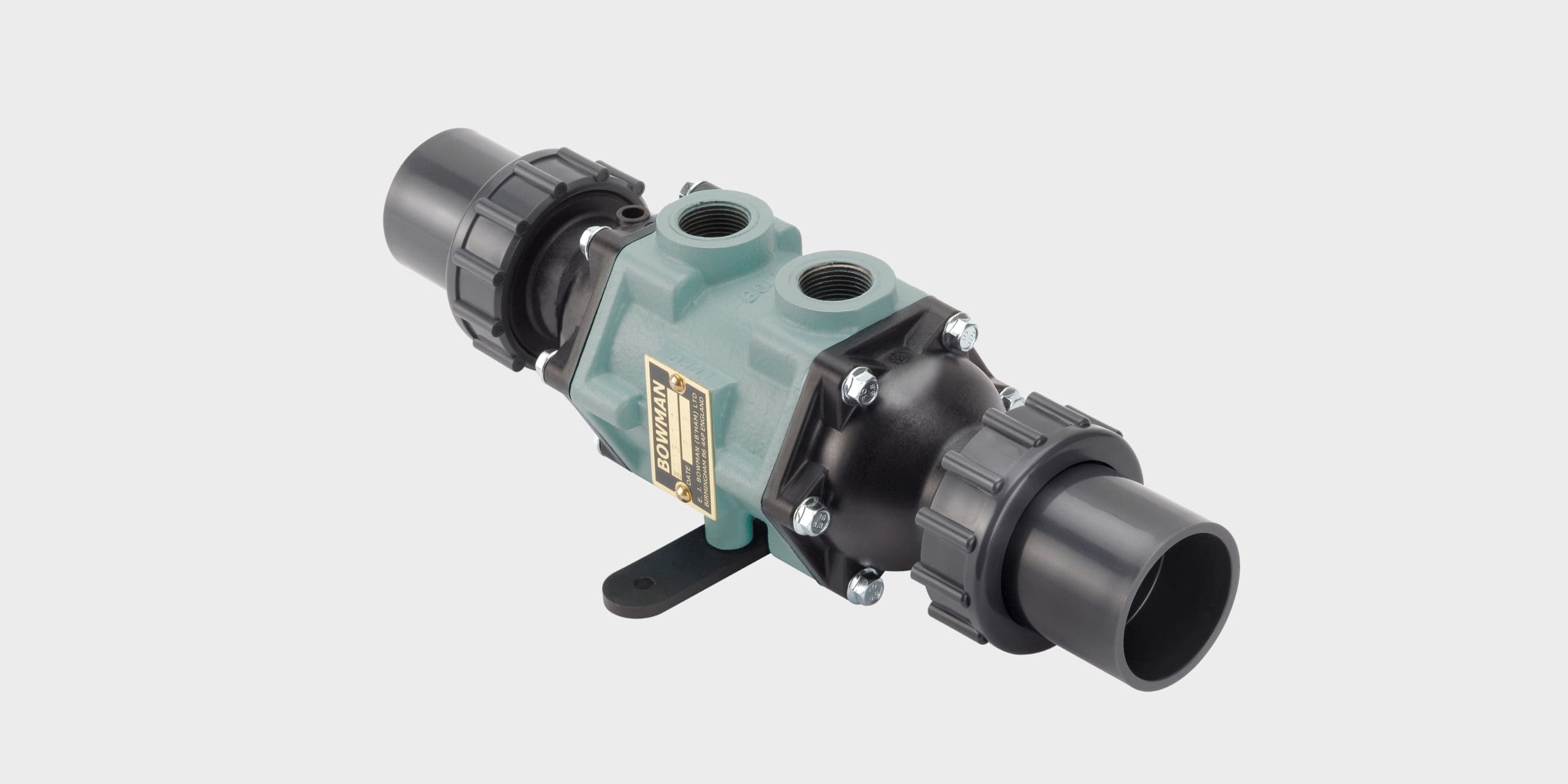
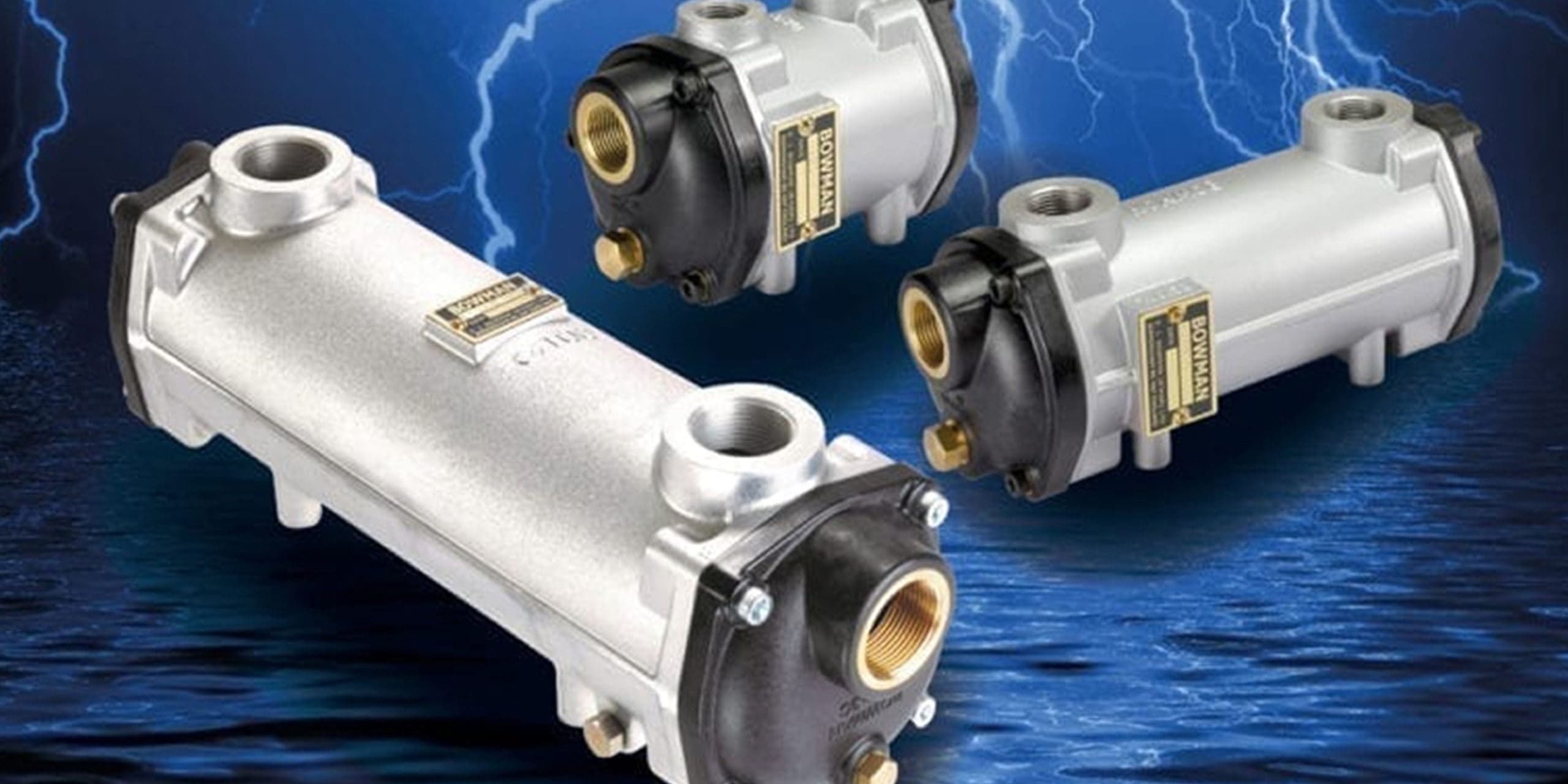
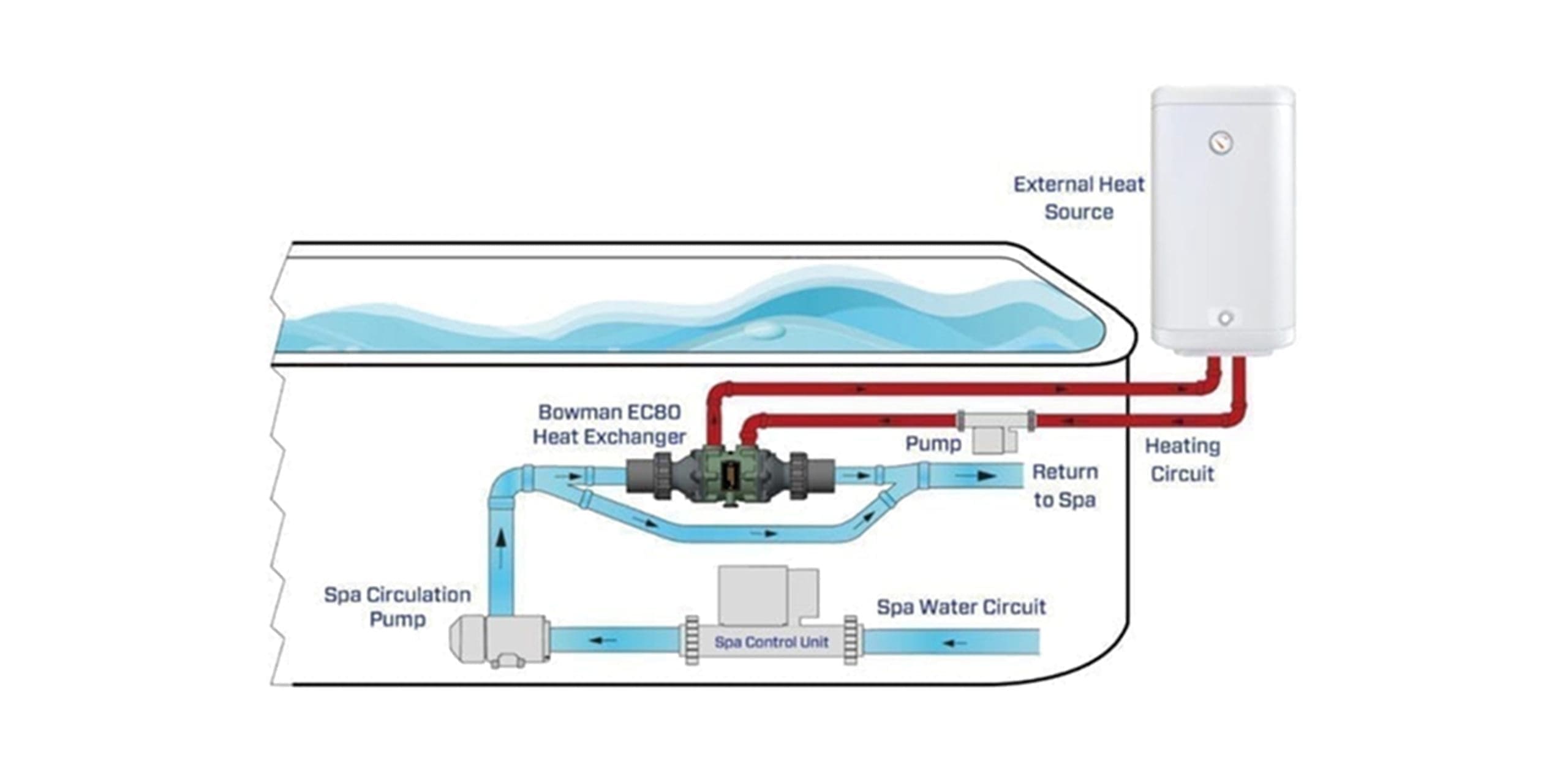
Heat exchangers are essential in maintaining comfortable swimming pool temperatures while maximising energy efficiency. These devices are crucial in transferring heat from one source to another, allowing pool owners to enjoy warm water without excessive energy costs. At its core, a swimming pool heat exchanger transfers heat from a hot water circuit to the pool water without the two fluids ever coming into direct contact.
This separation is vital, as it protects the primary heating system (often a boiler) from the corrosive effects of pool chemicals and minerals, which could otherwise lead to premature failure and costly replacement of expensive heating equipment.
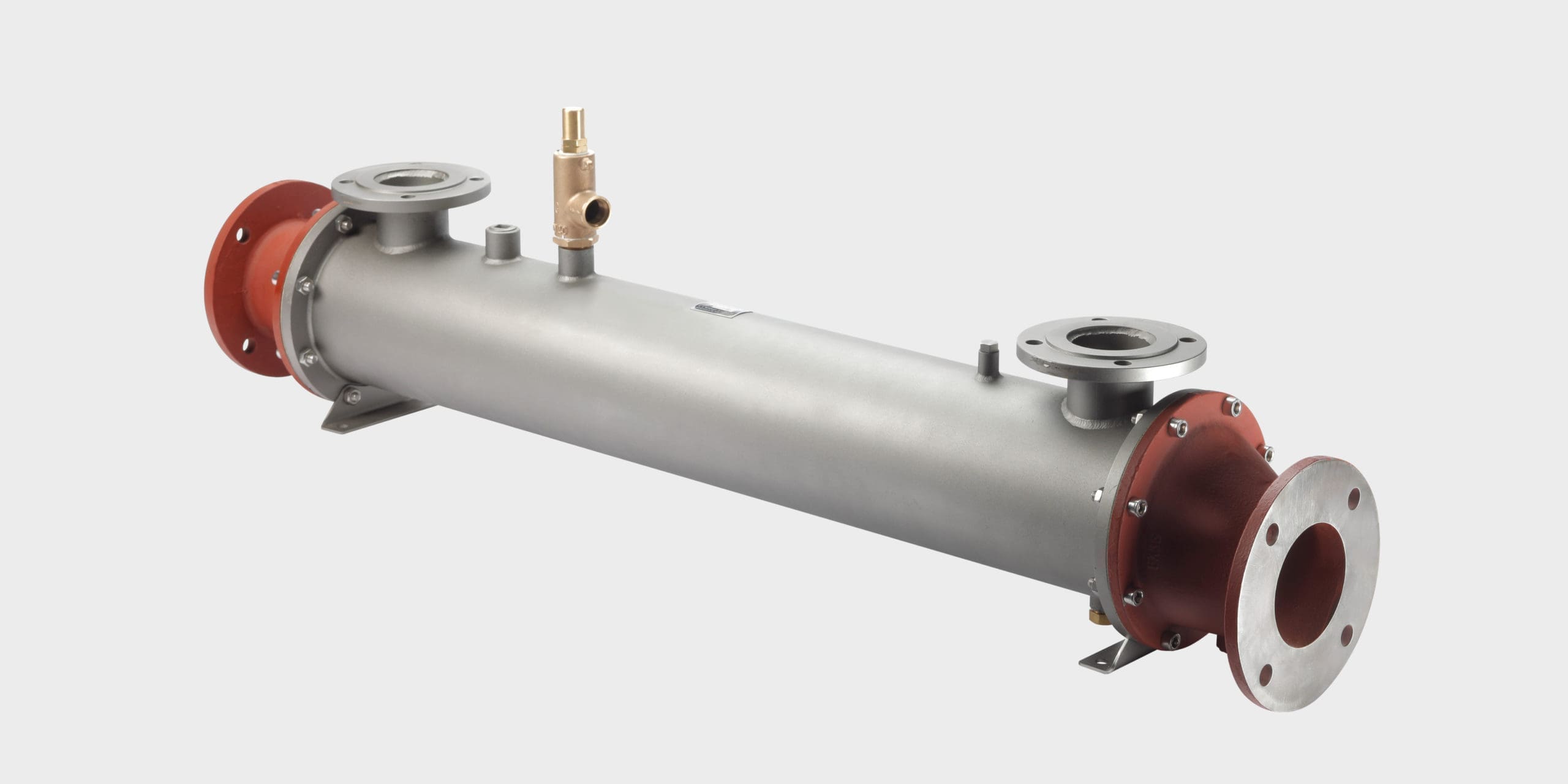
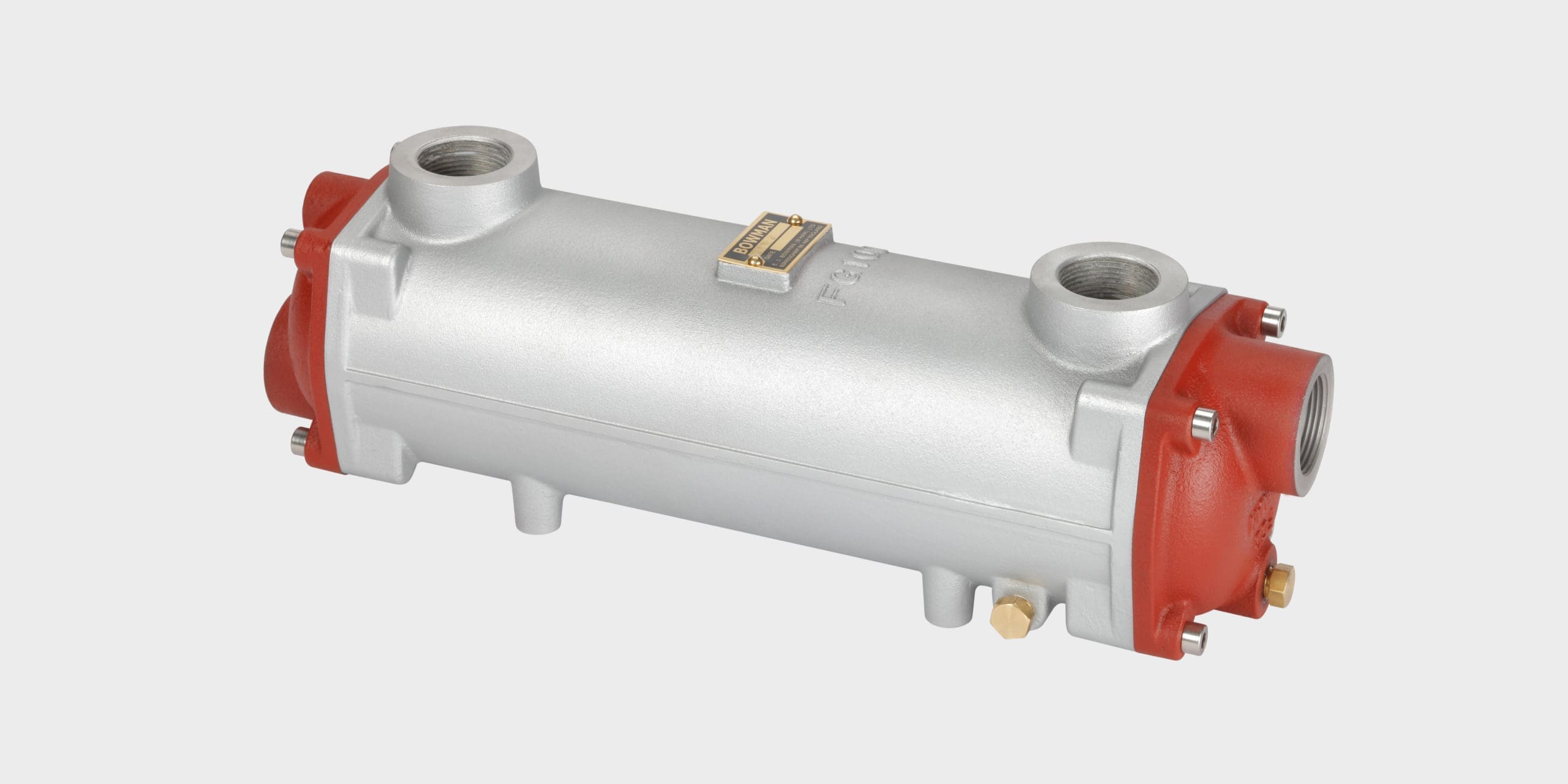
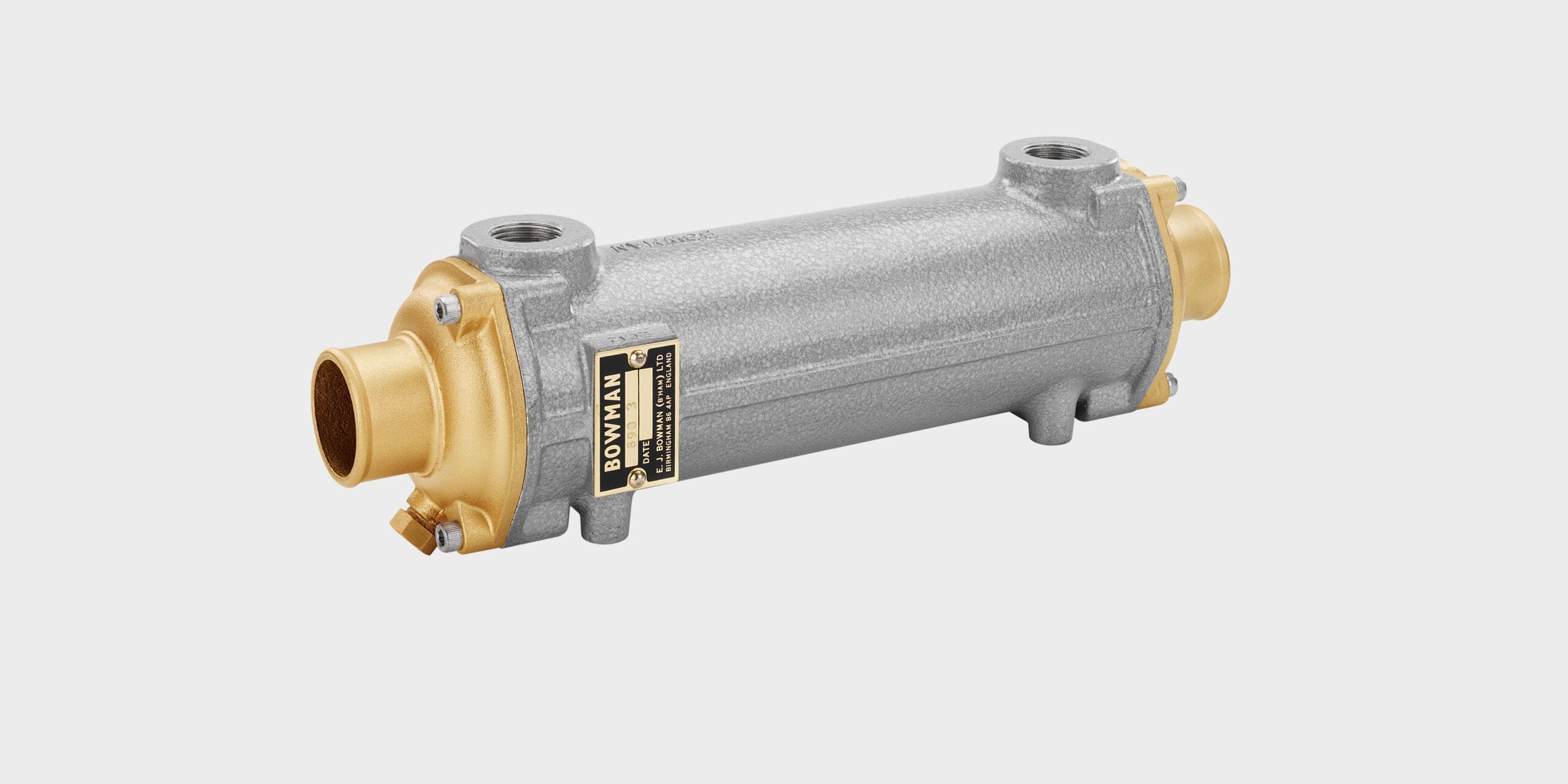
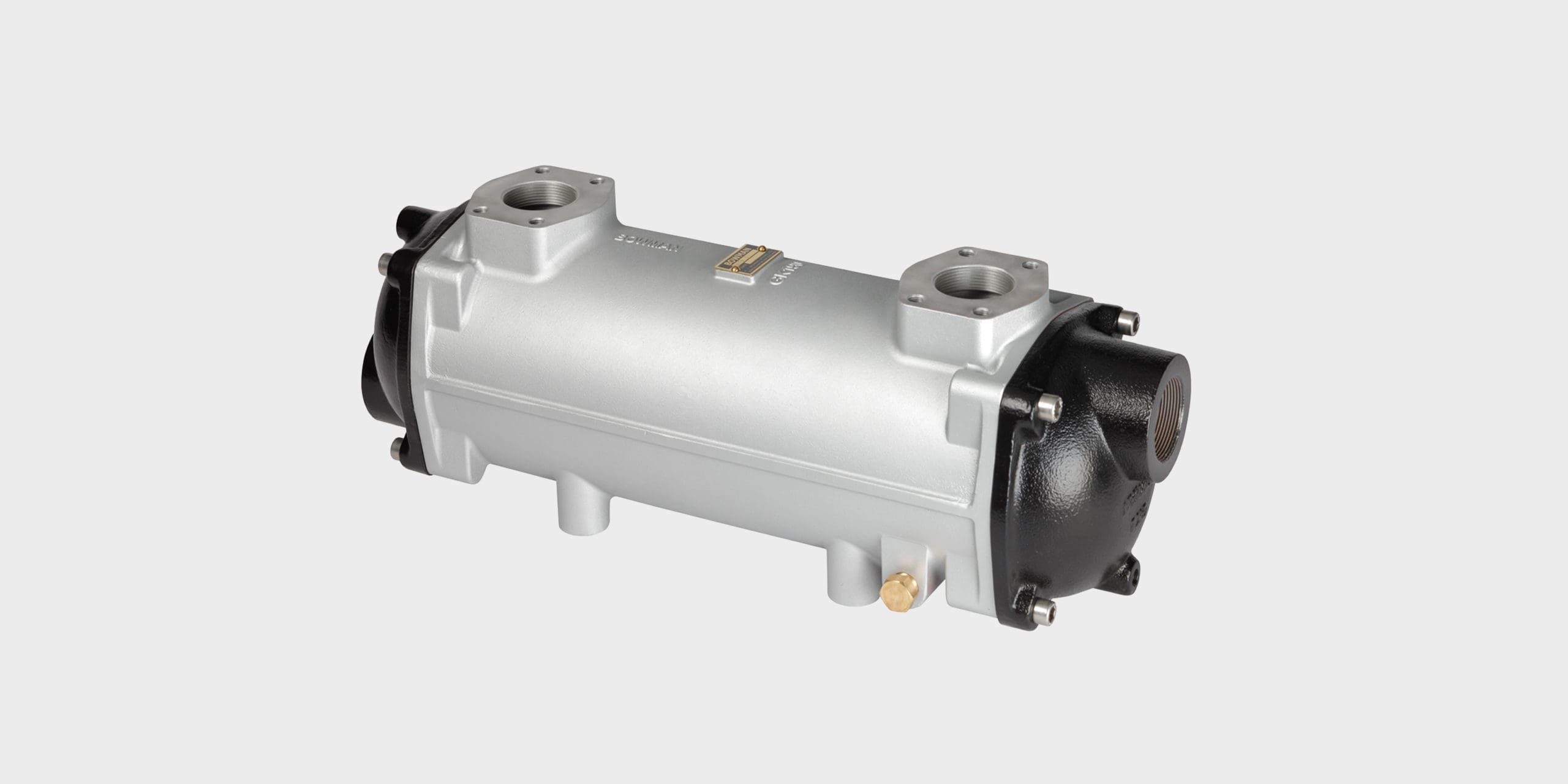
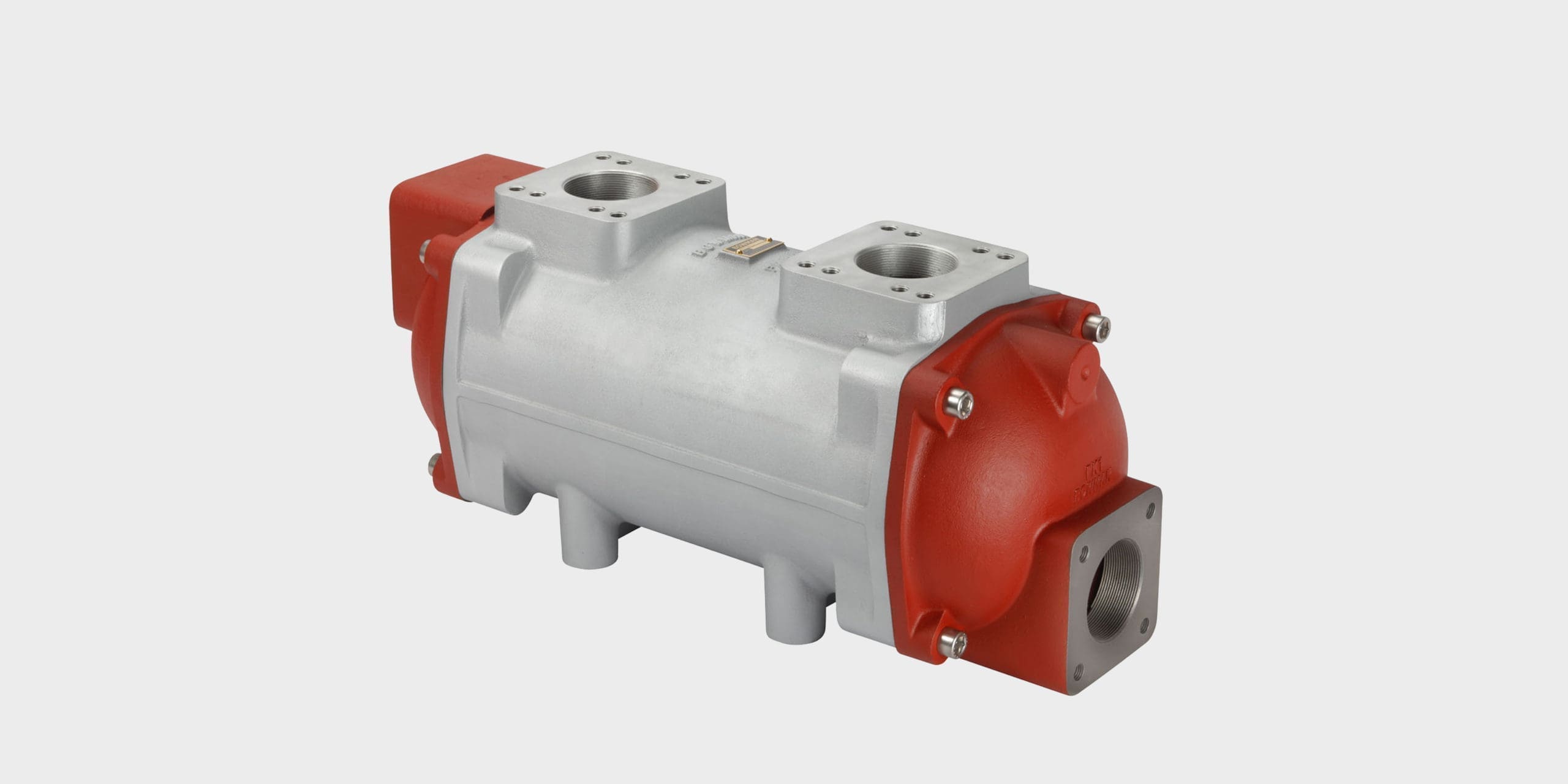
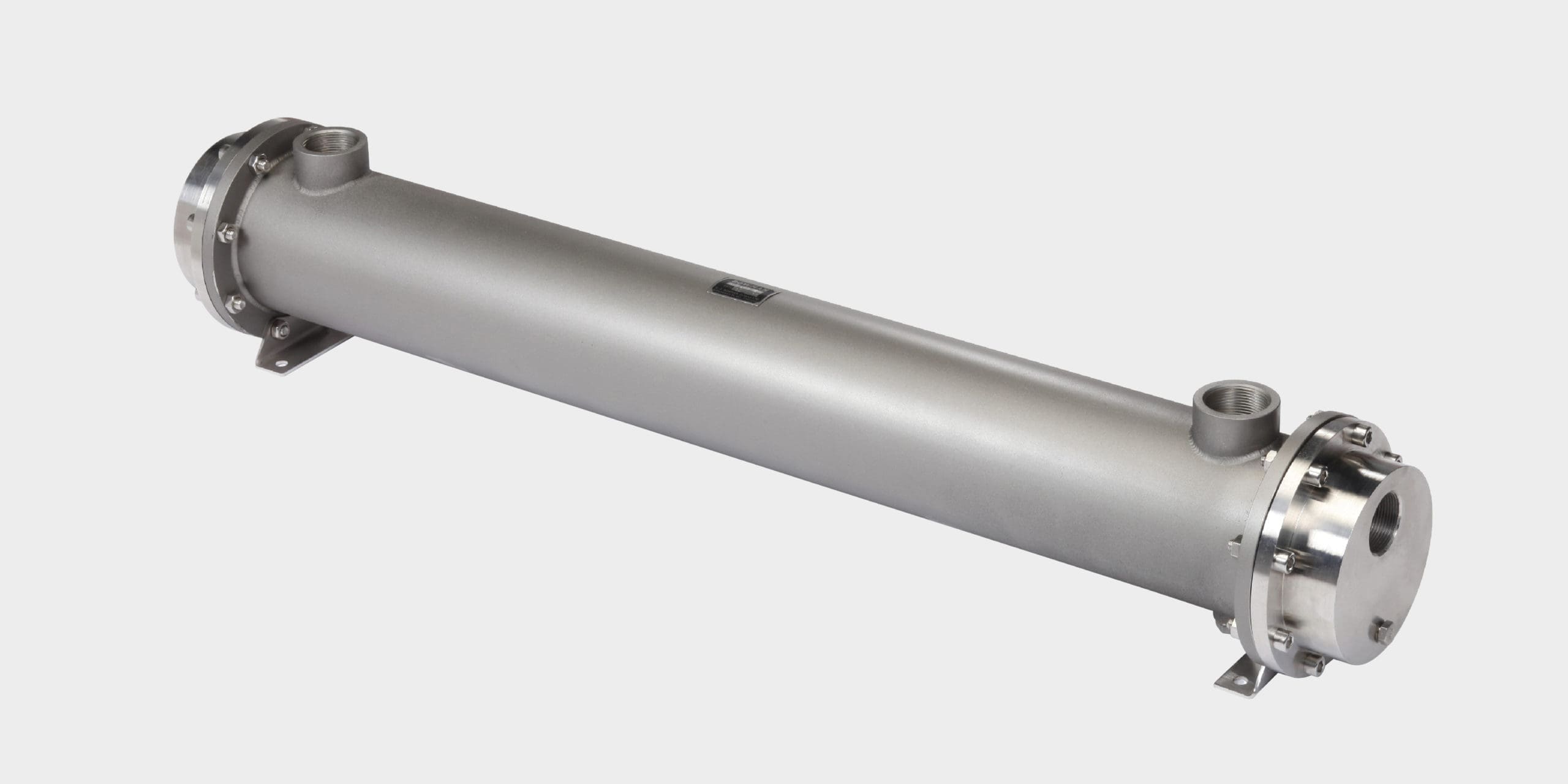
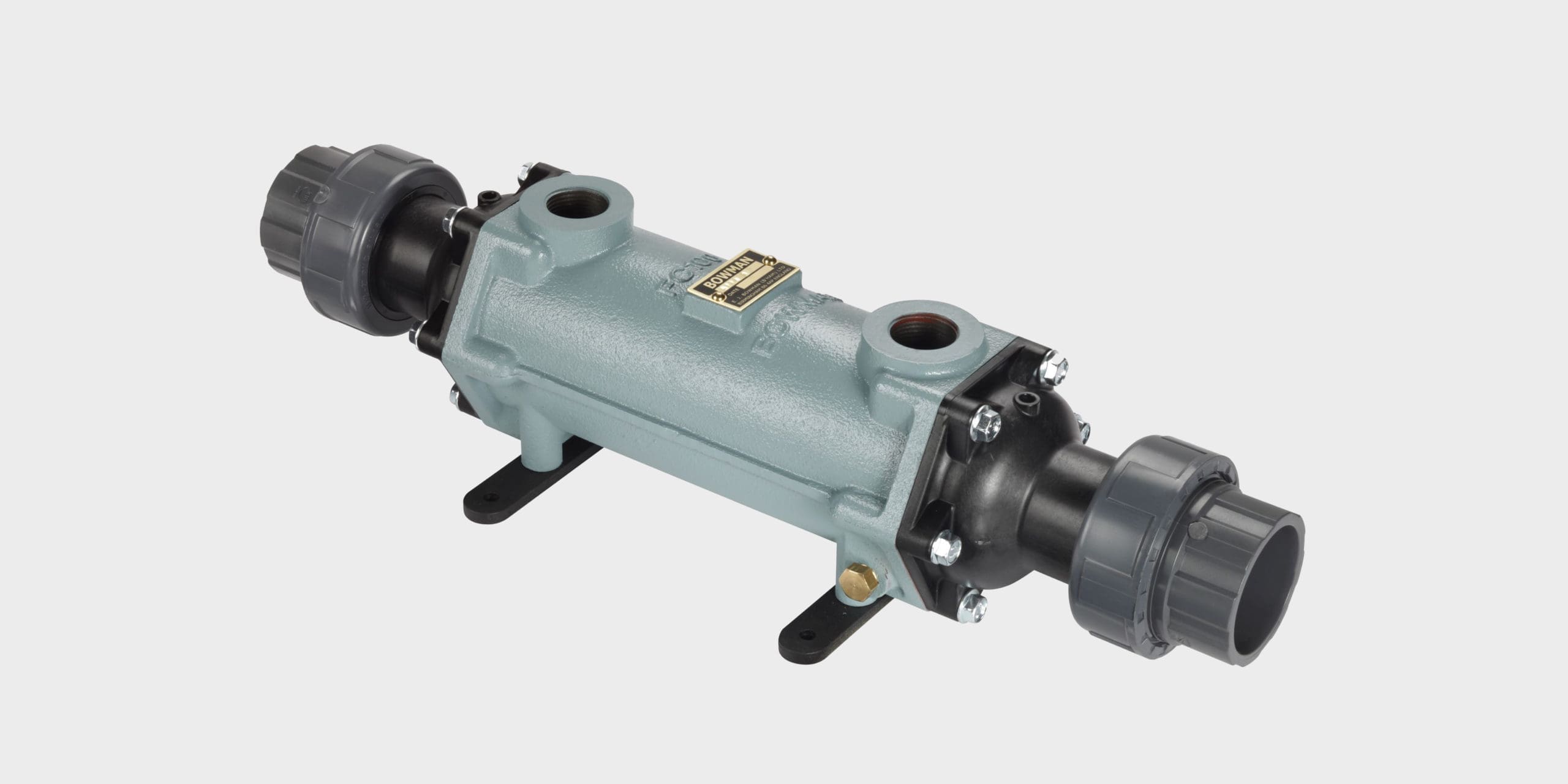
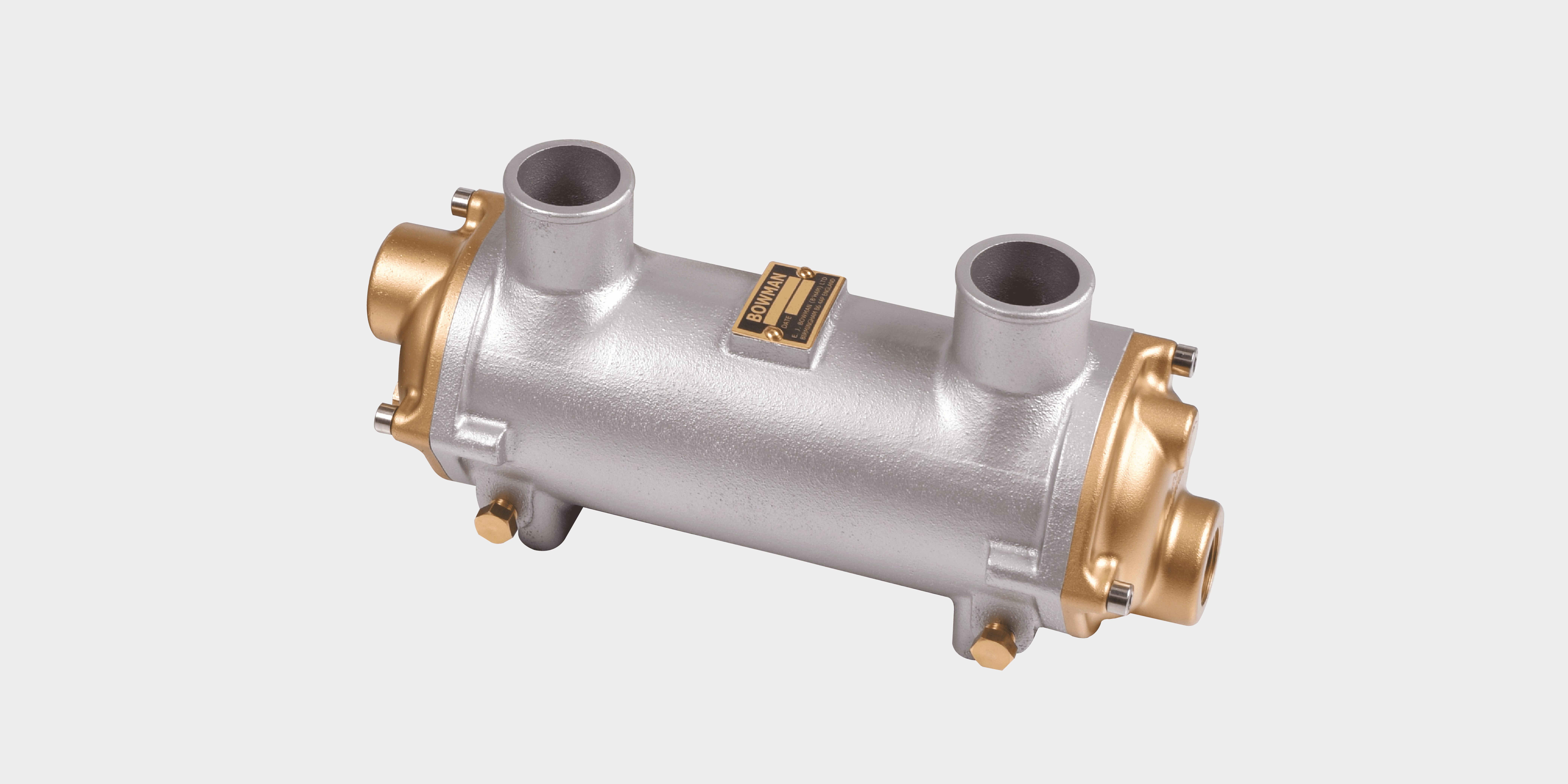
Various types of heat exchangers are used for heating swimming pools, with shell and tube designs being the most common due to their energy efficiency and ease of maintenance. In this configuration, pool water passes through a bundle of tubes while hot water from the boiler circulates over them, allowing for effective heat transfer.
Using an efficient heat exchanger for your pool has several benefits. It can help to reduce energy consumption and lower operating costs, effectively achieve the ideal temperature for your pool, extend the lifespan of your primary heating source, and even help decrease your carbon footprint.
Additionally, heat exchangers can be used in conjunction with various heat sources, including traditional boilers, solar heating systems, heat pumps and even waste heat recovery applications. When considering a heat exchanger for your pool, you must consider pool size, the energy rating and location of the heat source, and usage patterns.
When sizing a heat exchanger, several key factors come into play to ensure optimal performance and efficiency. First and foremost, you need to consider the heat transfer requirements – how much heat needs to be transferred between the fluids? This will largely determine the overall size and type of heat exchanger required. The properties of the fluids involved are crucial, too. Their specific heat capacities, viscosities, and thermal conductivities will affect heat transfer rates.
Critical to the performance, you’ll also need to consider the flow rates and temperature differentials between the fluids. Space constraints can also need careful consideration – you might have limited room to work with, so the exchanger’s physical dimensions must fit the available space.
Don’t forget about pressure drops, either – excessive pressure resistance can hurt system efficiency. Material selection is another important aspect. You’ve got to choose materials that can handle the fluids’ temperatures, pressures, and the corrosive nature of the pool water.
Of course, you’ll want to consider maintenance access for cleaning. Lastly, think about future needs. It’s often wise to build in some extra capacity for potential system expansions down the road.
When sizing a swimming pool heat exchanger, there are several common pitfalls that pool owners and installers should watch out for.
First, consider the importance of your pool’s volume. It’s crucial to accurately measure your pool’s length, width, and average depth. Guessing or using rough estimates can lead to an undersized heat exchanger that needs to be fixed to keep up with your heating needs.
Install a heat source that provides enough energy to heat the volume of water in your pool. Too often, an insufficient heat source is specified, and the pool struggles to reach the desired temperature. Equally, if an inefficient heat exchanger is chosen, you will not transfer the available energy to the pool water. You wouldn’t consider having a large boiler for your home and only installing one small radiator for the space heating, so don’t make the same mistake with the pool heat exchanger.
Remember about temperature differentials. Many people must assume their boiler can consistently maintain its maximum output temperature. It’s often better to plan for a more sustainable, lower temperature to avoid overworking your system.
Ignoring flow rates is another common blunder. The pool water and the heating circuit must flow at the correct rates for optimal heat transfer. If you get this wrong, you’ll end up with poor performance.
Your pool constantly loses heat to the environment, so you must account for this when choosing the heat source and sizing your heat exchanger.
Remember, sizing a heat exchanger is about understanding your specific swimming pool set-up and needs. When in doubt, consult with a professional. They can help you navigate these potential pitfalls and ensure you get a suitable heat exchanger for your pool.
Consulting a professional when sizing a swimming pool heat exchanger is essential in several scenarios. A professional can navigate these complexities more effectively, if your pool features complex systems, such as multiple water sources or intricate heating set-ups. This expertise becomes even more critical for more elaborate or commercial pools, where the stakes are higher and the calculations more complicated.
If you need more certainty about accurately calculating your pool’s volume, desired temperature rise, or flow rates, a professional can ensure these critical measurements are correct.
When integrating a heat exchanger into an existing pool set-up, an expert can ensure compatibility with your current equipment, preventing potential issues down the line. They can also help balance initial costs with long-term efficiency, potentially saving you money in the long run.
Finally, their personalised recommendations consider factors like local climate and pool usage patterns that general sizing guides may overlook.
Overall, consulting a professional can help avoid issues and ensure the best performance of your pool heating system.
Heat exchangers are essential in maintaining comfortable swimming pool temperatures while maximising energy efficiency. These devices are crucial in transferring heat from one source to another, allowing pool owners to enjoy warm water without excessive energy costs. At its core, a swimming pool heat exchanger transfers heat from a hot water circuit to the pool water without the two fluids ever coming into direct contact.
This separation is vital, as it protects the primary heating system (often a boiler) from the corrosive effects of pool chemicals and minerals, which could otherwise lead to premature failure and costly replacement of expensive heating equipment.
Various types of heat exchangers are used for heating swimming pools, with shell and tube designs being the most common due to their energy efficiency and ease of maintenance. In this configuration, pool water passes through a bundle of tubes while hot water from the boiler circulates over them, allowing for effective heat transfer.
Using an efficient heat exchanger for your pool has several benefits. It can help to reduce energy consumption and lower operating costs, effectively achieve the ideal temperature for your pool, extend the lifespan of your primary heating source, and even help decrease your carbon footprint.
Additionally, heat exchangers can be used in conjunction with various heat sources, including traditional boilers, solar heating systems, heat pumps and even waste heat recovery applications. When considering a heat exchanger for your pool, you must consider pool size, the energy rating and location of the heat source, and usage patterns.
When sizing a heat exchanger, several key factors come into play to ensure optimal performance and efficiency. First and foremost, you need to consider the heat transfer requirements – how much heat needs to be transferred between the fluids? This will largely determine the overall size and type of heat exchanger required. The properties of the fluids involved are crucial, too. Their specific heat capacities, viscosities, and thermal conductivities will affect heat transfer rates.
Critical to the performance, you’ll also need to consider the flow rates and temperature differentials between the fluids. Space constraints can also need careful consideration – you might have limited room to work with, so the exchanger’s physical dimensions must fit the available space.
Don’t forget about pressure drops, either – excessive pressure resistance can hurt system efficiency. Material selection is another important aspect. You’ve got to choose materials that can handle the fluids’ temperatures, pressures, and the corrosive nature of the pool water.
Of course, you’ll want to consider maintenance access for cleaning. Lastly, think about future needs. It’s often wise to build in some extra capacity for potential system expansions down the road.
When sizing a swimming pool heat exchanger, there are several common pitfalls that pool owners and installers should watch out for.
First, consider the importance of your pool’s volume. It’s crucial to accurately measure your pool’s length, width, and average depth. Guessing or using rough estimates can lead to an undersized heat exchanger that needs to be fixed to keep up with your heating needs.
Install a heat source that provides enough energy to heat the volume of water in your pool. Too often, an insufficient heat source is specified, and the pool struggles to reach the desired temperature. Equally, if an inefficient heat exchanger is chosen, you will not transfer the available energy to the pool water. You wouldn’t consider having a large boiler for your home and only installing one small radiator for the space heating, so don’t make the same mistake with the pool heat exchanger.
Remember about temperature differentials. Many people must assume their boiler can consistently maintain its maximum output temperature. It’s often better to plan for a more sustainable, lower temperature to avoid overworking your system.
Ignoring flow rates is another common blunder. The pool water and the heating circuit must flow at the correct rates for optimal heat transfer. If you get this wrong, you’ll end up with poor performance.
Your pool constantly loses heat to the environment, so you must account for this when choosing the heat source and sizing your heat exchanger.
Remember, sizing a heat exchanger is about understanding your specific swimming pool set-up and needs. When in doubt, consult with a professional. They can help you navigate these potential pitfalls and ensure you get a suitable heat exchanger for your pool.
Consulting a professional when sizing a swimming pool heat exchanger is essential in several scenarios. A professional can navigate these complexities more effectively, if your pool features complex systems, such as multiple water sources or intricate heating set-ups. This expertise becomes even more critical for more elaborate or commercial pools, where the stakes are higher and the calculations more complicated.
If you need more certainty about accurately calculating your pool’s volume, desired temperature rise, or flow rates, a professional can ensure these critical measurements are correct.
When integrating a heat exchanger into an existing pool set-up, an expert can ensure compatibility with your current equipment, preventing potential issues down the line. They can also help balance initial costs with long-term efficiency, potentially saving you money in the long run.
Finally, their personalised recommendations consider factors like local climate and pool usage patterns that general sizing guides may overlook.
Overall, consulting a professional can help avoid issues and ensure the best performance of your pool heating system.

Nirvana Spa provides a relaxed Mediterranean holiday experience, with stunning swimming, spa and wellness pools heated by Bowman Heat Exchangers.

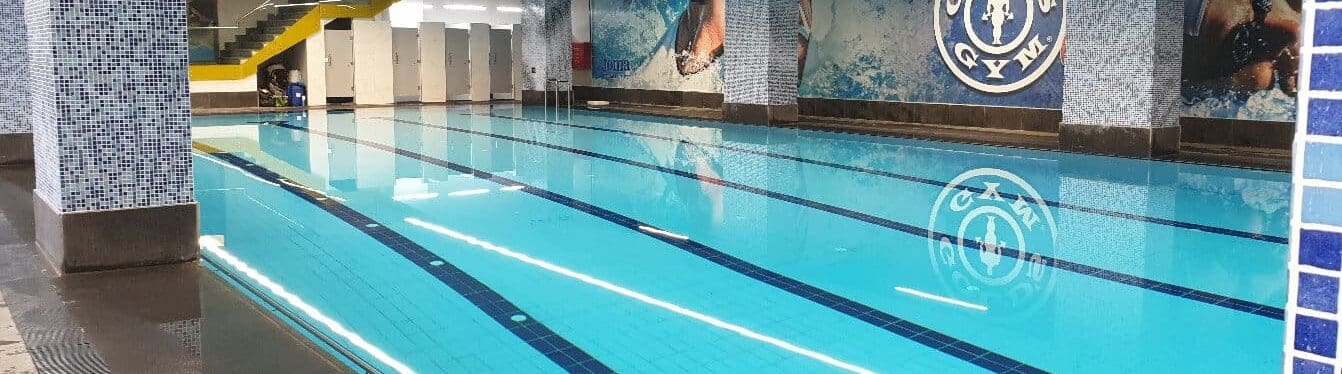
Six Bowman heat exchangers have been installed at the recently opened Gold’s Gym, Amman, Jordan, to heat two half Olympic-sized swimming pools.

How Bowman heat exchangers are helping this internationally renowned golf destination reduce energy costs and CO₂ emissions.

Bowman heat exchangers are playing an important role in the success of a flagship hotel on the Black Sea coast in Georgia.

Nirvana Spa provides a relaxed Mediterranean holiday experience, with stunning swimming, spa and wellness pools heated by Bowman Heat Exchangers.
Six Bowman heat exchangers have been installed at the recently opened Gold’s Gym, Amman, Jordan, to heat two half Olympic-sized swimming pools.

How Bowman heat exchangers are helping this internationally renowned golf destination reduce energy costs and CO₂ emissions.
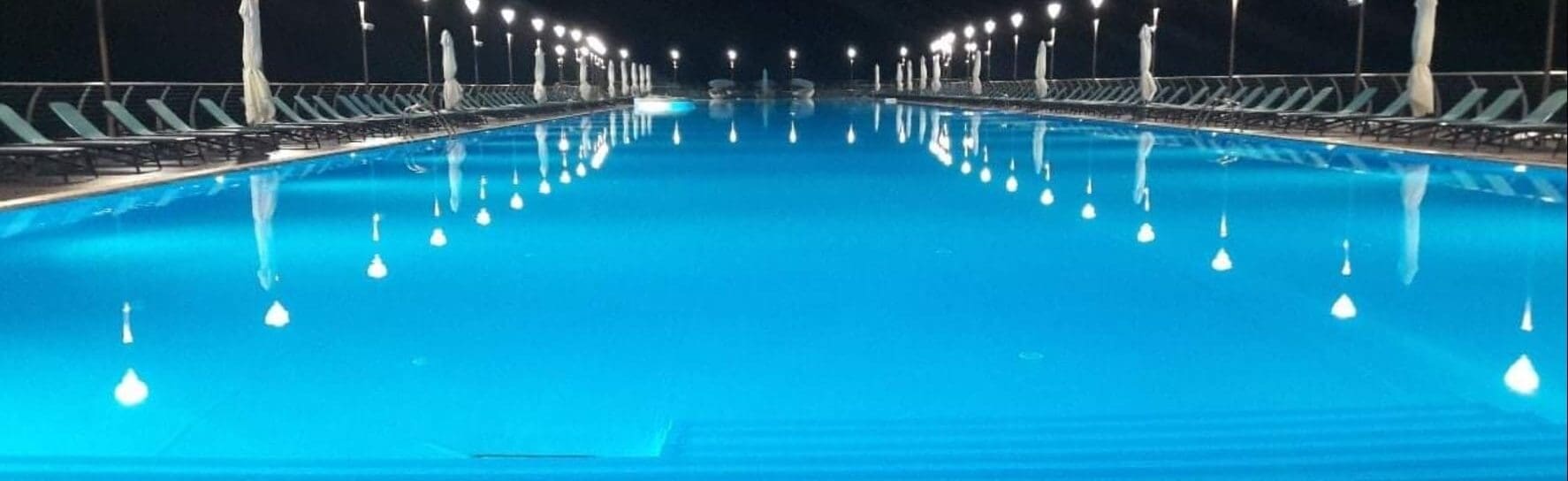
Bowman heat exchangers are playing an important role in the success of a flagship hotel on the Black Sea coast in Georgia.
You cannot copy content of this page