• All Products

      • Charge Air Coolers
        • Charge Air Coolers

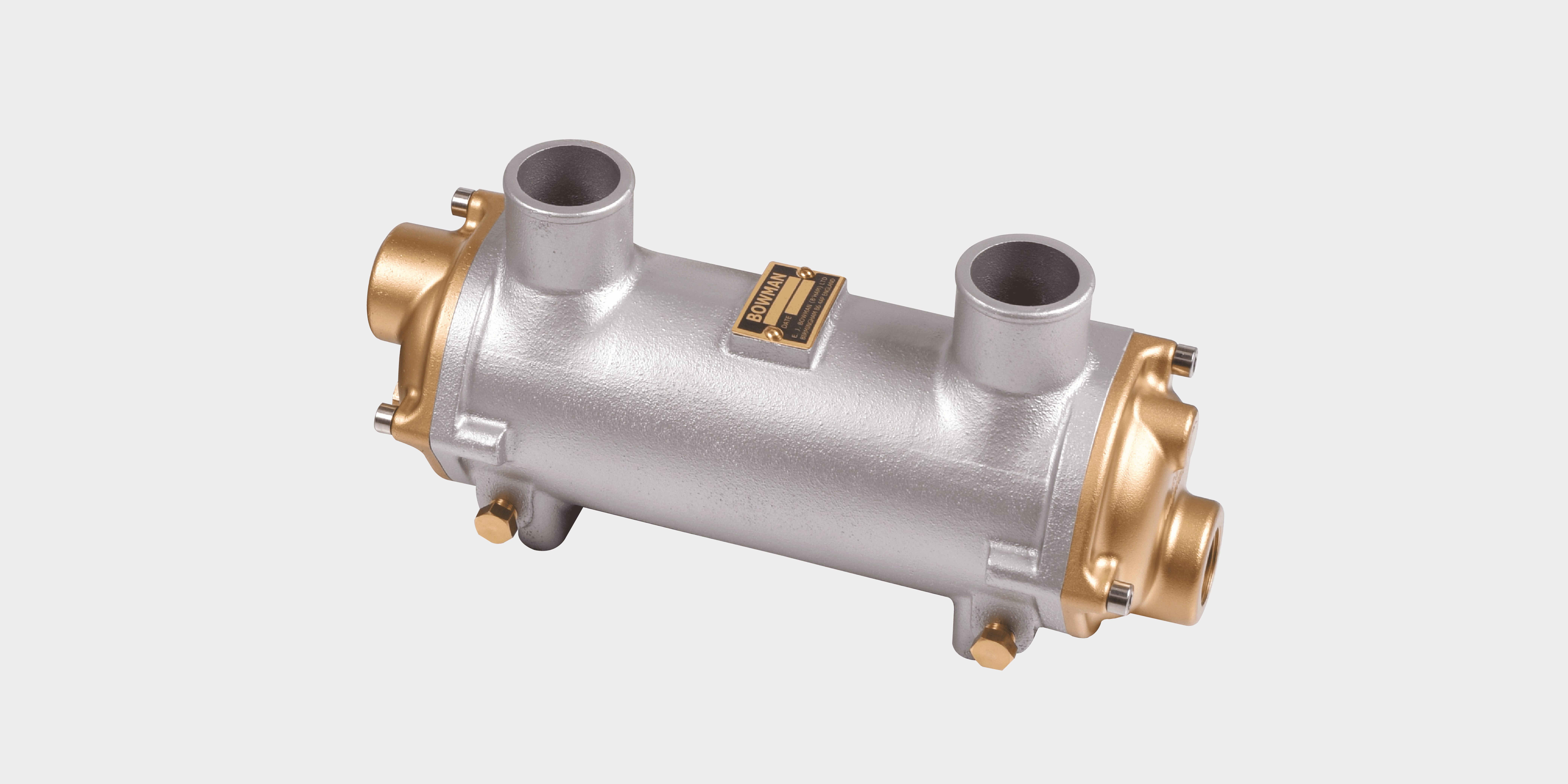
          Used to cool the hot, compressed air from the turbo before it reaches the engine, the intercoolers improve engine efficiency and reduce emissions for marine and land-based stationary engines.
      • Exhaust Gas Heat Exchangers
        • Exhaust Gas Heat Exchangers

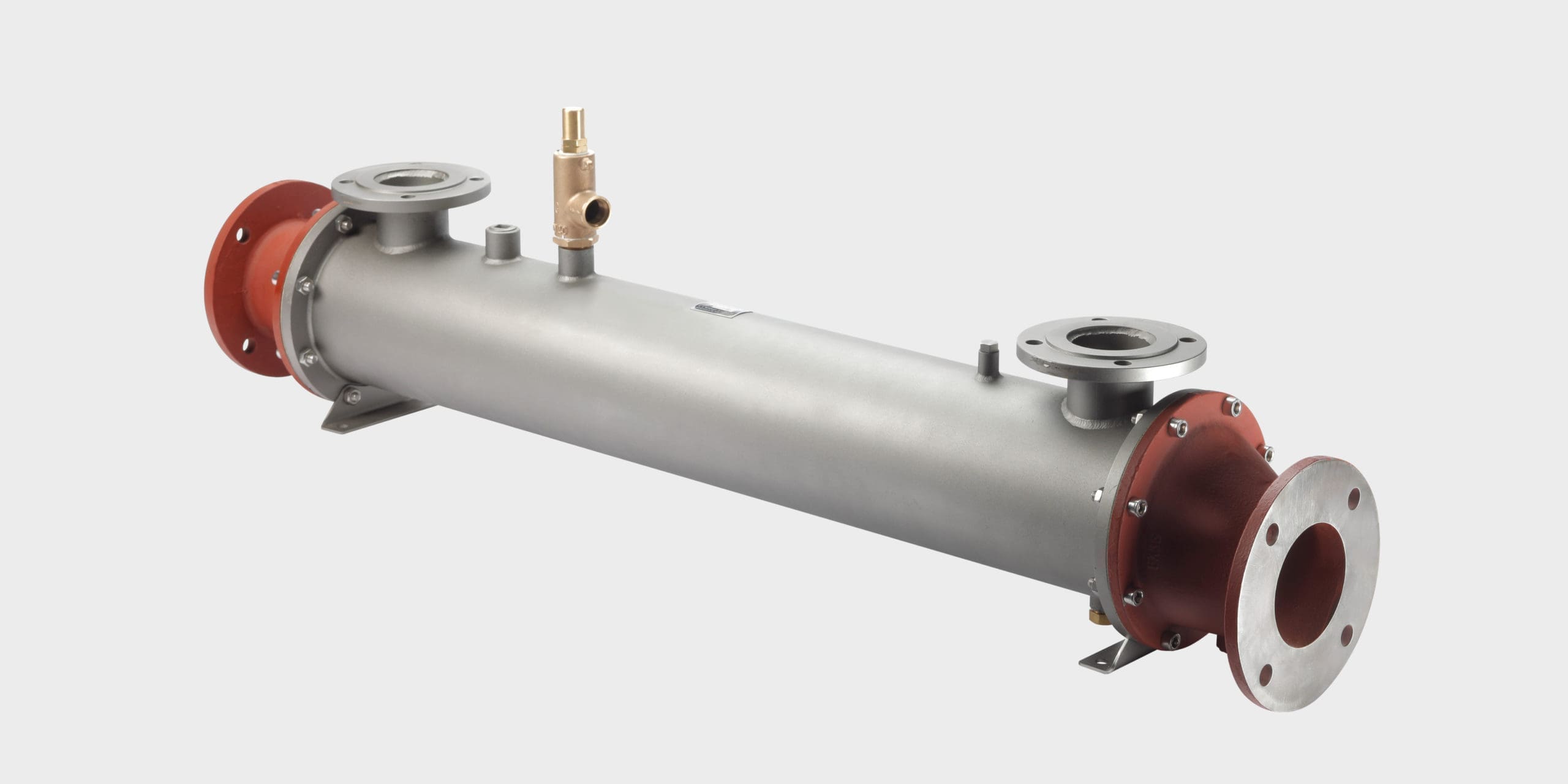
          Exhaust gas heat exchangers are designed to recover waste heat energy from the exhaust stream of reciprocating engine powered generating sets.
      • Fuel Coolers
        • Fuel Coolers

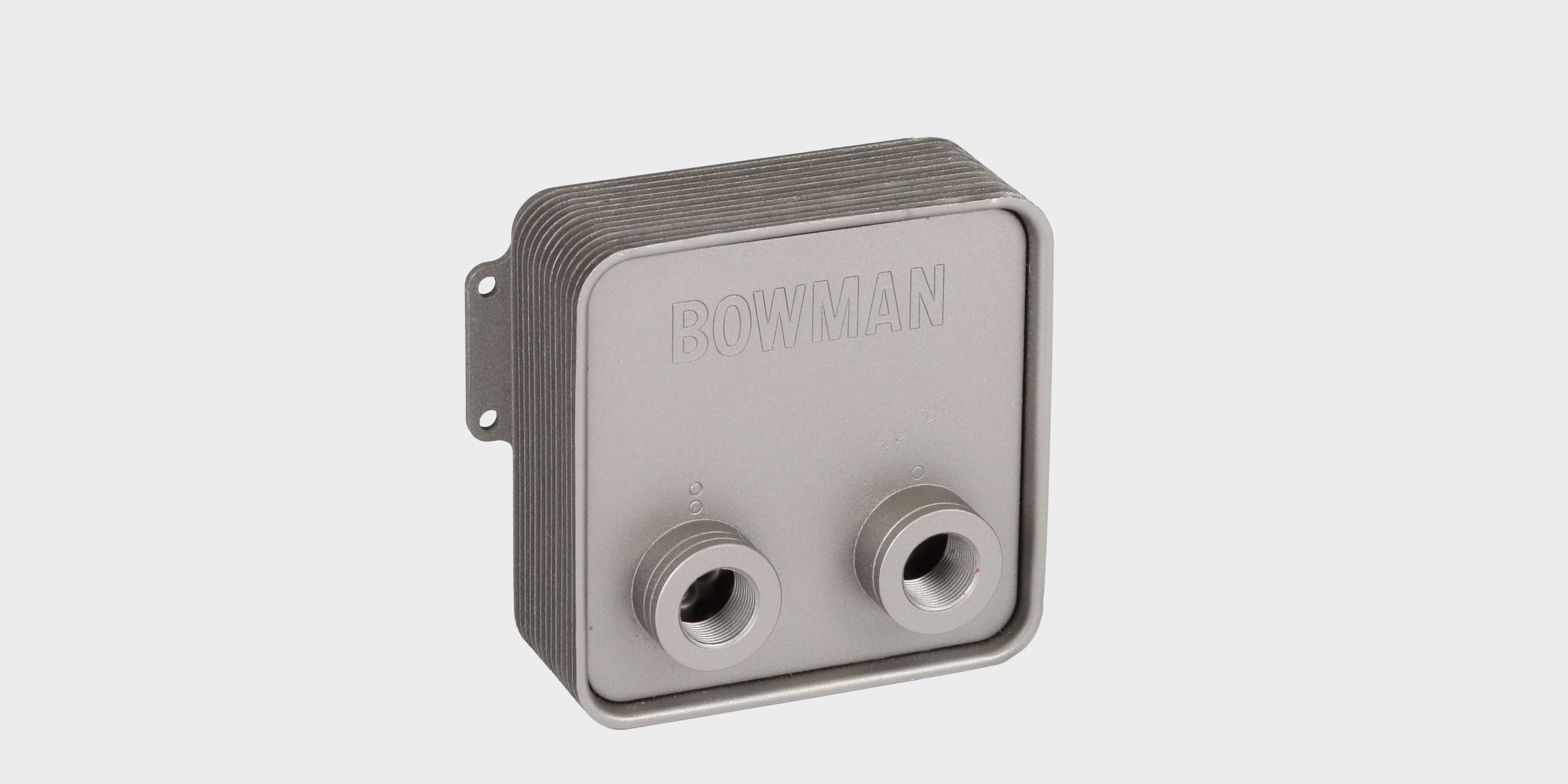
          Bowman 'copper free' fuel coolers are compact, highly efficient heat exchangers suitable for fuel conditioning rigs in the automotive testing industry.
      • Header Tank Heat Exchangers
        • Header Tank Heat Exchangers

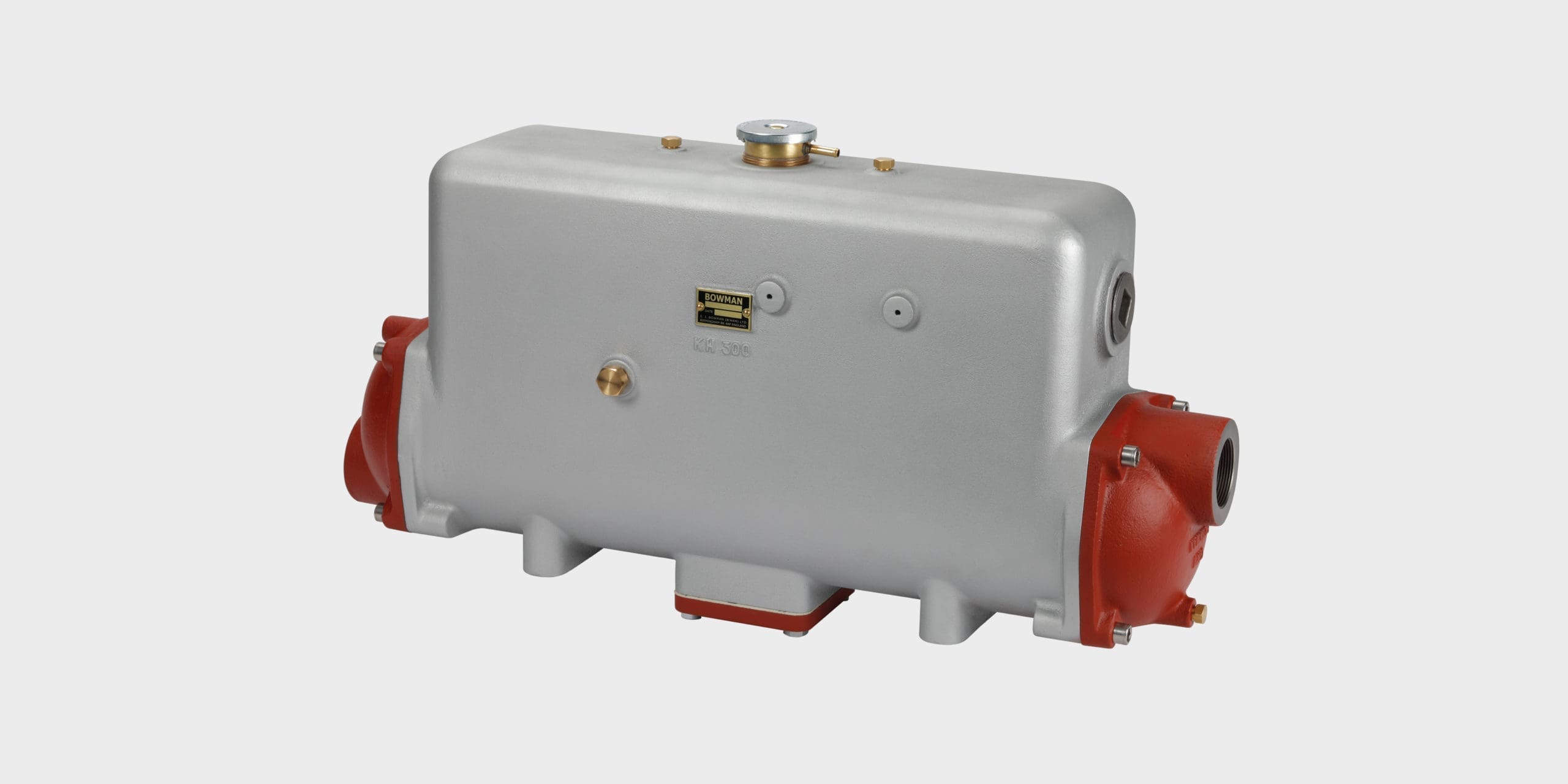
          Engine coolant header tank heat exchangers for marine propulsion, gensets or stationary land-based engines.
      • Hot Tub Heat Exchangers
        • Hot Tub Heat Exchangers

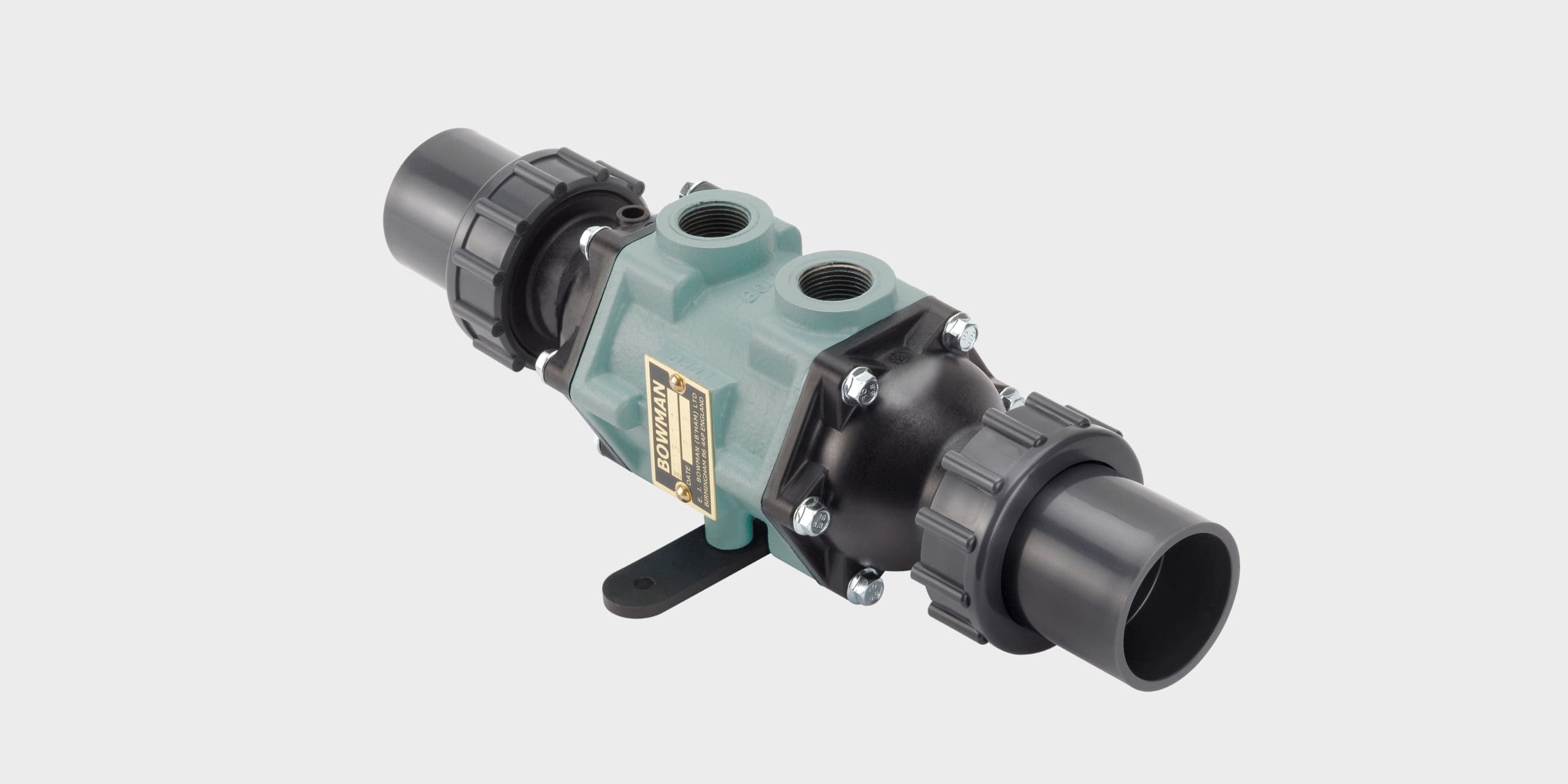
          Bowman EC 80-5113-1T heat exchangers provide a new solution for heating spas and hot tubs in just a fraction of the time taken by traditional electric heaters.
      • Hydraulic Oil Coolers
        • Hydraulic Oil Coolers

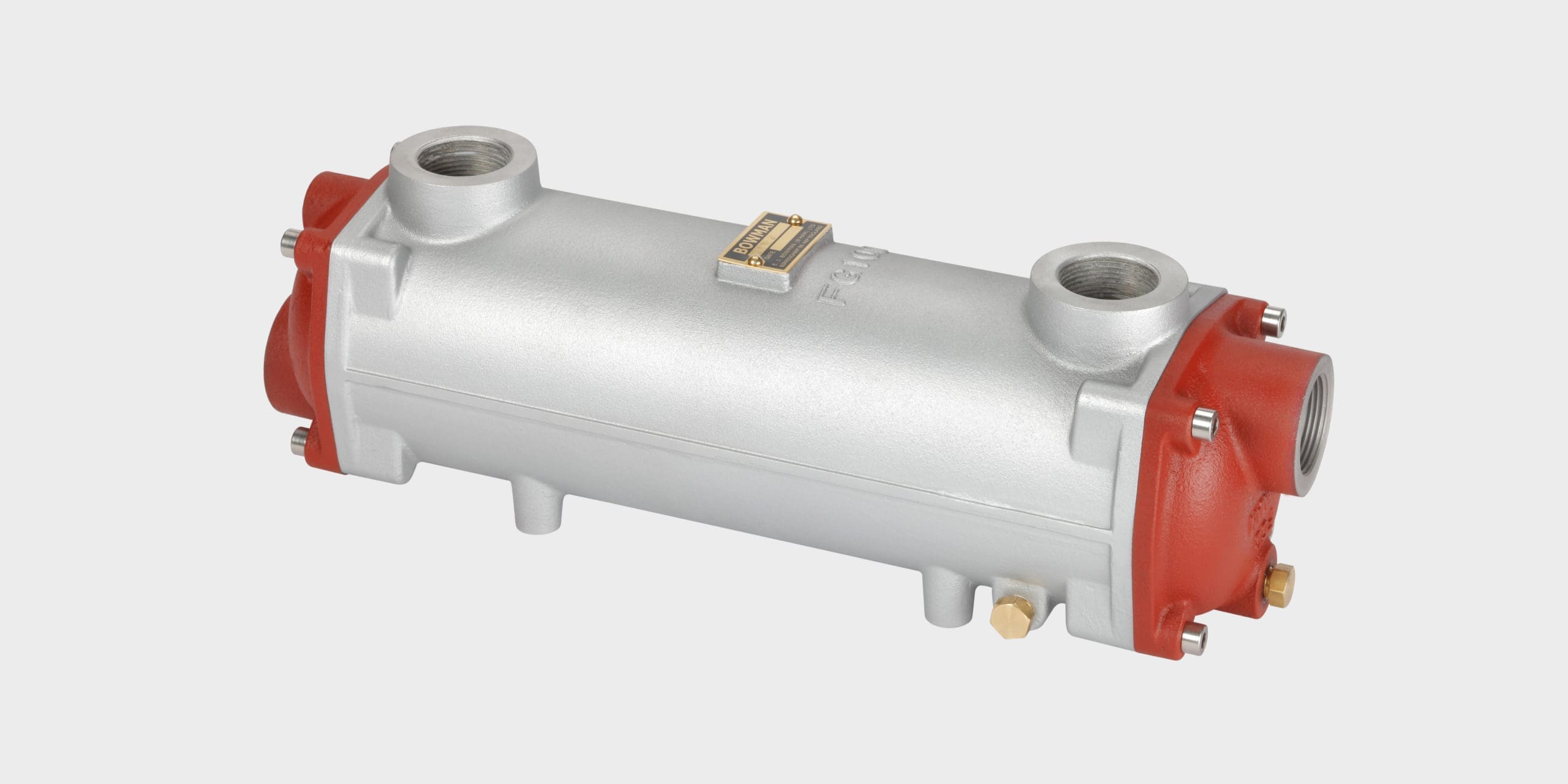
          Highly efficient heat transfer solutions for cooling marine, land-based and underground hydraulic systems.

      • Inline Plate Type Heat Exchangers
        • Inline Plate Type Heat Exchangers

          Bowman inline plate heat exchangers are a compact, economical solution for high efficiency heat transfer.

      • Marine Engine Coolers
        • Marine Engine Coolers

          Bespoke cooling solutions for a range of popular marine engines from major OEMs, including coolant heat exchangers, charge air coolers, plus combined heat exchangers and exhaust manifolds, suitable for cooling marine engines up to 1 MW.
      • Marine Transmission Oil Coolers
        • Marine Transmission Oil Coolers

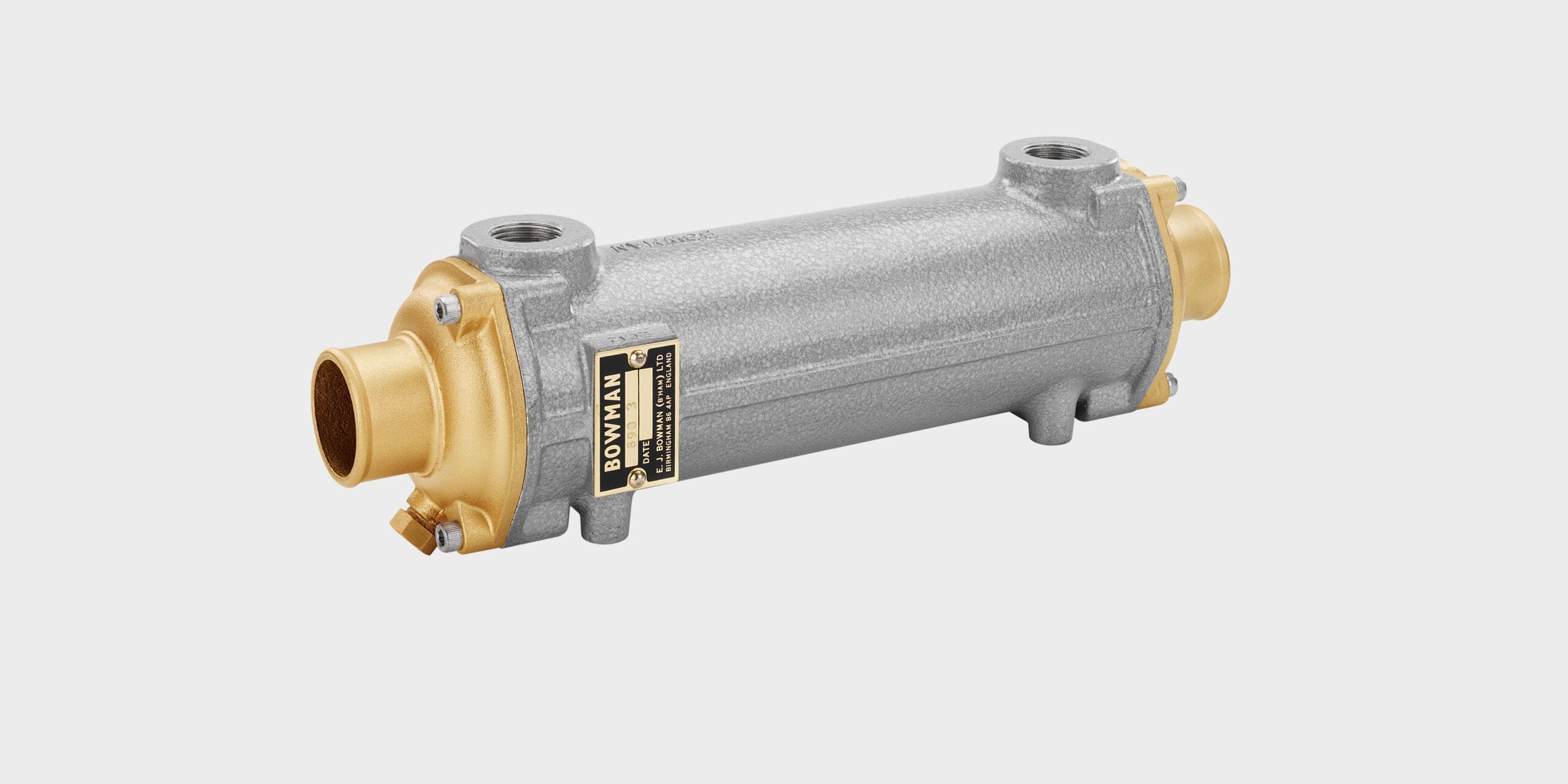
          Bowman has a range of highly efficient oil coolers designed for marine and industrial engines and transmissions.
      • Electric and Hybrid Coolers
        • Electric and Hybrid Coolers

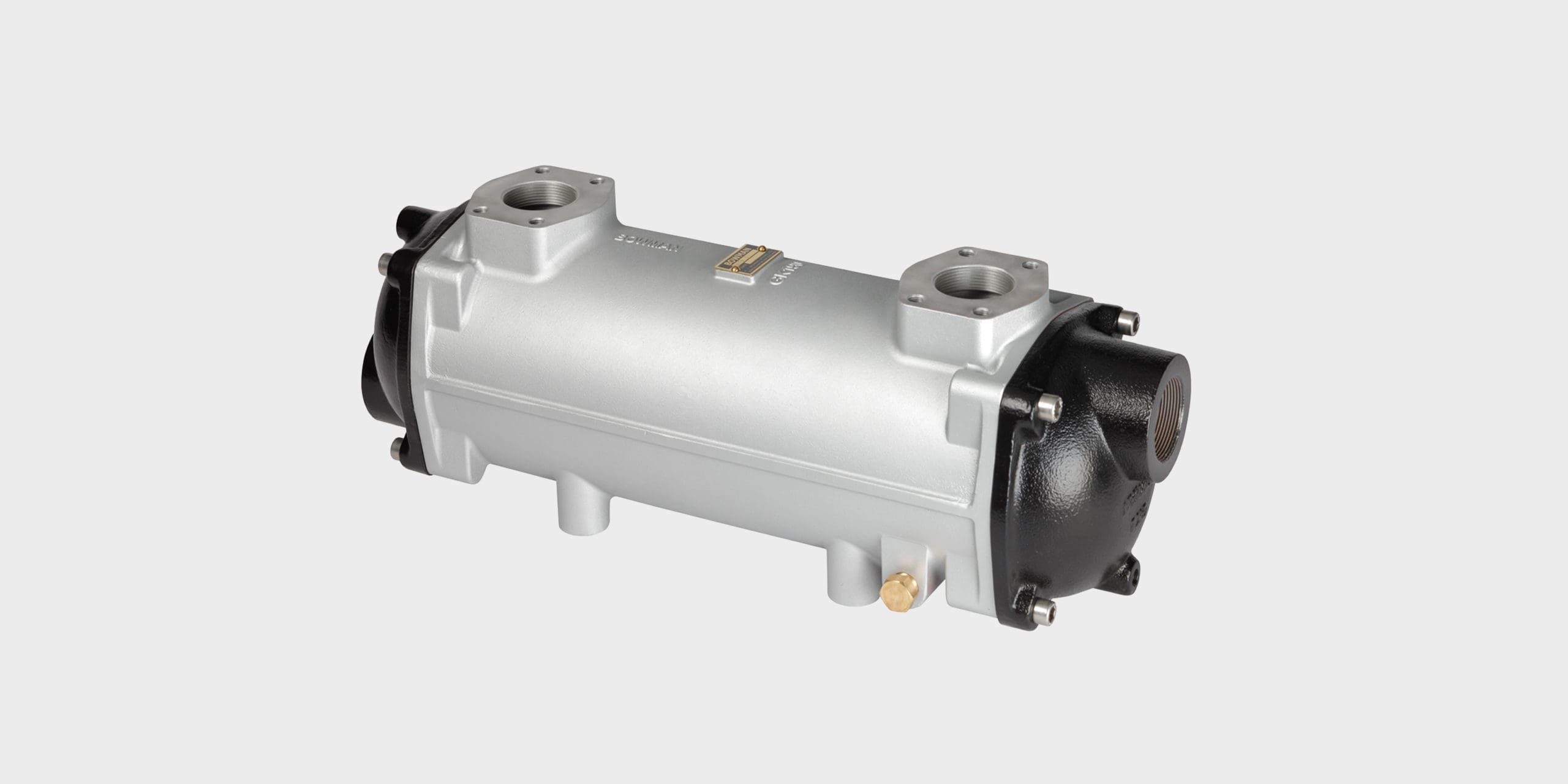
          Efficient heat exchangers for cooling electric marine motors, hydrogen fuel cells, battery packs, chargers, AC-DC converters, DC-DC converters, inverters and associated equipment for electric and hybrid marine propulsion and charging systems.
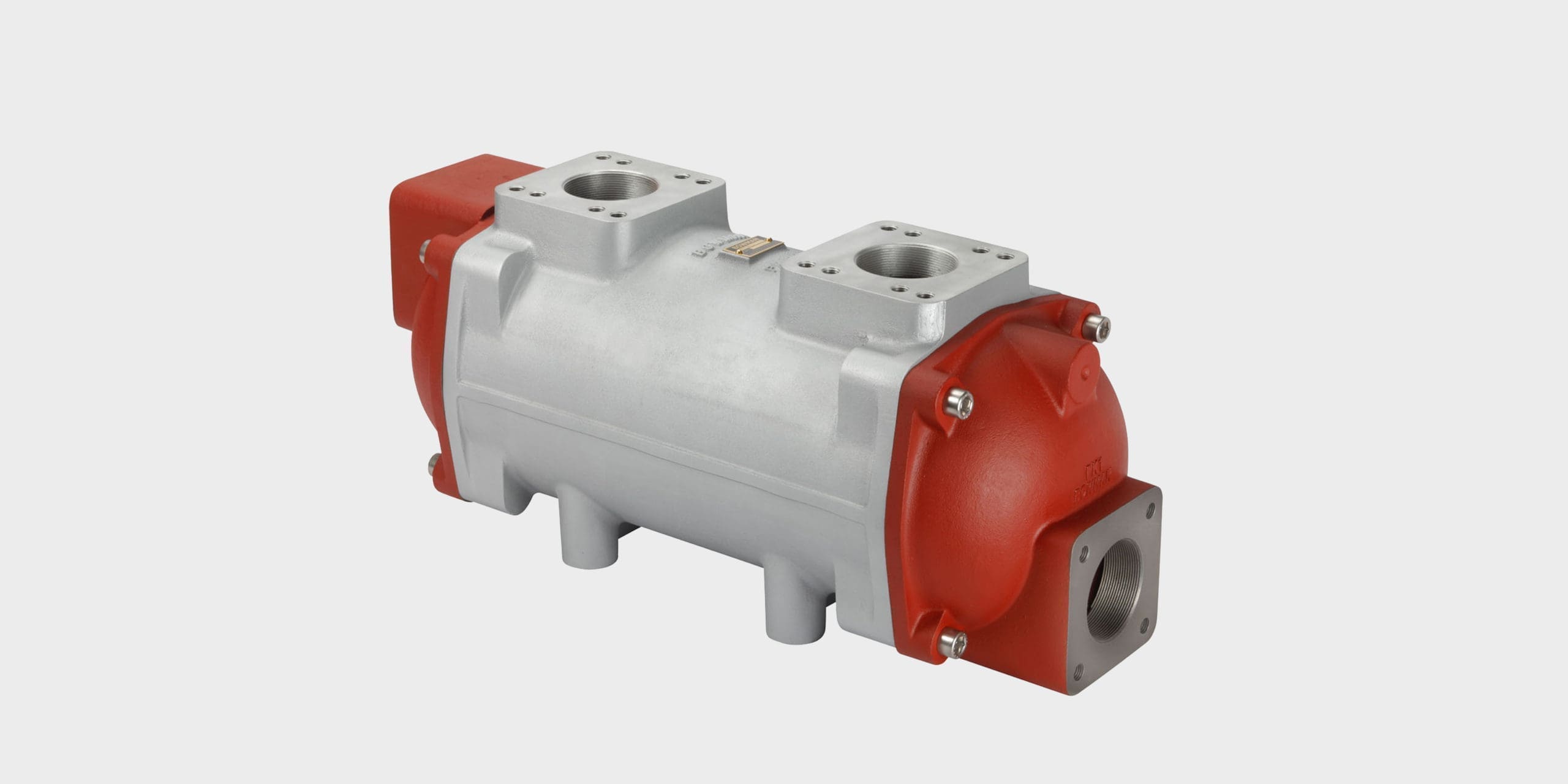
      • Shell and Tube Heat Exchangers
        • Shell and Tube Heat Exchangers

          Highly efficient heat transfer solutions for cooling a variety of applications where air and fluids need to be cooled by fluids.
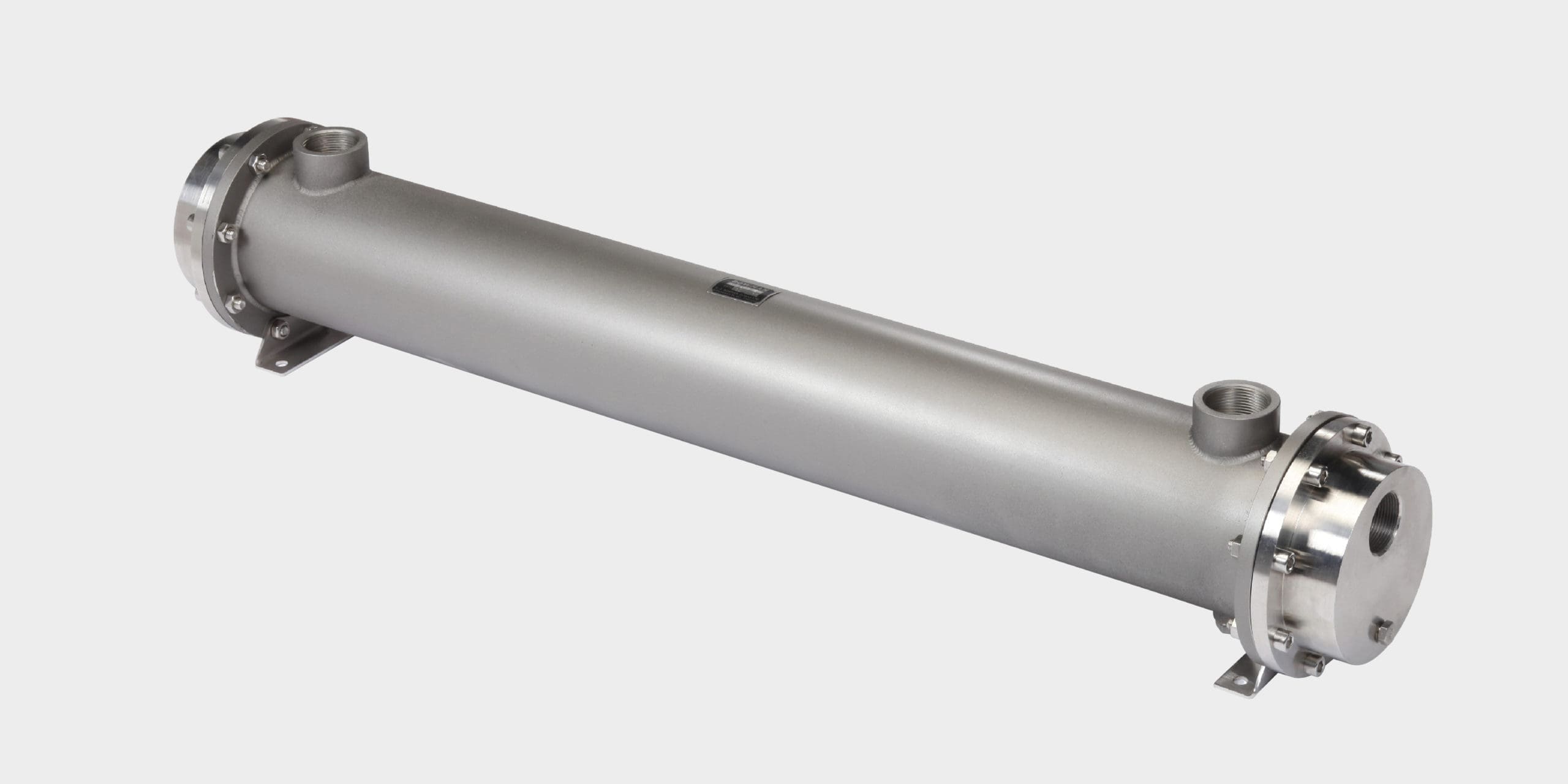
      • Stainless Steel Heat Exchangers
        • Stainless Steel Heat Exchangers

          Many applications require stainless steel shell and tube heat exchangers and Bowman provide a standard range of units that are suitable for cooling or heating a variety of fluids.
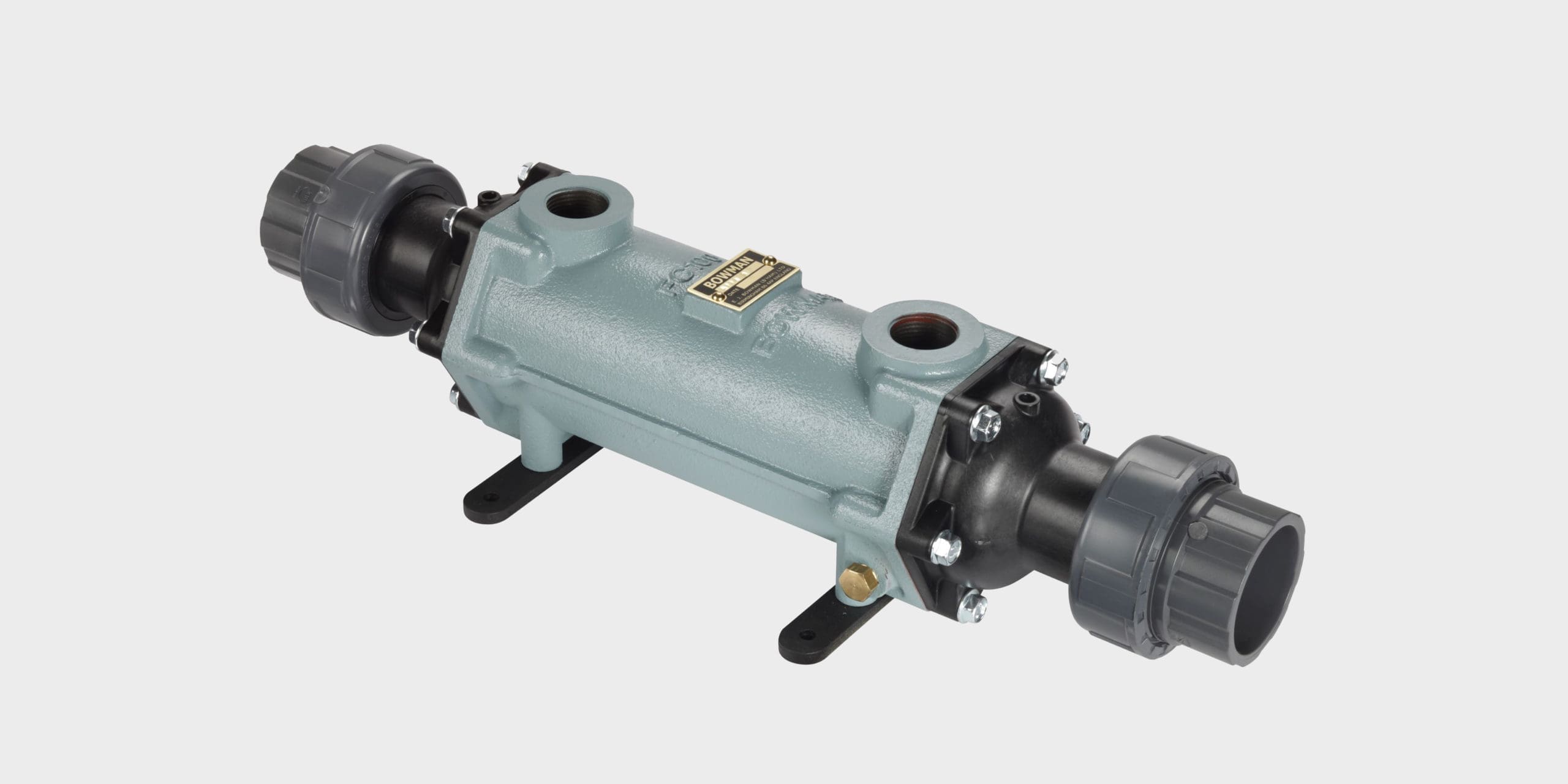
      • Swimming Pool Heat Exchangers
        • Swimming Pool Heat Exchangers

          Bowman swimming pool heat exchangers are renowned for reliability and efficiency. Whether heating your pool with a traditional boiler or a renewable energy source, Bowman is the obvious choice.

    • All Applications

      • Automotive Testing
        • Automotive Testing

          Premium quality heat exchangers and oil coolers for precise temperature control of engines under test cell development conditions.

      • CHP / Co-Generation
        • CHP / Co-Generation

          Recovering waste heat energy from engine powered generating sets for biogas, diesel and natural gas applications up to 1 MW.
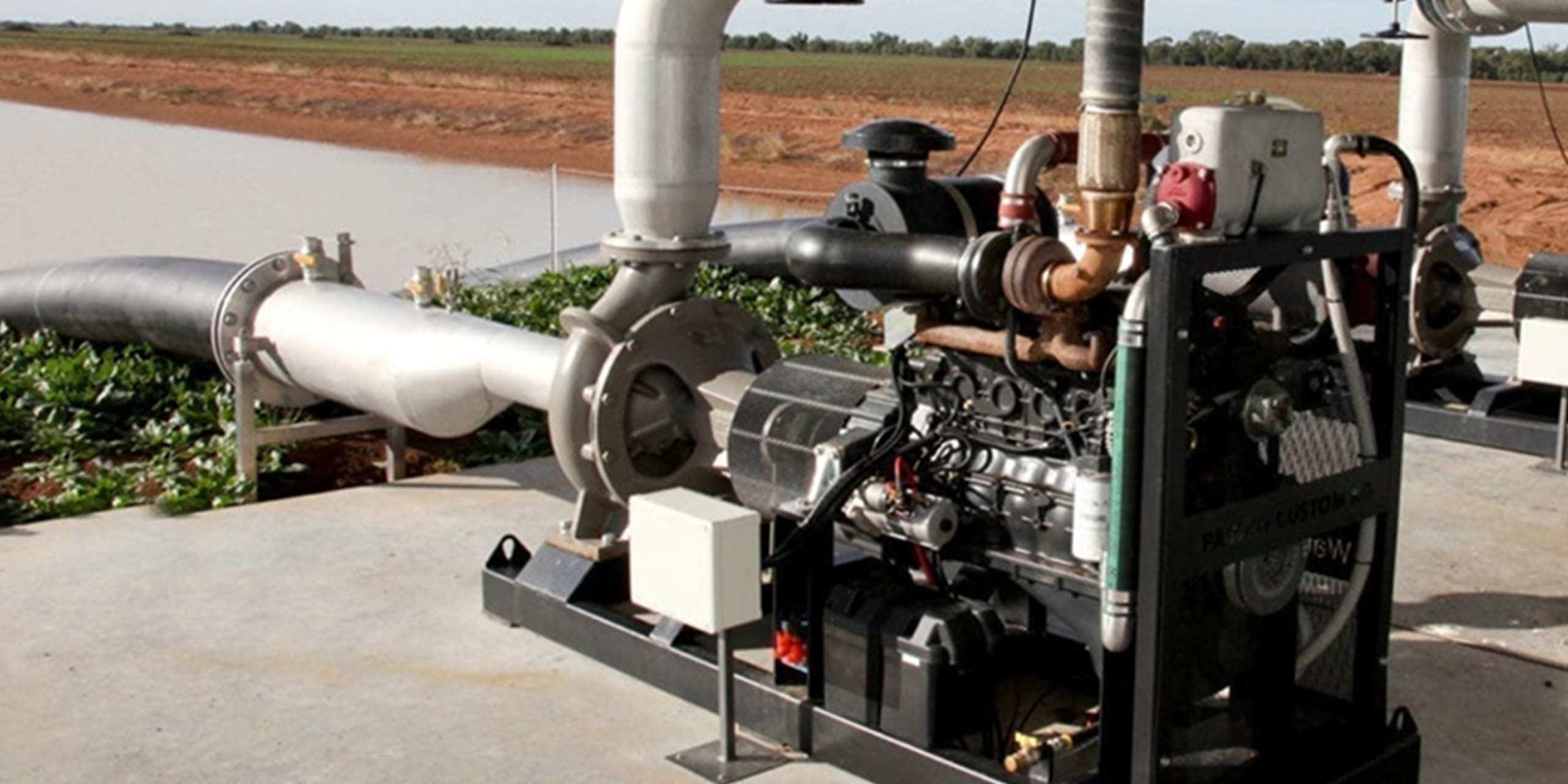
      • Engine Cooling Solutions
        • Engine Cooling Solutions

          Efficient cooling for stationary / land-based engines where air cooling is either unavailable or inappropriate.
      • Electric & Hybrid Marine
        • Electric & Hybrid Marine

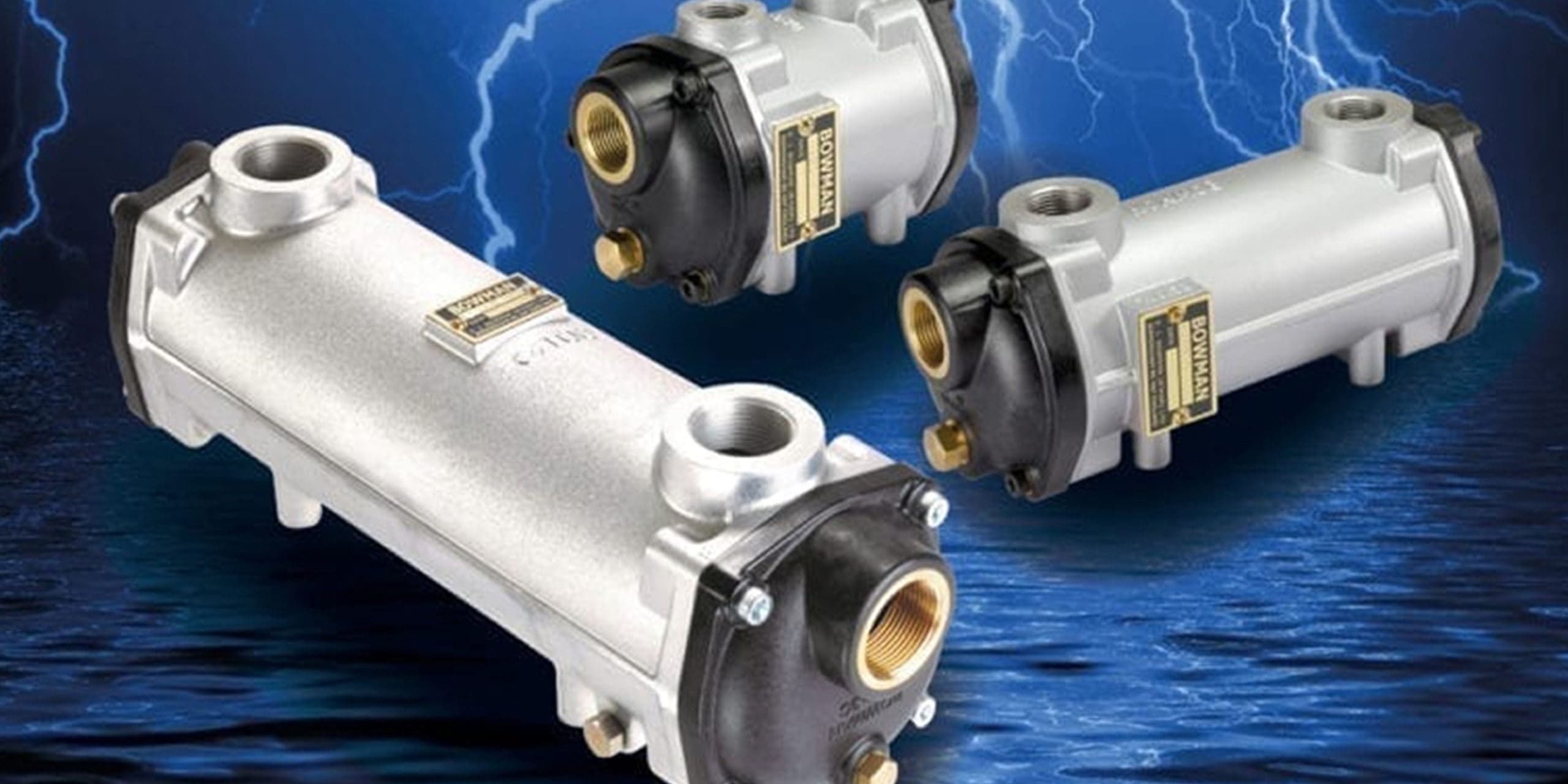
          The reliable solution for cooling Electric & Hybrid Marine Propulsion Systems.
      • Industrial Hydraulics
        • Industrial Hydraulics

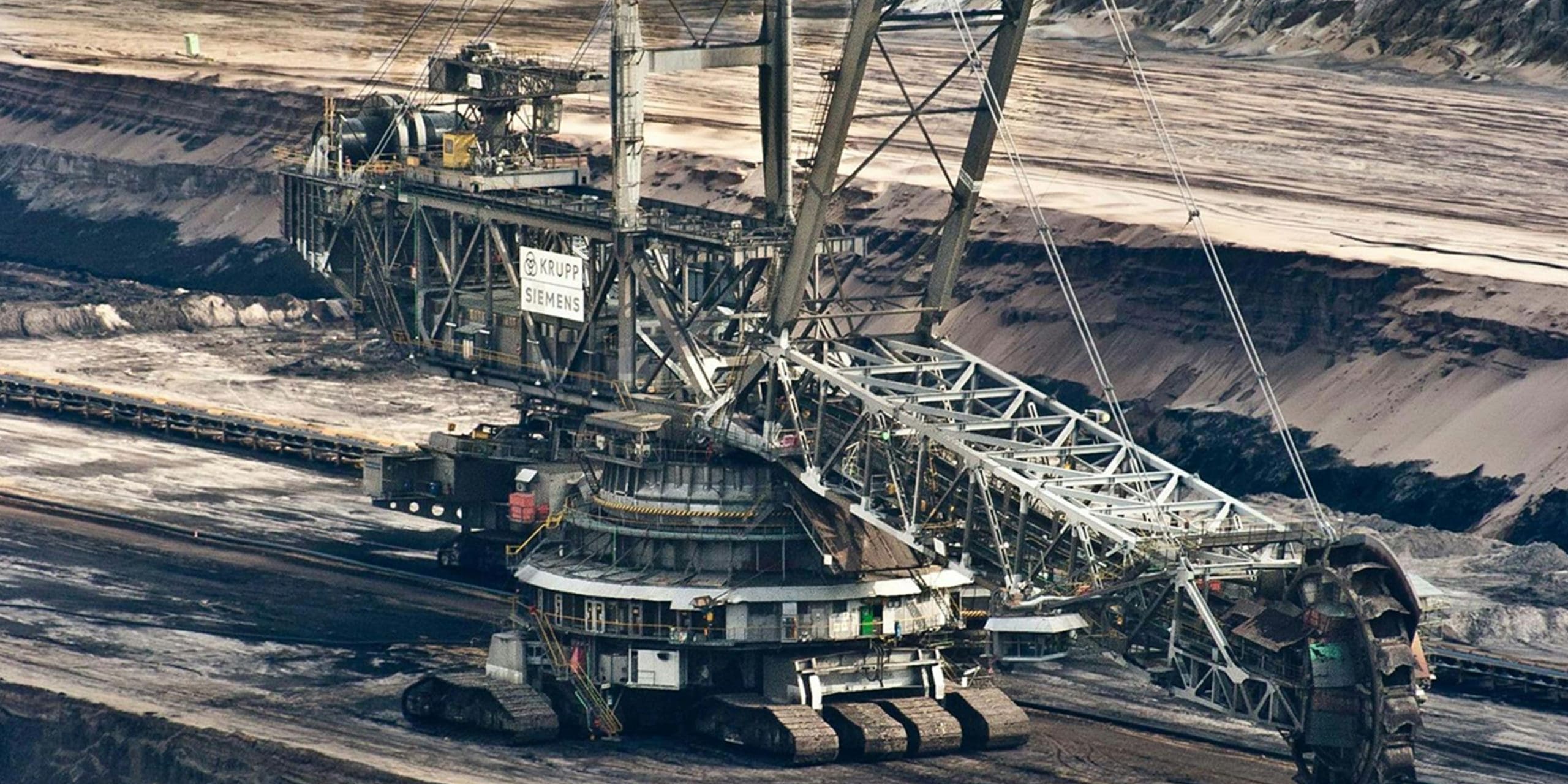
          A comprehensive oil cooling solution for industrial hydraulic control systems, plus high temperature and mining applications.
      • Marine Hydraulics
        • Marine Hydraulics

          A complete solution for cooling complex on-board hydraulic equipment, including thruster and stabiliser systems.

      • Marine Propulsion
        • Marine Propulsion

          The complete cooling solution for marine engine propulsion, including the latest electric and hybrid systems.
      • Hot Tubs / Spas
        • Hot Tubs / Spas

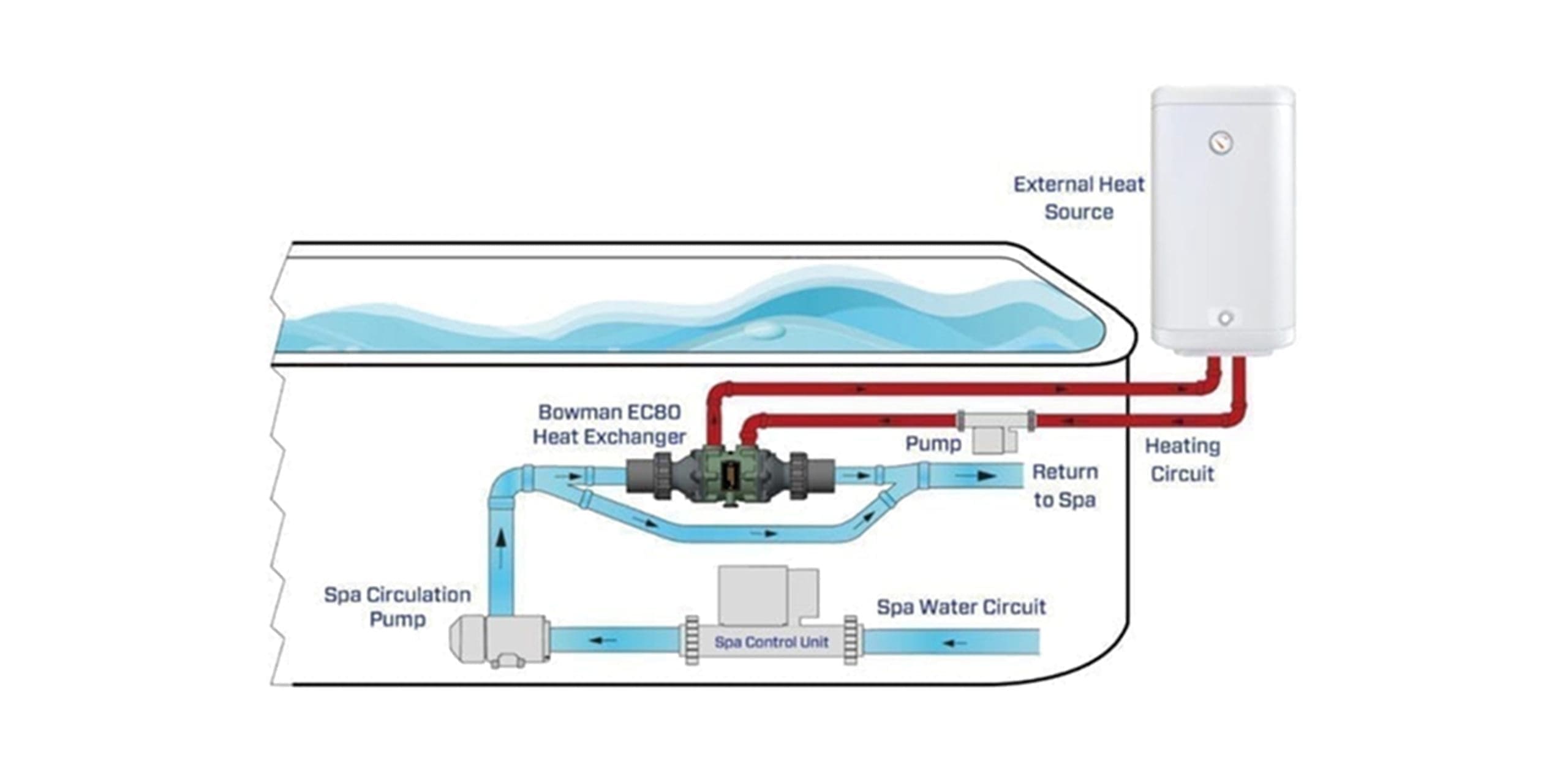
          An energy efficient solution for heating hot tubs and swim spas faster, significantly reducing heat-up time for guest change-over periods.

      • Swimming Pool
        • Swimming Pool

          Quality heat exchangers for efficient swimming pool heating, using boiler or renewable energy heat sources.

  • Distributors
  • News
  • Knowledge Centre
  • Downloads
  • About Us
  • Contact Us

Exhaust Gas Heat Exchangers – The Great Pressure Drop Myth!

Adding a heat exchanger to a gen-set’s engine exhaust stream not only recovers valuable heat energy, it can also help to reduce pressure drop!

There’s a commonly held theory that adding an exhaust gas heat exchanger (EGHE) to an engine powered generating set is detrimental to its performance.

The theory is based on the fact that pressure drop of between 8-10 kPa is often experienced in an exhaust system, taking into account the length of pipework (straight sections, plus elbows and bellows), plus the silencer itself and that by adding an EGHE, the pressure drop will increase still further.

So, for installations, where recovering waste heat would be a benefit, end users often lose out on this valuable ‘free’ energy source, simply due to a misunderstanding of the way an EGHE operates!

Adding any component into an exhaust system creates the potential for greater pressure drop, so how can an EGHE be the exception to this rule?

The fact is an EGHE reduces pressure drop due to the exhaust gases being cooled by the unit!

Cooler exhaust gas has a higher density, which results in a lower velocity for the same mass flow rate.

As pressure drop is directly proportional to the square of the velocity, a reduction in velocity will result in a lower pressure drop through the system.

To illustrate this, Bowman has performed fluid dynamics calculations based around their 6-40 exhaust gas heat exchanger, installed into a 6” diameter exhaust system, complete with a silencer geared for a noise sensitive installation.

In this programme, the exhaust temperature is reduced from 600 °C to 170 °C and the calculation shows a pressure drop improvement of 5% on the overall system (not including pipework), which typically has a maximum limit of 8-10 kPa.

Bowman exhaust gas heat exchangers are designed to ensure pressure drop remains under 2 kPa on engines rated from 16 kW to 950 kW.

For example, on a 140 kW engine, recovering around 100 kW of heat energy, the pressure drop is around 1.9 kPa, virtually the same as for a 950 kW engine recovering over 650 kW of exhaust heat energy!

In a world where there is growing pressure to improve energy efficiency, recovering waste heat is a relatively straightforward way of increasing an engine powered gen-set’s efficiency – typically from around 30% (power only) to around 80% (combined heat & power).

That heat energy can be used for a wide range of commercial or industrial uses, including district heating and hot water, process heating, or even generating more power!

Bowman have a range of exhaust gas heat exchangers, suitable for engines rated from 16 kW to 950 kW, offering heat recovery from 9.5 kW to 673 kW. All are built to high-quality standards to offer high performance and durability in a compact design, easily integrated into most gen-sets.

Additionally, the company also has a computer-based selection programme, so can recommend the most appropriate heat exchanger for the application, or operating conditions.

For more information on Bowman exhaust gas heat exchangers, call the technical sales team on +44 (0)121 359 5401, or email [email protected].

Share

Exhaust Gas Heat Exchangers – The Great Pressure Drop Myth!

Adding a heat exchanger to a gen-set's engine exhaust stream not only recovers valuable heat energy, it can also help to reduce pressure drop!
Adding a heat exchanger to a gen-set’s engine exhaust stream not only recovers valuable heat energy, it can also help to reduce pressure drop! There’s a commonly held theory that adding an exhaust gas heat exchanger (EGHE) to an engine powered generating set is detrimental to its performance. The theory is based on the fact that pressure drop of between 8-10 kPa is often experienced in an exhaust system, taking into account the length of pipework (straight sections, plus elbows and bellows), plus the silencer itself and that by adding an EGHE, the pressure drop will increase still further.

Adding a heat exchanger to a gen-set’s engine exhaust stream not only recovers valuable heat energy, it can also help to reduce pressure drop!

There’s a commonly held theory that adding an exhaust gas heat exchanger (EGHE) to an engine powered generating set is detrimental to its performance.

The theory is based on the fact that pressure drop of between 8-10 kPa is often experienced in an exhaust system, taking into account the length of pipework (straight sections, plus elbows and bellows), plus the silencer itself and that by adding an EGHE, the pressure drop will increase still further.

So, for installations, where recovering waste heat would be a benefit, end users often lose out on this valuable ‘free’ energy source, simply due to a misunderstanding of the way an EGHE operates!

Adding any component into an exhaust system creates the potential for greater pressure drop, so how can an EGHE be the exception to this rule?

The fact is an EGHE reduces pressure drop due to the exhaust gases being cooled by the unit!

Cooler exhaust gas has a higher density, which results in a lower velocity for the same mass flow rate.

As pressure drop is directly proportional to the square of the velocity, a reduction in velocity will result in a lower pressure drop through the system.

To illustrate this, Bowman has performed fluid dynamics calculations based around their 6-40 exhaust gas heat exchanger, installed into a 6” diameter exhaust system, complete with a silencer geared for a noise sensitive installation.

In this programme, the exhaust temperature is reduced from 600 °C to 170 °C and the calculation shows a pressure drop improvement of 5% on the overall system (not including pipework), which typically has a maximum limit of 8-10 kPa.

Bowman exhaust gas heat exchangers are designed to ensure pressure drop remains under 2 kPa on engines rated from 16 kW to 950 kW.

For example, on a 140 kW engine, recovering around 100 kW of heat energy, the pressure drop is around 1.9 kPa, virtually the same as for a 950 kW engine recovering over 650 kW of exhaust heat energy!

In a world where there is growing pressure to improve energy efficiency, recovering waste heat is a relatively straightforward way of increasing an engine powered gen-set’s efficiency – typically from around 30% (power only) to around 80% (combined heat & power).

That heat energy can be used for a wide range of commercial or industrial uses, including district heating and hot water, process heating, or even generating more power!

Bowman have a range of exhaust gas heat exchangers, suitable for engines rated from 16 kW to 950 kW, offering heat recovery from 9.5 kW to 673 kW. All are built to high-quality standards to offer high performance and durability in a compact design, easily integrated into most gen-sets.

Additionally, the company also has a computer-based selection programme, so can recommend the most appropriate heat exchanger for the application, or operating conditions.

For more information on Bowman exhaust gas heat exchangers, call the technical sales team on +44 (0)121 359 5401, or email [email protected].

More News from EJ Bowman

This site is registered on wpml.org as a development site. Switch to a production site key to remove this banner.