• All Products

      • Charge Air Coolers
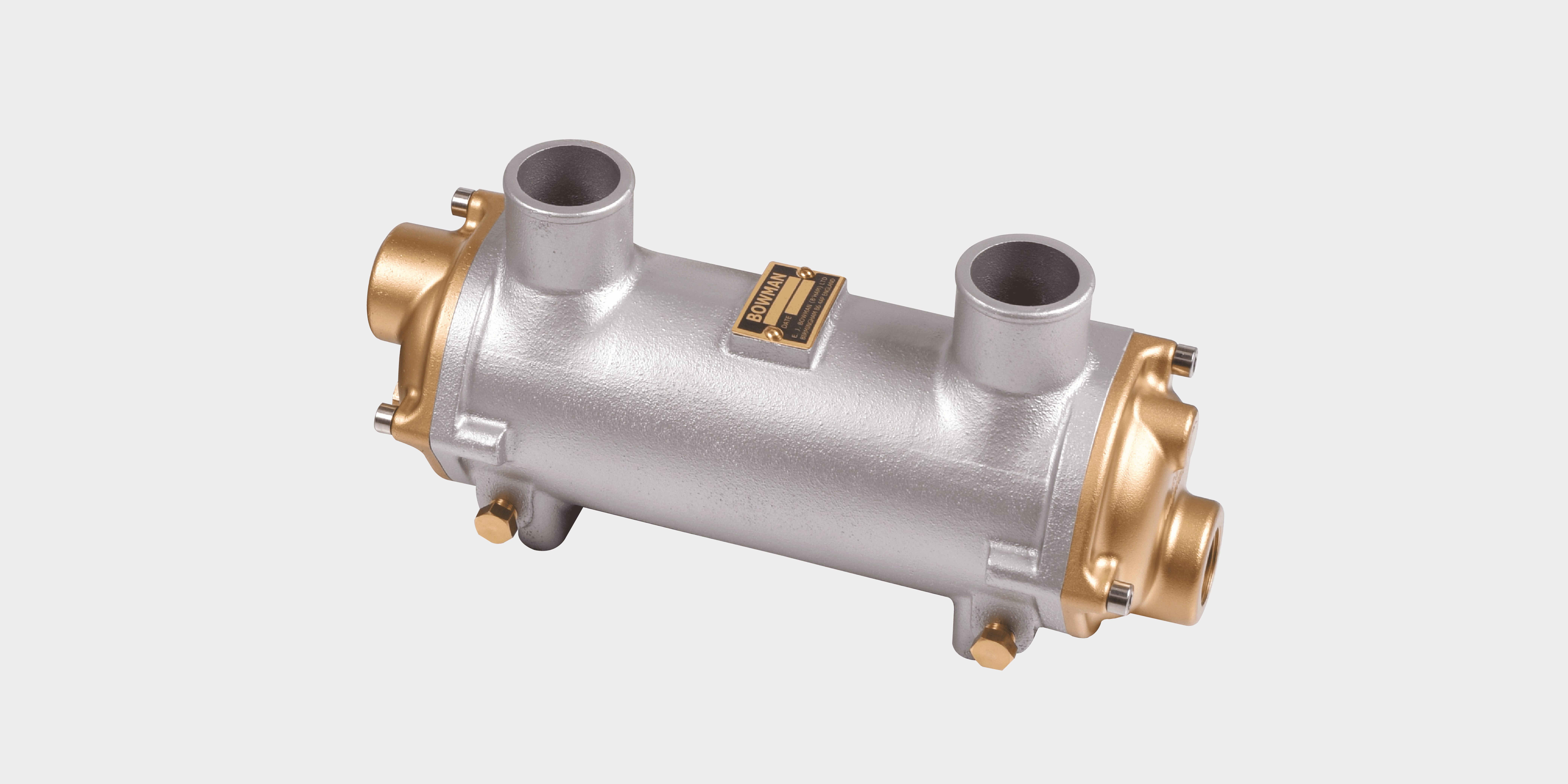
        • Charge Air Coolers

          Used to cool the hot, compressed air from the turbo before it reaches the engine, the intercoolers improve engine efficiency and reduce emissions for marine and land-based stationary engines.
      • Exhaust Gas Heat Exchangers
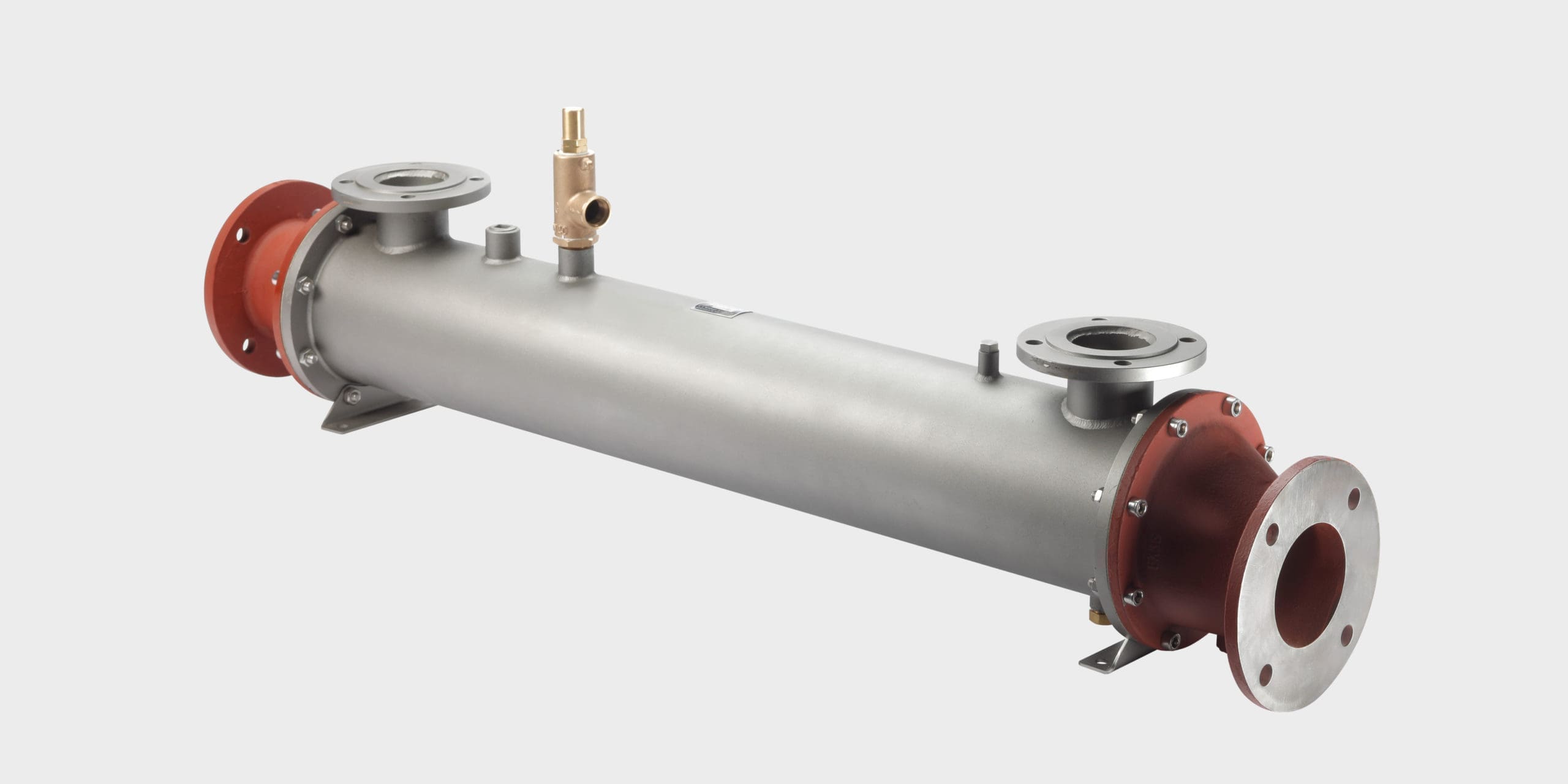
        • Exhaust Gas Heat Exchangers

          Exhaust gas heat exchangers are designed to recover waste heat energy from the exhaust stream of reciprocating engine powered generating sets.
      • Fuel Coolers
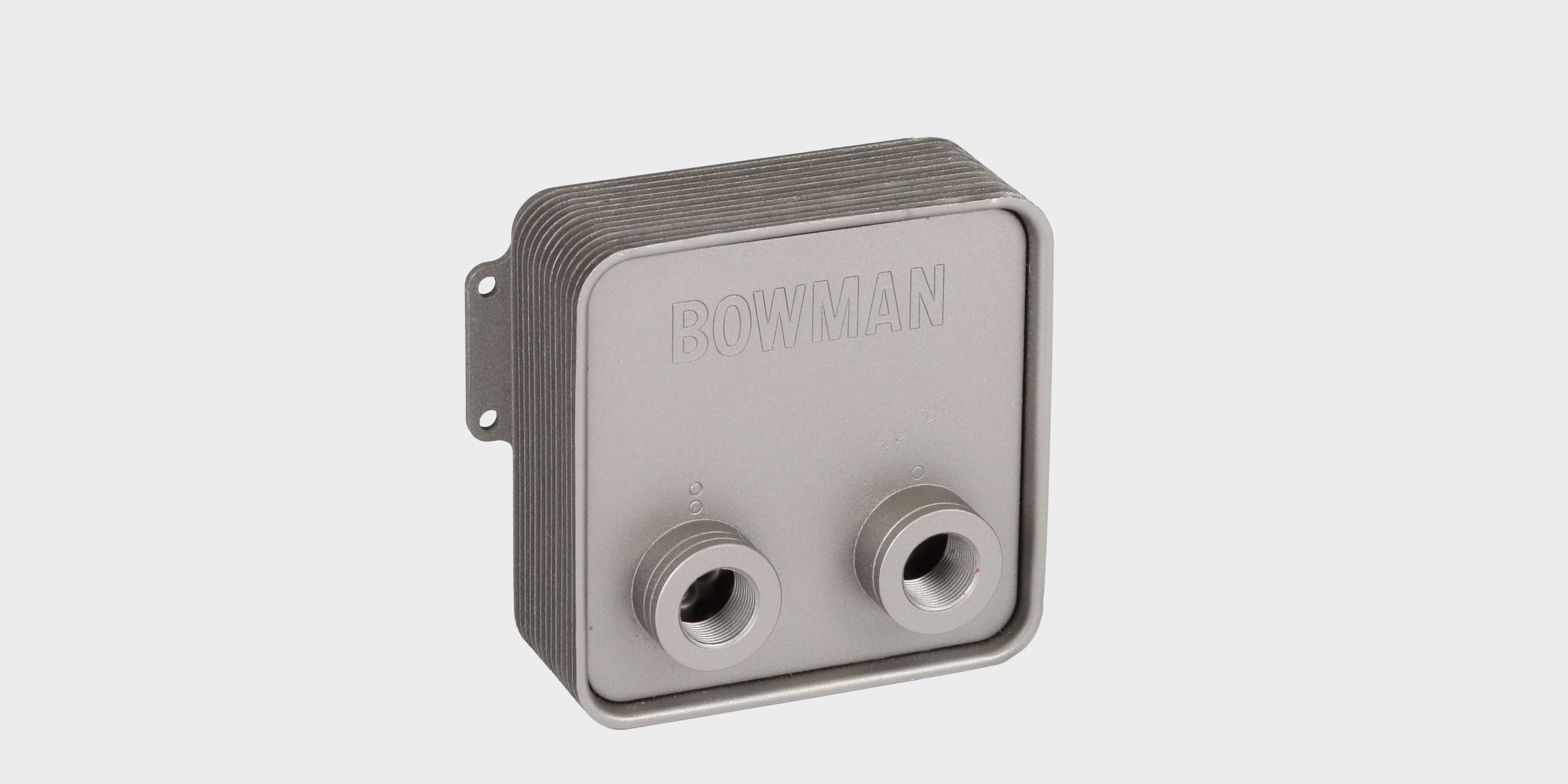
        • Fuel Coolers

          Bowman 'copper free' fuel coolers are compact, highly efficient heat exchangers suitable for fuel conditioning rigs in the automotive testing industry.
      • Header Tank Heat Exchangers
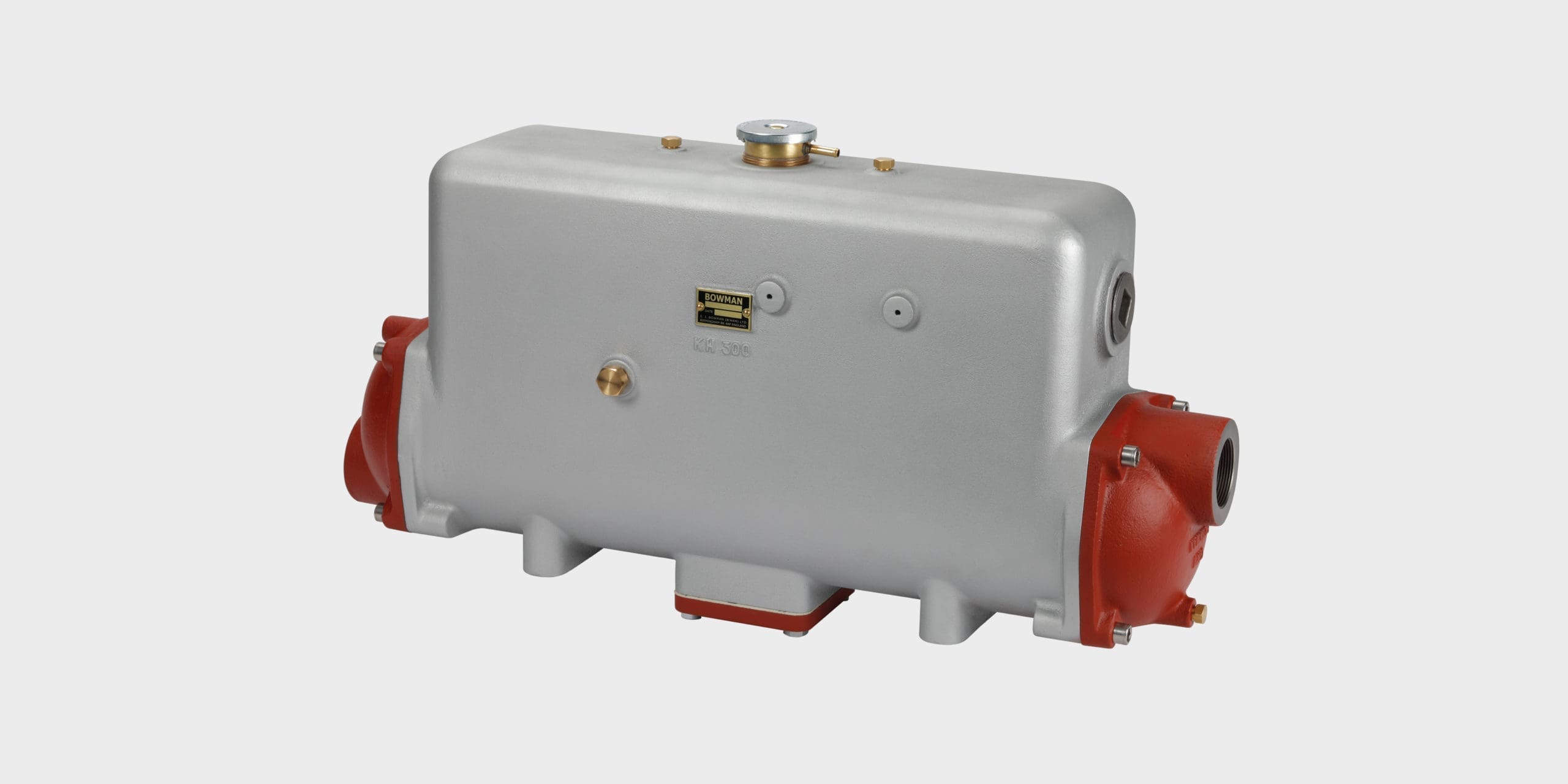
        • Header Tank Heat Exchangers

          Engine coolant header tank heat exchangers for marine propulsion, gensets or stationary land-based engines.
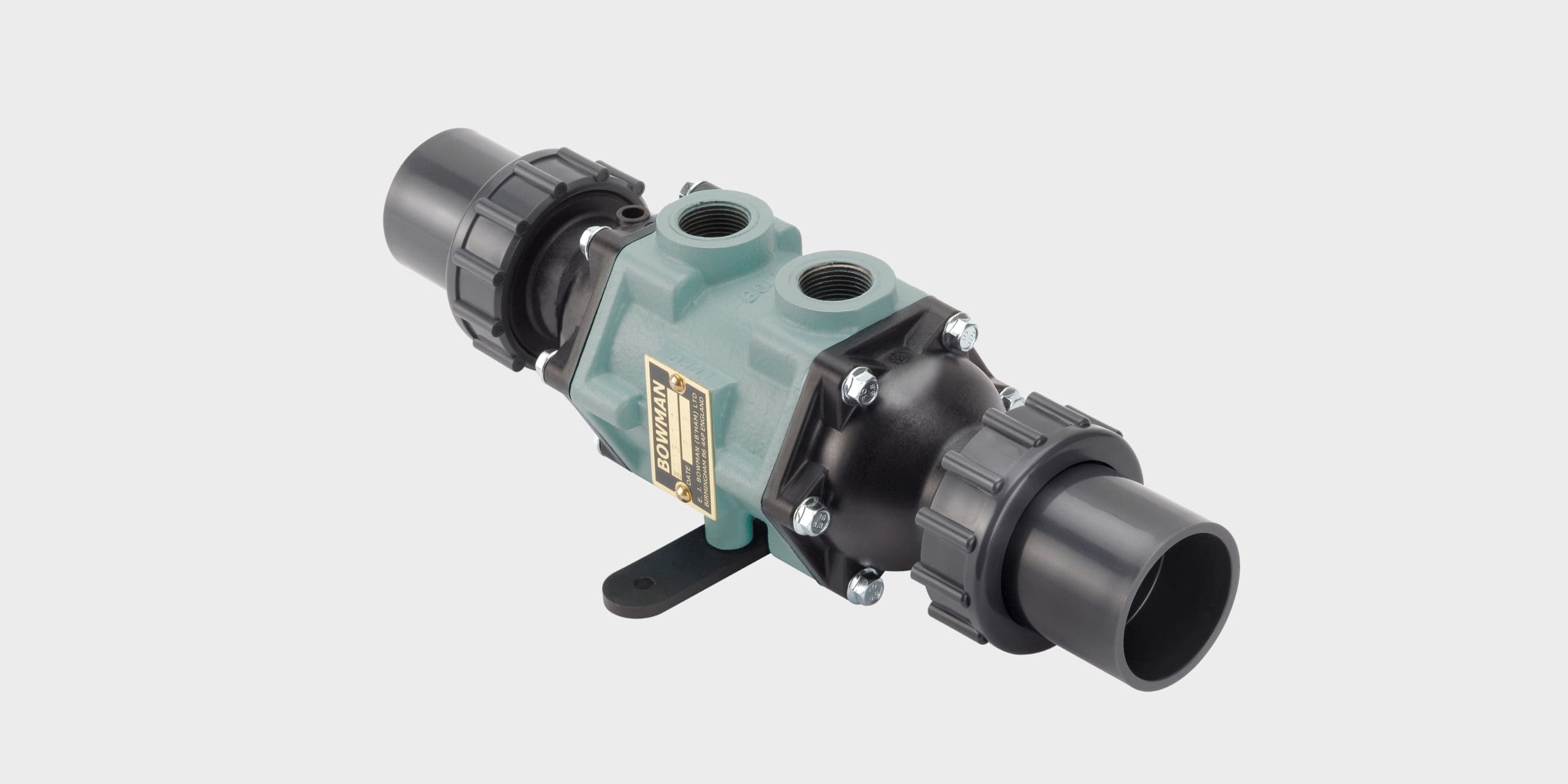
      • Hot Tub Heat Exchangers
        • Hot Tub Heat Exchangers

          Bowman EC 80-5113-1T heat exchangers provide a new solution for heating spas and hot tubs in just a fraction of the time taken by traditional electric heaters.
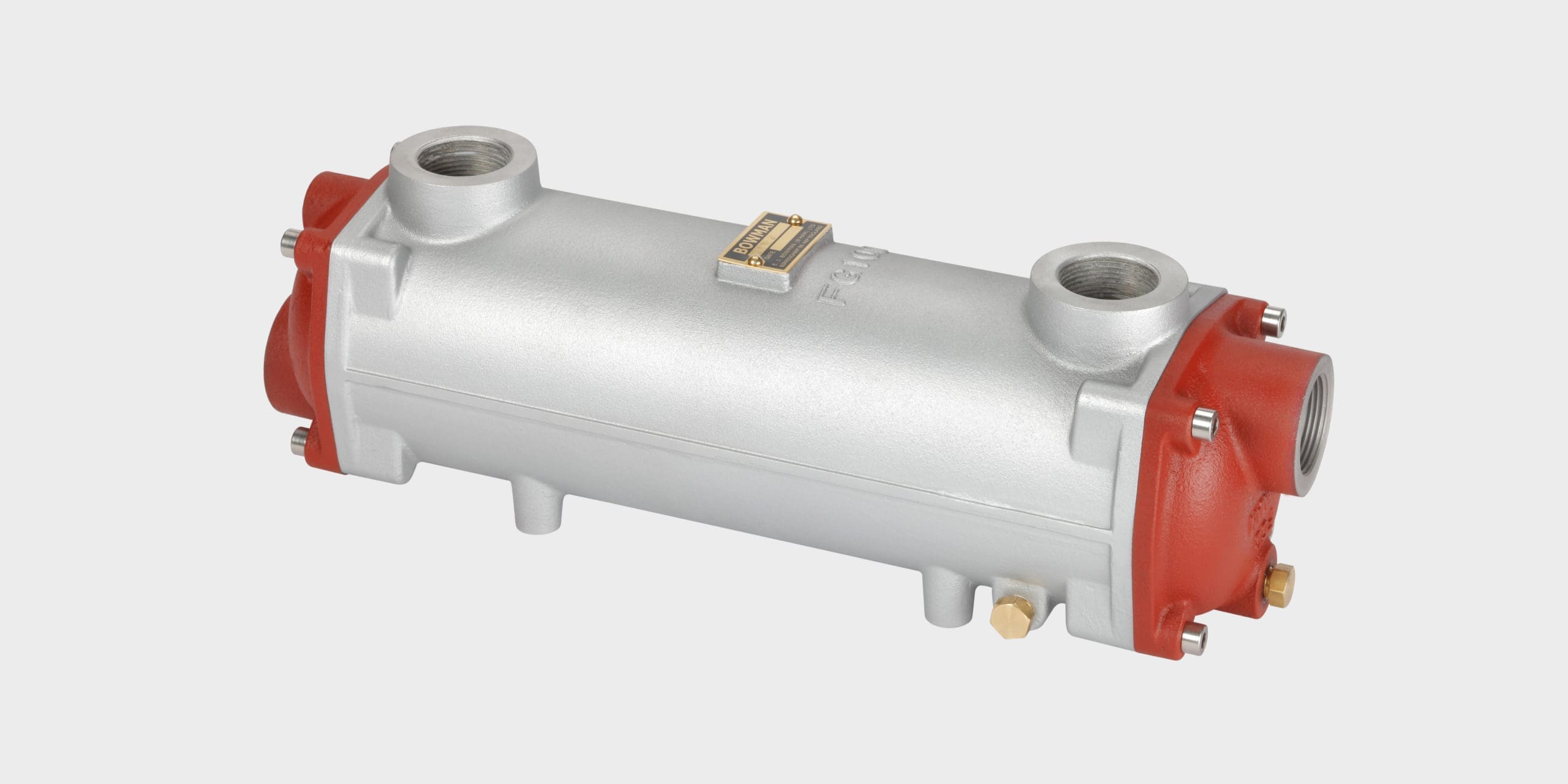
      • Hydraulic Oil Coolers
        • Hydraulic Oil Coolers

          Highly efficient heat transfer solutions for cooling marine, land-based and underground hydraulic systems.

      • Inline Plate Type Heat Exchangers
        • Inline Plate Type Heat Exchangers

          Bowman inline plate heat exchangers are a compact, economical solution for high efficiency heat transfer.

      • Marine Engine Coolers
        • Marine Engine Coolers

          Bespoke cooling solutions for a range of popular marine engines from major OEMs, including coolant heat exchangers, charge air coolers, plus combined heat exchangers and exhaust manifolds, suitable for cooling marine engines up to 1 MW.
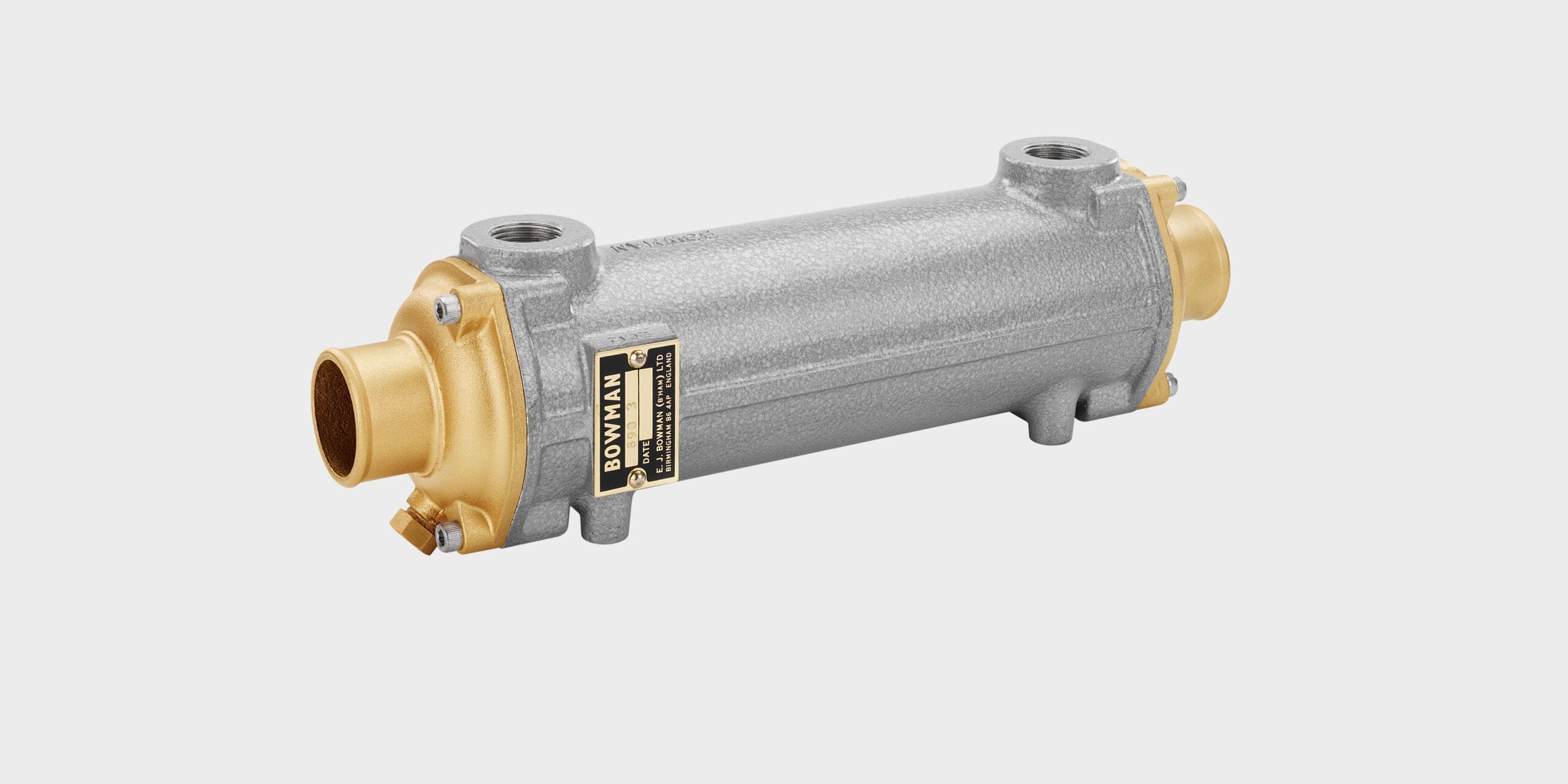
      • Marine Transmission Oil Coolers
        • Marine Transmission Oil Coolers

          Bowman has a range of highly efficient oil coolers designed for marine and industrial engines and transmissions.
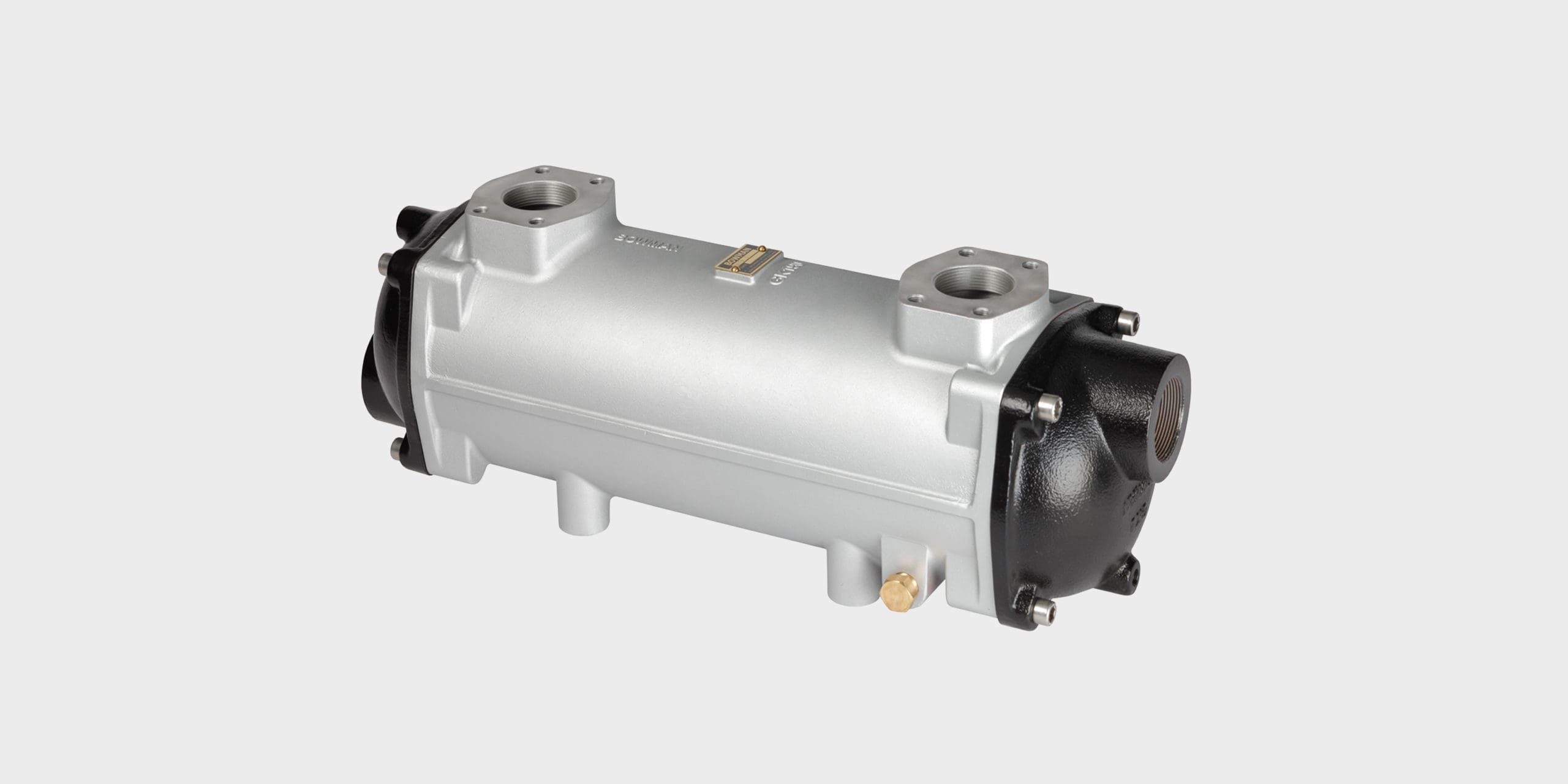
      • Electric and Hybrid Coolers
        • Electric and Hybrid Coolers

          Efficient heat exchangers for cooling electric marine motors, hydrogen fuel cells, battery packs, chargers, AC-DC converters, DC-DC converters, inverters and associated equipment for electric and hybrid marine propulsion and charging systems.
      • Shell and Tube Heat Exchangers
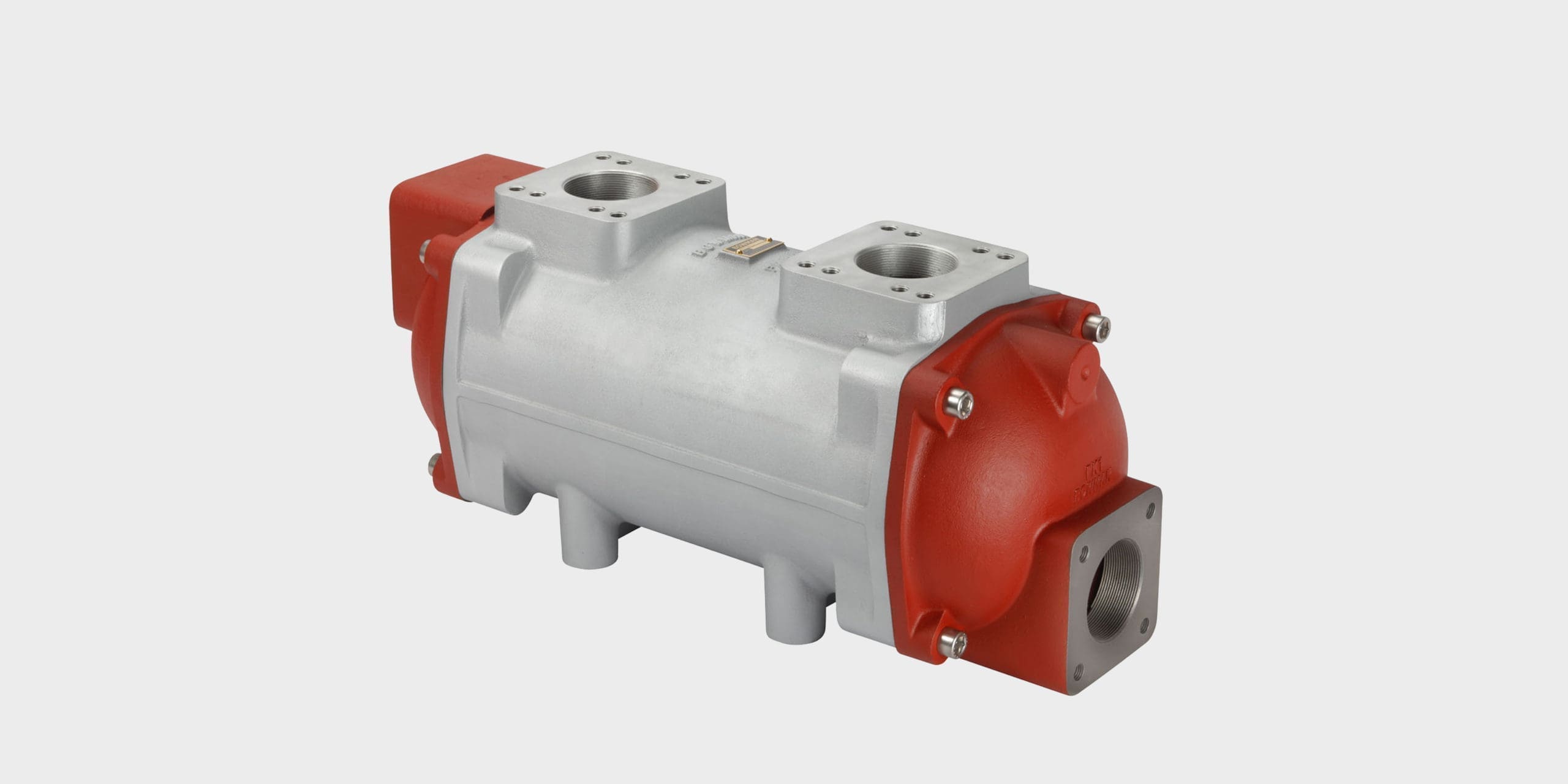
        • Shell and Tube Heat Exchangers

          Highly efficient heat transfer solutions for cooling a variety of applications where air and fluids need to be cooled by fluids.
      • Stainless Steel Heat Exchangers
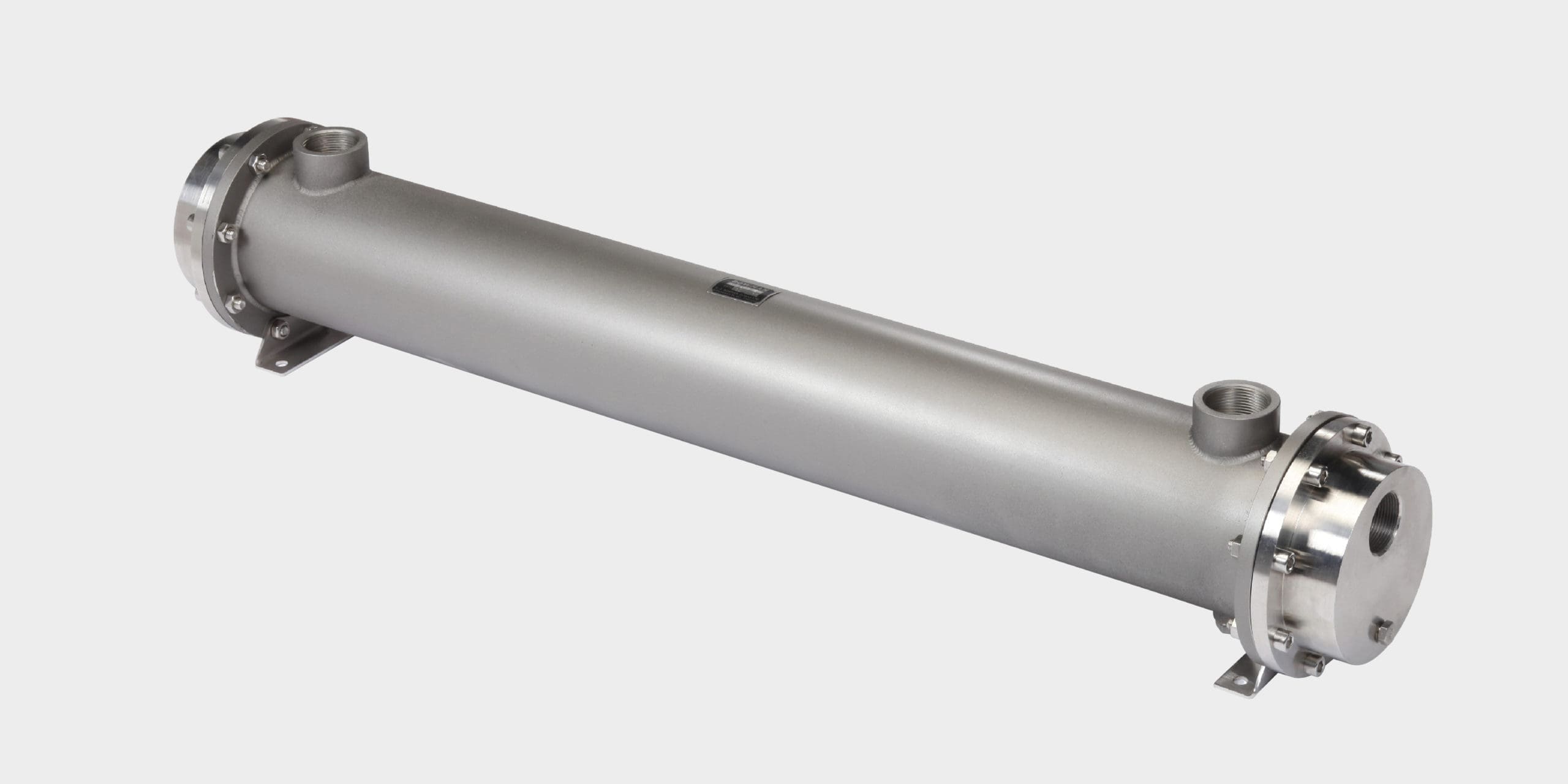
        • Stainless Steel Heat Exchangers

          Many applications require stainless steel shell and tube heat exchangers and Bowman provide a standard range of units that are suitable for cooling or heating a variety of fluids.
      • Swimming Pool Heat Exchangers
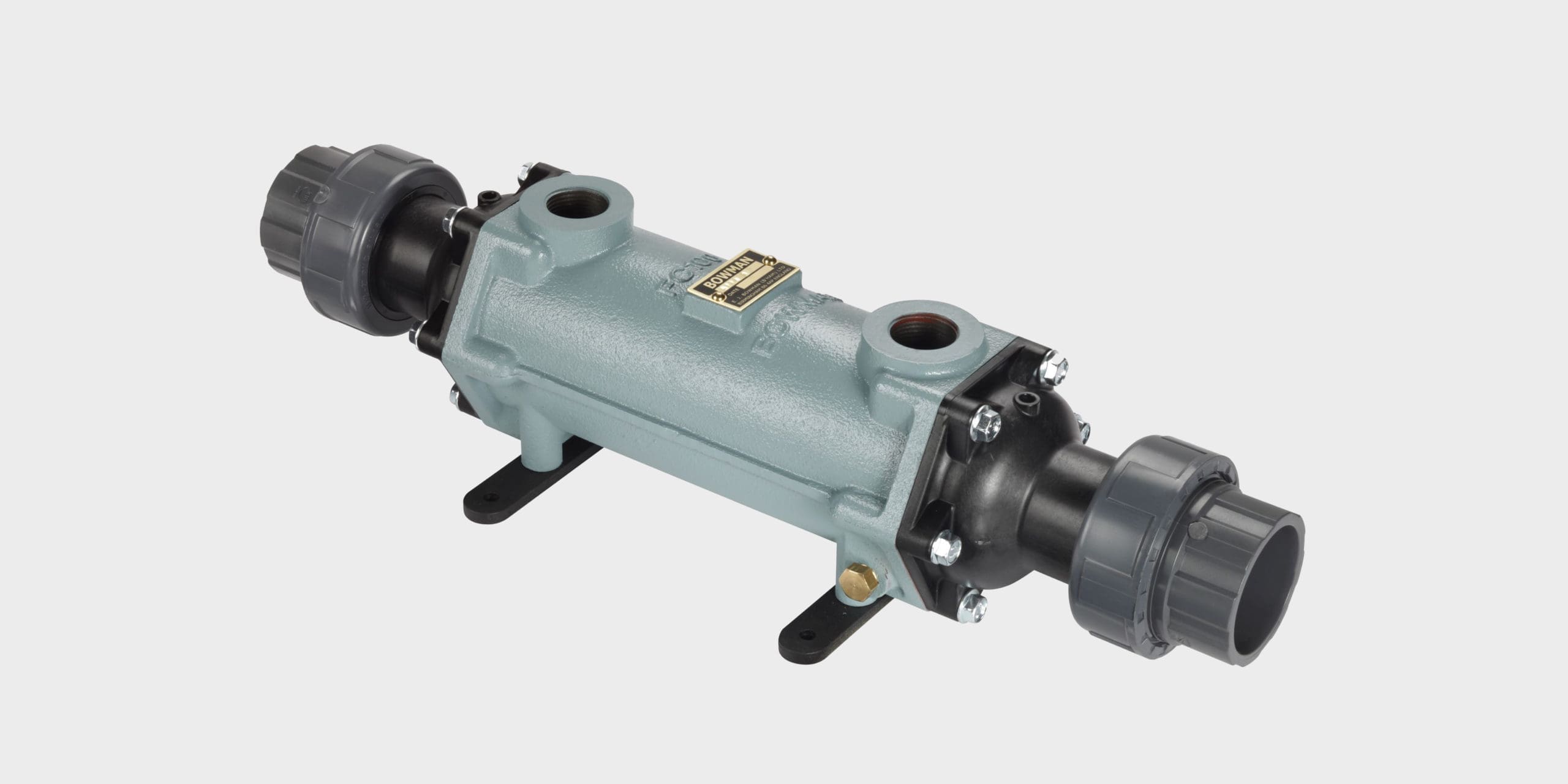
        • Swimming Pool Heat Exchangers

          Bowman swimming pool heat exchangers are renowned for reliability and efficiency. Whether heating your pool with a traditional boiler or a renewable energy source, Bowman is the obvious choice.
    • All Applications

      • Automotive Testing
        • Automotive Testing

          Premium quality heat exchangers and oil coolers for precise temperature control of engines under test cell development conditions.

      • CHP / Co-Generation
        • CHP / Co-Generation

          Recovering waste heat energy from engine powered generating sets for biogas, diesel and natural gas applications up to 1 MW.
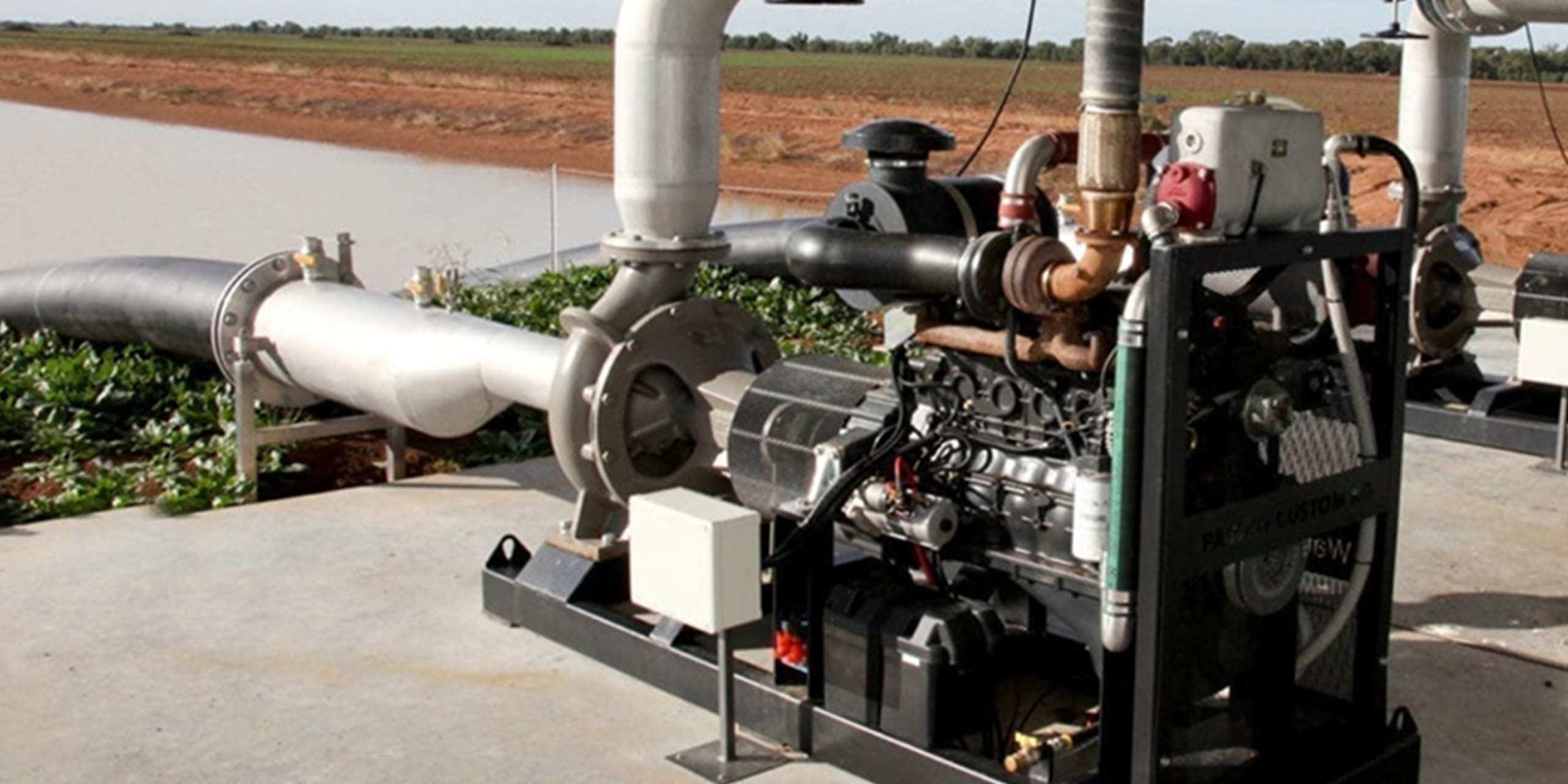
      • Engine Cooling Solutions
        • Engine Cooling Solutions

          Efficient cooling for stationary / land-based engines where air cooling is either unavailable or inappropriate.
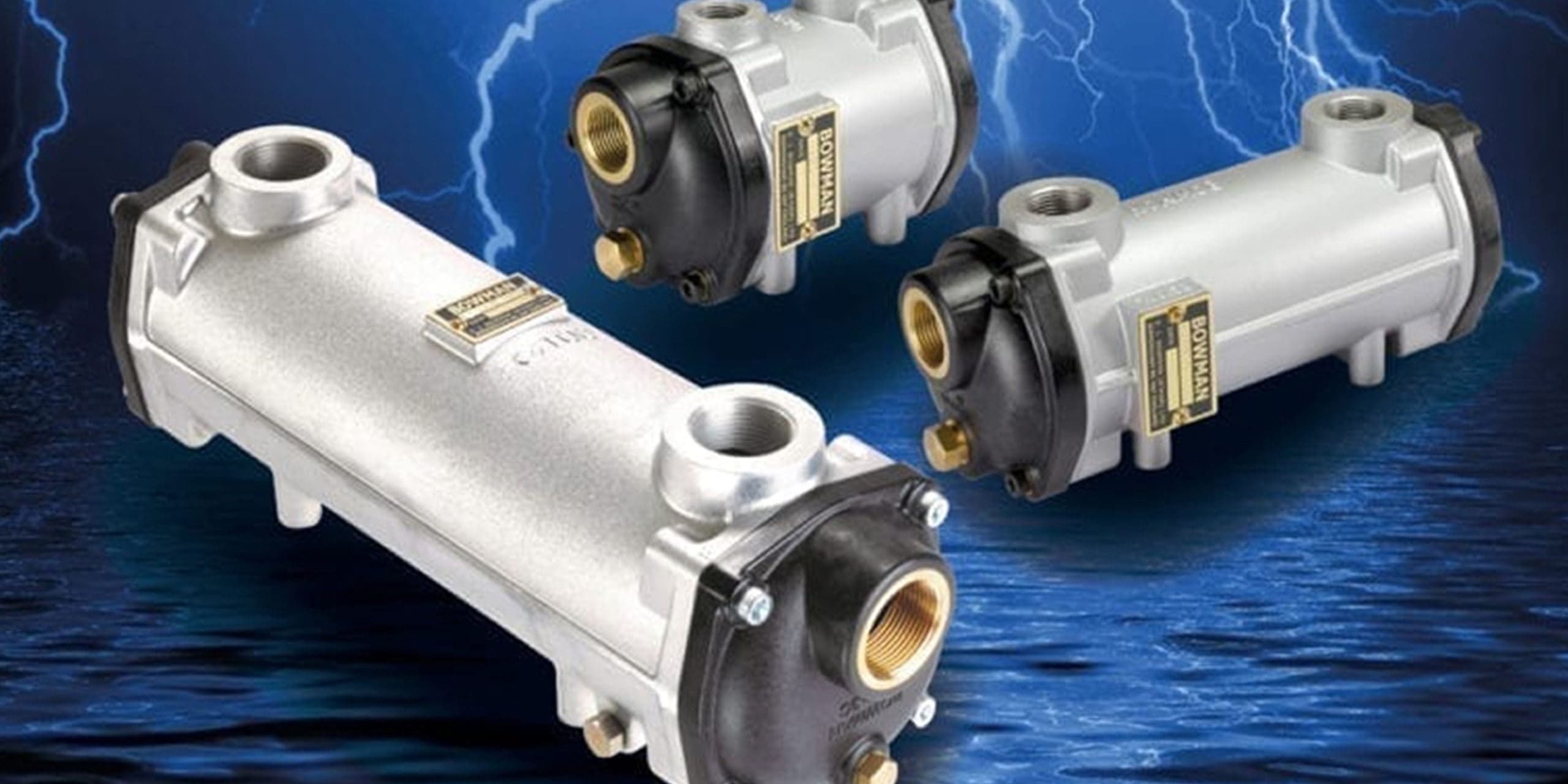
      • Electric & Hybrid Marine
        • Electric & Hybrid Marine

          The reliable solution for cooling Electric & Hybrid Marine Propulsion Systems.
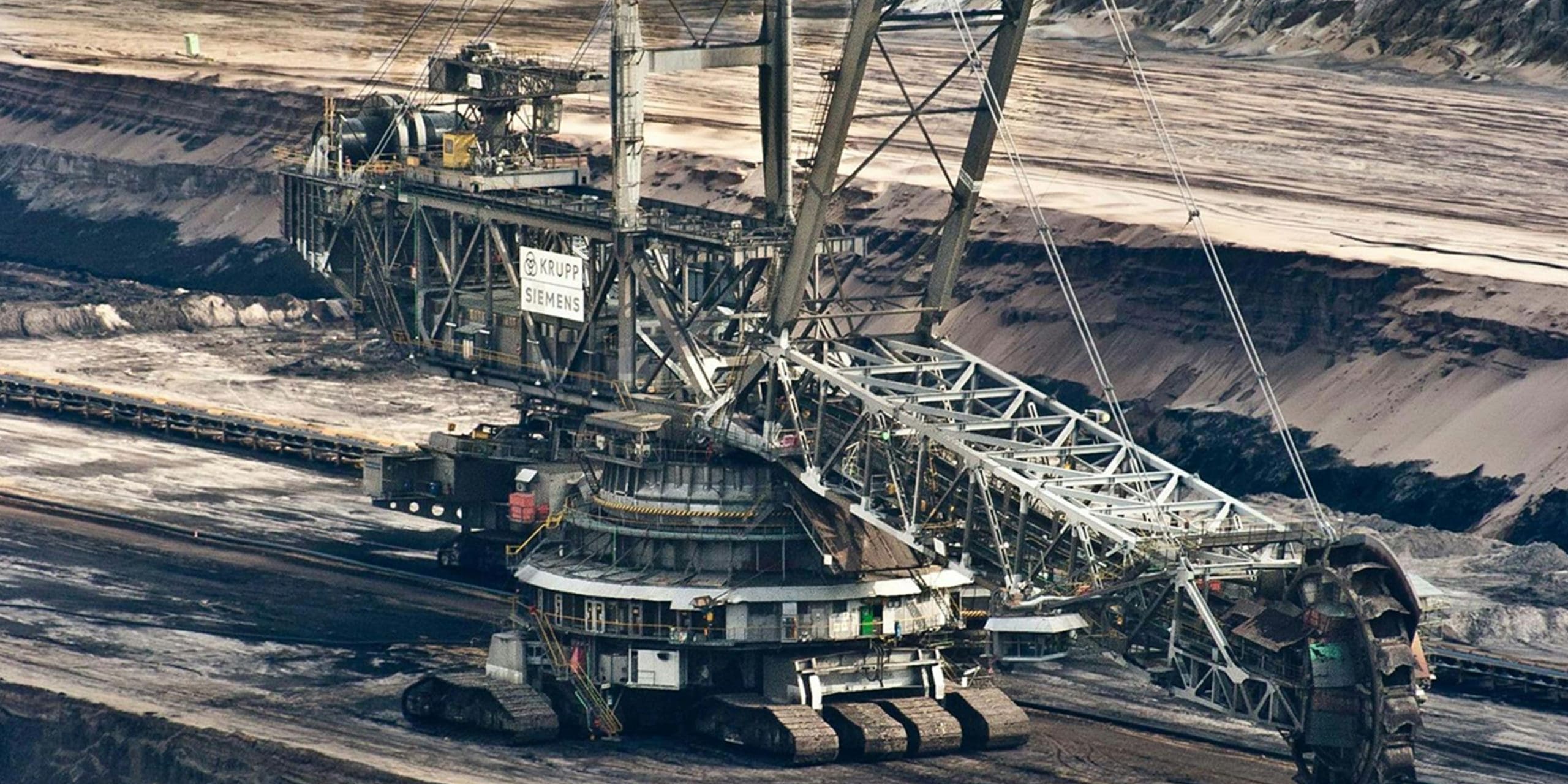
      • Industrial Hydraulics
        • Industrial Hydraulics

          A comprehensive oil cooling solution for industrial hydraulic control systems, plus high temperature and mining applications.
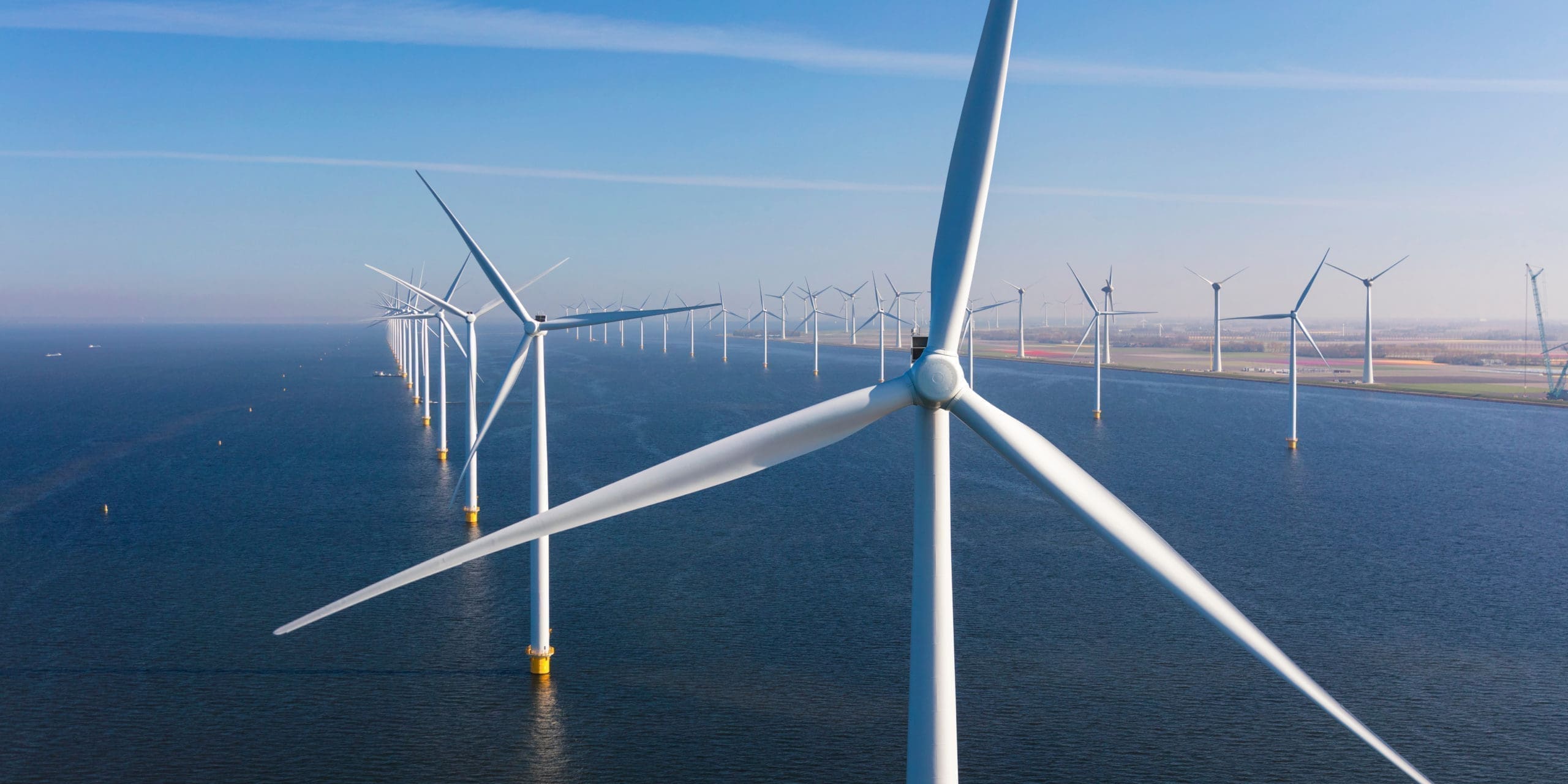
      • Marine Hydraulics
        • Marine Hydraulics

          A complete solution for cooling complex on-board hydraulic equipment, including thruster and stabiliser systems.
      • Marine Propulsion
        • Marine Propulsion

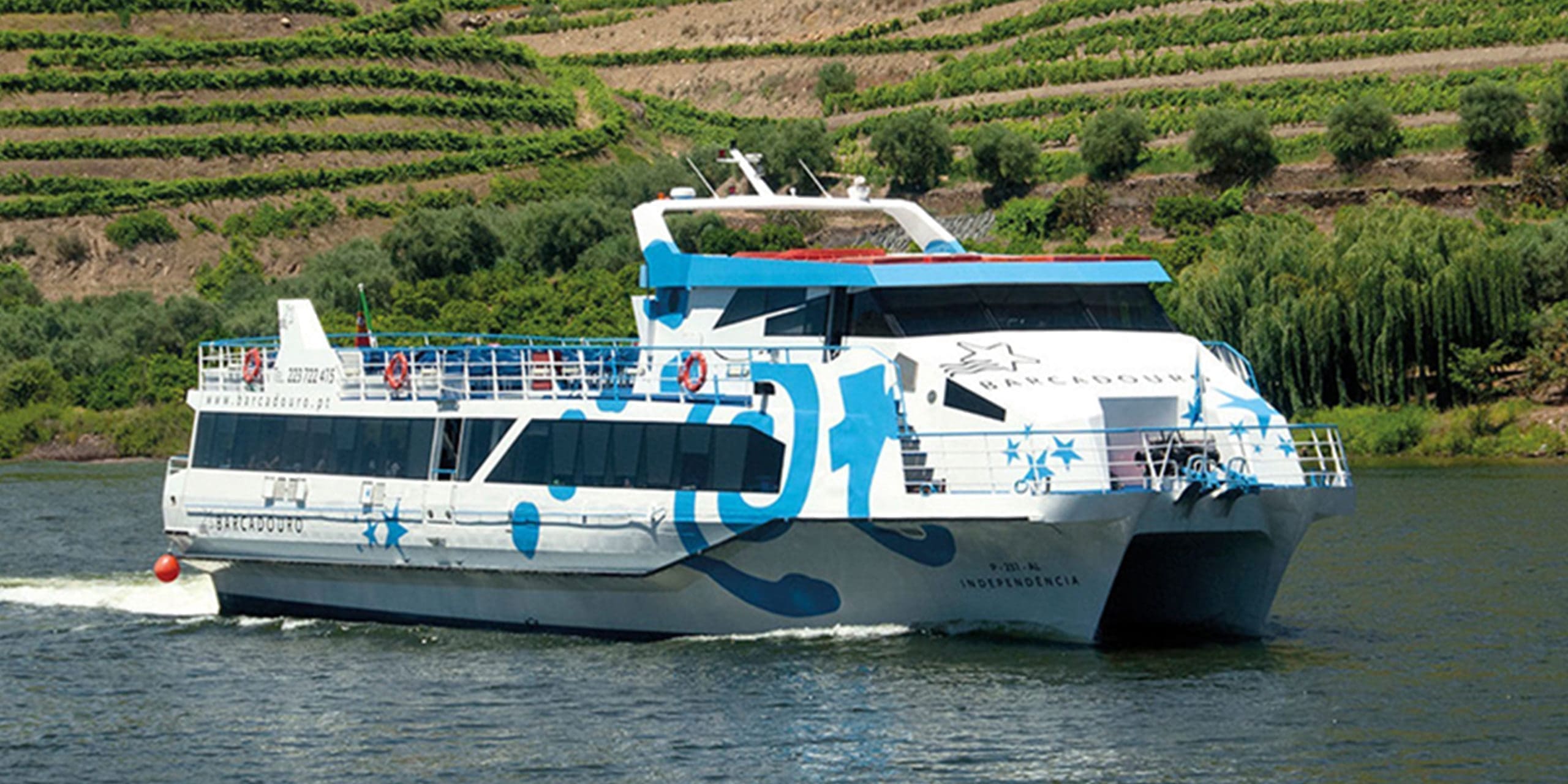
          The complete cooling solution for marine engine propulsion, including the latest electric and hybrid systems.
      • Hot Tubs / Spas
        • Hot Tubs / Spas

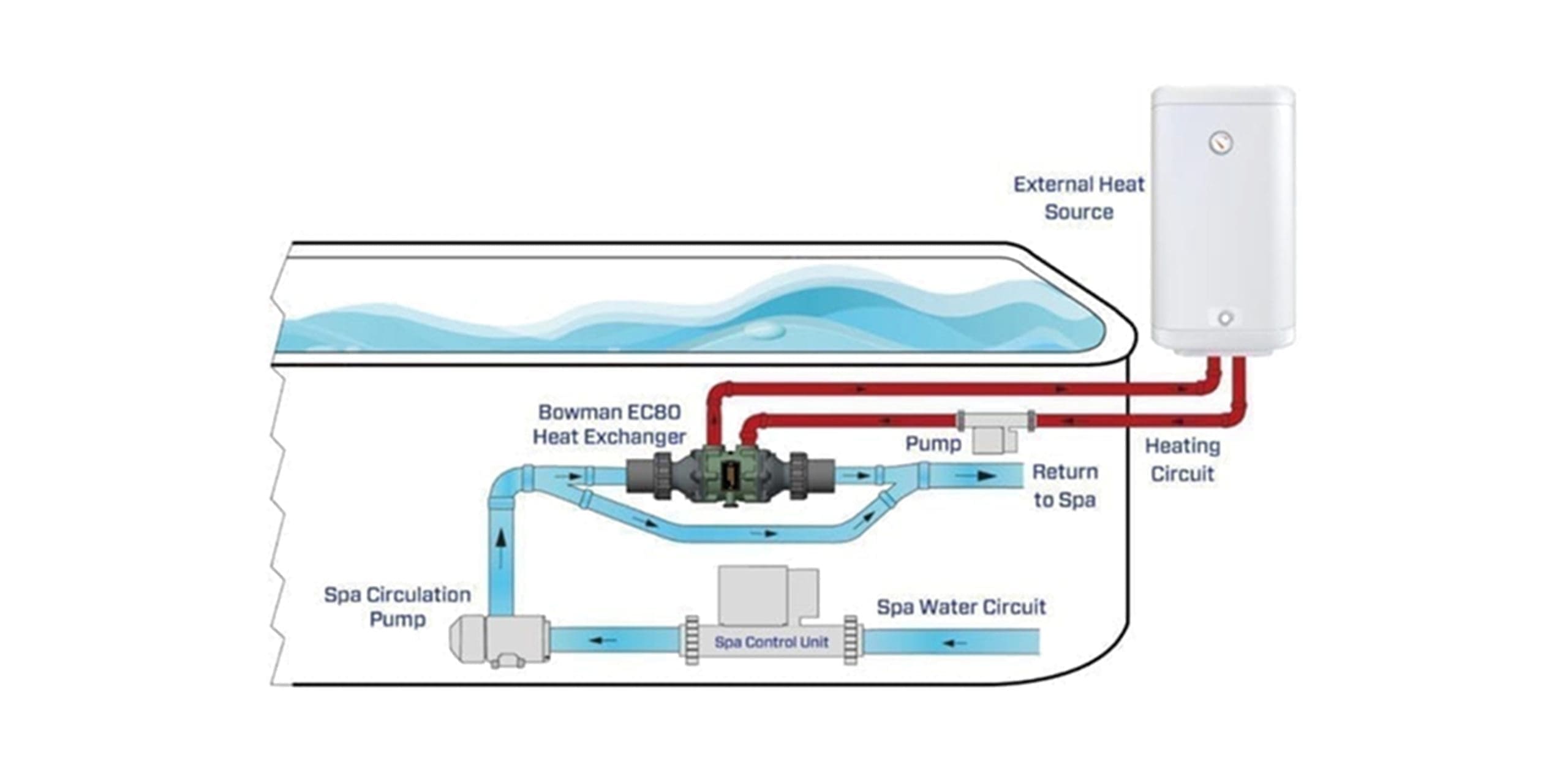
          An energy efficient solution for heating hot tubs and swim spas faster, significantly reducing heat-up time for guest change-over periods.

      • Swimming Pool
        • Swimming Pool

          Quality heat exchangers for efficient swimming pool heating, using boiler or renewable energy heat sources.
  • Distributors
  • News
  • Knowledge Centre
  • Downloads
  • About Us
  • Contact Us

What is an Intercooler and how does it work?

Intercoolers play a vital role in ensuring turbocharged engines operate at their optimum efficiency. Find out how they work and the types of intercoolers available.

Intercoolers (also known as Charge Air Coolers) improve the combustion efficiency of engines fitted with forced induction (either a turbocharger or supercharger) increasing the engines’ power, performance and fuel efficiency.

Turbochargers compress incoming combustion air, which increases its internal energy, but also raises its temperature. Hot air is less dense than cool air, which reduces its combustion efficiency.

However, by installing an intercooler between the turbocharger and the engine, incoming compressed air is cooled before it reaches the engine, restoring its density to give optimum combustion performance.

An intercooler acts as a heat exchanger, removing the heat generated during the turbochargers’ compression process. It does this by transferring the heat to another cooling medium, which is usually either air or water.

Air-cooled (also known as air blast) intercoolers

In the automotive industry, the increasing demand for more efficient engines, with lower emissions has resulted in many manufacturers developing much smaller capacity, turbocharged engines to help them achieve the desired combination of performance and fuel efficiency.

In most automotive installations, adequate cooling can be provided by an air-cooled intercooler, which works much like a car radiator. Cooler ambient air is drawn to the intercooler by the vehicle’s forward motion and then travels through cooling fins, transferring heat from the turbocharged air, to the cooler ambient air.

Water-cooled intercoolers

Where air cooling isn’t suitable, water-cooled intercoolers are an extremely efficient solution. Usually based on a ‘shell and tube’ heat exchanger design, cooling water flows through the central tube ‘core’ of the unit, whilst the hot charge air flows around the exterior of the tubes, transferring its heat as it travels through the heat exchanger’s inner ‘shell’. Once cooled, the air exits the intercooler and is piped to the engine’s combustion chamber.

Water-cooled intercoolers are precision engineered components, which are designed to cope with the high air temperatures of the compressed combustion air.

Bowman manufacture a wide range of water-cooled Charge Air Coolers (Intercoolers), which are suitable for cooling both marine or land-based engines, using virtually any cooling medium, including salt water, fresh water, or mineral rich/contaminated water. The units offer heat rejection ranging from 5.3 kW to 146.6 kW and are proven worldwide.

For more information, visit the Charge Air Coolers product page or call the sales team on +44 (0)121 359 5401.

Share

What is an Intercooler and how does it work?

Intercoolers play a vital role in ensuring turbocharged engines operate at their optimum efficiency. Find out how they work and the types of intercoolers available.
Intercoolers play a vital role in ensuring turbocharged engines operate at their optimum efficiency. Find out how they work and the types of intercoolers available. Intercoolers (also known as Charge Air Coolers) improve the combustion efficiency of engines fitted with forced induction (either a turbocharger or supercharger) increasing the engines’ power, performance and fuel efficiency. Turbochargers compress incoming combustion air, which increases its internal energy, but also raises its temperature. Hot air is less dense than cool air, which reduces its combustion efficiency. However, by installing an intercooler between the turbocharger and the engine, incoming compressed air is cooled before it reaches the engine, restoring its density to give optimum combustion performance. An intercooler acts as a heat exchanger, removing the heat generated during the turbochargers’ compression process. It does this by transferring the heat to another cooling medium, which is usually either air or water.

Intercoolers play a vital role in ensuring turbocharged engines operate at their optimum efficiency. Find out how they work and the types of intercoolers available.

Intercoolers (also known as Charge Air Coolers) improve the combustion efficiency of engines fitted with forced induction (either a turbocharger or supercharger) increasing the engines’ power, performance and fuel efficiency.

Turbochargers compress incoming combustion air, which increases its internal energy, but also raises its temperature. Hot air is less dense than cool air, which reduces its combustion efficiency.

However, by installing an intercooler between the turbocharger and the engine, incoming compressed air is cooled before it reaches the engine, restoring its density to give optimum combustion performance.

An intercooler acts as a heat exchanger, removing the heat generated during the turbochargers’ compression process. It does this by transferring the heat to another cooling medium, which is usually either air or water.

Air-cooled (also known as air blast) intercoolers

In the automotive industry, the increasing demand for more efficient engines, with lower emissions has resulted in many manufacturers developing much smaller capacity, turbocharged engines to help them achieve the desired combination of performance and fuel efficiency.

In most automotive installations, adequate cooling can be provided by an air-cooled intercooler, which works much like a car radiator. Cooler ambient air is drawn to the intercooler by the vehicle’s forward motion and then travels through cooling fins, transferring heat from the turbocharged air, to the cooler ambient air.

Water-cooled intercoolers

Where air cooling isn’t suitable, water-cooled intercoolers are an extremely efficient solution. Usually based on a ‘shell and tube’ heat exchanger design, cooling water flows through the central tube ‘core’ of the unit, whilst the hot charge air flows around the exterior of the tubes, transferring its heat as it travels through the heat exchanger’s inner ‘shell’. Once cooled, the air exits the intercooler and is piped to the engine’s combustion chamber.

Water-cooled intercoolers are precision engineered components, which are designed to cope with the high air temperatures of the compressed combustion air.

Bowman manufacture a wide range of water-cooled Charge Air Coolers (Intercoolers), which are suitable for cooling both marine or land-based engines, using virtually any cooling medium, including salt water, fresh water, or mineral rich/contaminated water. The units offer heat rejection ranging from 5.3 kW to 146.6 kW and are proven worldwide.

For more information, visit the Charge Air Coolers product page or call the sales team on +44 (0)121 359 5401.

More News from EJ Bowman

This site is registered on wpml.org as a development site. Switch to a production site key to remove this banner.