






• All Products

      • Charge Air Coolers
        • Charge Air Coolers

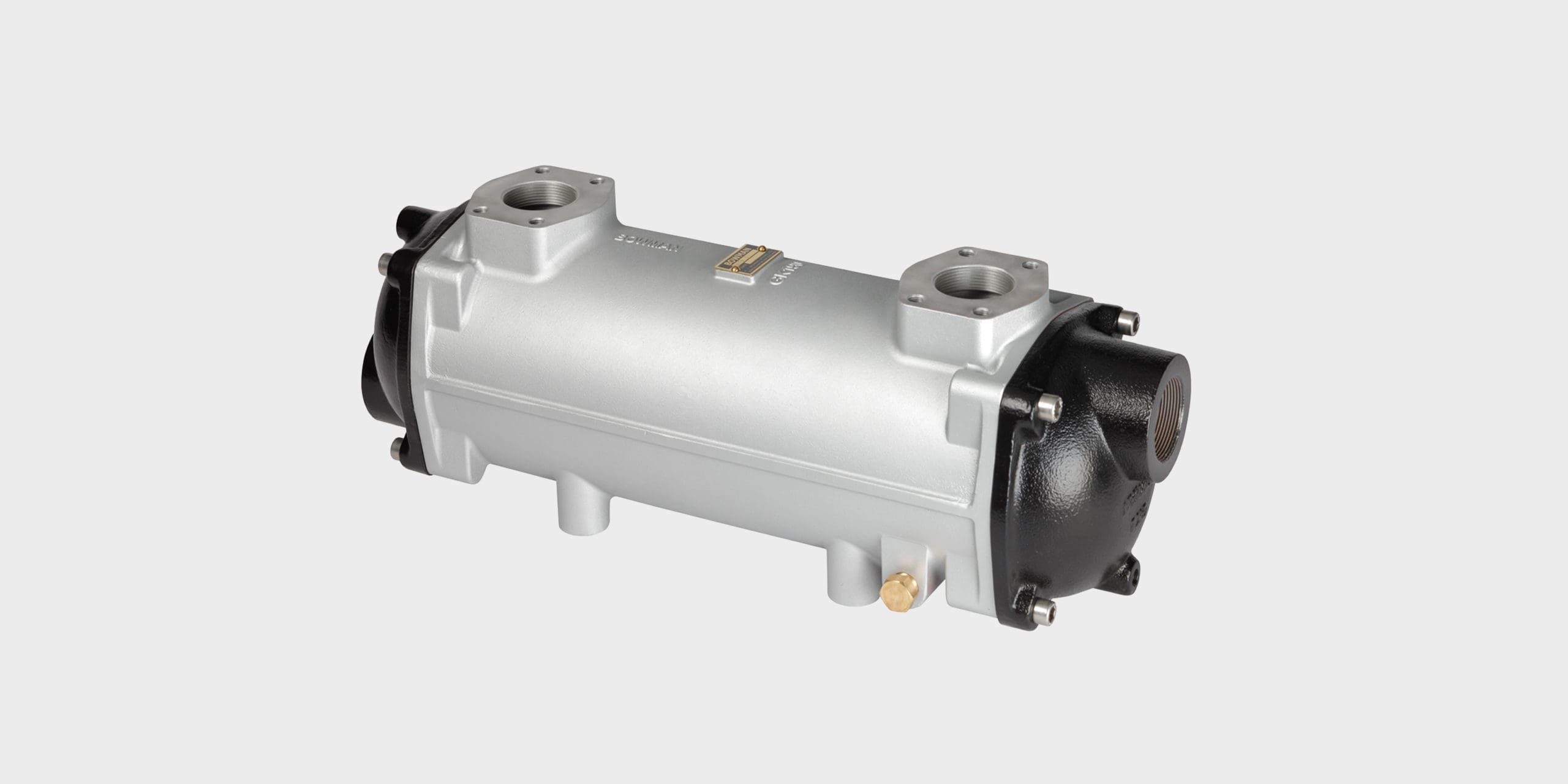
          Used to cool the hot, compressed air from the turbo before it reaches the engine, the intercoolers improve engine efficiency and reduce emissions for marine and land-based stationary engines.

      • Exhaust Gas Heat Exchangers
        • Exhaust Gas Heat Exchangers

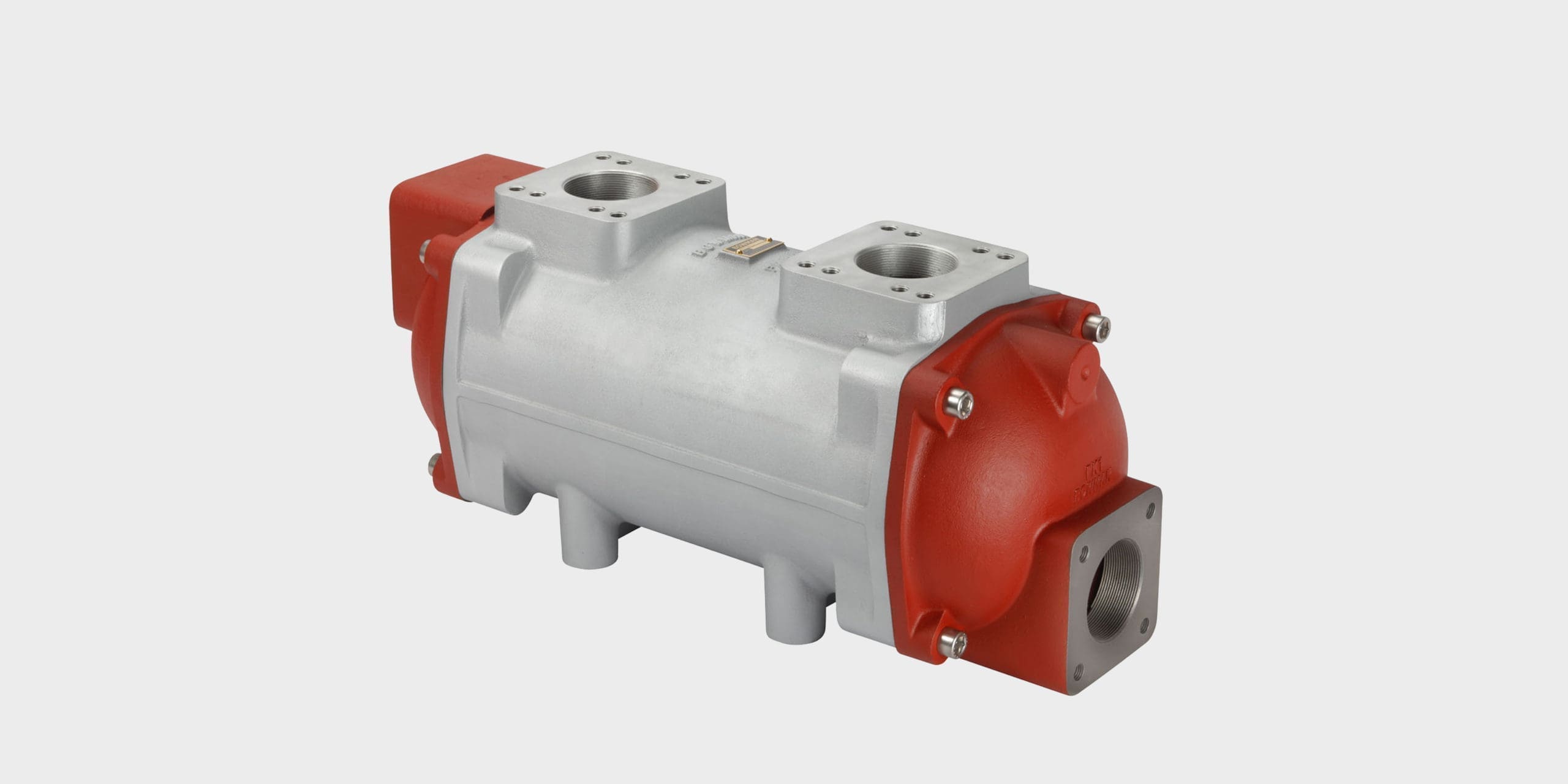
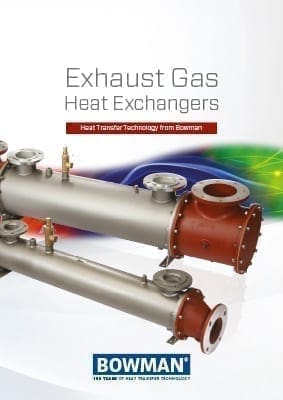
          Exhaust gas heat exchangers are designed to recover waste heat energy from the exhaust stream of reciprocating engine powered generating sets.

      • Fuel Coolers
        • Fuel Coolers

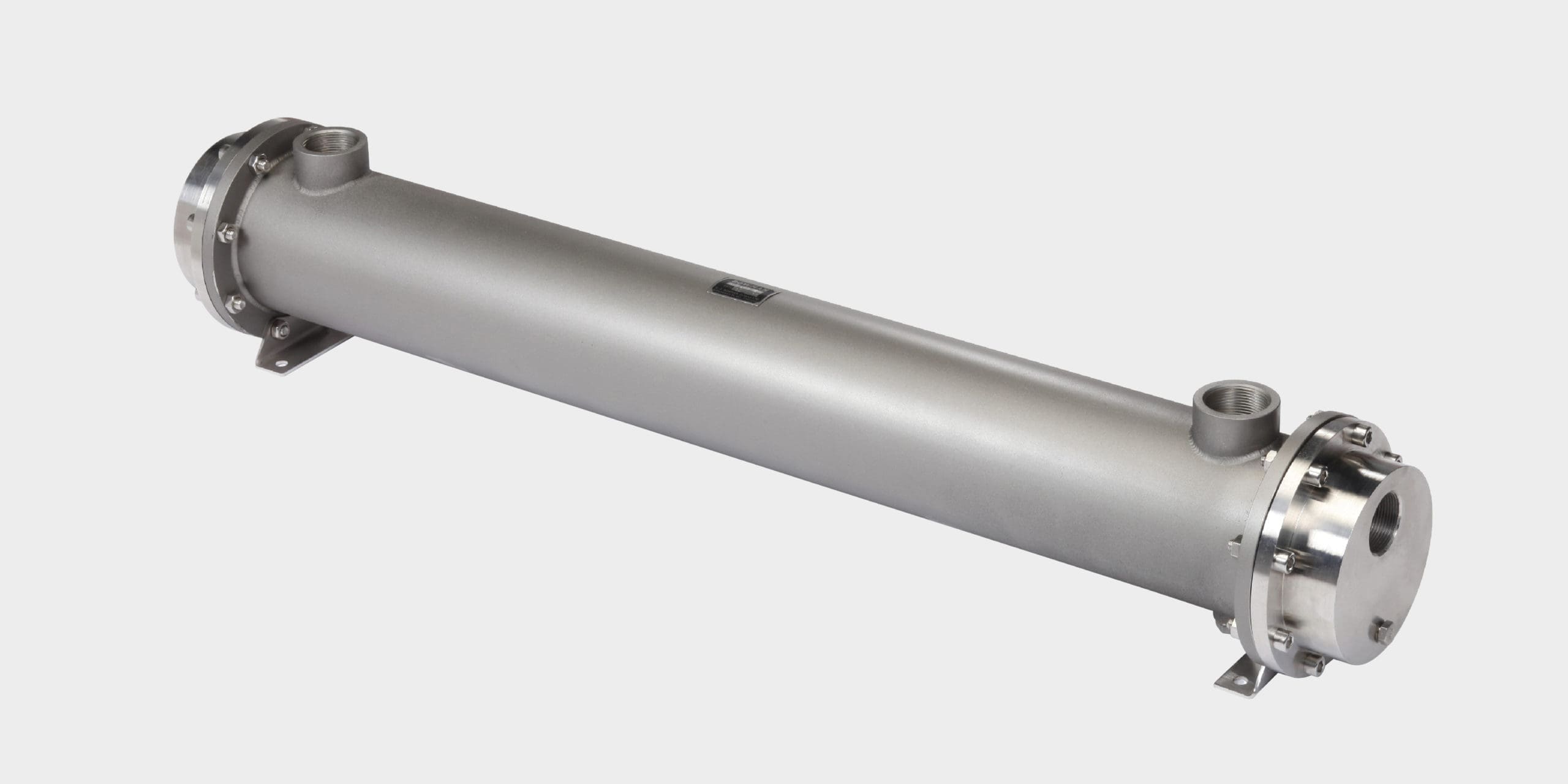
          Bowman 'copper free' fuel coolers are compact, highly efficient heat exchangers suitable for fuel conditioning rigs in the automotive testing industry.

      • Header Tank Heat Exchangers
        • Header Tank Heat Exchangers

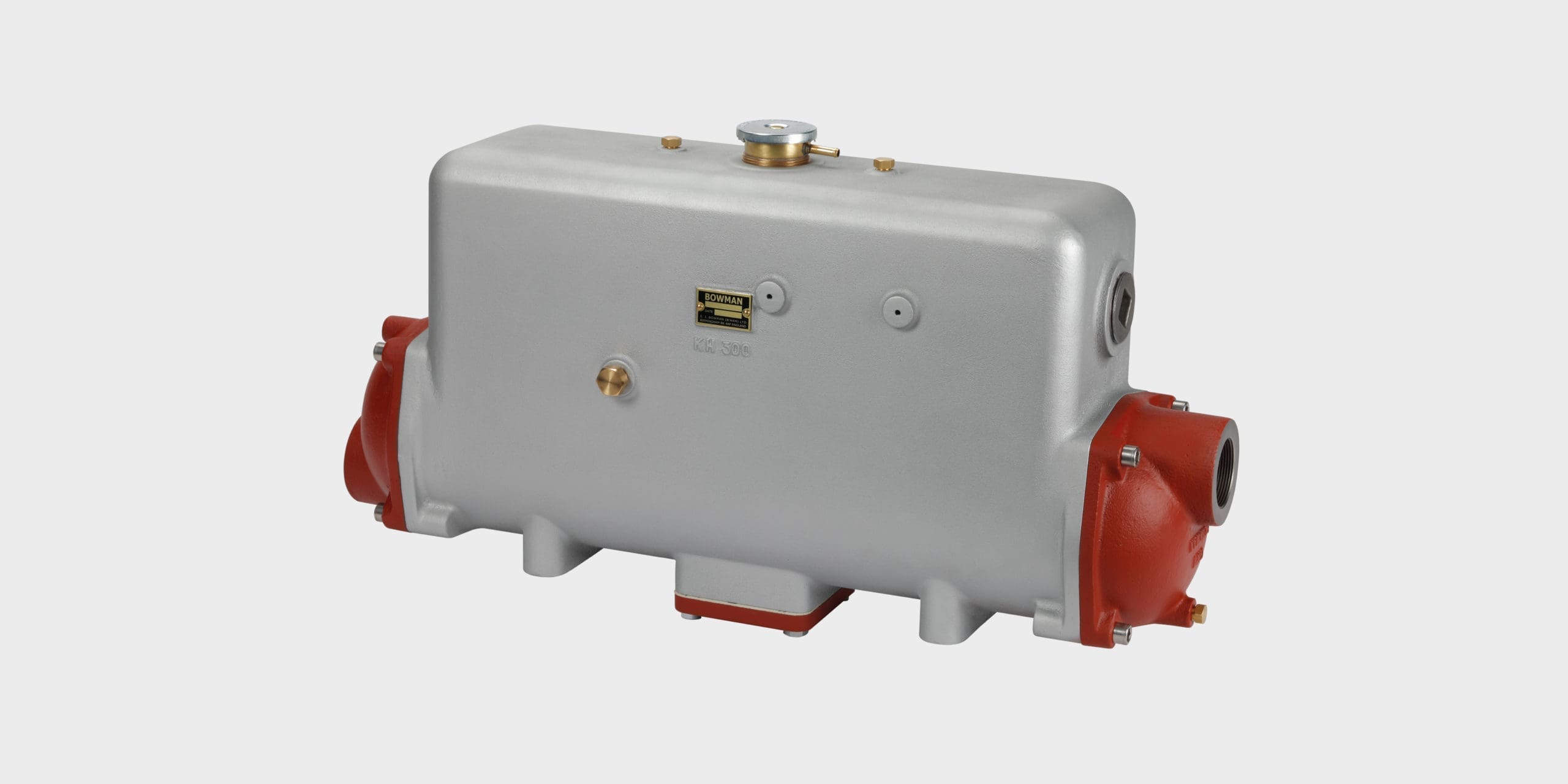
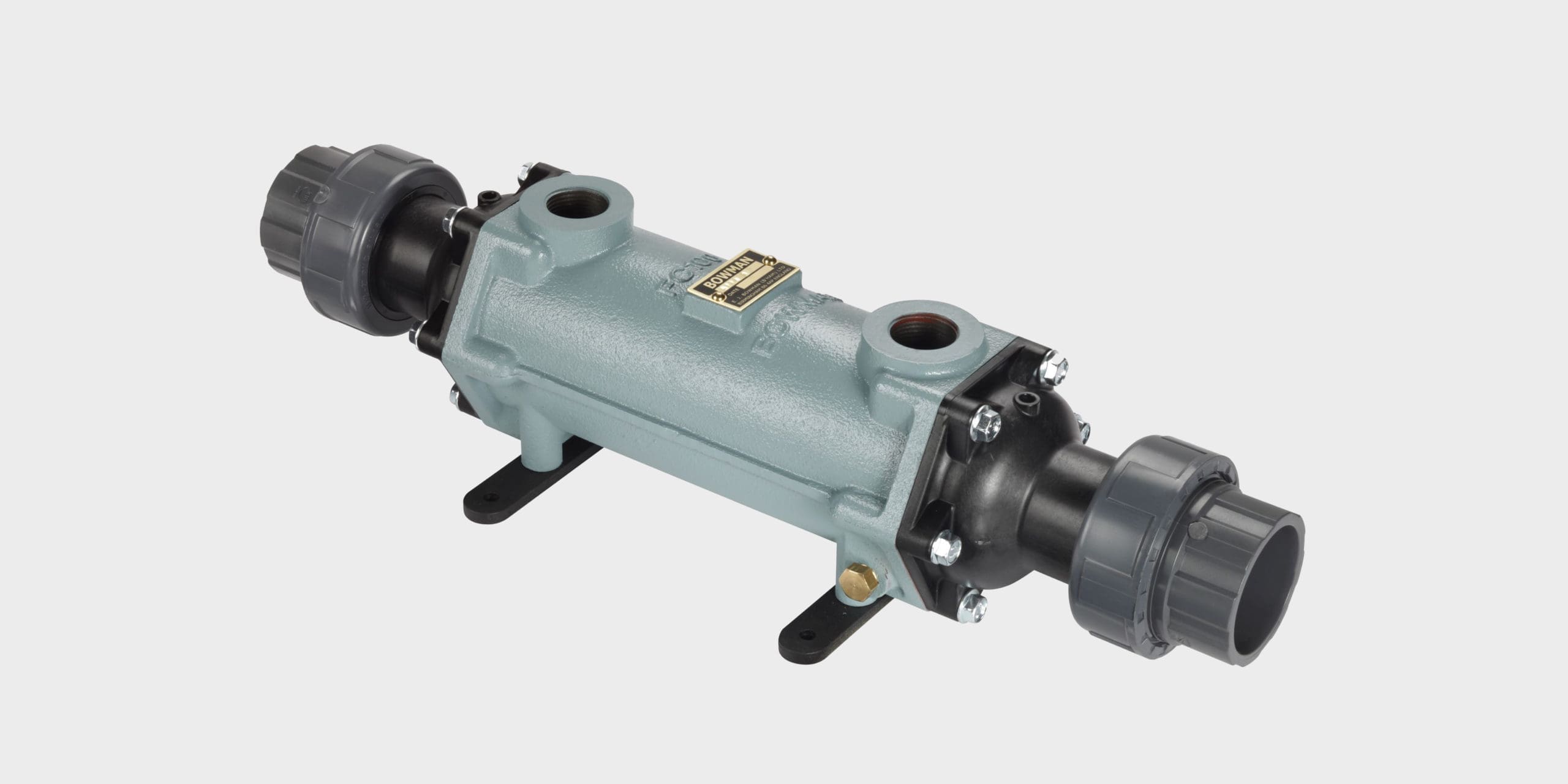
          Engine coolant header tank heat exchangers for marine propulsion, gensets or stationary land-based engines.

      • Hot Tub Heat Exchangers
        • Hot Tub Heat Exchangers

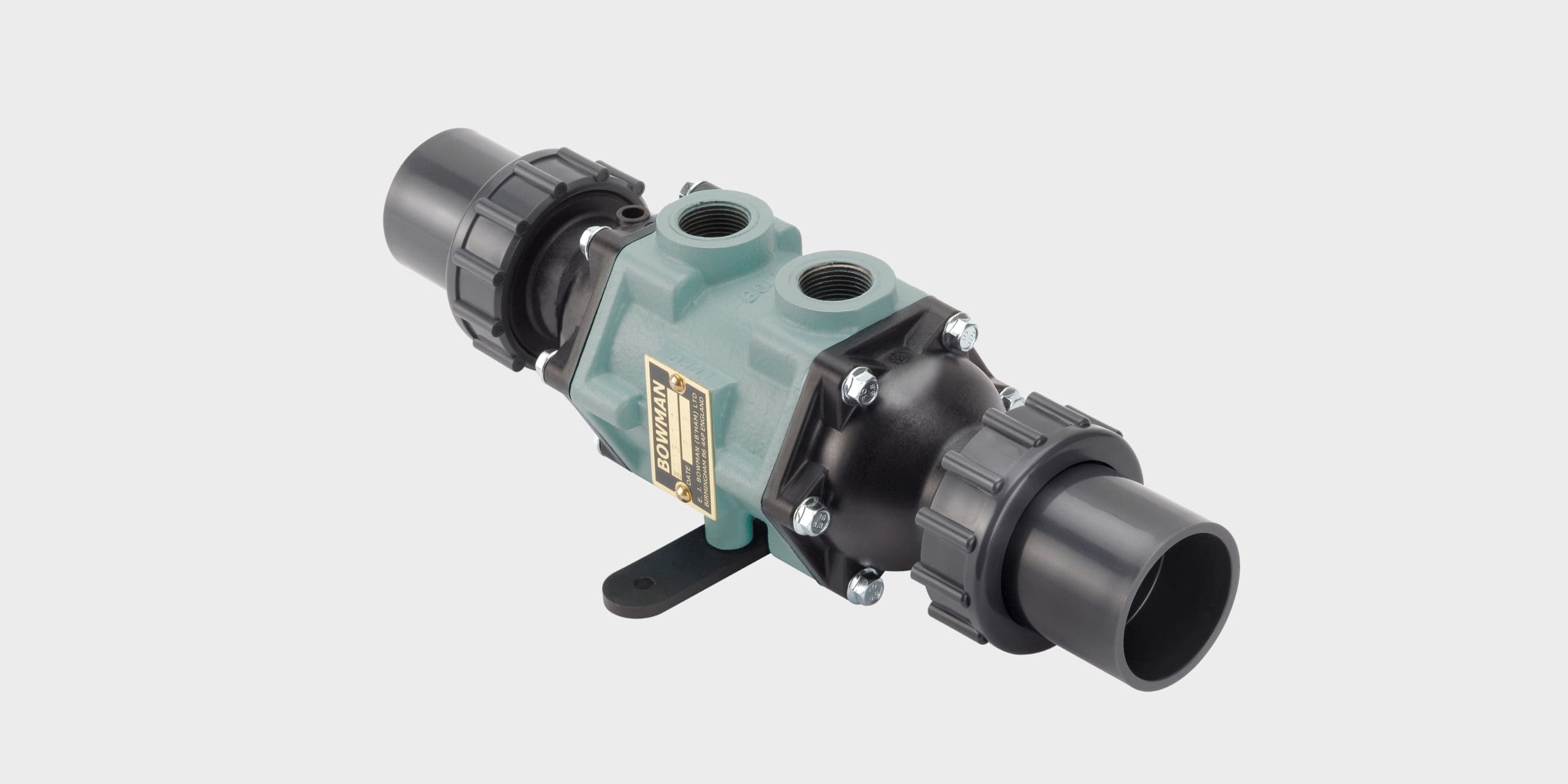
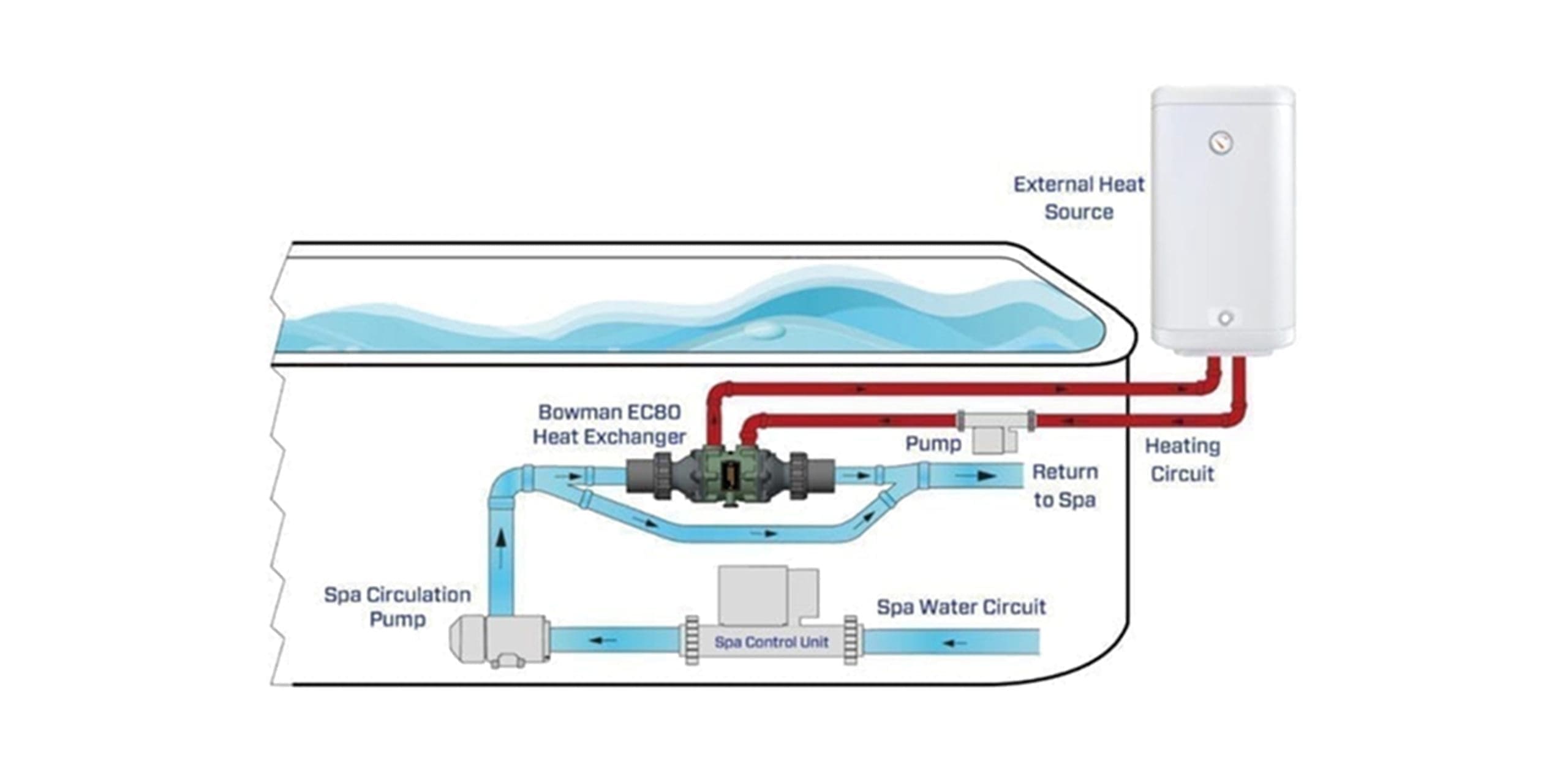
          Bowman EC 80-5113-1T heat exchangers provide a new solution for heating spas and hot tubs in just a fraction of the time taken by traditional electric heaters.

      • Hydraulic Oil Coolers
        • Hydraulic Oil Coolers

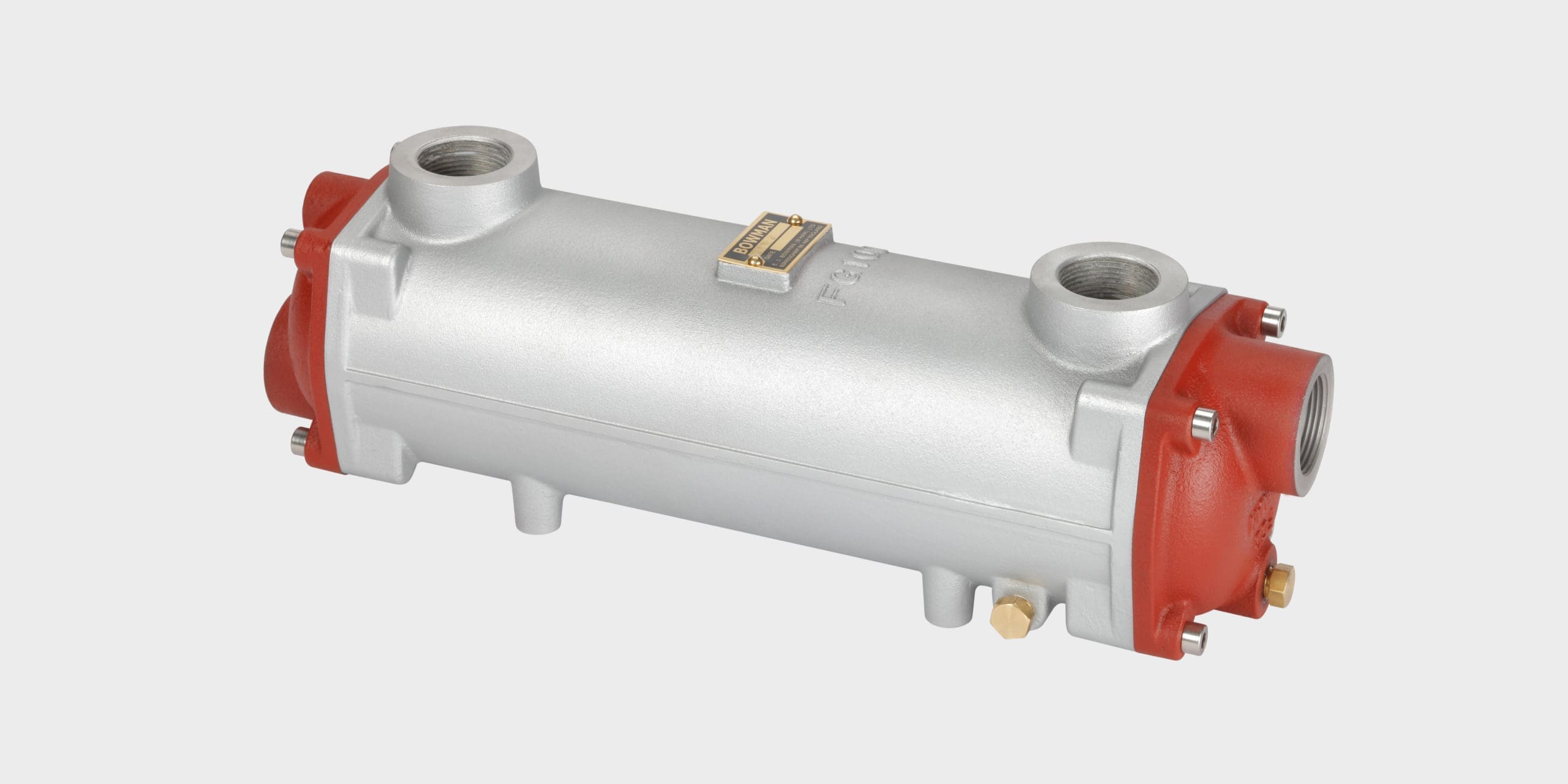
          Highly efficient heat transfer solutions for cooling marine, land-based and underground hydraulic systems.

      • Inline Plate Type Heat Exchangers
        • Inline Plate Type Heat Exchangers

          Bowman inline plate heat exchangers are a compact, economical solution for high efficiency heat transfer.

      • Marine Engine Coolers
        • Marine Engine Coolers

          Bespoke cooling solutions for a range of popular marine engines from major OEMs, including coolant heat exchangers, charge air coolers, plus combined heat exchangers and exhaust manifolds, suitable for cooling marine engines up to 1 MW.

      • Marine Transmission Oil Coolers
        • Marine Transmission Oil Coolers

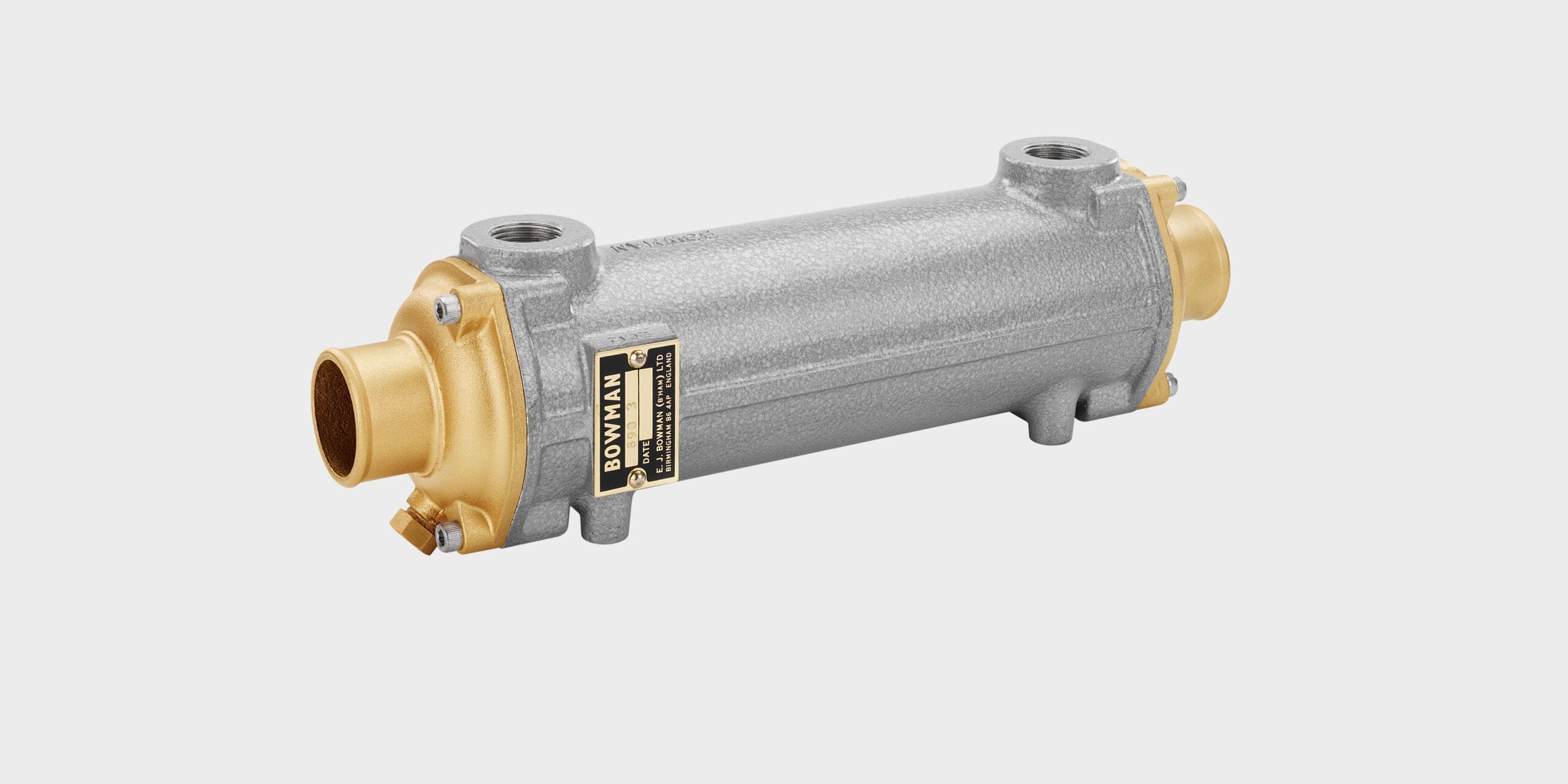
          Bowman has a range of highly efficient oil coolers designed for marine and industrial engines and transmissions.

      • Electric and Hybrid Coolers
        • Electric and Hybrid Coolers

          Efficient heat exchangers for cooling electric marine motors, hydrogen fuel cells, battery packs, chargers, AC-DC converters, DC-DC converters, inverters and associated equipment for electric and hybrid marine propulsion and charging systems.

      • Shell and Tube Heat Exchangers
        • Shell and Tube Heat Exchangers

          Highly efficient heat transfer solutions for cooling a variety of applications where air and fluids need to be cooled by fluids.

      • Stainless Steel Heat Exchangers
        • Stainless Steel Heat Exchangers

          Many applications require stainless steel shell and tube heat exchangers and Bowman provide a standard range of units that are suitable for cooling or heating a variety of fluids.

      • Swimming Pool Heat Exchangers
        • Swimming Pool Heat Exchangers

          Bowman swimming pool heat exchangers are renowned for reliability and efficiency. Whether heating your pool with a traditional boiler or a renewable energy source, Bowman is the obvious choice.

    • All Applications

      • Automotive Testing
        • Automotive Testing

          Premium quality heat exchangers and oil coolers for precise temperature control of engines under test cell development conditions.

      • CHP / Co-Generation
        • CHP / Co-Generation

          Recovering waste heat energy from engine powered generating sets for biogas, diesel and natural gas applications up to 1 MW.

      • Engine Cooling Solutions
        • Engine Cooling Solutions

          Efficient cooling for stationary / land-based engines where air cooling is either unavailable or inappropriate.

      • Electric & Hybrid Marine
        • Electric & Hybrid Marine

          The reliable solution for cooling Electric & Hybrid Marine Propulsion Systems.

      • Industrial Hydraulics
        • Industrial Hydraulics

          A comprehensive oil cooling solution for industrial hydraulic control systems, plus high temperature and mining applications.

      • Marine Hydraulics
        • Marine Hydraulics

          A complete solution for cooling complex on-board hydraulic equipment, including thruster and stabiliser systems.

      • Marine Propulsion
        • Marine Propulsion

          The complete cooling solution for marine engine propulsion, including the latest electric and hybrid systems.

      • Hot Tubs / Spas
        • Hot Tubs / Spas

          An energy efficient solution for heating hot tubs and swim spas faster, significantly reducing heat-up time for guest change-over periods.

      • Swimming Pool
        • Swimming Pool

          Quality heat exchangers for efficient swimming pool heating, using boiler or renewable energy heat sources.

  • Distributors
  • News
  • Knowledge Centre
  • Downloads
  • About Us
  • Contact Us

Exhaust Gas Heat Exchangers

Exhaust gas heat exchangers are designed to recover waste heat energy from the exhaust stream of reciprocating engine powered generating sets.

Exhaust Gas Heat Exchangers

Exhaust gas heat exchangers are designed to recover waste heat energy from the exhaust stream of reciprocating engine powered generating sets.
Bowman is the leading UK manufacturer of Exhaust Gas Heat Exchangers, with a comprehensive range of highly efficient models suitable for engines powered by biogas, diesel or natural gas, in applications up to 1 MW, with heat recovery potential from 9.5 kW to 673 kW.

Product Benefits

Compact design

Saves space. Simplifies installation

Thermal Calculations

Provided quickly by our technical experts

Premium Quality

UK manufactured, robust and reliable

Comprehensive Range

Suitable for engines up to 1 MW

Rapid Delivery

Extensive stockholding for fast response

Bowman is the leading UK manufacturer of Exhaust Gas Heat Exchangers, with a comprehensive range of highly efficient models suitable for engines powered by biogas, diesel or natural gas, in applications up to 1 MW, with heat recovery potential from 9.5 kW to 673 kW.

Features

Shell and Tube Design

Shell and Tube Design

Fluid enters the outer ‘shell’ of the unit and travels over a series of specially designed baffles, transferring energy from the exhaust gases which travel through the tubes of the heat exchanger.

Stainless Steel

Stainless Steel

Fully welded construction using 316 stainless steel ensures maximum reliability and durability of the unit, when handling extreme exhaust gas temperatures.

Automated Tube Welding

Automated Tube Welding

The automated tube end welding process of the tube core ensures ultra-high quality, whilst every unit is 100% inspected for structural integrity.

Quality

Quality

Bowman exhaust gas heat exchangers are renowned for their high quality, which translates into long-life durability, even where more aggressive fuels, such as biogas, are used.

Right Angle End Covers

Right Angle End Covers

In addition to offering a more compact packaging solution, right angle end covers often reduce system pipework requirements and enable the tubes to be cleaned, without disturbing the pipework.

Comprehensive Specification

Comprehensive Specification

Bowman exhaust gas heat exchangers are fitted with a pressure relief valve which automatically activates, should the pressure exceed 4 bar, to prevent excess pressure build up.

Specification

Exhaust Gas Heat Exchangers – Typical Performance and Dimensions

The following information offers a general guide to the performance and dimensions of our standard range of exhaust gas heat exchangers. For more detailed information on additional configurations and specific applications, please download the product brochure. Computer aided selection software (CAS) can be used to accurately select the correct heat exchanger specifically for your application.

Please contact us or your nearest stockist with the following information to receive a CAS selection:

  • Exhaust gas mass flow rate
  • Maximum allowable pressure drop
  • Exhaust gas inlet and desired outlet temperature
  • Cooling water source, temperature and flow rate

Note – Water pressure must not exceed 4 bar at 110 °C and gas inlet pressure should be below 0.5 bar at 700 °C.

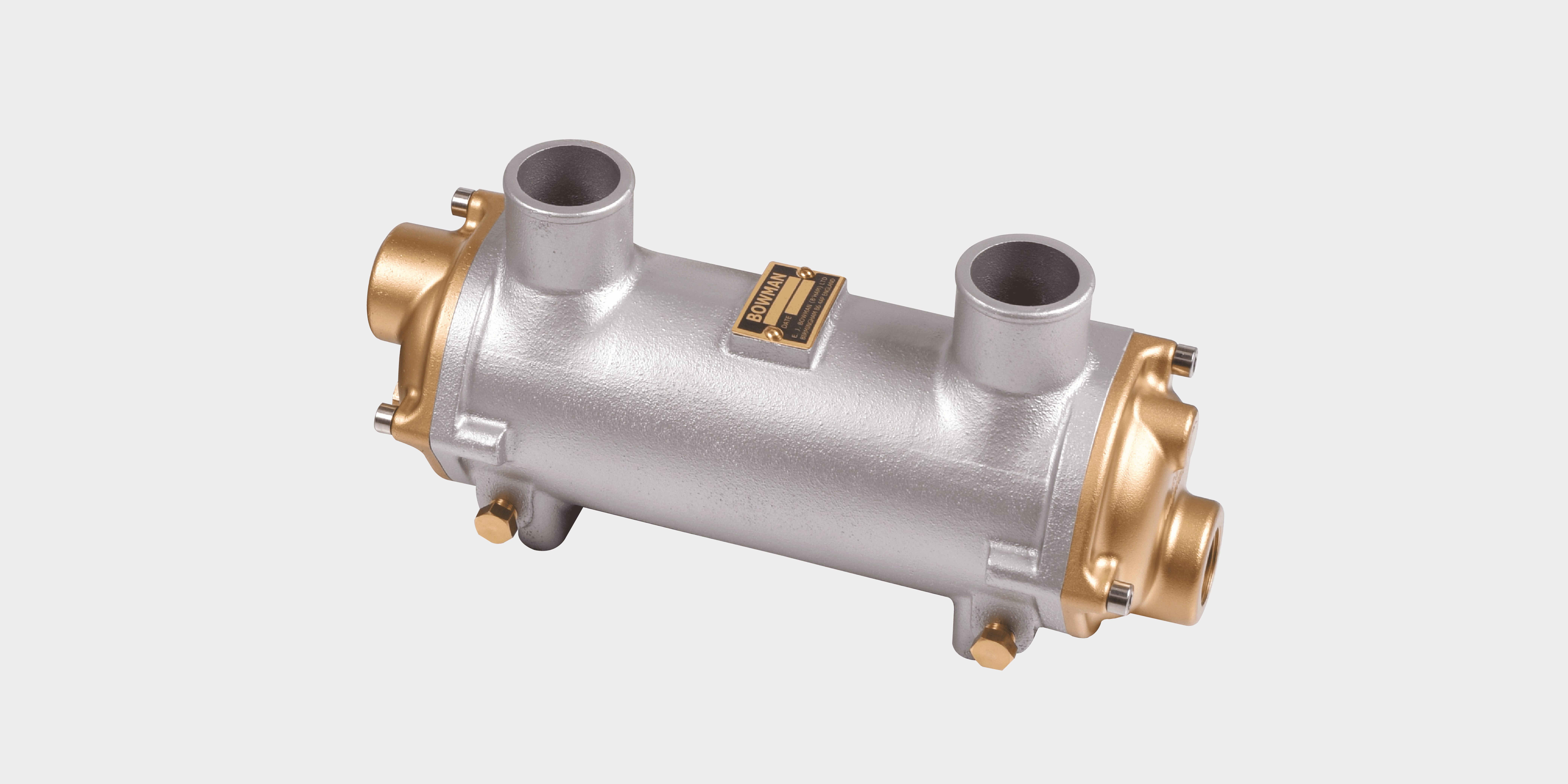
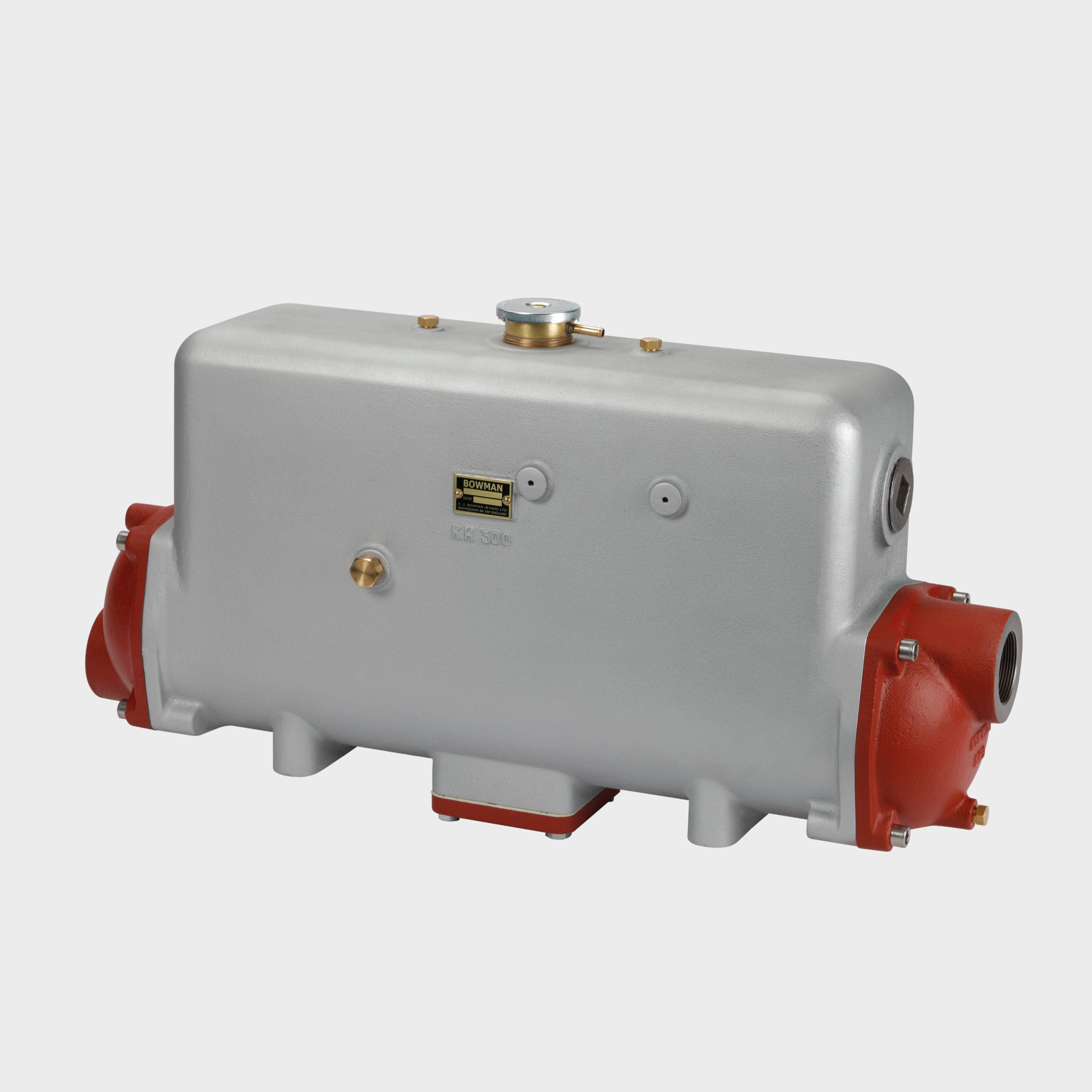
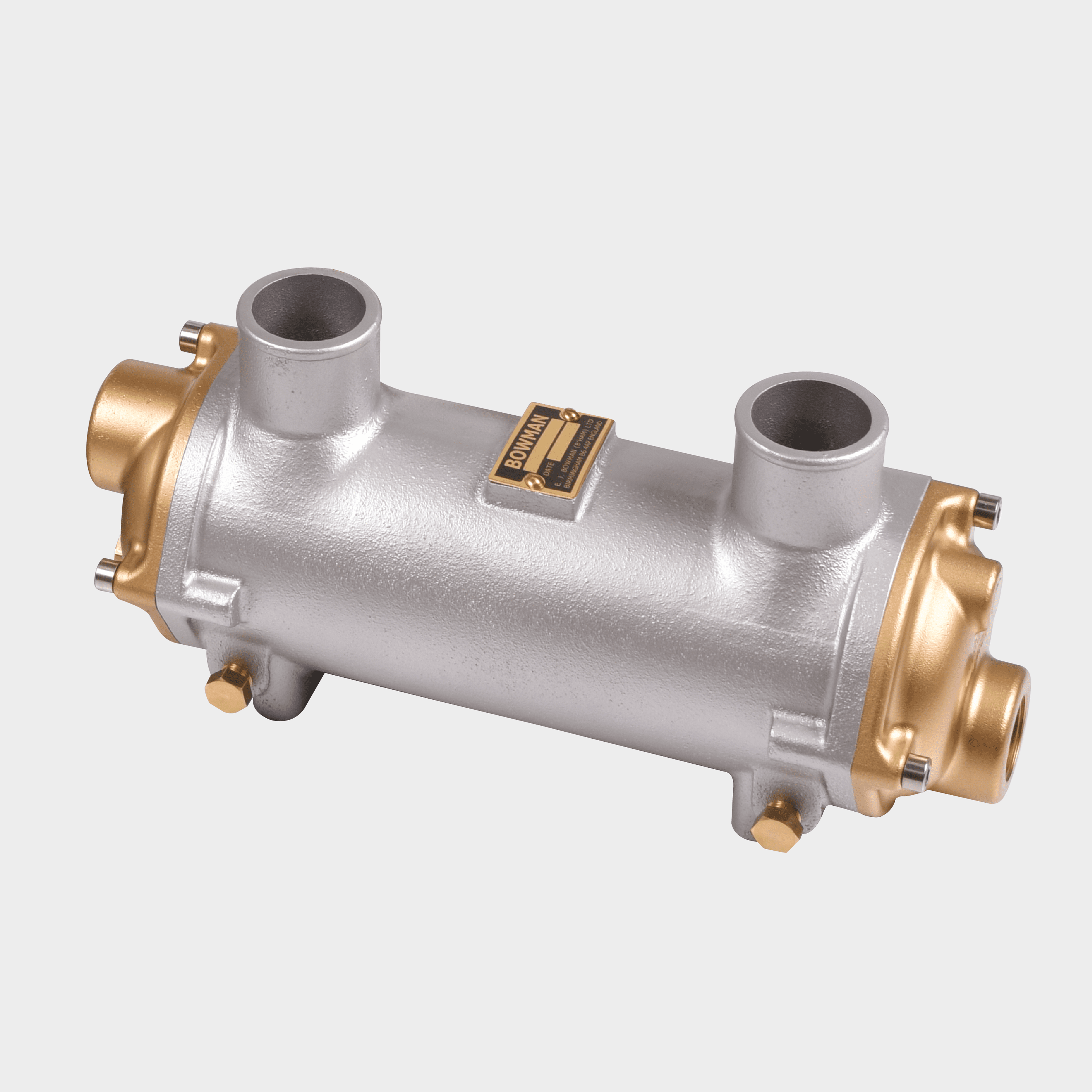
The image above is representative of Exhaust Gas Heat Exchanger models from 2-25 to 6-60.

The figures given in the table are based on a natural gas engine using a gas inlet temperature of 600 °C and water inlet temperature of 80 °C and the dimensions in the table below refer to standard units fitted with straight end covers – for alternative configurations please download the brochure or contact us for further information.

ModelTypical Engine Power (kW)Mass Flow (kg/min) Pressure Drop (kPa) Gas Outlet (°C)Heat RecoveryDim A (mm)Dim B (mm)Dim C (mm)Weight (kg)
2-25161.21.62109.575055060.310
2-32161.21.817011.592872860.312
3-32322.41.21981996071888.918
3-40322.41.316321116292088.920
3-60322.41.6116231670142888.927
4-32604.51.019936990698114.325
4-40604.51.2164391192900114.329
4-60604.51.41164317001408114.340
5-32906.71.0195551030688141.336
5-40906.71.2161591232890141.339
5-60906.71.41156517401398141.351
6-3214010.51.0197851080668168.348
6-4014010.51.2163921282870168.355
6-6014010.51.411710117901378168.372
View Table
Model:
2-25
Typical Engine Power (kW)
16
Mass Flow (kg/min)
1.2
Pressure Drop (kPa)
1.6
Gas Outlet (°C)
210
Heat Recovery
9.5
Dim A (mm)
750
Dim B (mm)
550
Dim C (mm)
60.3
Weight (kg)
10
Model:
2-32
Typical Engine Power (kW)
16
Mass Flow (kg/min)
1.2
Pressure Drop (kPa)
1.8
Gas Outlet (°C)
170
Heat Recovery
11.5
Dim A (mm)
928
Dim B (mm)
728
Dim C (mm)
60.3
Weight (kg)
12
Model:
3-32
Typical Engine Power (kW)
32
Mass Flow (kg/min)
2.4
Pressure Drop (kPa)
1.2
Gas Outlet (°C)
198
Heat Recovery
19
Dim A (mm)
960
Dim B (mm)
718
Dim C (mm)
88.9
Weight (kg)
18
Model:
3-40
Typical Engine Power (kW)
32
Mass Flow (kg/min)
2.4
Pressure Drop (kPa)
1.3
Gas Outlet (°C)
163
Heat Recovery
21
Dim A (mm)
1162
Dim B (mm)
920
Dim C (mm)
88.9
Weight (kg)
20
Model:
3-60
Typical Engine Power (kW)
32
Mass Flow (kg/min)
2.4
Pressure Drop (kPa)
1.6
Gas Outlet (°C)
116
Heat Recovery
23
Dim A (mm)
1670
Dim B (mm)
1428
Dim C (mm)
88.9
Weight (kg)
27
Model:
4-32
Typical Engine Power (kW)
60
Mass Flow (kg/min)
4.5
Pressure Drop (kPa)
1.0
Gas Outlet (°C)
199
Heat Recovery
36
Dim A (mm)
990
Dim B (mm)
698
Dim C (mm)
114.3
Weight (kg)
25
Model:
4-40
Typical Engine Power (kW)
60
Mass Flow (kg/min)
4.5
Pressure Drop (kPa)
1.2
Gas Outlet (°C)
164
Heat Recovery
39
Dim A (mm)
1192
Dim B (mm)
900
Dim C (mm)
114.3
Weight (kg)
29
Model:
4-60
Typical Engine Power (kW)
60
Mass Flow (kg/min)
4.5
Pressure Drop (kPa)
1.4
Gas Outlet (°C)
116
Heat Recovery
43
Dim A (mm)
1700
Dim B (mm)
1408
Dim C (mm)
114.3
Weight (kg)
40
Model:
5-32
Typical Engine Power (kW)
90
Mass Flow (kg/min)
6.7
Pressure Drop (kPa)
1.0
Gas Outlet (°C)
195
Heat Recovery
55
Dim A (mm)
1030
Dim B (mm)
688
Dim C (mm)
141.3
Weight (kg)
36
Model:
5-40
Typical Engine Power (kW)
90
Mass Flow (kg/min)
6.7
Pressure Drop (kPa)
1.2
Gas Outlet (°C)
161
Heat Recovery
59
Dim A (mm)
1232
Dim B (mm)
890
Dim C (mm)
141.3
Weight (kg)
39
Model:
5-60
Typical Engine Power (kW)
90
Mass Flow (kg/min)
6.7
Pressure Drop (kPa)
1.4
Gas Outlet (°C)
115
Heat Recovery
65
Dim A (mm)
1740
Dim B (mm)
1398
Dim C (mm)
141.3
Weight (kg)
51
Model:
6-32
Typical Engine Power (kW)
140
Mass Flow (kg/min)
10.5
Pressure Drop (kPa)
1.0
Gas Outlet (°C)
197
Heat Recovery
85
Dim A (mm)
1080
Dim B (mm)
668
Dim C (mm)
168.3
Weight (kg)
48
Model:
6-40
Typical Engine Power (kW)
140
Mass Flow (kg/min)
10.5
Pressure Drop (kPa)
1.2
Gas Outlet (°C)
163
Heat Recovery
92
Dim A (mm)
1282
Dim B (mm)
870
Dim C (mm)
168.3
Weight (kg)
55
Model:
6-60
Typical Engine Power (kW)
140
Mass Flow (kg/min)
10.5
Pressure Drop (kPa)
1.4
Gas Outlet (°C)
117
Heat Recovery
101
Dim A (mm)
1790
Dim B (mm)
1378
Dim C (mm)
168.3
Weight (kg)
72

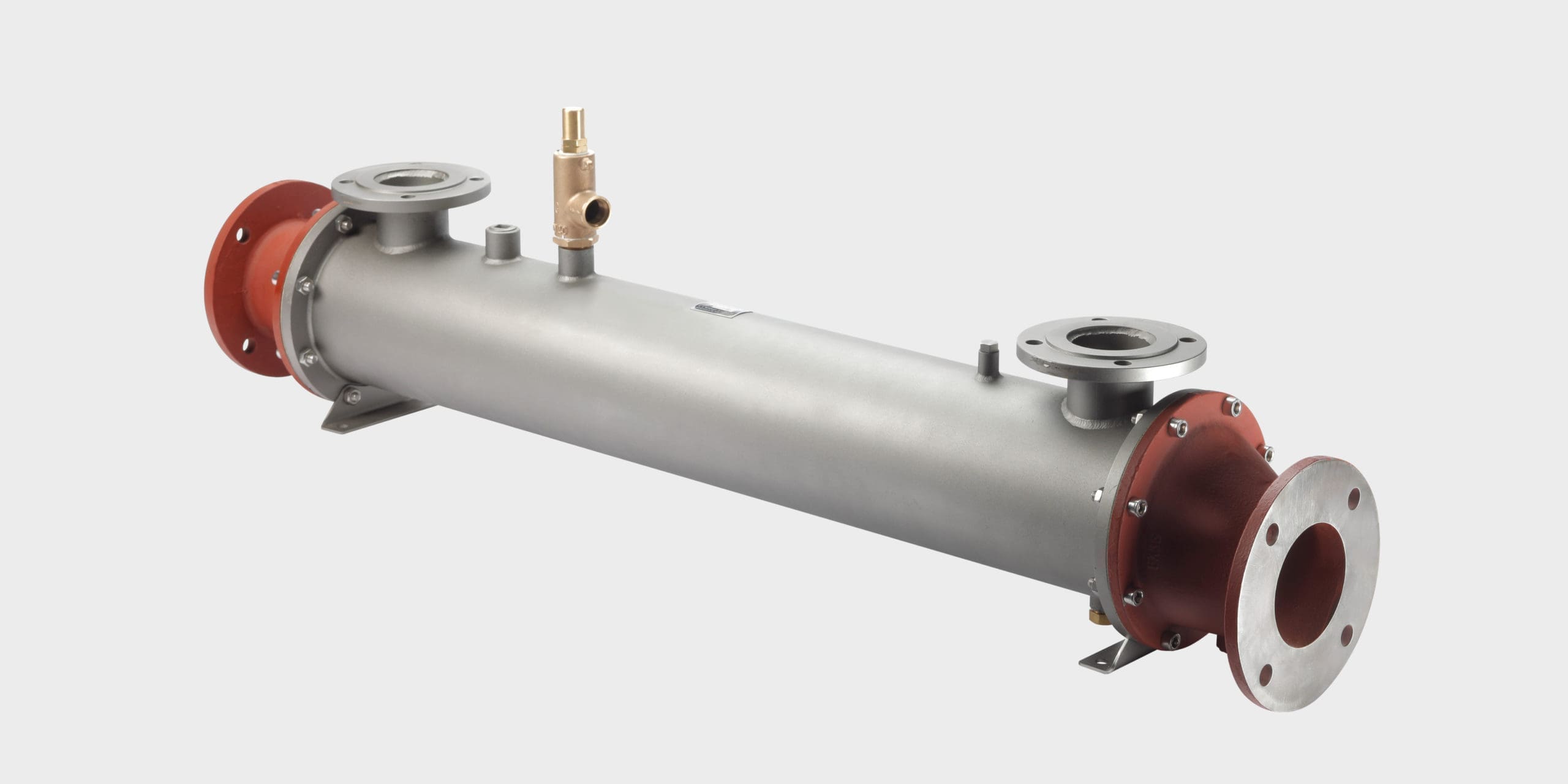
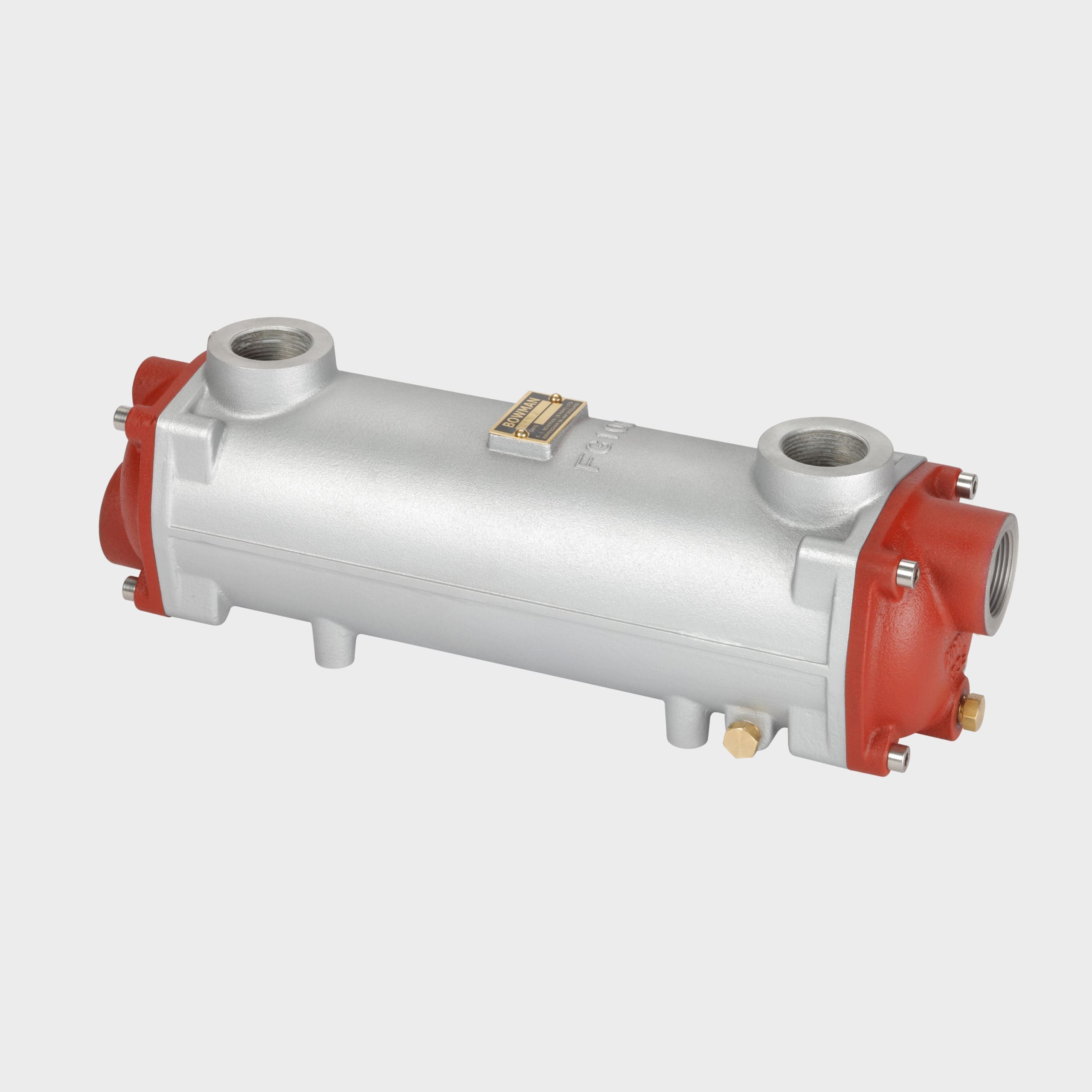
The image above is representative of Exhaust Gas Heat Exchanger models from 8-32 to 15-60.

The figures given in the table are based on a natural gas engine using a gas inlet temperature of 600 °C and water inlet temperature of 80 °C and the dimensions in the table below refer to standard units fitted with straight end covers – for alternative configurations please download the brochure or contact us for further information.

ModelTypical Power (kW)Mass Flow (kg/min)Pressure Drop (kPa)Gas Outlet (°C)Heat Recovery (kW)Dim A (mm)Dim B (mm)Dim C (mm)Weight (kg)
8-3225018.71.01991511150648219.089
8-4025018.71.21641631352850219.098
8-6025018.71.411718018601358219.0125
10-3240030.01.12002411230608273.0132
10-4040030.01.21642621432810273.0146
10-6040030.01.411628919401318273.0185
12-3260045.01.11993621330538324.0190
12-4060045.01.21643921532740324.0208
12-6060045.01.511743220401248324.0268
15-3295070.01.02005631468538406.4288
15-4095070.01.11656101670740406.4319
15-6095070.01.411667321801248406.4404
View Table
Model:
8-32
Typical Power (kW)
250
Mass Flow (kg/min)
18.7
Pressure Drop (kPa)
1.0
Gas Outlet (°C)
199
Heat Recovery (kW)
151
Dim A (mm)
1150
Dim B (mm)
648
Dim C (mm)
219.0
Weight (kg)
89
Model:
8-40
Typical Power (kW)
250
Mass Flow (kg/min)
18.7
Pressure Drop (kPa)
1.2
Gas Outlet (°C)
164
Heat Recovery (kW)
163
Dim A (mm)
1352
Dim B (mm)
850
Dim C (mm)
219.0
Weight (kg)
98
Model:
8-60
Typical Power (kW)
250
Mass Flow (kg/min)
18.7
Pressure Drop (kPa)
1.4
Gas Outlet (°C)
117
Heat Recovery (kW)
180
Dim A (mm)
1860
Dim B (mm)
1358
Dim C (mm)
219.0
Weight (kg)
125
Model:
10-32
Typical Power (kW)
400
Mass Flow (kg/min)
30.0
Pressure Drop (kPa)
1.1
Gas Outlet (°C)
200
Heat Recovery (kW)
241
Dim A (mm)
1230
Dim B (mm)
608
Dim C (mm)
273.0
Weight (kg)
132
Model:
10-40
Typical Power (kW)
400
Mass Flow (kg/min)
30.0
Pressure Drop (kPa)
1.2
Gas Outlet (°C)
164
Heat Recovery (kW)
262
Dim A (mm)
1432
Dim B (mm)
810
Dim C (mm)
273.0
Weight (kg)
146
Model:
10-60
Typical Power (kW)
400
Mass Flow (kg/min)
30.0
Pressure Drop (kPa)
1.4
Gas Outlet (°C)
116
Heat Recovery (kW)
289
Dim A (mm)
1940
Dim B (mm)
1318
Dim C (mm)
273.0
Weight (kg)
185
Model:
12-32
Typical Power (kW)
600
Mass Flow (kg/min)
45.0
Pressure Drop (kPa)
1.1
Gas Outlet (°C)
199
Heat Recovery (kW)
362
Dim A (mm)
1330
Dim B (mm)
538
Dim C (mm)
324.0
Weight (kg)
190
Model:
12-40
Typical Power (kW)
600
Mass Flow (kg/min)
45.0
Pressure Drop (kPa)
1.2
Gas Outlet (°C)
164
Heat Recovery (kW)
392
Dim A (mm)
1532
Dim B (mm)
740
Dim C (mm)
324.0
Weight (kg)
208
Model:
12-60
Typical Power (kW)
600
Mass Flow (kg/min)
45.0
Pressure Drop (kPa)
1.5
Gas Outlet (°C)
117
Heat Recovery (kW)
432
Dim A (mm)
2040
Dim B (mm)
1248
Dim C (mm)
324.0
Weight (kg)
268
Model:
15-32
Typical Power (kW)
950
Mass Flow (kg/min)
70.0
Pressure Drop (kPa)
1.0
Gas Outlet (°C)
200
Heat Recovery (kW)
563
Dim A (mm)
1468
Dim B (mm)
538
Dim C (mm)
406.4
Weight (kg)
288
Model:
15-40
Typical Power (kW)
950
Mass Flow (kg/min)
70.0
Pressure Drop (kPa)
1.1
Gas Outlet (°C)
165
Heat Recovery (kW)
610
Dim A (mm)
1670
Dim B (mm)
740
Dim C (mm)
406.4
Weight (kg)
319
Model:
15-60
Typical Power (kW)
950
Mass Flow (kg/min)
70.0
Pressure Drop (kPa)
1.4
Gas Outlet (°C)
116
Heat Recovery (kW)
673
Dim A (mm)
2180
Dim B (mm)
1248
Dim C (mm)
406.4
Weight (kg)
404

Swimming Pool Boiler Range – Typical Performance and Dimensions

The table below enables the selection of the most appropriate heat exchanger for your swimming pool or spa. The information shows the amount of heat that can be transferred from either boiler or renewable energy sources, together with the basic dimensions of each unit.  Typical pool sizes are also shown as a guide. For further information please download the product brochure, contact us or your nearest stockist.

The image above is representative of swimming pool heat exchangers for boilers rated from 12 – 100 kW.

Note – Ratings and weight are specifically relevant to the titanium versions of each heat exchanger. Download the brochure for more detailed information.

The image above is representative of swimming pool heat exchangers for boilers rated from 100 – 300 kW.

Note – Ratings and weight are specifically relevant to the titanium versions of each heat exchanger. Download the brochure for more detailed information.

The image above is representative of swimming pool heat exchangers for boilers rated from 170 – 1055 kW.

Note – Ratings and weight are specifically relevant to the titanium versions of each heat exchanger. Download the brochure for more detailed information.

Swimming Pool Boiler Range – Typical Performance and Dimensions

The images above are of swimming pool heat exchangers for renewable energy sources. The top image is representative of the 5113-3, 5113-5 and 5114-5 heat exchangers and the second image shows the 5115-5 unit.

Note – Weight provided are for the titanium versions.

More detailed product information can be found on all of the heat exchangers in the range by clicking the link for the specific product or downloading the product data sheets below.

Metric Connections – European Specification 

For spas, hot tubs and small private pools

For mid sized private and commercial pools

For large commercial and public pools

For more information on JK190-5118-3 and PK190-5119-3 please contact Bowman.

For transferring heat from solar panels and heat pumps

Imperial Connections – North America

For spas, hot tubs and small private pools

For mid sized private and commercial pools

For large commercial and public pools

For more information on JK190-5110-3 and PK190-5111-3 please contact Bowman.

For transferring heat from solar panels and heat pumps

Downloads

No download content found.

Exhaust Gas Heat Exchangers

Technical sales brochure includes product information, ratings charts, drawings and dimensions for the standard product range.Technical sales brochure includes product information, ratings charts, drawings and dimensions for the standard product range.
Download

Combined Heat & Power Leaflet

How to recover waste heat from an engine powered generating set and convert it to a valuable ‘free’ energy source.
Download
  • Swimming Pool Heat Exchangers

    Technical sales brochure includes product information, ratings charts, drawings and dimensions for the standard product range.

  • Swimming Pool Heat Exchangers

    Technical sales brochure includes product information, ratings charts, drawings and dimensions for the standard product range.

  • Swimming Pool Heat Exchangers

    Technical sales brochure includes product information, ratings charts, drawings and dimensions for the standard product range.

  • Swimming Pool Heat Exchangers

    Technical sales brochure includes product information, ratings charts, drawings and dimensions for the standard product range.

Technical sales brochure includes product information, ratings charts, drawings and dimensions for the standard product range.

Installation Manual for Swimming Pool Heat Exchangers

Technical sales brochure includes product information, ratings charts, drawings and dimensions for the standard product range.

5113 Product Profile

Technical sales brochure includes product information, ratings charts, drawings and dimensions for the standard product range.

5113 Product Profile

Technical sales brochure includes product information, ratings charts, drawings and dimensions for the standard product range.

5113 Product Profile

Technical sales brochure includes product information, ratings charts, drawings and dimensions for the standard product range.

5113 Product Profile

Technical sales brochure includes product information, ratings charts, drawings and dimensions for the standard product range.

Technical sales brochure includes product information, ratings charts, drawings and dimensions for the standard product range.

Installation Manual for Swimming Pool Heat Exchangers

Technical sales brochure includes product information, ratings charts, drawings and dimensions for the standard product range.

5113 Product Profile

Technical sales brochure includes product information, ratings charts, drawings and dimensions for the standard product range.

5113 Product Profile

Technical sales brochure includes product information, ratings charts, drawings and dimensions for the standard product range.

5113 Product Profile

Technical sales brochure includes product information, ratings charts, drawings and dimensions for the standard product range.

5113 Product Profile

Technical sales brochure includes product information, ratings charts, drawings and dimensions for the standard product range.

FAQs

FAQs

A heat exchanger is a device for transferring heat energy from a liquid or gas, to another liquid or gas without the two ever coming into contact with each other. A typical shell and tube heat exchanger will contain a tube bundle inside an outer shell, or body. Cold water flows through these tubes, whilst hot water, or gas flows around the outside of the tubes, enabling the heat from the hot water or gas to be transferred to the colder water inside the tubes.

A good example of how the process works are swimming pools, where most are heated via a boiler, using Gas, LPG or Biomass as the energy source. In theory, the most efficient way to heat the pool would be to circulate the pool water directly through the boiler. But were this to happen, the chemicals used in the pool water to keep it safe for use, would quickly corrode and damage vital parts inside the boiler, leading to premature failure and a costly replacement.

However, by using a heat exchanger to act as an ‘interface’ between the boiler water circuit and the pool water circuit, the boiler is protected from damage and the pool water is quickly heated up to the required temperature; the pool water passing through the central ‘tube core’, whilst the hot boiler water circulates around the outside of the tubes, transferring heat energy to the pool water.

More examples of applications where Bowman heat exchangers are used.

Selecting the correct heat exchanger is very important to ensure the pool heats up quickly to desired temperature. The main issues to consider when sizing a swimming pool heat exchanger are;

  1. Pool size – what is the water capacity? Heat exchangers are sized according to capacity, so a unit designed to heat a 80 m³ (18,000 gal) pool would be no use, if you have an 180 m³ (39,500 gal) pool.
  2. How is it heated? Usually, the choice is either a boiler or renewable energy. If it’s renewable energy, select a heat exchanger specially designed for the lower temperature water provided by solar panels or heat pumps, as these units need less energy to heat the pool to the required temperature.
  3. Boiler water temperature – however, most pools will be heated by boilers, so what is the temperature of the boiler water? Usually, it’s between 80 °C and 85 °C – the ideal temperature for pool heating. Some boilers are lower – around 60 °C. So, using 82 °C water, a heat exchanger providing 110 kW should heat your 180 m³ pool efficiently. But if the boiler water temperature is only 60 °C, the heat available to transfer drops to around 60 kW – a reduction of over 40%, so a larger heat exchanger would be required for the pool to achieve full temperature.
  4. What are the water flow rates? Flow rates are vital for the heat exchanger to transfer thermal energy to the pool. If the hot water flow rate is too low, the available energy will not be passed through the heat exchanger. However, the flow rate of the pool water is equally important. People often think it is important to generate a large temperature differential between the pool water entering and leaving the heat exchanger. They are happy, if the pipework connected to the outlet of the heat exchanger is noticeably warmer than it is at the inlet. In reality, this actually reduces the efficiency of the heat transfer process! This is because the pool water flow is too low – the water remains in the heat exchanger for too long, so a much smaller volume of water is being heated to a slightly higher temperature. However, with higher flow rates, the time taken to turn over the pool water will reduce and even a small increase in the temperature of the pool water through the heat exchanger (1.5 °C for example) will have a greater effect on the heating efficiency of the pool.

More information about heat exchanger selection, read the article ‘Why doesn’t my pool heat up faster?’

Selecting the correct heat exchanger is very important to ensure the pool heats up quickly to desired temperature. The main issues to consider when sizing a swimming pool heat exchanger are;

  1. Pool size – what is the water capacity? Heat exchangers are sized according to capacity, so a unit designed to heat a 80 m³ (18,000 gal) pool would be no use, if you have an 180 m³ (39,500 gal) pool.
  2. How is it heated? Usually, the choice is either a boiler or renewable energy. If it’s renewable energy, select a heat exchanger specially designed for the lower temperature water provided by solar panels or heat pumps, as these units need less energy to heat the pool to the required temperature.
  3. Boiler water temperature – however, most pools will be heated by boilers, so what is the temperature of the boiler water? Usually, it’s between 80 °C and 85 °C – the ideal temperature for pool heating. Some boilers are lower – around 60 °C. So, using 82 °C water, a heat exchanger providing 110 kW should heat your 180 m³ pool efficiently. But if the boiler water temperature is only 60 °C, the heat available to transfer drops to around 60 kW – a reduction of over 40%, so a larger heat exchanger would be required for the pool to achieve full temperature.
  4. What are the water flow rates? Flow rates are vital for the heat exchanger to transfer thermal energy to the pool. If the hot water flow rate is too low, the available energy will not be passed through the heat exchanger. However, the flow rate of the pool water is equally important. People often think it is important to generate a large temperature differential between the pool water entering and leaving the heat exchanger. They are happy, if the pipework connected to the outlet of the heat exchanger is noticeably warmer than it is at the inlet. In reality, this actually reduces the efficiency of the heat transfer process! This is because the pool water flow is too low – the water remains in the heat exchanger for too long, so a much smaller volume of water is being heated to a slightly higher temperature. However, with higher flow rates, the time taken to turn over the pool water will reduce and even a small increase in the temperature of the pool water through the heat exchanger (1.5 °C for example) will have a greater effect on the heating efficiency of the pool.

More information about heat exchanger selection, read the article ‘Why doesn’t my pool heat up faster?’

Selecting the correct heat exchanger is very important to ensure the pool heats up quickly to desired temperature. The main issues to consider when sizing a swimming pool heat exchanger are;

  1. Pool size – what is the water capacity? Heat exchangers are sized according to capacity, so a unit designed to heat a 80 m³ (18,000 gal) pool would be no use, if you have an 180 m³ (39,500 gal) pool.
  2. How is it heated? Usually, the choice is either a boiler or renewable energy. If it’s renewable energy, select a heat exchanger specially designed for the lower temperature water provided by solar panels or heat pumps, as these units need less energy to heat the pool to the required temperature.
  3. Boiler water temperature – however, most pools will be heated by boilers, so what is the temperature of the boiler water? Usually, it’s between 80 °C and 85 °C – the ideal temperature for pool heating. Some boilers are lower – around 60 °C. So, using 82 °C water, a heat exchanger providing 110 kW should heat your 180 m³ pool efficiently. But if the boiler water temperature is only 60 °C, the heat available to transfer drops to around 60 kW – a reduction of over 40%, so a larger heat exchanger would be required for the pool to achieve full temperature.
  4. What are the water flow rates? Flow rates are vital for the heat exchanger to transfer thermal energy to the pool. If the hot water flow rate is too low, the available energy will not be passed through the heat exchanger. However, the flow rate of the pool water is equally important. People often think it is important to generate a large temperature differential between the pool water entering and leaving the heat exchanger. They are happy, if the pipework connected to the outlet of the heat exchanger is noticeably warmer than it is at the inlet. In reality, this actually reduces the efficiency of the heat transfer process! This is because the pool water flow is too low – the water remains in the heat exchanger for too long, so a much smaller volume of water is being heated to a slightly higher temperature. However, with higher flow rates, the time taken to turn over the pool water will reduce and even a small increase in the temperature of the pool water through the heat exchanger (1.5 °C for example) will have a greater effect on the heating efficiency of the pool.

More information about heat exchanger selection, read the article ‘Why doesn’t my pool heat up faster?’

EJ Bowman Newsroom

Related Articles

Get in Touch

If you have a specific enquiry or would like to talk to one of our technical sales engineers, you can contact us by phone or email, using the contact details below. For more general enquiries, simply fill in and return the contact form for a fast response.


Tel: +44 (0)121 359 5401
E-mail: [email protected]

Local Distributors

A network of authorised, international Bowman distributors, who hold product stocks and provide local service, is also available.

This site is registered on wpml.org as a development site. Switch to a production site key to remove this banner.